orthopedic fixation implants
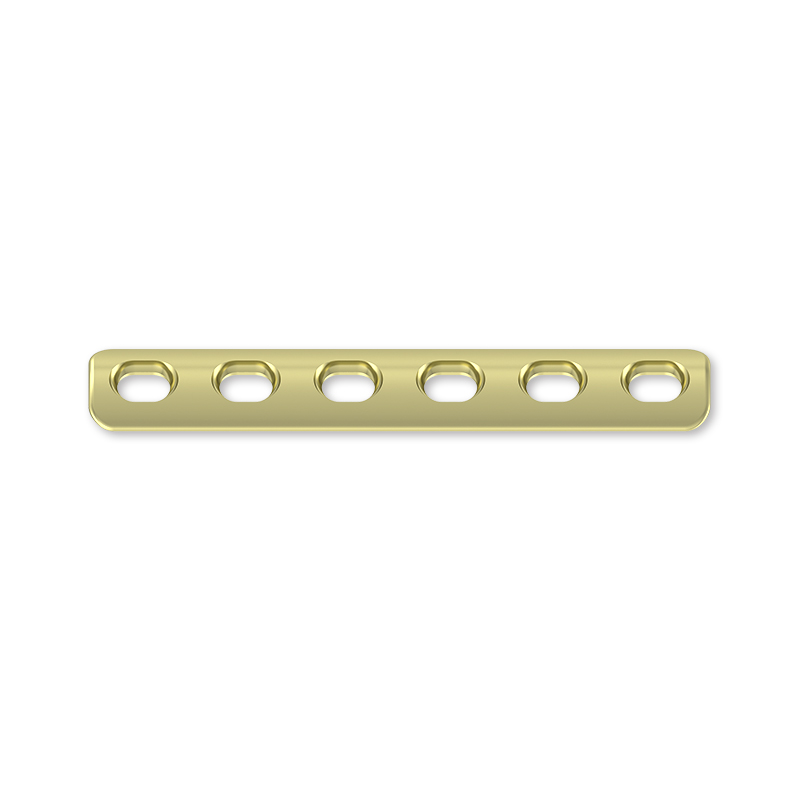
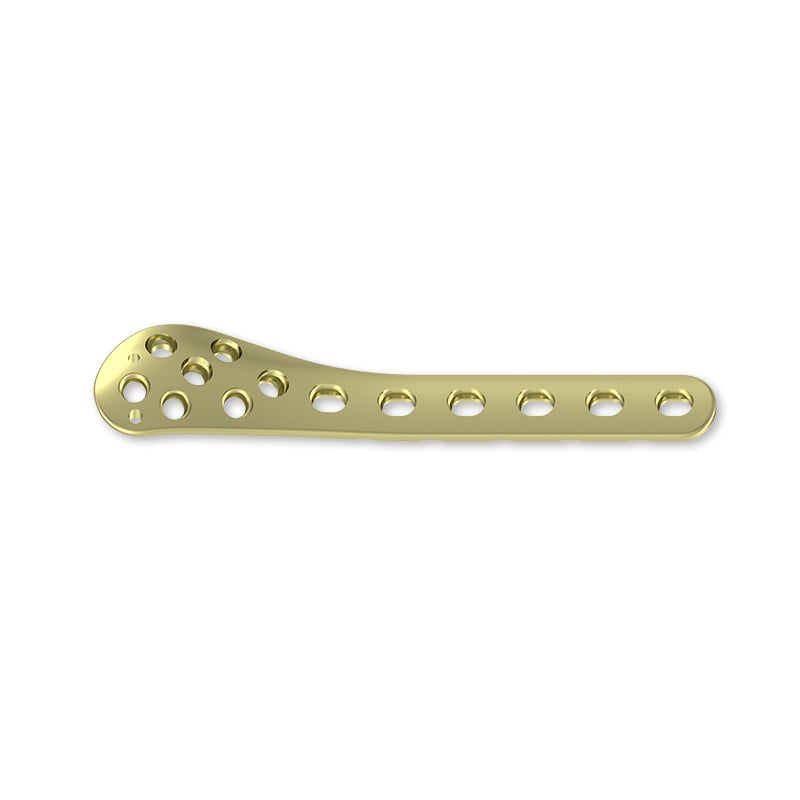
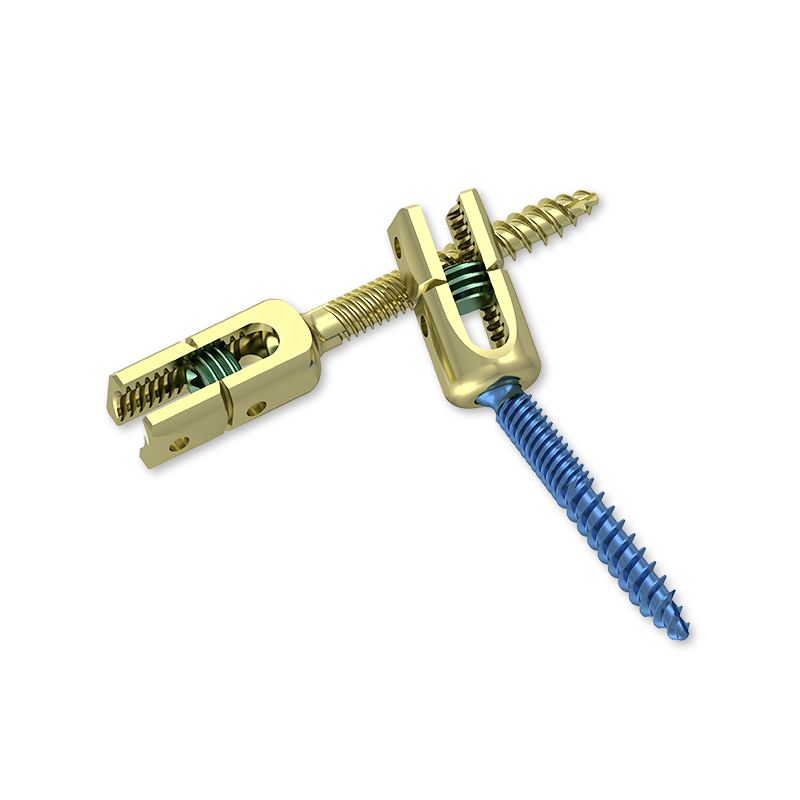
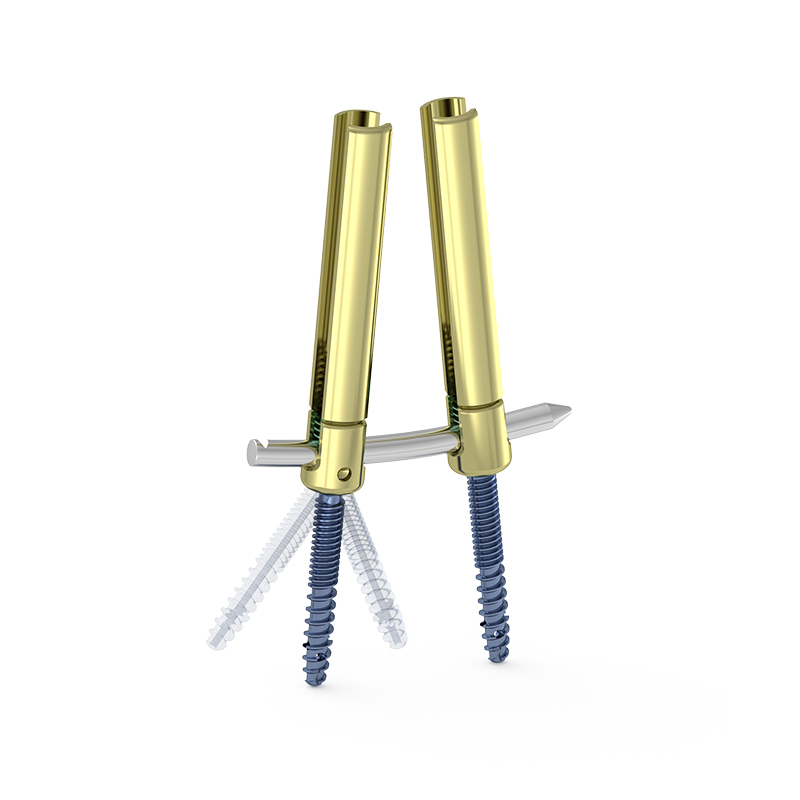
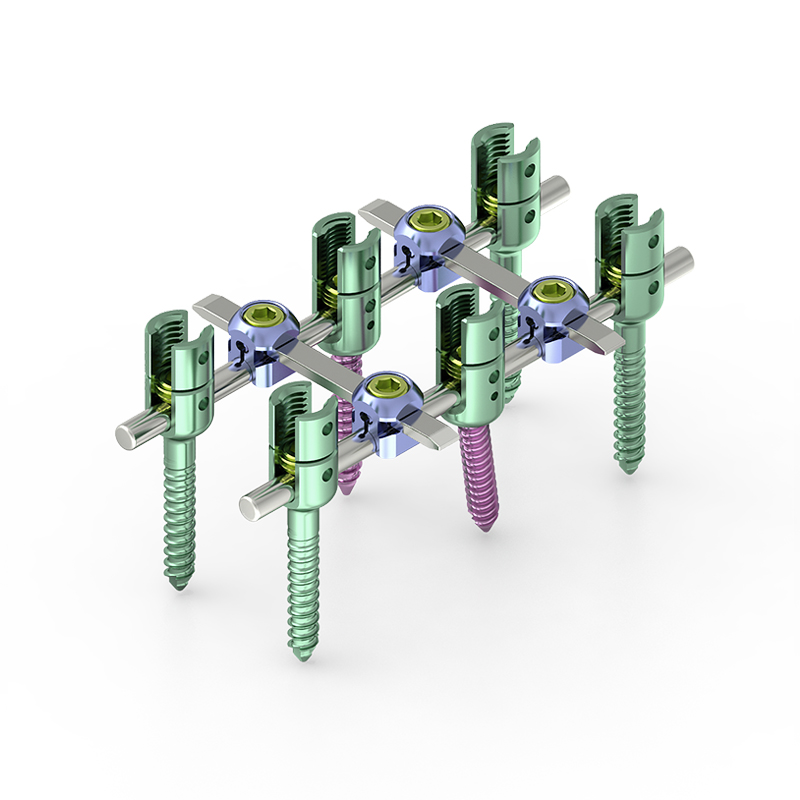
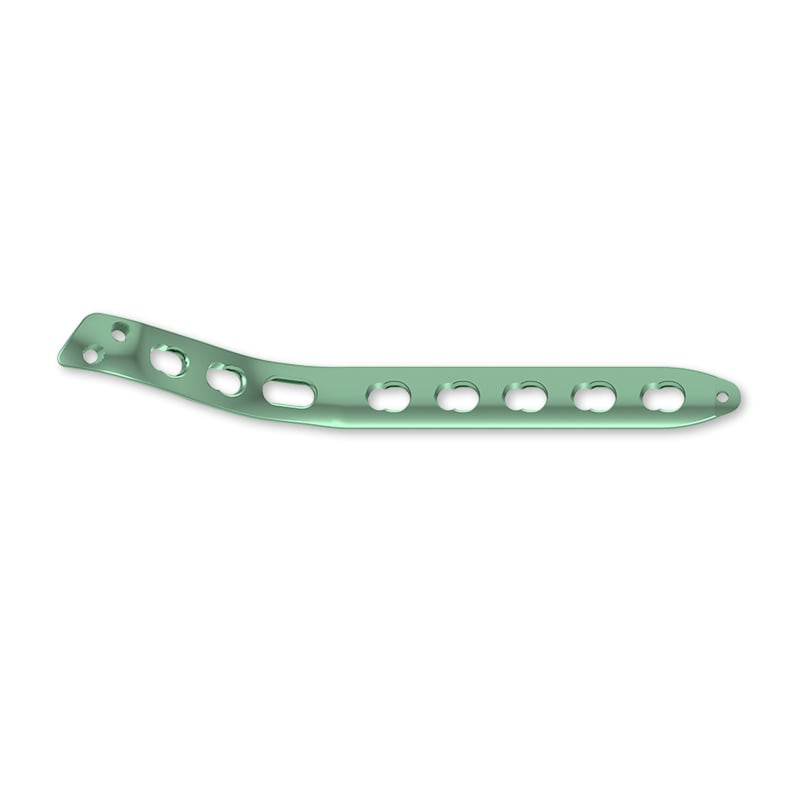
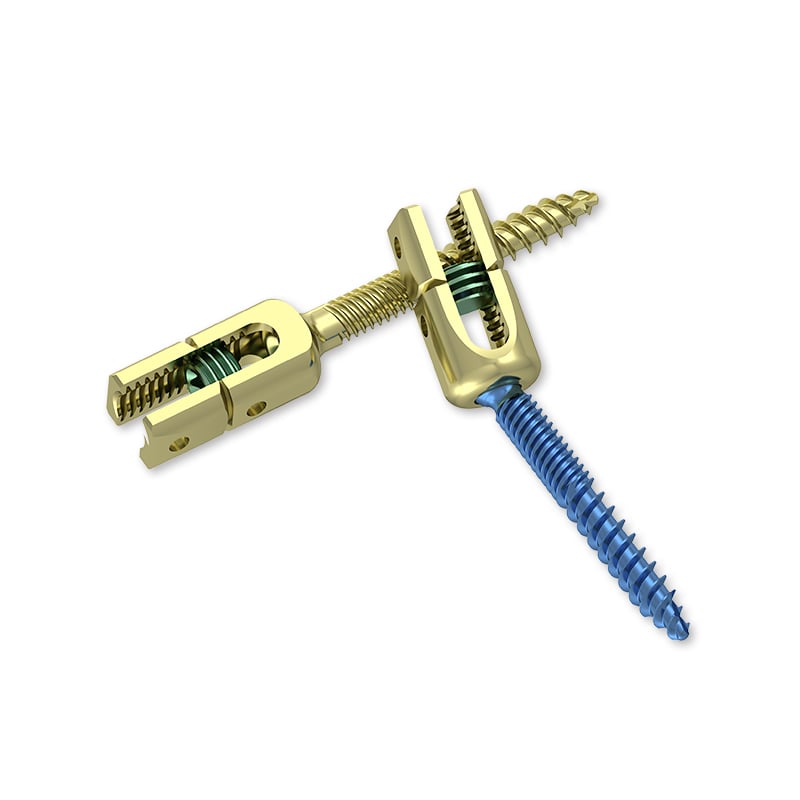
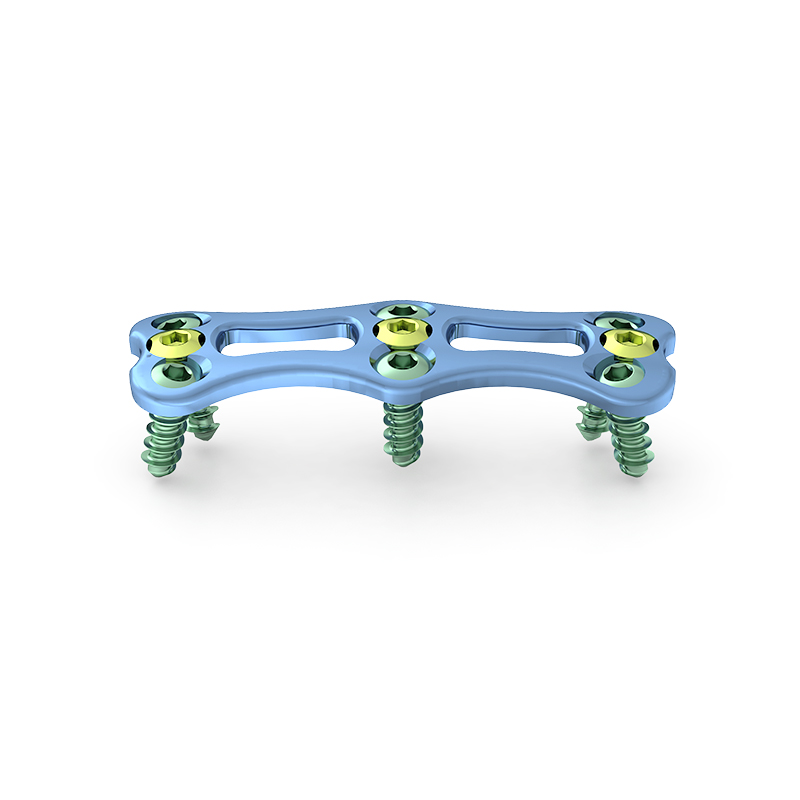
Orthopedic fixation implants are specialized medical devices designed to stabilize and support fractured or damaged bones during the healing process. These surgical instruments play a critical role in modern trauma and reconstructive surgery by holding bone fragments in proper alignment until natural healing occurs. Orthopedic fixation implants encompass a wide range of products including plates, screws, pins, rods, nails, and wire systems manufactured from biocompatible materials such as titanium alloys, stainless steel, and advanced polymers. The primary function of orthopedic fixation implants is to provide rigid or flexible fixation depending on the injury type, anatomical location, and patient-specific requirements. These devices work by mechanically stabilizing bone segments, reducing pain, preventing further damage, and facilitating optimal healing conditions. Technological features include anatomically contoured designs that match bone geometry, locking mechanisms that enhance stability, and surface treatments that promote osseointegration. Advanced orthopedic fixation implants may incorporate compression capabilities to actively promote bone fusion or dynamic features allowing controlled micromotion beneficial for healing. Applications span trauma surgery for acute fractures, orthopedic reconstruction procedures, spinal stabilization, joint fusion surgeries, and corrective osteotomies. Orthopedic fixation implants serve diverse patient populations from pediatric cases requiring growth-accommodating solutions to geriatric patients with osteoporotic bone requiring specialized anchoring. The selection of appropriate orthopedic fixation implants depends on fracture pattern, bone quality, mechanical loading requirements, and surgical approach preferences.

 EN
EN