Limb Reconstruction External Fixator Solutions

All Categories

Get a Free Quote

Our representative will contact you soon.
Email
Name
Company Name
Message
0/1000

limb reconstruction external fixator

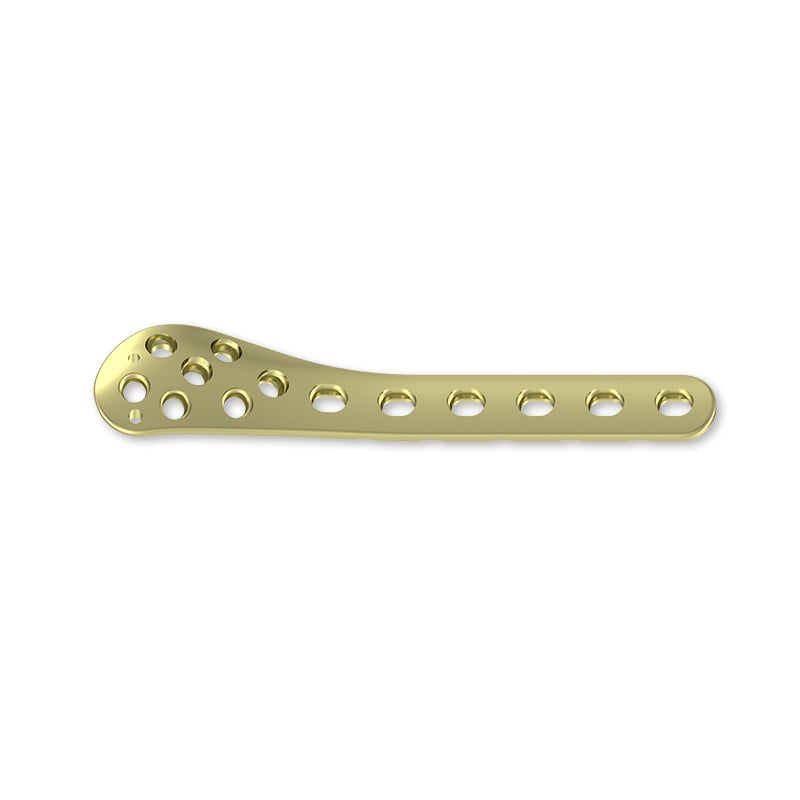
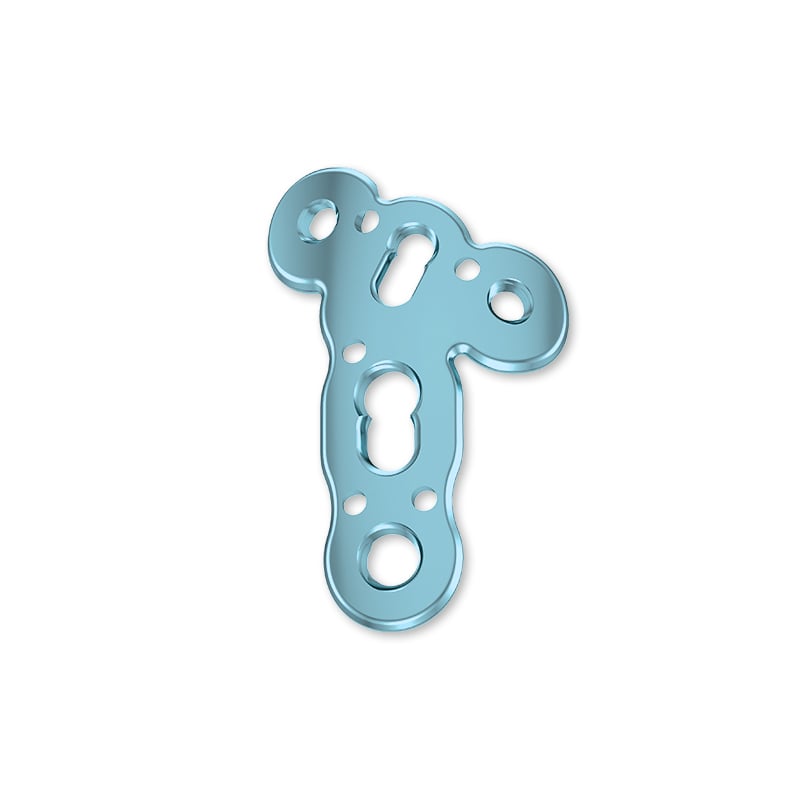
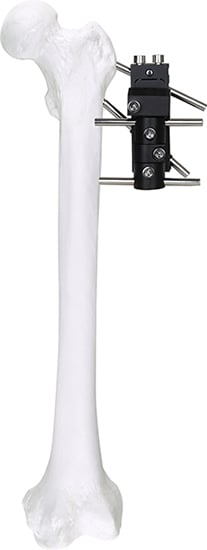
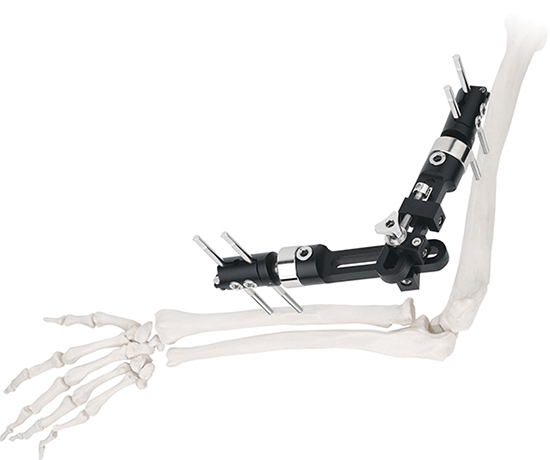
A limb reconstruction external fixator is an advanced orthopedic device designed to stabilize, correct, and reconstruct bones affected by trauma, deformity, or disease. This sophisticated medical apparatus consists of external frames, pins, rings, and adjustable components that work together to hold bone fragments in proper alignment during the healing process. The limb reconstruction external fixator serves multiple critical functions including bone lengthening, deformity correction, fracture stabilization, and soft tissue management. Its primary technological features include modular construction that allows surgeons to customize configurations based on patient-specific needs, precise adjustment mechanisms enabling gradual correction over time, and biocompatible materials that minimize infection risks. The device utilizes tensioned wires and half-pins that penetrate the skin to anchor directly into bone, creating a stable framework that supports natural healing while permitting access to surrounding tissues. Applications span complex trauma cases involving severe fractures with soft tissue damage, congenital limb deformities requiring gradual correction, bone infections necessitating stabilization during treatment, and limb lengthening procedures for patients with discrepancies. The limb reconstruction external fixator proves particularly valuable in situations where internal fixation methods are unsuitable due to compromised bone quality, infection presence, or extensive soft tissue injuries. Its versatility extends across various anatomical locations including the tibia, femur, radius, ulna, and foot bones, making it an indispensable tool in modern reconstructive orthopedic surgery for patients requiring comprehensive limb restoration solutions.

Popular Products

Choosing a limb reconstruction external fixator delivers substantial practical benefits that directly impact patient outcomes and clinical efficiency. The device provides immediate stability to damaged limbs without requiring extensive surgical incisions, which significantly reduces tissue trauma and accelerates initial recovery phases. Patients benefit from maintained mobility during treatment, as the external framework allows for earlier weight-bearing activities compared to traditional casting methods, promoting better circulation and preventing muscle atrophy. The adjustable nature of the limb reconstruction external fixator enables healthcare providers to make precise corrections gradually, reducing pain and improving bone formation quality through controlled distraction techniques. From an operational standpoint, surgeons appreciate the ability to monitor healing progress directly through visual inspection and radiographic evaluation without removing hardware, allowing for timely intervention if complications arise. The device accommodates wound care and soft tissue management throughout the treatment period, which proves essential for patients with open fractures or infection concerns. Cost-effectiveness emerges as another advantage, since the limb reconstruction external fixator can be reused across multiple patients after proper sterilization, reducing long-term institutional expenses. Application suitability extends to pediatric and geriatric populations who may not tolerate extensive surgeries well, offering a less invasive alternative that still achieves excellent functional restoration. The system's compatibility with computed tomography and other imaging modalities ensures accurate assessment without artifact interference. For decision-making purposes, clinicians value the flexibility to convert to internal fixation later if conditions improve, or to modify the configuration as healing progresses, providing adaptive treatment pathways that respond to individual patient needs rather than imposing rigid protocols.

Latest News

What Are the Indications for Using Pedicle Screw in Degenerative Spine Disease?

02

Jun

What Are the Indications for Using Pedicle Screw in Degenerative Spine Disease?

Degenerative spine disease encompasses a broad spectrum of conditions that progressively compromise spinal stability, alignment, and neurological function. As these conditions advance, conservative management often fails to provide adequate relief, a...
View More
What Are the Differences Between Spinal Screw and Pedicle Screw Systems?

06

Jul

What Are the Differences Between Spinal Screw and Pedicle Screw Systems?

When evaluating spinal implant instrumentation, one of the most common points of confusion is the distinction between a general spinal screw and a pedicle screw system. Both are used in spinal surgery, but they differ significantly in anatomy, biomec...
View More
How to Optimize Pedicle Screw Placement for Better Surgical Outcomes?

06

Jul

How to Optimize Pedicle Screw Placement for Better Surgical Outcomes?

Achieving precise pedicle screw placement is one of the most critical skills in modern spinal surgery. When pedicle screw placement is performed accurately, it creates a stable fixation point that supports spinal fusion, corrects deformity, and reduc...
View More
Why Is Accurate Spinal Screw Placement Crucial for Patient Safety?

06

Jul

Why Is Accurate Spinal Screw Placement Crucial for Patient Safety?

Pedicle screw placement is one of the most technically demanding steps in spinal surgery. When a surgeon positions each screw with precision, the entire construct gains stability, and the patient's recovery is protected from preventable complications...
View More

Get a Free Quote

Our representative will contact you soon.
Email
Name
Company Name
Message
0/1000

limb reconstruction external fixator

Modular Design Flexibility

Modular Design Flexibility

The limb reconstruction external fixator features an innovative modular design that empowers orthopedic surgeons to create patient-specific configurations tailored to unique anatomical challenges and clinical requirements. This engineering approach incorporates interchangeable components including rings of various diameters, connecting rods with adjustable lengths, hinges for joint-spanning applications, and specialized clamps that accommodate different angular orientations. The modular architecture enables practitioners to address simple fractures with streamlined constructs or build complex three-dimensional frameworks for severe deformities involving multiple planes of correction. Surgeons can combine circular fixation principles with unilateral frame elements, creating hybrid constructs that optimize stability while minimizing hardware bulk. This adaptability proves particularly valuable when treating pediatric patients whose growing skeletons require configurations that accommodate developmental changes, or when managing polytrauma cases where multiple injuries demand coordinated stabilization strategies. The system's versatility extends to intraoperative adjustments, allowing surgeons to modify the construct based on real-time feedback during surgery without requiring completely different instrument sets. Hospitals benefit from inventory efficiency since a comprehensive modular limb reconstruction external fixator system replaces multiple single-purpose devices, reducing storage requirements and capital equipment investments while ensuring readiness for diverse clinical scenarios.
Precision Adjustment Mechanisms

Precision Adjustment Mechanisms

Advanced precision adjustment mechanisms distinguish modern limb reconstruction external fixator systems, enabling controlled gradual corrections measured in fractions of millimeters daily. These sophisticated components include calibrated struts with numerical indicators, motor-driven actuators for automated adjustments, and six-axis correction capabilities that simultaneously address length, angulation, rotation, and translation deformities. The precision engineering ensures reproducible adjustments that patients or caregivers can perform reliably at home following simple protocols, reducing clinic visits while maintaining treatment accuracy. Hexapod-based limb reconstruction external fixator configurations utilize computer-assisted planning software that generates personalized adjustment schedules based on preoperative imaging and desired correction parameters. This technology eliminates guesswork from complex three-dimensional corrections, improving outcomes for conditions like malunions where bones have healed in incorrect positions. The gradual distraction principle supported by these mechanisms stimulates new bone formation through distraction osteogenesis, a biological process that creates living bone rather than requiring grafts from other sites. Patients experience less pain compared to acute surgical corrections since tissues adapt slowly to incremental changes. The mechanical precision also prevents overcorrection complications, as surgeons can stop adjustments immediately upon achieving target alignment, confirmed through serial radiographic monitoring throughout the treatment course.
Enhanced Infection Management

Enhanced Infection Management

The limb reconstruction external fixator provides superior infection management capabilities that prove critical when treating open fractures, osteomyelitis, or wounds with compromised soft tissues. Unlike internal plates and screws buried beneath skin that create difficult-to-access environments where bacteria proliferate, the external configuration permits direct visualization and cleaning of pin sites where hardware penetrates skin. Healthcare providers can apply antimicrobial dressings, perform debridement procedures, and monitor for early infection signs without additional surgeries or hardware removal. The spatial separation between the external frame and injured tissues allows unrestricted wound care access, enabling specialized dressings, vacuum-assisted closure devices, or tissue grafts to be applied and changed as needed throughout healing. This openness facilitates oxygen circulation around wounds, promoting healthy granulation tissue formation essential for infection resolution. When infections do occur, clinicians can adjust pin positions or remove compromised pins individually while maintaining overall construct stability through remaining fixation points, an impossible feat with internal fixation that typically requires complete hardware removal and treatment failure. The limb reconstruction external fixator materials incorporate antibacterial coatings on pin surfaces that release antimicrobial agents locally, reducing bacterial colonization risks at bone-hardware interfaces. For patients with active bone infections requiring prolonged antibiotic therapy, the external stabilization maintains alignment during the extended treatment periods necessary to eradicate resistant organisms before definitive reconstruction.

Get a Free Quote

Our representative will contact you soon.
Email
Name
Company Name
Message
0/1000
Newsletter
Please Leave A Message With Us