External Fixation System - Advanced Orthopedic Solutions

All Categories

Get a Free Quote

Our representative will contact you soon.
Email
Name
Company Name
Message
0/1000

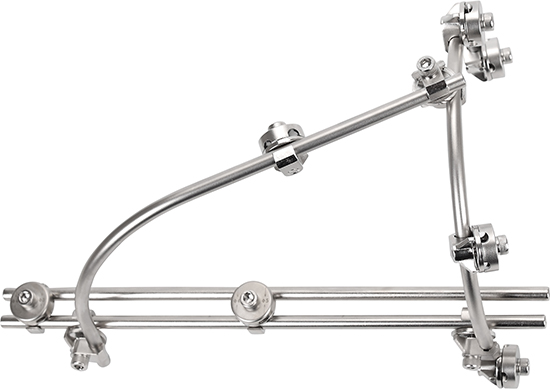
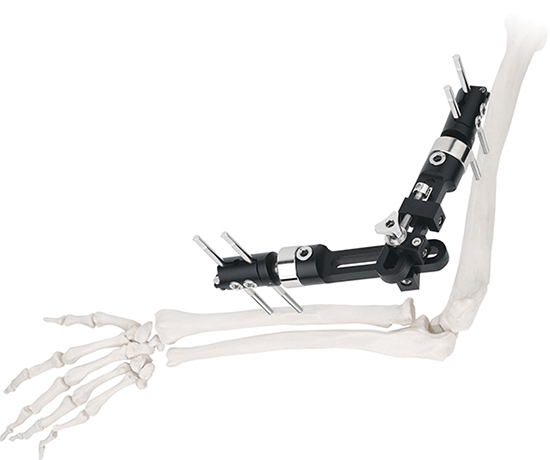
external fixation system

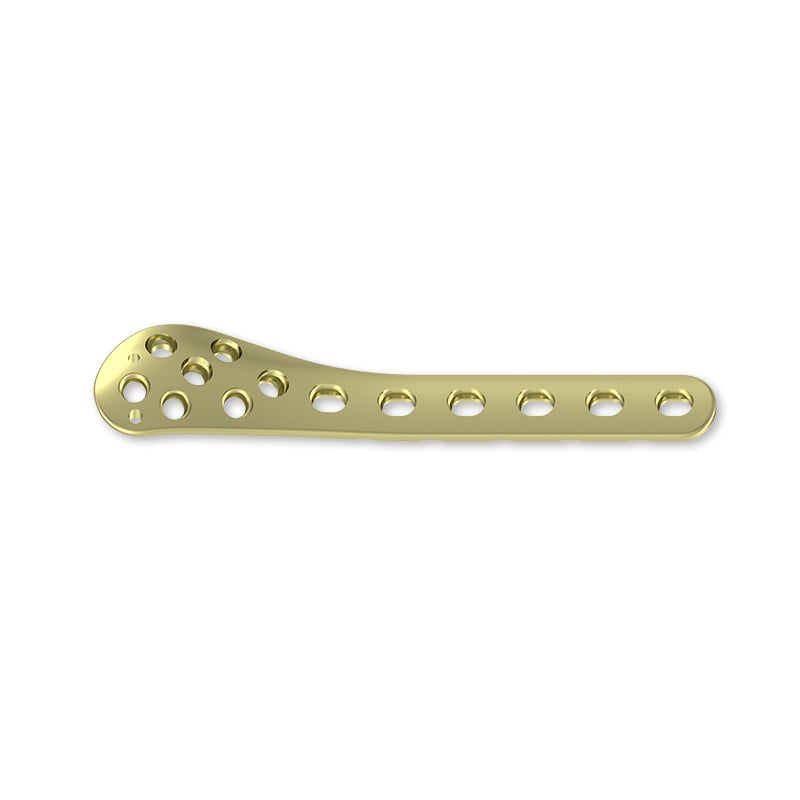
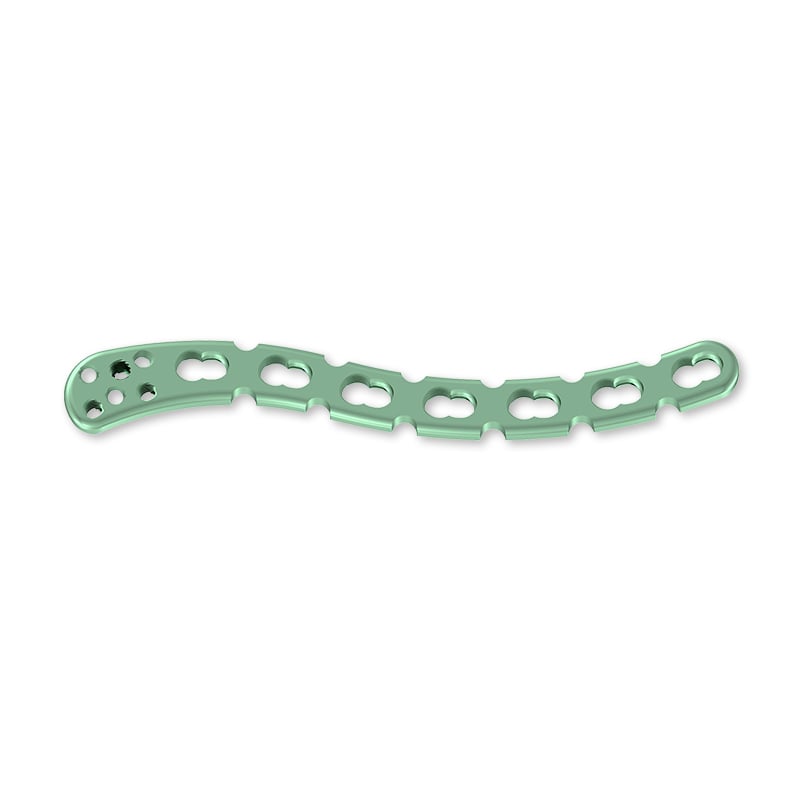
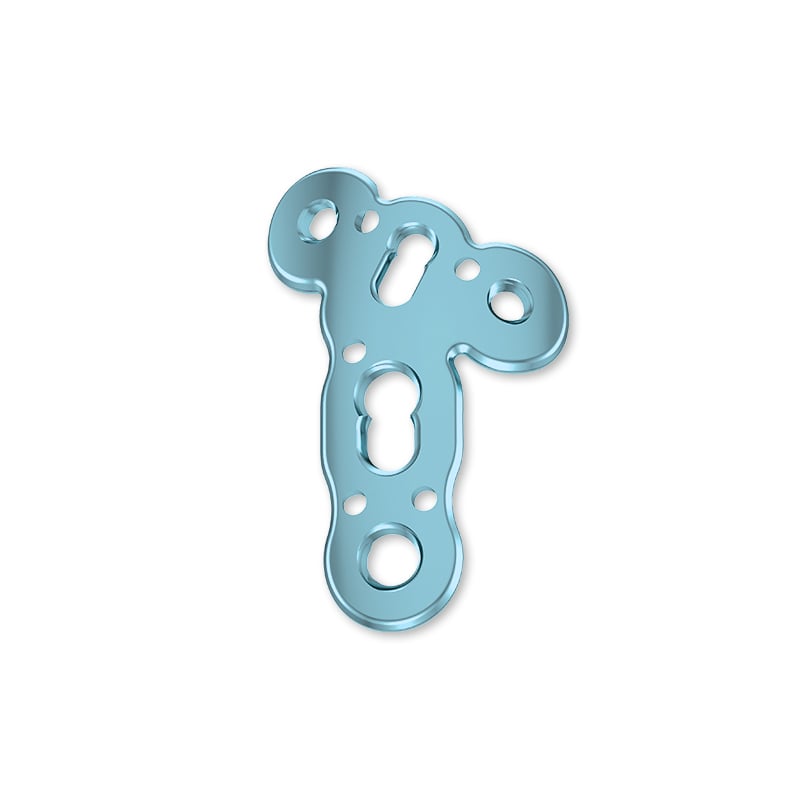
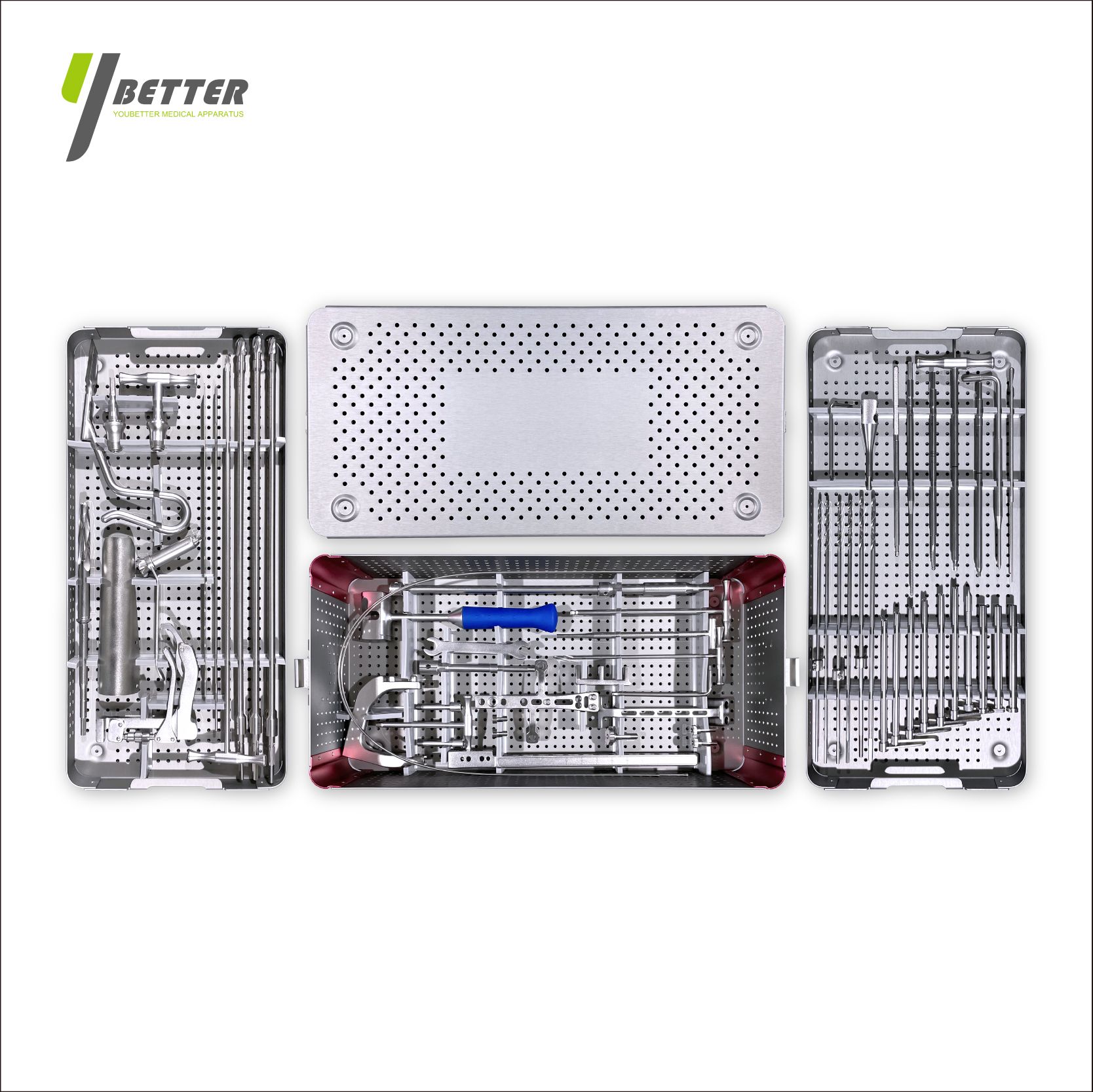
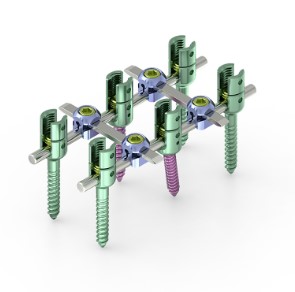
An external fixation system is a specialized orthopedic device designed to stabilize and support fractured or damaged bones from outside the body. This advanced medical solution uses a framework of pins, wires, and rods that are surgically inserted through the skin into the bone, then connected to an external frame to maintain proper alignment during the healing process. The external fixation system provides surgeons with precise control over bone positioning while allowing for adjustments throughout treatment. These systems are particularly valuable in trauma care, reconstructive surgery, and limb lengthening procedures where internal fixation methods may not be suitable. The technology features modular components that can be customized to address various bone configurations and patient anatomies. Modern external fixation system designs incorporate radiolucent materials that enable clear visualization during imaging procedures, facilitating ongoing assessment of bone healing progress. The open architecture of the external fixation system allows medical professionals to monitor soft tissue condition, perform wound care, and make necessary modifications without additional invasive procedures. Applications range from simple fracture stabilization to complex deformity correction, making this versatile solution essential in contemporary orthopedic practice. The system's ability to provide stable fixation while preserving blood supply to injured tissues makes it an invaluable tool for managing severe fractures, non-unions, and bone infections where traditional internal fixation approaches present increased risks or complications.

New Products

The external fixation system delivers substantial practical benefits that directly impact patient outcomes and clinical efficiency. First, this approach minimizes surgical trauma because it requires less extensive incision work compared to internal fixation methods, reducing infection risk and preserving soft tissue integrity around injury sites. Patients experience shorter operating room times, which translates to lower anesthesia exposure and reduced overall surgical costs for healthcare facilities. The system provides exceptional versatility, allowing physicians to treat multiple fracture types and complexities with a single adaptable platform, eliminating the need to stock numerous specialized implants. Real-time adjustability represents a significant operational advantage, as doctors can modify alignment and compression settings during follow-up visits without returning patients to surgery, enabling progressive correction of deformities and optimizing healing conditions. The external fixation system facilitates superior wound management access, permitting healthcare teams to clean, dress, and monitor soft tissue healing while maintaining stable bone fixation, which proves critical in open fractures and contaminated wounds. From a decision-making perspective, this technology offers a definitive solution for complex cases including polytrauma, infected non-unions, and pediatric growth plate injuries where internal hardware could compromise development. The system supports early patient mobilization, helping individuals maintain muscle strength and joint function during recovery, ultimately shortening rehabilitation periods and accelerating return to daily activities. Cost-effectiveness extends beyond initial treatment, as the reusable frame components reduce per-case expenses while the minimally invasive approach decreases hospital stay duration. For medical institutions, adopting this system enhances treatment capabilities, attracting referrals for challenging orthopedic cases and positioning facilities as comprehensive trauma care centers equipped to handle the most demanding bone injuries with confidence and proven clinical success.

Practical Tips

What Are the Main Types of Orthopedic Implants Used in Trauma Surgery?

02

Jun

What Are the Main Types of Orthopedic Implants Used in Trauma Surgery?

When a patient sustains a serious bone fracture or joint injury, the goal of trauma surgery is to restore stability, alignment, and function as efficiently and safely as possible. Central to achieving that goal are orthopedic implants — precisi...
View More
How Do Orthopedic Implants Enhance Fracture Healing and Recovery?

02

Jun

How Do Orthopedic Implants Enhance Fracture Healing and Recovery?

When a bone fractures, the body initiates a complex biological cascade aimed at restoring structural integrity and function. However, in many cases, this natural process requires mechanical support to succeed. This is precisely where orthopedic impla...
View More
How to Choose the Right Pedicle Screw Size for Lumbar Fusion Procedures?

02

Jun

How to Choose the Right Pedicle Screw Size for Lumbar Fusion Procedures?

Selecting the correct pedicle screw size for lumbar fusion procedures is one of the most consequential decisions a spine surgeon makes during operative planning. The diameter, length, and thread design of each pedicle screw directly influence fixatio...
View More
How to Optimize Pedicle Screw Placement for Better Surgical Outcomes?

06

Jul

How to Optimize Pedicle Screw Placement for Better Surgical Outcomes?

Achieving precise pedicle screw placement is one of the most critical skills in modern spinal surgery. When pedicle screw placement is performed accurately, it creates a stable fixation point that supports spinal fusion, corrects deformity, and reduc...
View More

Get a Free Quote

Our representative will contact you soon.
Email
Name
Company Name
Message
0/1000

external fixation system

Minimally Invasive Stabilization Technology

Minimally Invasive Stabilization Technology

The external fixation system employs a minimally invasive approach that fundamentally changes how orthopedic surgeons manage complex fractures and bone injuries. Unlike traditional internal fixation requiring extensive surgical dissection, this system utilizes small percutaneous pins and wires inserted through limited incision points, drastically reducing tissue disruption and surgical trauma. This technique preserves the critical periosteal blood supply that surrounds bones, maintaining the natural biological environment essential for optimal healing. The reduced invasiveness translates directly to lower infection rates, particularly important when treating open fractures or patients with compromised immune systems. Surgeons can achieve stable fixation within shorter operative timeframes, minimizing patient exposure to anesthesia risks and reducing overall procedural costs. The preserved soft tissue envelope allows for better wound healing observation and management throughout treatment, enabling early detection of potential complications. This approach proves especially valuable in polytrauma scenarios where patients require damage-control orthopedics, allowing rapid stabilization without prolonged surgical stress. The minimally invasive nature also makes the external fixation system ideal for elderly patients or those with significant medical comorbidities who may not tolerate extensive open procedures, expanding treatment access to vulnerable populations who would otherwise face limited options for definitive fracture care.
Dynamic Adjustment Capability

Dynamic Adjustment Capability

A distinguishing feature of the external fixation system is its remarkable capacity for post-operative adjustments without requiring additional surgical intervention. The modular frame design incorporates precision adjustment mechanisms that allow clinicians to modify bone alignment, length, and compression forces during regular office visits, providing unprecedented control over the healing trajectory. This dynamic capability proves invaluable for gradual deformity correction, enabling doctors to implement controlled distraction osteogenesis for limb lengthening or angular correction over extended periods. Surgeons can respond immediately to healing progress revealed through imaging studies, fine-tuning fixation parameters to optimize bone formation and consolidation. The adjustment feature eliminates the need for revision surgeries that would otherwise be required to reposition improperly healing fractures, saving patients from additional operative risks and healthcare systems from escalating costs. In pediatric applications, the external fixation system can accommodate growth and development changes, allowing frame modifications as young patients mature during extended treatment courses. The ability to apply controlled compression or distraction forces promotes bone regeneration through mechanobiological stimulation, actively enhancing the healing process rather than passively maintaining position. This interactive treatment approach transforms the external fixation system from a simple stabilization device into an active therapeutic tool that physicians can manipulate to achieve optimal clinical outcomes tailored to each patient's unique healing response and anatomical requirements.
Comprehensive Wound Access and Monitoring

Comprehensive Wound Access and Monitoring

The external fixation system provides unparalleled access to injured soft tissues and wound sites throughout the treatment period, delivering critical advantages in managing complex orthopedic trauma. The external frame configuration keeps fixation hardware completely outside the injury zone, creating an unobstructed field for wound care, debridement, and tissue monitoring without compromising skeletal stability. This open access proves essential when treating open fractures, burns combined with fractures, or injuries with significant soft tissue damage requiring ongoing surgical attention. Healthcare teams can perform serial wound irrigations, apply negative pressure therapy, and conduct staged debridement procedures while maintaining consistent bone alignment through the external fixation system. The transparent treatment environment allows continuous visual assessment of tissue healing, enabling early identification of infection, compromised circulation, or other complications that internal fixation would obscure until problems become severe. This monitoring capability significantly reduces the risk of deep infections and non-unions that plague closed fixation methods in contaminated cases. For complex reconstructive procedures involving skin grafts or flap coverage, the external fixation system provides stable skeletal support without introducing internal foreign material that could serve as bacterial colonization sites. The system also facilitates interdisciplinary collaboration, allowing plastic surgeons, vascular specialists, and wound care experts to contribute their expertise simultaneously without removing or disturbing the orthopedic fixation, resulting in coordinated comprehensive care that addresses all aspects of severe musculoskeletal injuries for superior functional outcomes.

Get a Free Quote

Our representative will contact you soon.
Email
Name
Company Name
Message
0/1000
Newsletter
Please Leave A Message With Us