Lumbar Fusion Screws: Stability & Precision

All Categories

Get a Free Quote

Our representative will contact you soon.
Email
Name
Company Name
Message
0/1000

lumbar fusion screws

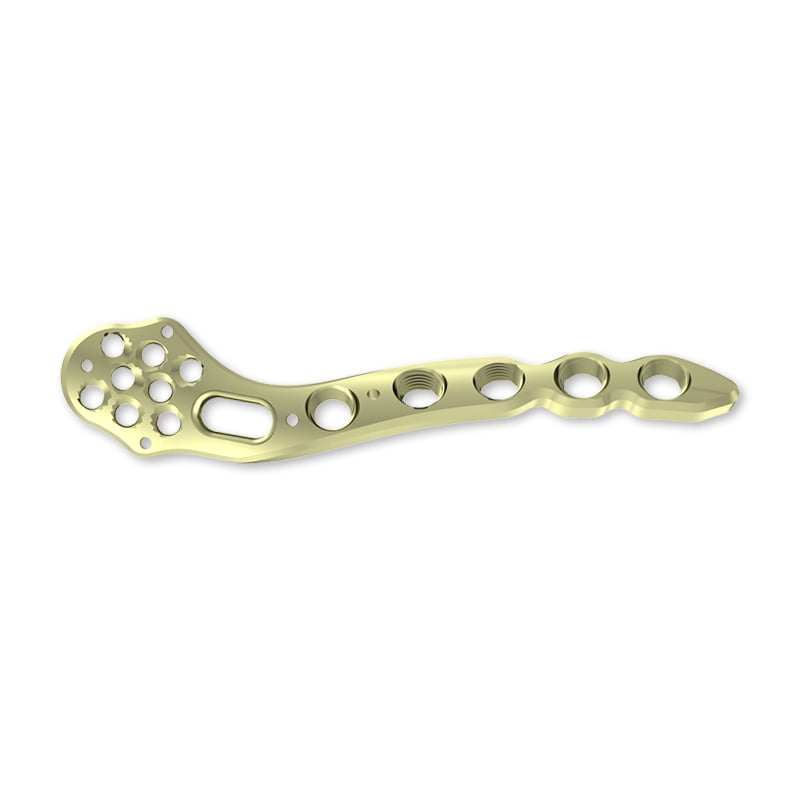
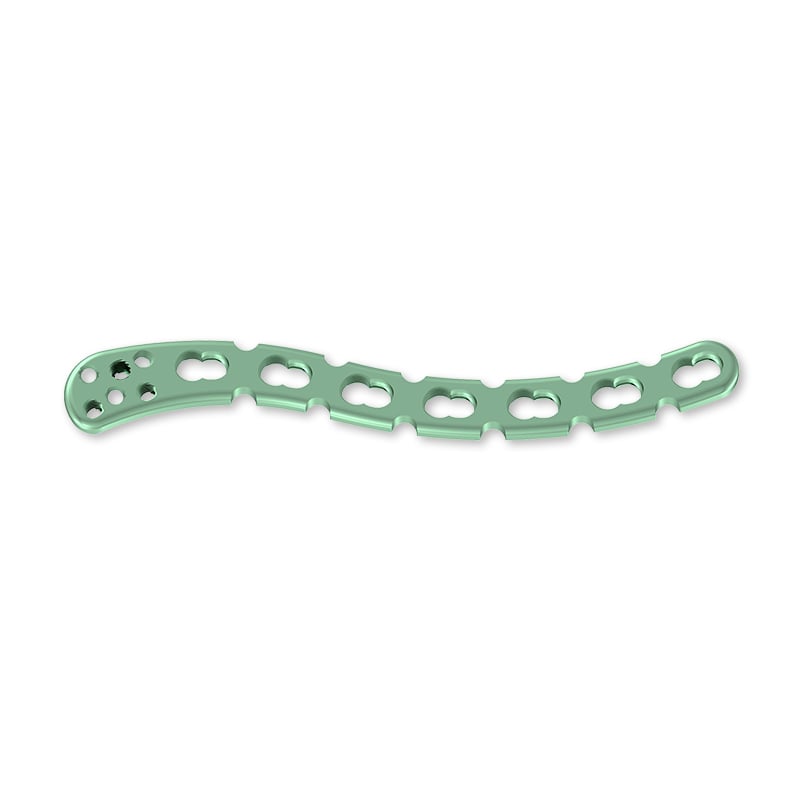
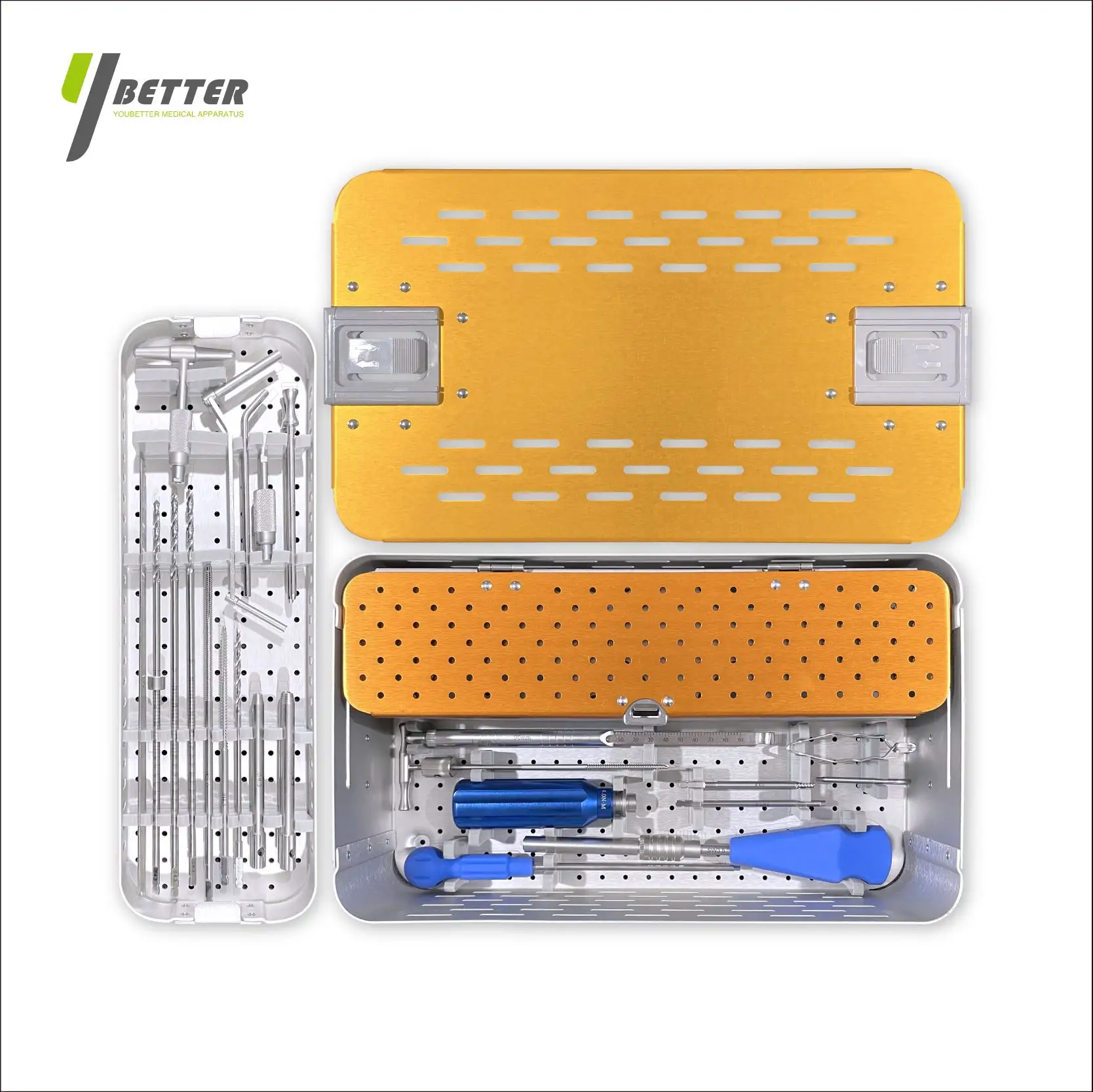
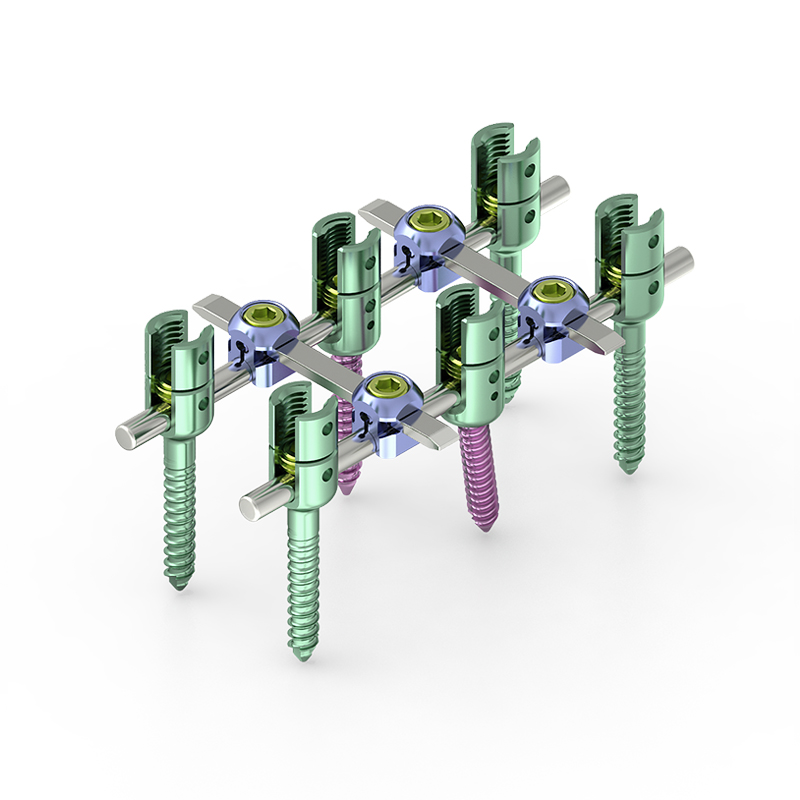
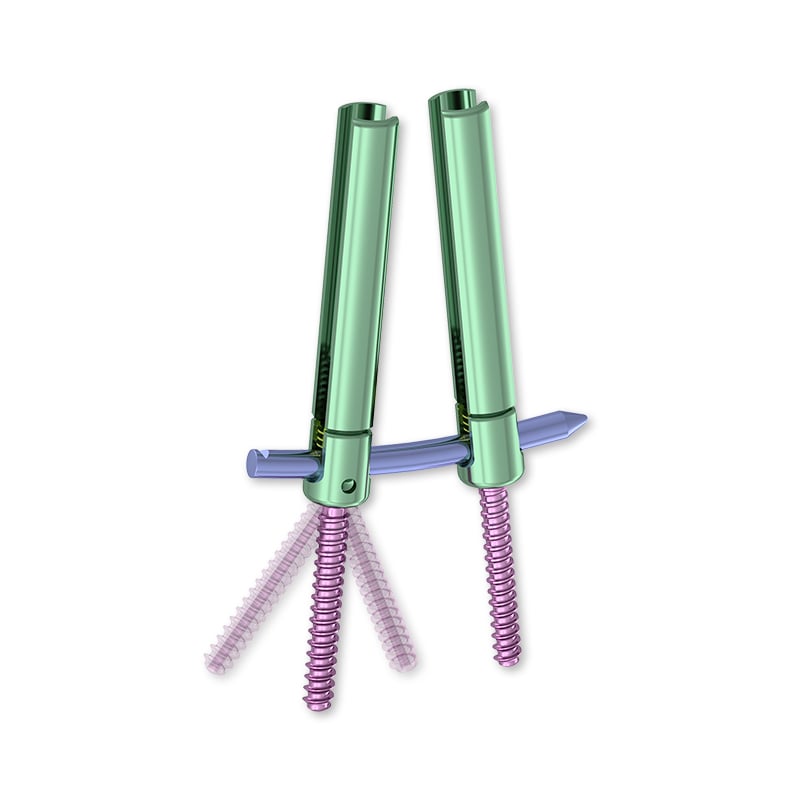
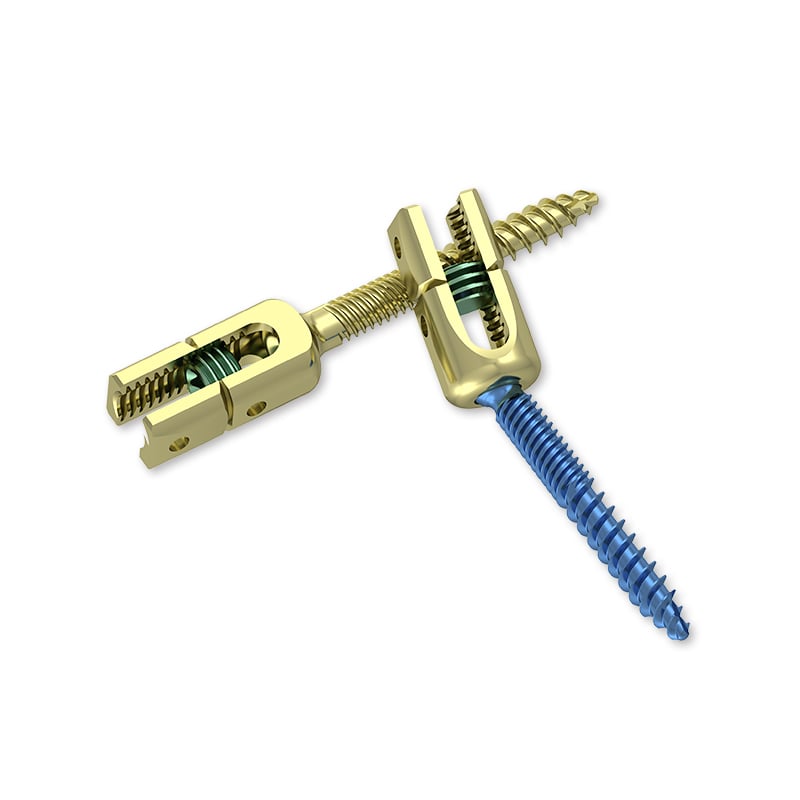
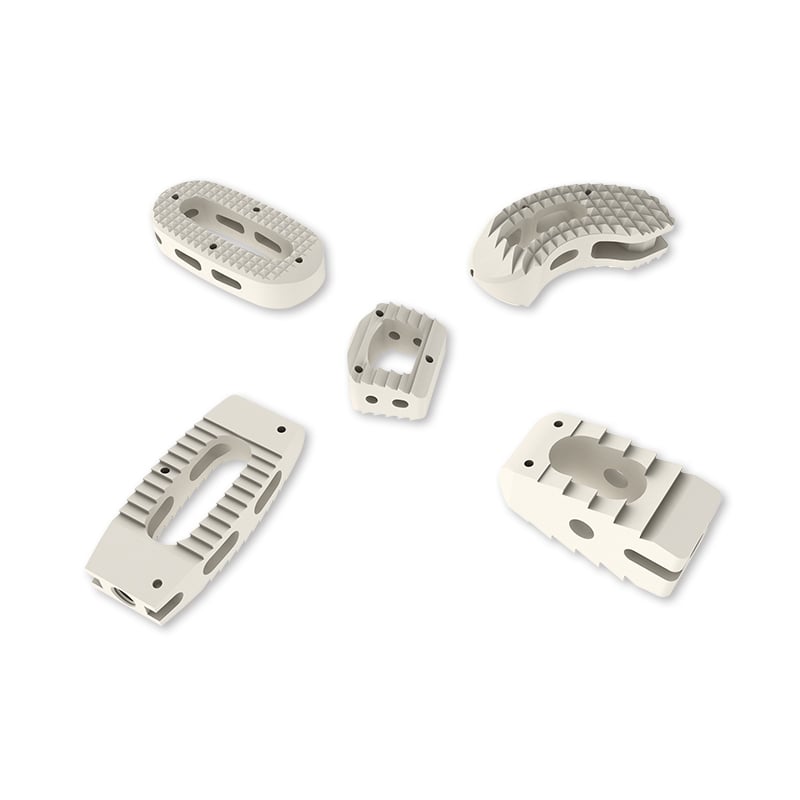
Lumbar fusion screws are specialized orthopedic implants designed to stabilize and support the lower spine during spinal fusion procedures. These medical devices play a critical role in treating various spinal conditions, including degenerative disc disease, spondylolisthesis, spinal stenosis, and traumatic injuries affecting the lumbar region. The primary function of lumbar fusion screws is to hold vertebrae in proper alignment while bone graft material facilitates permanent fusion between adjacent vertebral segments. Manufactured from biocompatible materials such as titanium alloy or stainless steel, these screws are engineered to withstand significant biomechanical loads while promoting optimal healing outcomes. The technological features of lumbar fusion screws include precision-threaded designs that enhance bone purchase, self-tapping capabilities for simplified insertion, and anatomically contoured profiles that minimize soft tissue irritation. Advanced variants incorporate porous coatings or surface treatments that encourage osseointegration, the biological process where bone tissue bonds directly to the implant surface. Lumbar fusion screws are typically used in conjunction with rods, plates, or interbody cages to create a comprehensive fixation system. Applications span a wide spectrum of surgical approaches, including posterior lumbar interbody fusion, transforaminal lumbar interbody fusion, and posterolateral fusion techniques. Surgeons select specific screw dimensions, lengths, and diameters based on patient anatomy, bone quality, and the extent of spinal pathology. These implants represent a cornerstone of modern spinal surgery, enabling millions of patients worldwide to achieve pain relief, restored function, and improved quality of life through successful spinal stabilization procedures.

New Product Recommendations

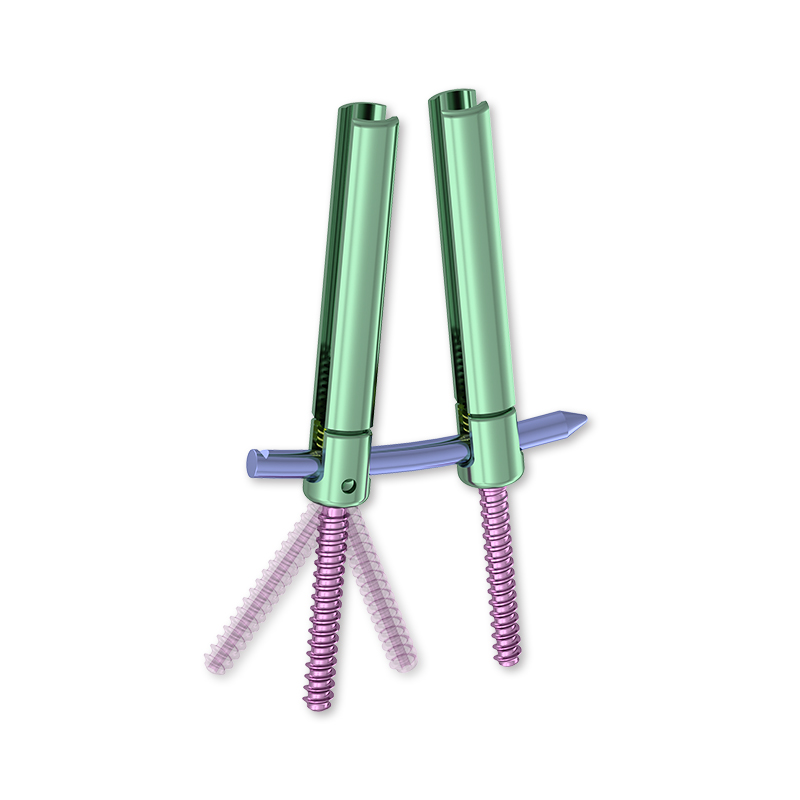
The primary advantage of lumbar fusion screws lies in their ability to provide immediate and robust mechanical stability to the surgical site, allowing patients to begin rehabilitation sooner and reducing the risk of hardware failure or non-union. Unlike older fixation methods, these modern implants offer superior holding strength even in compromised bone quality, making them suitable for elderly patients or those with osteoporosis. The operational benefits are significant for surgical teams, as lumbar fusion screws feature intuitive insertion techniques that reduce procedure time and minimize tissue trauma. Many systems include polyaxial screw heads that allow surgeons to adjust rod positioning across multiple angles, accommodating individual anatomical variations without compromising fixation strength. This flexibility translates to fewer intraoperative complications and better alignment correction. From a practical standpoint, patients benefit from reduced postoperative pain since minimally invasive surgical approaches using lumbar fusion screws require smaller incisions compared to traditional open procedures. The biocompatible materials used in manufacturing ensure excellent tissue tolerance and dramatically lower rejection rates, promoting faster healing and return to daily activities. Application suitability extends across diverse patient populations and pathological conditions, from young athletes recovering from traumatic injuries to older adults managing chronic degenerative changes. Decision-useful context for healthcare providers includes extensive clinical evidence demonstrating high fusion rates, low complication profiles, and durable long-term outcomes spanning decades. The economic value proposition is equally compelling, as successful fusion procedures using lumbar fusion screws reduce the need for revision surgeries, ongoing pain management interventions, and prolonged disability. Hospitals benefit from streamlined inventory management, as standardized screw systems accommodate multiple surgical scenarios while maintaining cost efficiency and predictable reimbursement pathways.

Practical Tips

How Do Pedicle Screw Systems Support Scoliosis Correction Surgery?

02

Jun

How Do Pedicle Screw Systems Support Scoliosis Correction Surgery?

Scoliosis correction surgery is one of the most technically demanding procedures in modern spinal orthopedics. The ability to realign a severely curved spine, restore sagittal balance, and maintain long-term structural integrity depends heavily on th...
View More
What Are the Differences Between Spinal Screw and Pedicle Screw Systems?

06

Jul

What Are the Differences Between Spinal Screw and Pedicle Screw Systems?

When evaluating spinal implant instrumentation, one of the most common points of confusion is the distinction between a general spinal screw and a pedicle screw system. Both are used in spinal surgery, but they differ significantly in anatomy, biomec...
View More
How Can Distributors Assess Pedicle Screw Supplier Reliability?

06

Jul

How Can Distributors Assess Pedicle Screw Supplier Reliability?

Choosing the right pedicle screw supplier is one of the most consequential decisions a medical device distributor can make. A pedicle screw supplier directly affects patient safety, regulatory standing, and the commercial reputation of every distribu...
View More
How Does Spinal Screw Fixation Improve Stability in Spinal Fusion Surgery?

06

Jul

How Does Spinal Screw Fixation Improve Stability in Spinal Fusion Surgery?

Spinal fusion surgery is one of the most common and technically demanding procedures in orthopedic and neurosurgical practice. At the heart of this procedure lies a critical mechanical principle: the spine must be held in precise alignment while bone...
View More

Get a Free Quote

Our representative will contact you soon.
Email
Name
Company Name
Message
0/1000

lumbar fusion screws

Advanced Biomechanical Stability

Advanced Biomechanical Stability

Lumbar fusion screws deliver exceptional biomechanical stability through engineering innovations that optimize load distribution across the spinal construct. The threaded design creates multiple points of contact with vertebral bone, generating resistance against pull-out forces and preventing implant migration during the critical healing phase. This mechanical advantage becomes particularly important during patient movement and weight-bearing activities when spinal segments experience complex multiplanar stresses. The screws work synergistically with connecting rods to create a rigid framework that immobilizes target segments while protecting adjacent healthy levels from excessive strain. Material science advances have produced alloys with ideal strength-to-weight ratios, ensuring screws remain strong enough to support physiological loads without adding unnecessary bulk that could interfere with surrounding neural structures. Surface treatments such as titanium plasma spraying or hydroxyapatite coating further enhance biological fixation by encouraging bone cells to grow directly onto the implant surface. This osseointegration process transforms the initial mechanical fixation into a permanent biological bond, creating a unified spinal structure. For patients, this translates to confident mobility during recovery, reduced brace requirements, and lower risk of pseudarthrosis or hardware loosening that would necessitate additional surgery.
Precision Surgical Technique Enhancement

Precision Surgical Technique Enhancement

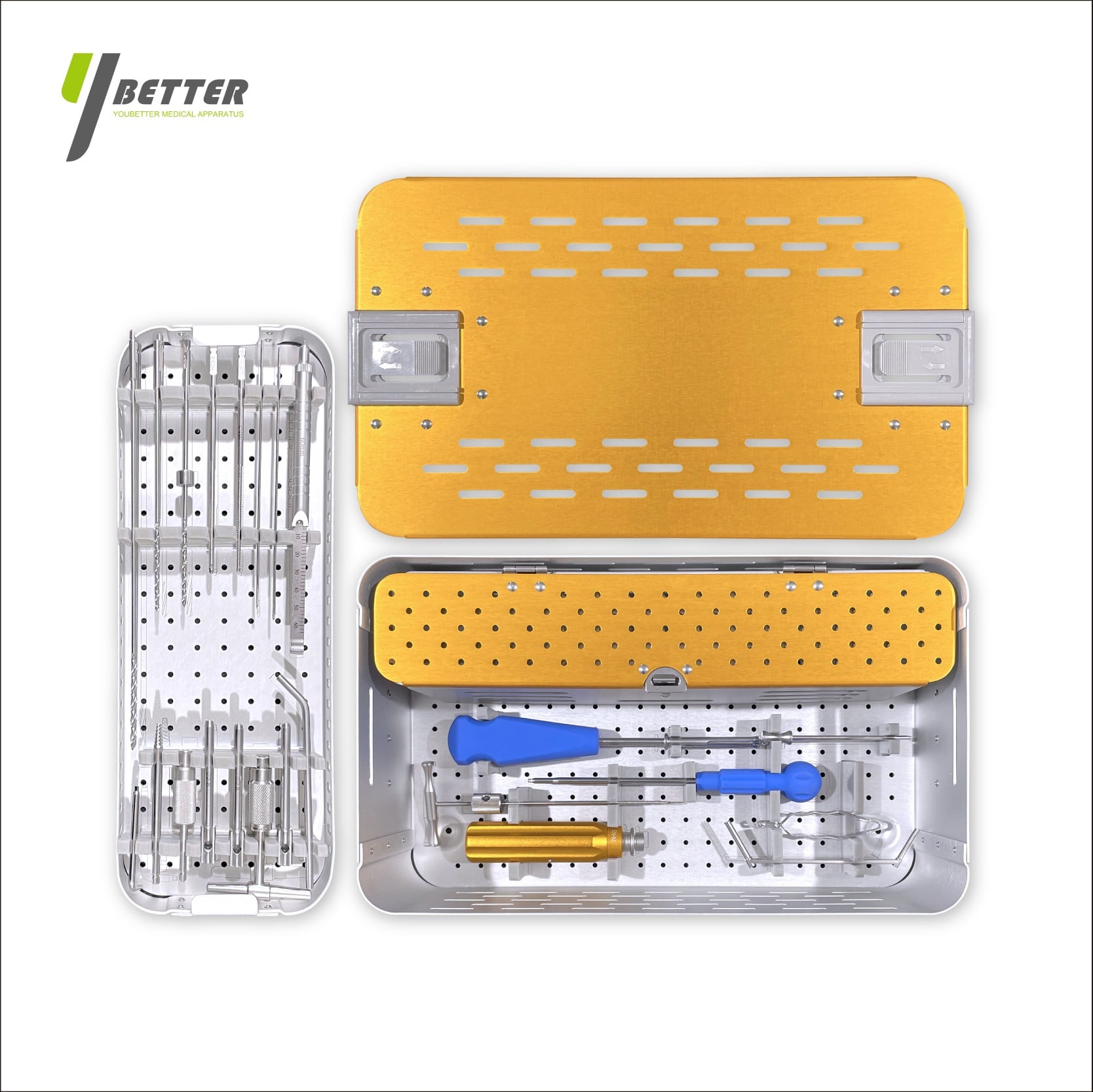
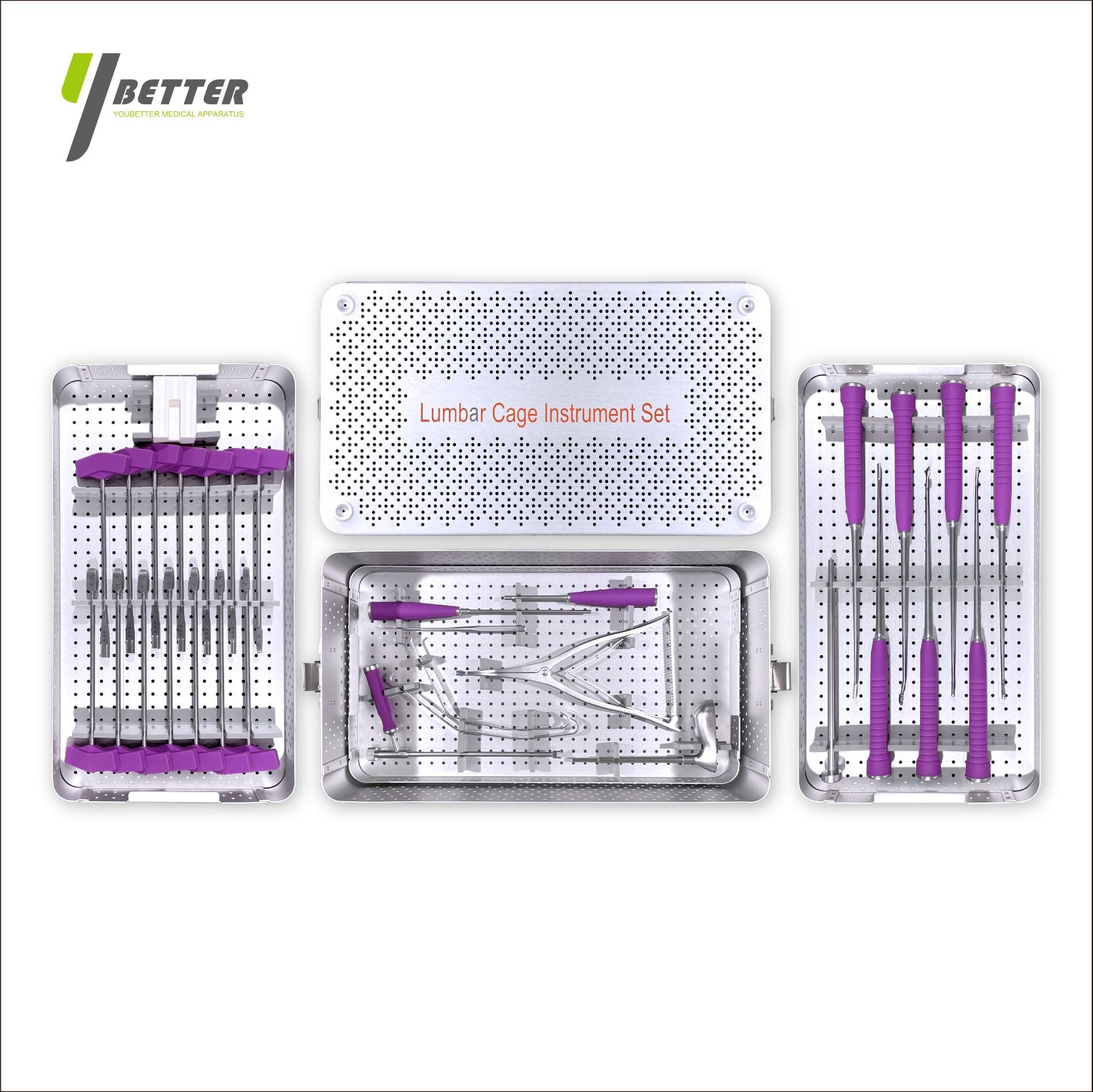
Modern lumbar fusion screws incorporate design features that significantly enhance surgical precision and procedural efficiency. Self-tapping thread geometry eliminates the need for separate tapping instruments, reducing surgical steps and minimizing bone preparation time. Color-coded instrumentation and standardized insertion protocols allow surgical teams to work with greater confidence and consistency across different cases. Fluoroscopic markers embedded in screw heads provide clear visualization under imaging guidance, enabling surgeons to verify optimal placement and trajectory before final tightening. Cannulated screw designs accommodate guidewires that establish safe pathways through complex anatomy, reducing the risk of neurovascular injury or pedicle breach. The polyaxial capability of many lumbar fusion screws addresses one of the most challenging aspects of spinal instrumentation by allowing angular adjustment after screw insertion. This feature compensates for anatomical irregularities, vertebral rotation, or asymmetric pathology without requiring screw repositioning. Break-off tabs and torque-limiting drivers prevent overtightening that could strip threads or fracture bone, while low-profile screw heads minimize prominence beneath the skin. These technological refinements collectively reduce operative time, lower radiation exposure from repeated imaging, decrease blood loss, and improve overall patient safety profiles.
Comprehensive Clinical Versatility

Comprehensive Clinical Versatility

The versatility of lumbar fusion screws makes them suitable for an exceptionally broad range of clinical scenarios and patient populations. Surgeons can address everything from single-level degenerative disease to complex multi-level reconstructions following tumor resection or trauma. Pediatric formulations with smaller dimensions accommodate growing spines affected by congenital deformities or idiopathic scoliosis, while robust large-diameter options provide adequate fixation in patients with significant osteoporosis or prior failed fusions. The compatibility of lumbar fusion screws with various surgical approaches including open, mini-open, and fully percutaneous techniques allows procedure customization based on patient factors, surgeon preference, and facility capabilities. Revision surgery scenarios particularly benefit from the strong fixation characteristics of modern screw designs, as these cases often involve compromised bone stock and altered anatomy. The ability to combine lumbar fusion screws with different interbody devices, bone graft materials, and biologics creates countless treatment permutations tailored to specific diagnostic needs. Long-term clinical studies spanning fifteen to twenty years demonstrate sustained fixation integrity and high patient satisfaction rates across diverse demographics. This proven track record provides decision-makers with confidence when selecting treatment strategies, knowing that lumbar fusion screws have successfully served millions of patients worldwide with reliable outcomes and manageable complication profiles.

Get a Free Quote

Our representative will contact you soon.
Email
Name
Company Name
Message
0/1000
Newsletter
Please Leave A Message With Us