spinal screw implant
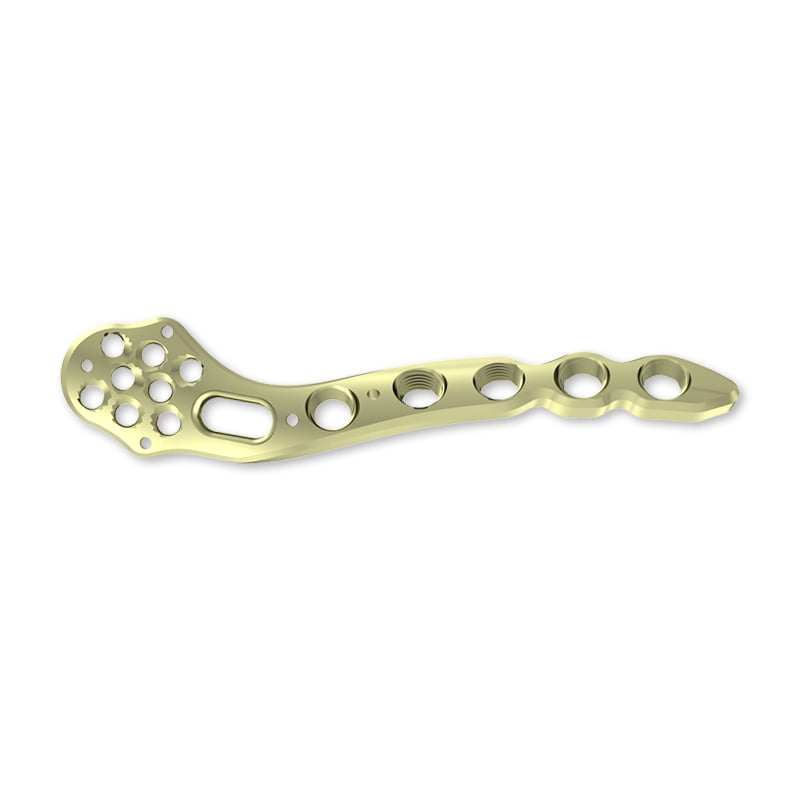
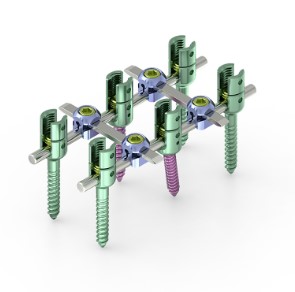
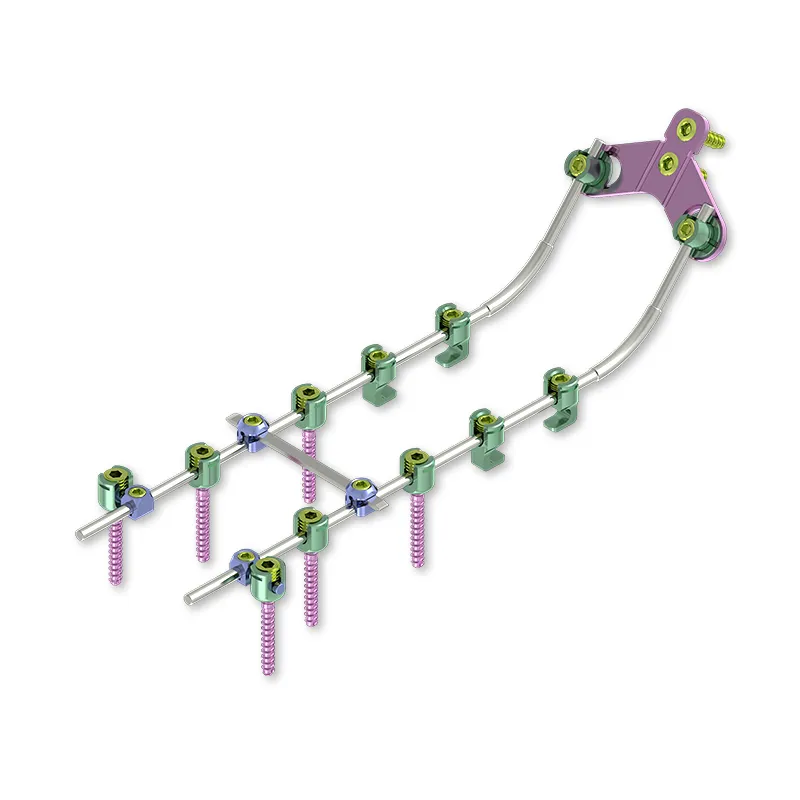
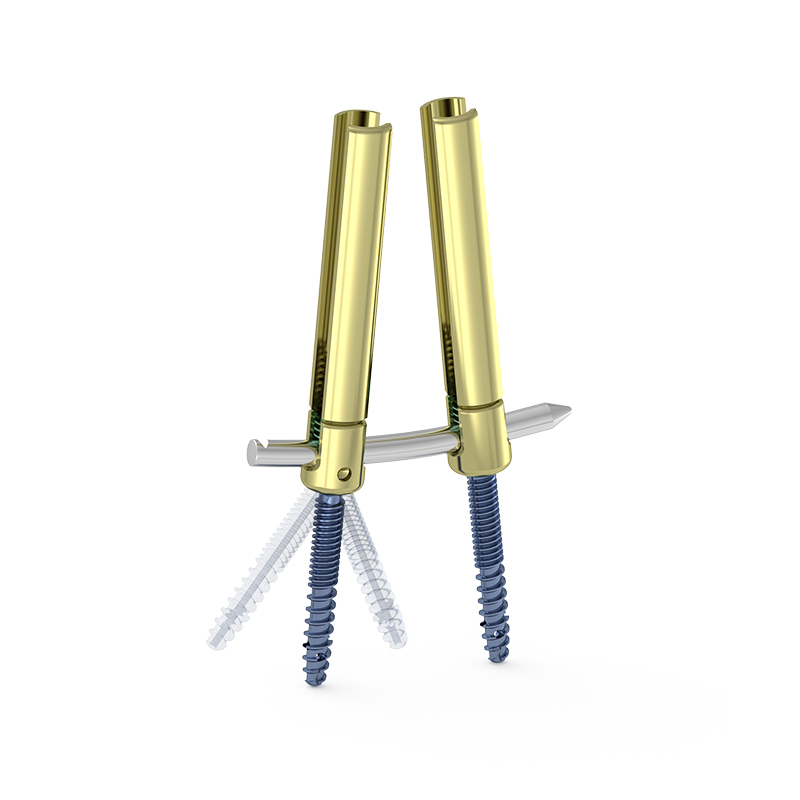
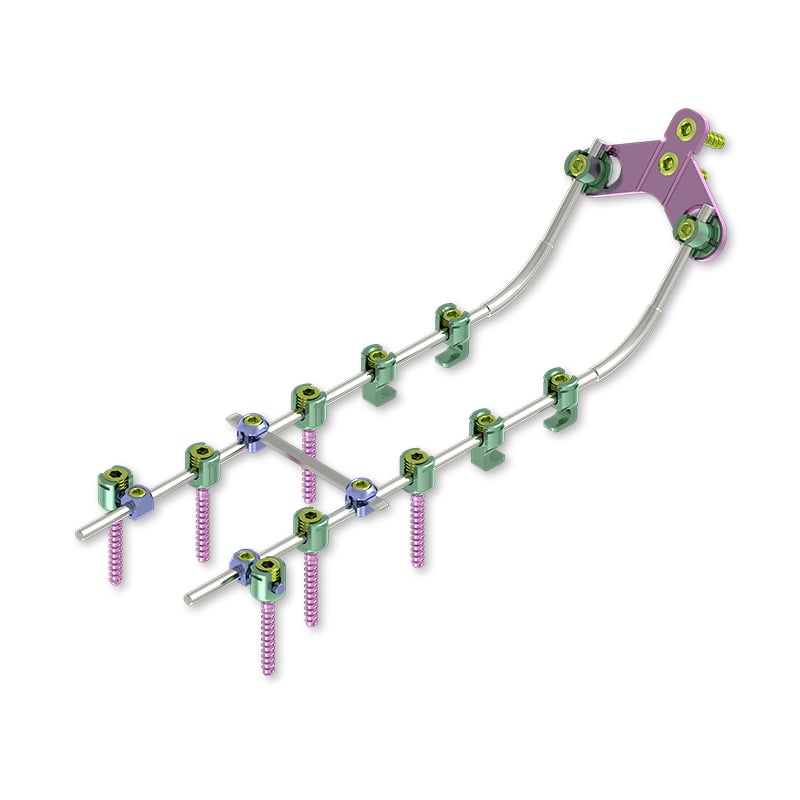
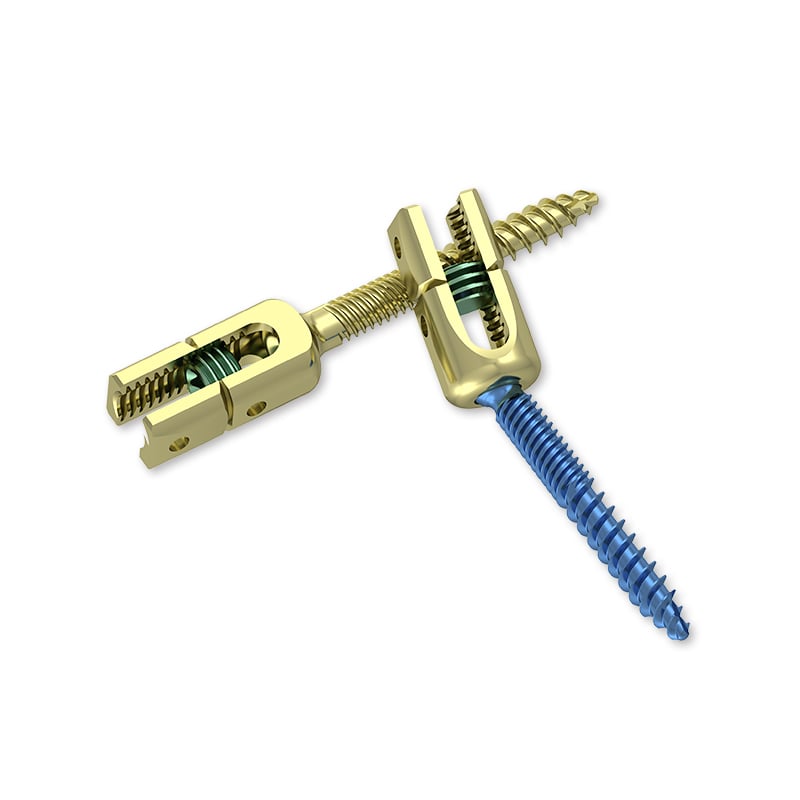
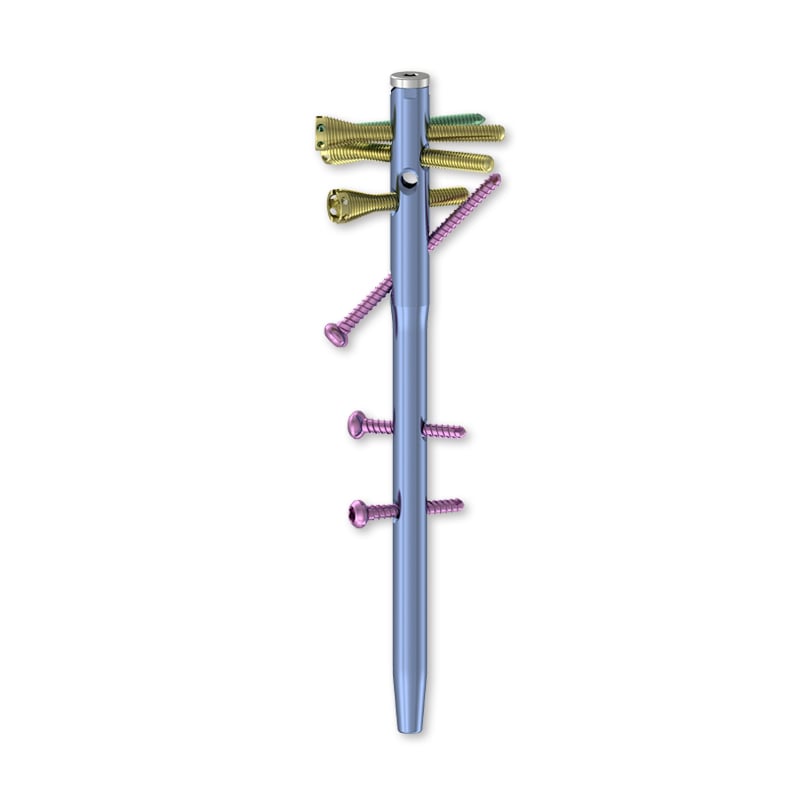
A spinal screw implant is a precision-engineered medical device designed to stabilize and support the vertebral column during spinal fusion procedures and corrective surgeries. This critical orthopedic component serves as an anchor point that securely connects rods, plates, and other instrumentation to the spine, creating a stable framework that promotes proper bone healing and alignment. The spinal screw implant works by threading directly into the pedicle or vertebral body, providing robust fixation that withstands the dynamic forces experienced during daily movement and weight-bearing activities. Modern spinal screw implant designs incorporate advanced biomechanical principles to maximize holding strength while minimizing tissue disruption. These devices are manufactured from biocompatible materials such as titanium alloy or stainless steel, ensuring long-term durability and compatibility within the human body. The spinal screw implant features specialized thread patterns, variable pitch designs, and anatomically contoured head configurations that accommodate different spinal regions and patient anatomies. Technological innovations include self-tapping capabilities that facilitate easier insertion, cannulated designs that allow guidewire-assisted placement for enhanced accuracy, and polyaxial heads that provide multi-directional angulation for optimal rod positioning. Applications span a wide range of spinal conditions including degenerative disc disease, scoliosis correction, traumatic fractures, tumor resection reconstruction, and revision surgeries. Surgeons select specific spinal screw implant specifications based on bone quality, anatomical location, patient weight, and the complexity of the spinal deformity being addressed, making these devices essential tools in contemporary spine surgery.

 EN
EN