lumbar screw
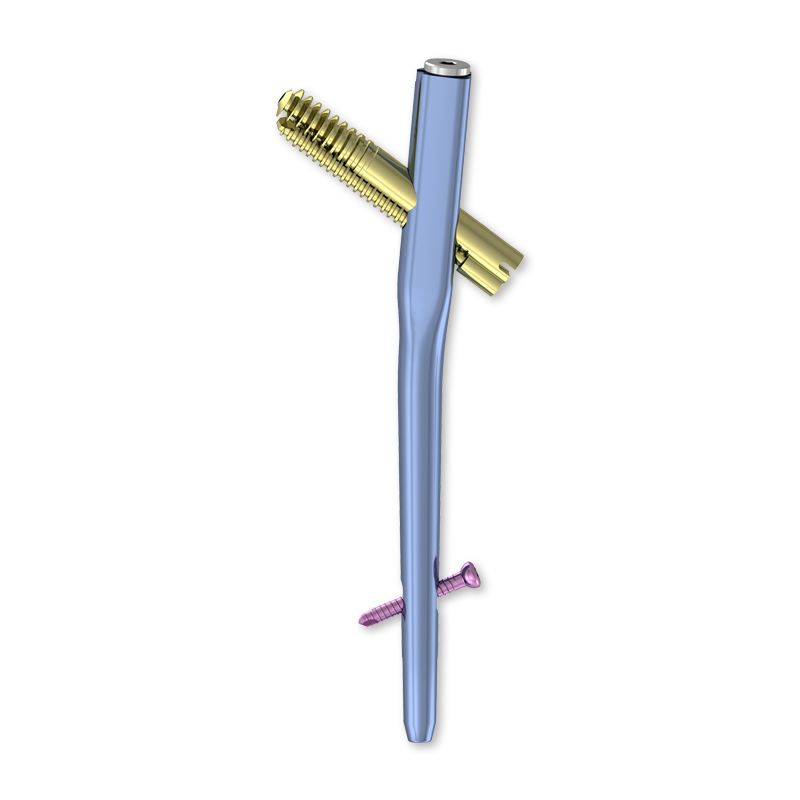
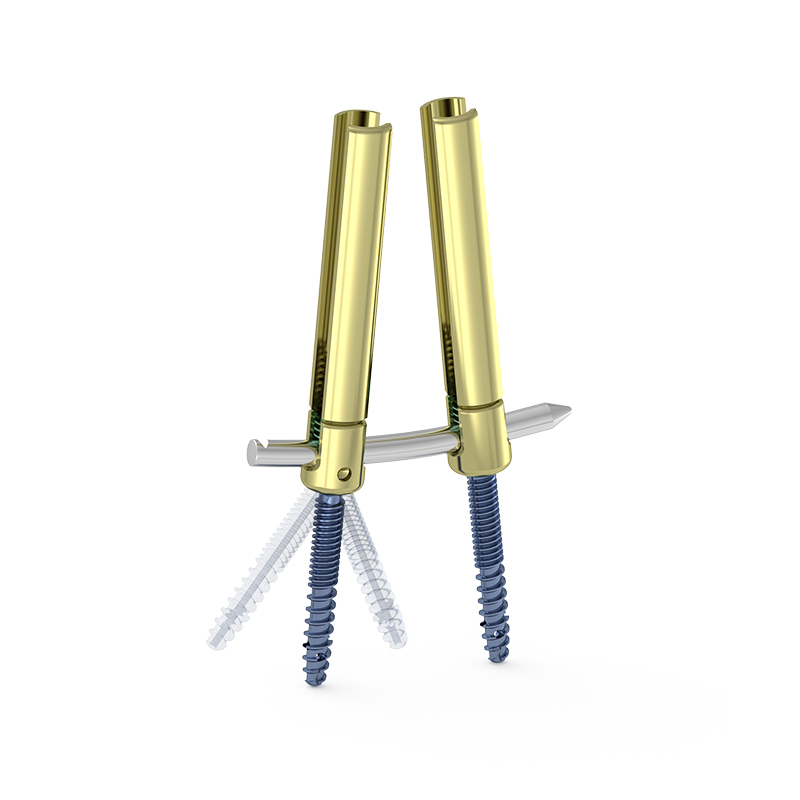
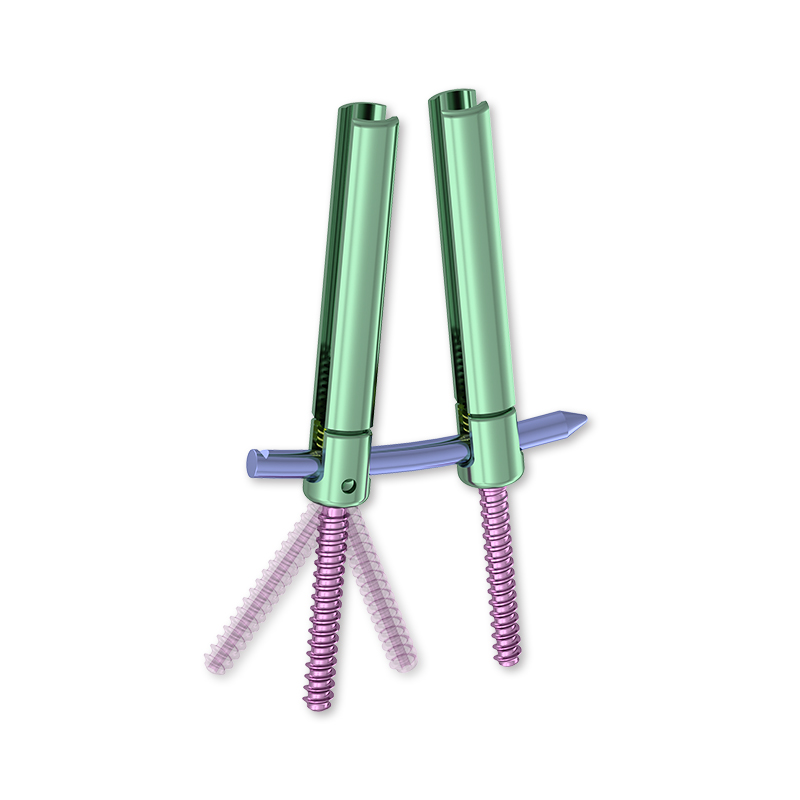
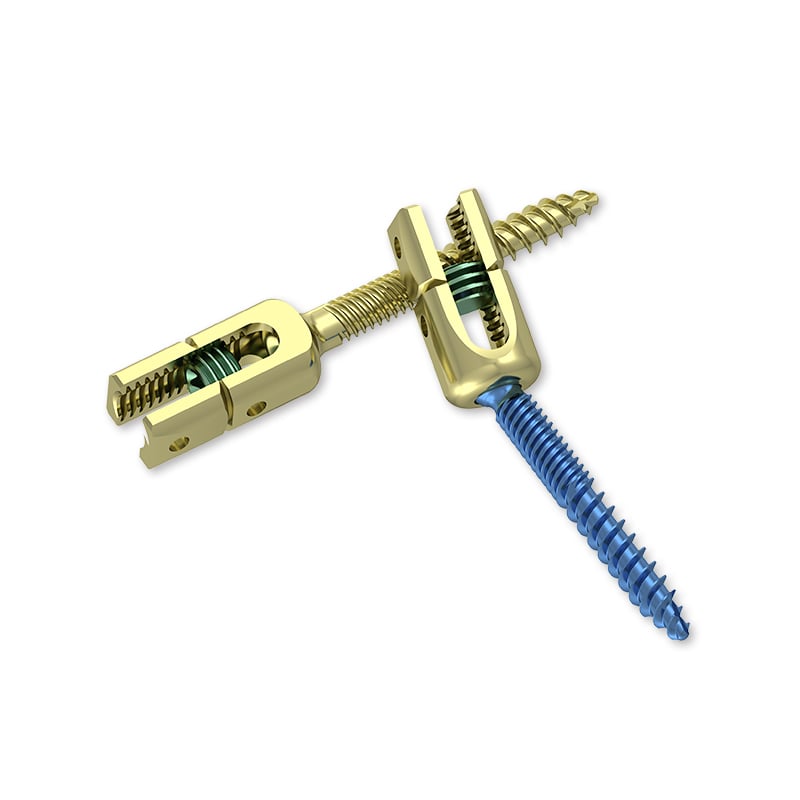
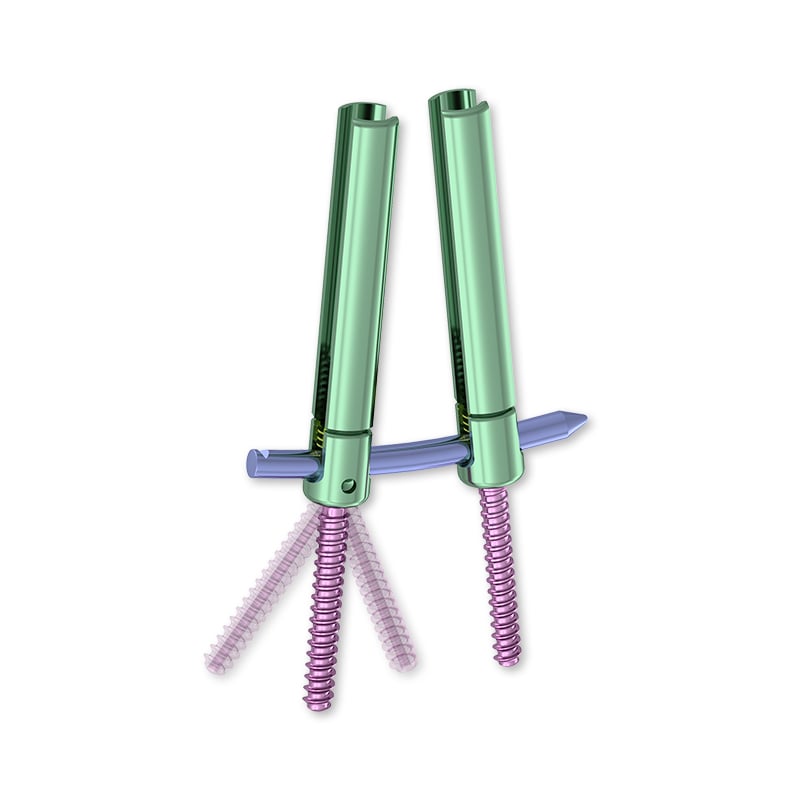
A lumbar screw is a specialized orthopedic implant designed for spinal fusion and stabilization procedures targeting the lower back region. This medical device plays a critical role in treating various spinal conditions, including degenerative disc disease, spondylolisthesis, spinal fractures, and deformities affecting the lumbar vertebrae. The lumbar screw works by anchoring into the pedicles of vertebral bodies, creating a secure foundation for rods and other instrumentation that stabilize the spine during the healing process. Manufactured from biocompatible materials such as titanium alloy or stainless steel, the lumbar screw ensures long-term durability and compatibility within the human body. These screws feature precisely engineered thread designs that maximize bone purchase and minimize the risk of loosening over time. The technological advancement in lumbar screw design includes self-tapping capabilities, which facilitate easier insertion and reduce surgical trauma. Modern lumbar screw systems incorporate polyaxial heads that allow surgeons to adjust rod placement angles, providing flexibility during complex spinal reconstructions. The applications of lumbar screw fixation extend across multiple surgical approaches, including minimally invasive techniques and traditional open procedures. Surgeons rely on these implants to restore spinal alignment, relieve nerve compression, and enable patients to regain mobility and quality of life. The effectiveness of a lumbar screw depends on proper sizing, accurate placement guided by imaging technology, and the overall surgical technique employed by experienced spine specialists.

 EN
EN