Polyaxial Spinal Screw: Advanced Spine Fixation

All Categories

Get a Free Quote

Our representative will contact you soon.
Email
Name
Company Name
Message
0/1000

polyaxial spinal screw

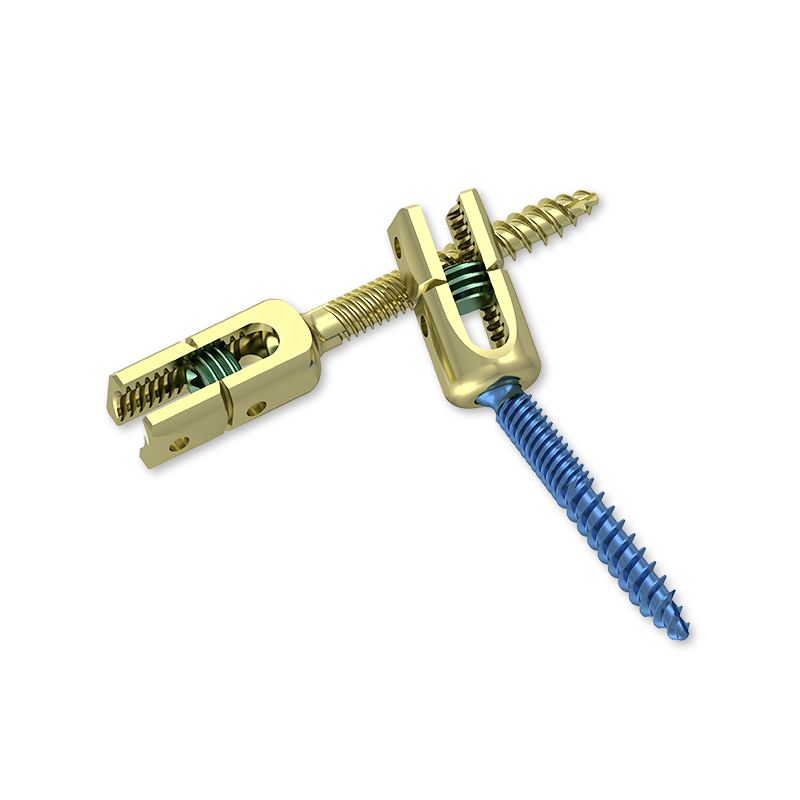
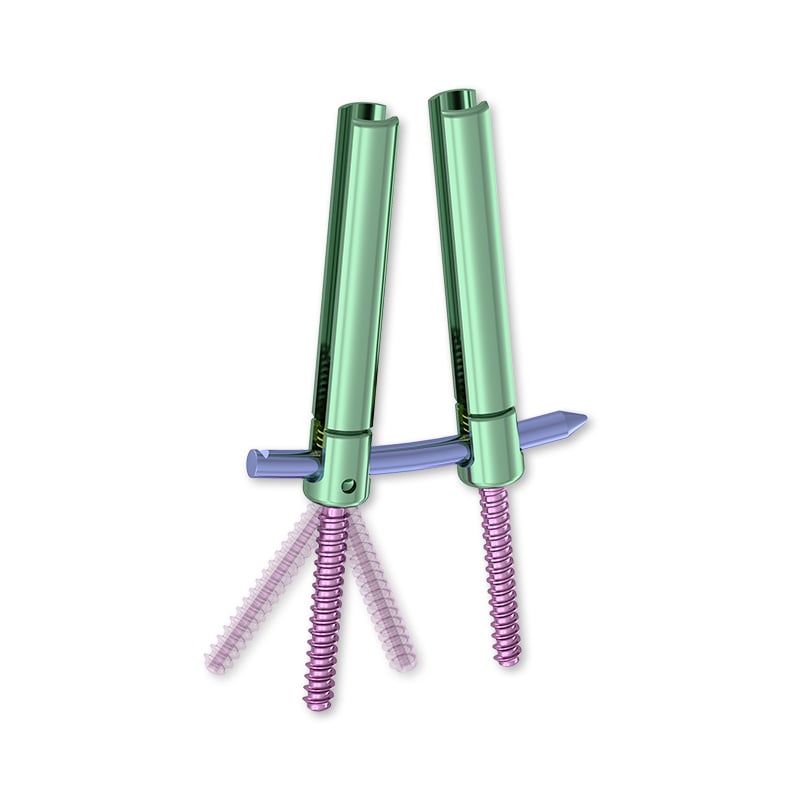
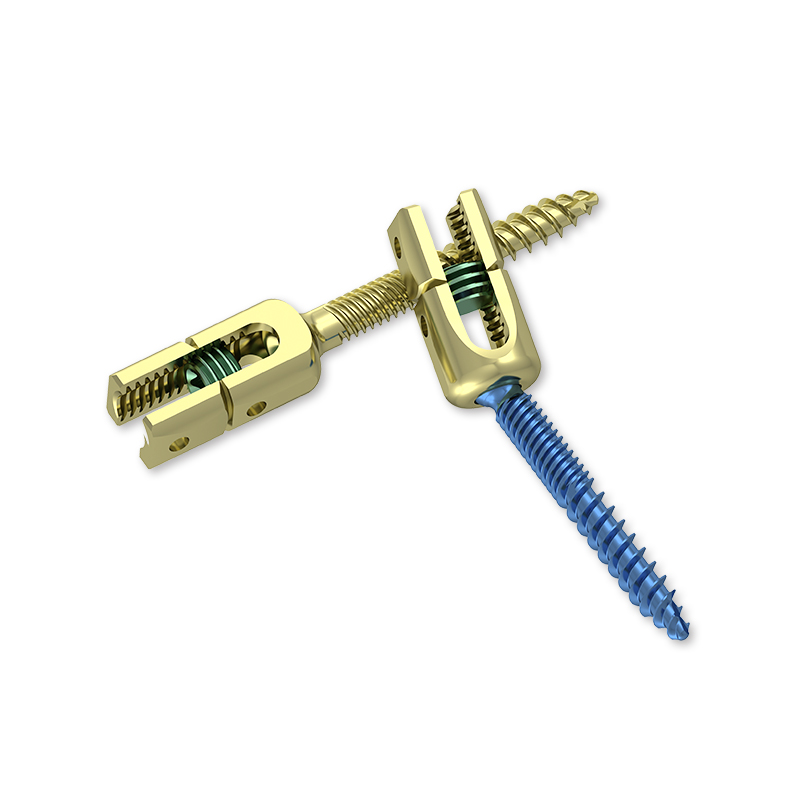
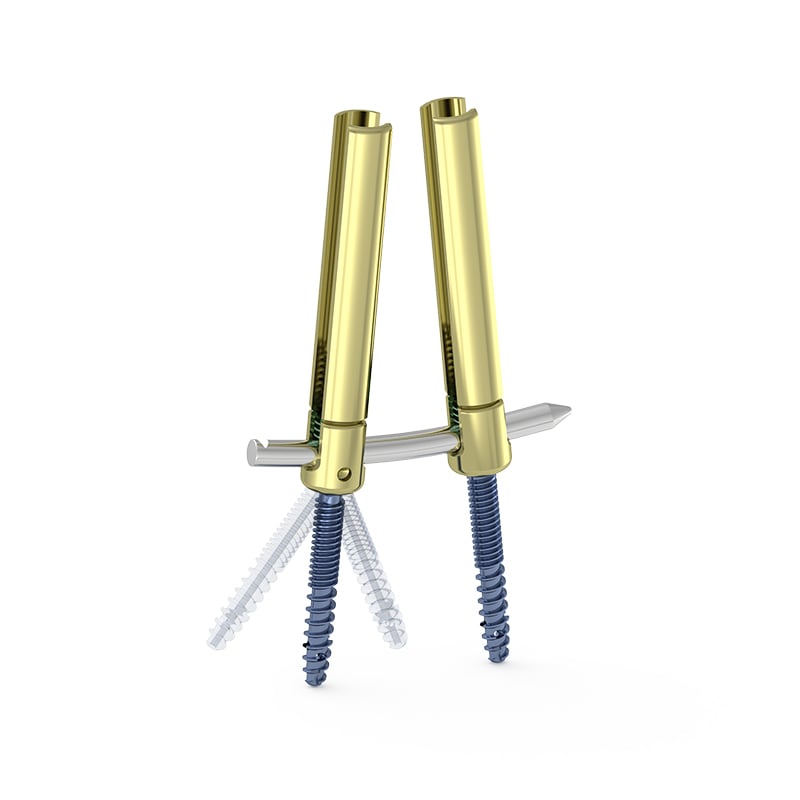
A polyaxial spinal screw represents a critical advancement in spinal fusion and stabilization surgery, designed to provide surgeons with enhanced flexibility during complex spinal procedures. This specialized medical device consists of a threaded screw body that anchors into vertebral bone and a uniquely engineered head that allows multi-directional movement before final locking. The polyaxial spinal screw enables angular adjustment in multiple planes, typically offering 25-30 degrees of movement in all directions, which proves essential when dealing with anatomical variations or challenging spinal deformities. The primary function centers on creating stable connections between vertebrae while accommodating rod placement at various angles, making it indispensable for treating conditions such as scoliosis, degenerative disc disease, spinal fractures, and spinal instability. Technological features include advanced locking mechanisms that secure the connecting rod firmly once optimal positioning is achieved, biocompatible materials such as titanium alloy or stainless steel that promote osseointegration, and precisely engineered thread designs that maximize purchase in compromised bone. Applications span across multiple surgical approaches including posterior lumbar interbody fusion, thoracic fixation, and cervical stabilization procedures. The polyaxial design significantly reduces the technical difficulty of aligning multiple screws with a connecting rod, particularly in cases involving multilevel fixation or significant spinal deformity correction. This versatility makes the polyaxial spinal screw the preferred choice for spine surgeons worldwide, supporting both minimally invasive and open surgical techniques while ensuring optimal biomechanical stability and patient outcomes.

Popular Products

The polyaxial spinal screw delivers substantial practical benefits that directly address the real-world challenges faced by surgical teams and healthcare facilities. First and foremost, the adjustable head design dramatically reduces surgical time by eliminating the need for perfect screw placement alignment, allowing surgeons to position screws based on optimal bone quality and anatomical landmarks rather than strict geometric requirements. This flexibility translates to shorter anesthesia duration, reduced patient exposure to surgical risks, and improved operating room efficiency, ultimately lowering procedural costs. The polyaxial spinal screw accommodates patient-specific anatomy variations seamlessly, making it suitable for treating diverse patient populations including those with osteoporosis, revision cases, or complex three-dimensional deformities where rigid monoaxial screws would prove inadequate or require compromise. Operational benefits extend to inventory management, as facilities can stock fewer screw variations while maintaining capability to address a broader range of surgical scenarios, optimizing supply chain efficiency and reducing capital investment in instrumentation. The robust locking mechanism ensures that once the surgeon achieves ideal rod positioning and applies the set screw, the construct maintains rigid stability throughout the healing process, supporting successful fusion and minimizing hardware failure rates. For decision-makers evaluating spinal instrumentation options, the polyaxial spinal screw represents proven technology with extensive clinical evidence demonstrating safety and efficacy across multiple indications. The device supports both traditional open approaches and modern minimally invasive techniques, protecting your investment as surgical methods evolve. Surgeons appreciate the tactile feedback during tightening and the confidence that comes from reliable performance, while patients benefit from improved surgical outcomes, reduced complication rates, and faster recovery times, making the polyaxial spinal screw an essential component of contemporary spine surgery programs.

Latest News

How Do Pedicle Screw Systems Support Scoliosis Correction Surgery?

02

Jun

How Do Pedicle Screw Systems Support Scoliosis Correction Surgery?

Scoliosis correction surgery is one of the most technically demanding procedures in modern spinal orthopedics. The ability to realign a severely curved spine, restore sagittal balance, and maintain long-term structural integrity depends heavily on th...
View More
How Does Pedicle Screw Design Enhance Pullout Strength and Stability?

02

Jun

How Does Pedicle Screw Design Enhance Pullout Strength and Stability?

In modern spinal surgery, fixation reliability is not a secondary consideration — it is the foundation upon which patient outcomes are built. The pedicle screw has become the cornerstone of posterior spinal instrumentation, offering surgeons a ...
View More
What Role Does Spinal Screw Play in Complex Spinal Reconstruction?

06

Jul

What Role Does Spinal Screw Play in Complex Spinal Reconstruction?

In complex spinal reconstruction procedures, every implant must perform with precision and reliability. The spinal screw is one of the most critical components in these surgeries, serving as the primary anchor that holds rods, connectors, and bone se...
View More
How Does Spinal Screw Improve Outcomes in Scoliosis Correction Surgery?

06

Jul

How Does Spinal Screw Improve Outcomes in Scoliosis Correction Surgery?

Scoliosis correction surgery is one of the most technically demanding procedures in spinal care, requiring precise instrumentation to restore alignment and maintain long-term stability. At the center of modern surgical technique, the spinal screw has...
View More

Get a Free Quote

Our representative will contact you soon.
Email
Name
Company Name
Message
0/1000

polyaxial spinal screw

Multi-Directional Angulation Freedom

Multi-Directional Angulation Freedom

The defining characteristic of the polyaxial spinal screw lies in its ability to provide exceptional angular adjustment freedom, typically ranging from 25 to 30 degrees in all directions before final locking. This multi-directional capability proves invaluable when surgeons must accommodate anatomical variations, patient-specific spinal curvatures, or challenging revision scenarios where previous hardware limits ideal screw placement. Unlike monoaxial screws that require precise predetermined angles, the polyaxial design allows the connecting rod to be positioned after all screws are inserted, with each screw head independently adjusting to meet the rod rather than forcing the rod to align with fixed screw heads. This engineering advantage significantly reduces the technical complexity of multilevel constructs and deformity correction procedures. Surgeons can focus on achieving optimal bone purchase and avoiding critical neurovascular structures during screw insertion, knowing that subsequent rod placement will accommodate these choices. The spherical interface between the screw tulip and the locking mechanism maintains this adjustability throughout the procedure until the final tightening sequence, providing both flexibility during assembly and rigid stability once locked, ultimately contributing to higher surgical success rates and improved patient safety profiles.
Enhanced Surgical Efficiency and Reduced Complications

Enhanced Surgical Efficiency and Reduced Complications

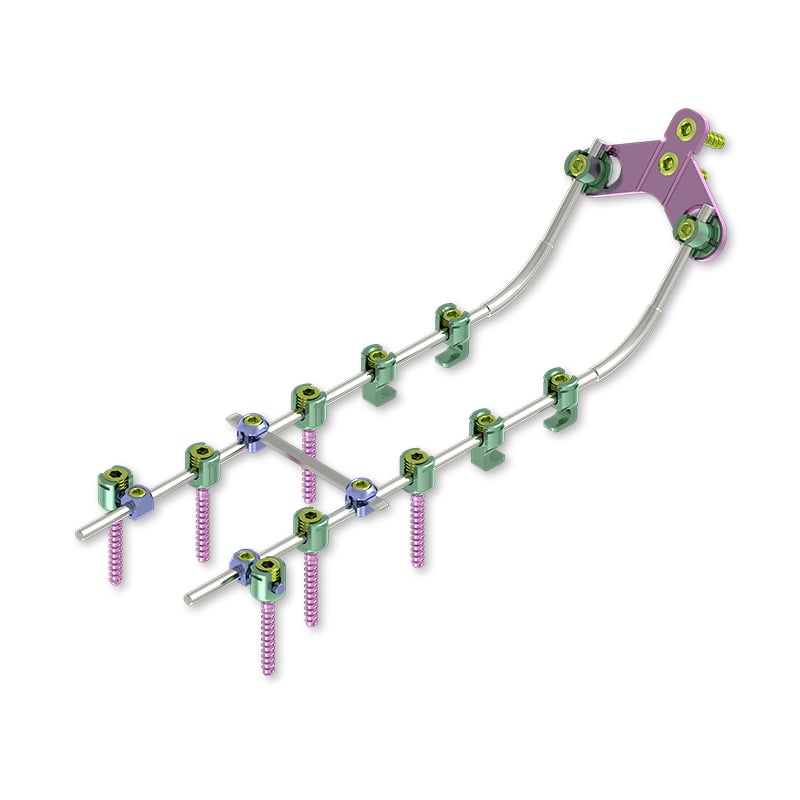
The polyaxial spinal screw substantially improves surgical workflow efficiency while simultaneously reducing the risk of intraoperative complications that can extend procedures or compromise outcomes. By eliminating the need for perfect angular alignment during screw placement, surgical teams experience fewer instances where screws must be repositioned or replaced due to incompatibility with rod placement, directly reducing fluoroscopy time, tissue trauma, and blood loss. This efficiency gain becomes particularly pronounced in complex cases involving multilevel fixation, where the cumulative benefit of individual screw adjustability dramatically simplifies the challenge of aligning four, six, or more screws with connecting rods. The reduced technical difficulty translates to a flatter learning curve for surgeons developing their skills and more consistent outcomes across varying levels of surgical experience. Furthermore, the polyaxial spinal screw minimizes the risk of rod contouring errors, as the adjustable heads accommodate minor discrepancies in rod shape without creating stress concentrations that could lead to hardware failure. Operating room personnel appreciate the streamlined instrumentation sequence, while anesthesia teams benefit from more predictable procedure durations, contributing to improved scheduling reliability and facility throughput without compromising the meticulous attention to detail that spinal surgery demands.
Superior Biomechanical Stability and Clinical Outcomes

Superior Biomechanical Stability and Clinical Outcomes

Despite its adjustability during insertion, the polyaxial spinal screw delivers biomechanical stability equivalent to or exceeding that of rigid fixation systems once the locking mechanism is fully engaged. Advanced engineering ensures that the set screw interface creates firm compression between the tulip head, rod, and internal locking components, eliminating micromotion that could compromise fusion or lead to hardware loosening. Clinical studies consistently demonstrate that constructs utilizing polyaxial spinal screws achieve fusion rates comparable to traditional methods while offering advantages in managing complex pathologies. The ability to optimize individual screw placement based on bone quality rather than geometric constraints means surgeons can achieve superior purchase in patients with osteoporosis or compromised bone stock, directly addressing one of the primary risk factors for fixation failure. The polyaxial design also distributes mechanical loads more favorably across the construct by allowing natural load-sharing between components rather than creating stress concentrations at rigid connection points. Long-term follow-up data supports durability and reliability, with low rates of screw loosening, rod breakage, or pseudoarthrosis when proper surgical technique is employed. For healthcare providers focused on value-based care metrics, the polyaxial spinal screw contributes to improved patient-reported outcomes, reduced revision surgery rates, and enhanced quality measures that increasingly define reimbursement and institutional reputation.

Get a Free Quote

Our representative will contact you soon.
Email
Name
Company Name
Message
0/1000
Newsletter
Please Leave A Message With Us