Spinal Bone Screw: Advanced Fixation Solutions

All Categories

Get a Free Quote

Our representative will contact you soon.
Email
Name
Company Name
Message
0/1000

spinal bone screw

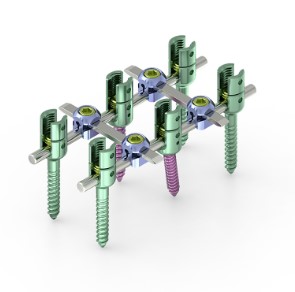
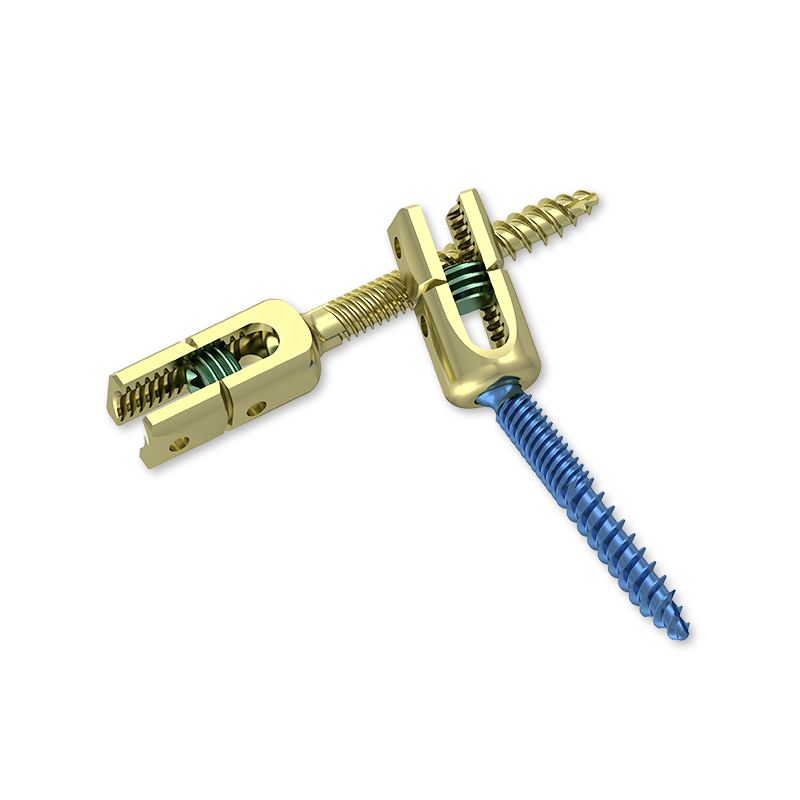
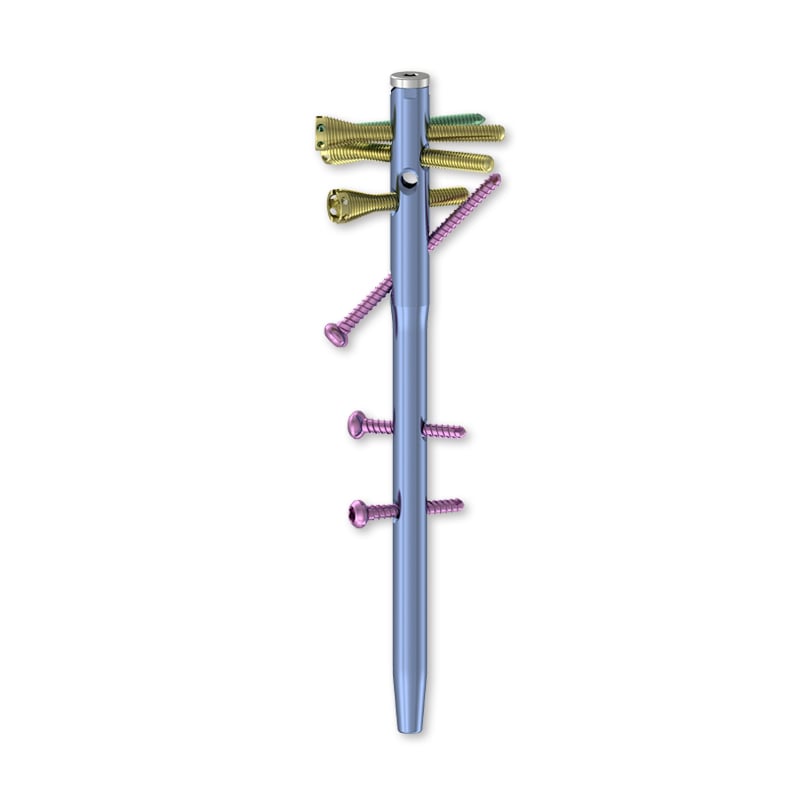
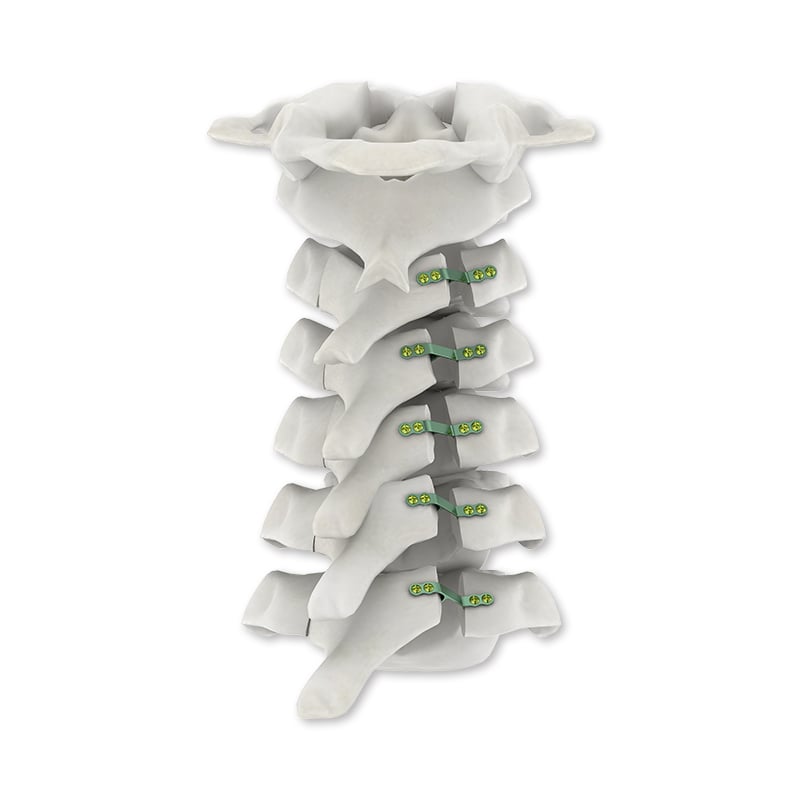
A spinal bone screw is a specialized orthopedic implant designed to stabilize and support the vertebral column during spinal fusion and corrective procedures. This precision-engineered device serves as a critical anchoring component that secures instrumentation to the vertebrae, enabling surgeons to correct spinal deformities, treat degenerative conditions, and restore proper spinal alignment. The spinal bone screw features advanced threading patterns that optimize purchase in bone tissue, while its carefully designed head geometry accommodates various rod configurations and locking mechanisms. Manufactured from biocompatible materials such as titanium alloy or stainless steel, these screws provide exceptional strength-to-weight ratios and corrosion resistance within the physiological environment. Modern spinal bone screw systems incorporate cannulated designs that facilitate percutaneous insertion techniques, reducing surgical invasiveness and promoting faster patient recovery. The technological sophistication of these implants includes self-tapping capabilities, which eliminate the need for pre-tapping during insertion, and low-profile head designs that minimize soft tissue irritation. Applications span a comprehensive range of spinal pathologies, including spondylolisthesis, scoliosis, kyphosis, traumatic fractures, and tumor-related instabilities. Surgeons rely on spinal bone screw technology for both traditional open procedures and minimally invasive surgical approaches, with various diameter and length options accommodating diverse anatomical requirements across cervical, thoracic, and lumbar regions. The integration of imaging compatibility ensures these devices work seamlessly with intraoperative navigation systems, enhancing placement accuracy and patient safety throughout complex reconstructive procedures.

Popular Products

Choosing the right spinal bone screw offers substantial benefits that directly impact surgical outcomes and patient satisfaction. These implants provide superior fixation strength, which translates to more reliable spinal stabilization during the critical healing period following surgery. Patients experience reduced pain and faster return to daily activities because the robust anchoring prevents unwanted motion at fusion sites. The advanced design of modern spinal bone screw systems enables surgeons to work more efficiently, shortening operating room time and reducing anesthesia exposure for patients. This efficiency benefit also means lower overall healthcare costs for facilities and patients alike. The polyaxial head options available in premium spinal bone screw designs allow surgeons to adjust rod placement angles even after screw insertion, accommodating individual anatomical variations without compromising fixation integrity. This adaptability proves particularly valuable in complex deformity corrections where precise alignment is essential. From a practical standpoint, the biocompatible materials used in manufacturing these screws minimize the risk of adverse reactions, promoting better integration with surrounding bone tissue. Patients benefit from reduced inflammation and improved long-term stability. The cannulated design feature facilitates minimally invasive insertion techniques, resulting in smaller incisions, less muscle damage, and significantly reduced postoperative discomfort. Recovery times decrease markedly, allowing patients to resume work and recreational activities sooner. For surgical teams, the standardized instrumentation compatible with spinal bone screw systems simplifies inventory management and reduces training requirements. The radiopaque properties ensure excellent visualization under fluoroscopy, giving surgeons confidence in accurate placement throughout procedures. These combined advantages make spinal bone screw technology an investment in both immediate surgical success and sustained patient wellbeing across diverse clinical scenarios.

Practical Tips

What Are the Main Types of Orthopedic Implants Used in Trauma Surgery?

02

Jun

What Are the Main Types of Orthopedic Implants Used in Trauma Surgery?

When a patient sustains a serious bone fracture or joint injury, the goal of trauma surgery is to restore stability, alignment, and function as efficiently and safely as possible. Central to achieving that goal are orthopedic implants — precisi...
View More
What Are the Differences Between Monoaxial and Polyaxial Pedicle Screw?

02

Jun

What Are the Differences Between Monoaxial and Polyaxial Pedicle Screw?

In spinal surgery, choosing the right implant can directly influence surgical outcomes, patient recovery, and long-term construct stability. Among the most critical decisions a spine surgeon faces is selecting the appropriate type of pedicle screw fo...
View More
How Do Spinal Screw Systems Perform in Osteoporotic Patients?

06

Jul

How Do Spinal Screw Systems Perform in Osteoporotic Patients?

When a surgeon places a spinal screw into osteoporotic bone, the mechanical environment is fundamentally different from that of healthy vertebral bone. Osteoporosis reduces bone mineral density and disrupts trabecular architecture, leaving the cancel...
View More
How Does Spinal Screw Fixation Improve Stability in Spinal Fusion Surgery?

06

Jul

How Does Spinal Screw Fixation Improve Stability in Spinal Fusion Surgery?

Spinal fusion surgery is one of the most common and technically demanding procedures in orthopedic and neurosurgical practice. At the heart of this procedure lies a critical mechanical principle: the spine must be held in precise alignment while bone...
View More

Get a Free Quote

Our representative will contact you soon.
Email
Name
Company Name
Message
0/1000

spinal bone screw

Advanced Thread Design for Superior Bone Purchase

Advanced Thread Design for Superior Bone Purchase

The spinal bone screw incorporates sophisticated thread geometry that maximizes contact with bone tissue, delivering exceptional pullout resistance and long-term fixation stability. This engineering achievement stems from extensive biomechanical research that optimized thread pitch, depth, and profile to distribute mechanical loads evenly across the bone-implant interface. The variable thread design adapts to different bone densities encountered throughout the spine, providing reliable anchoring in both healthy and osteoporotic bone conditions. Surgeons appreciate how this feature reduces the risk of screw loosening, a complication that historically required revision procedures. For patients, superior bone purchase translates to more predictable fusion outcomes and reduced likelihood of hardware failure. The self-drilling and self-tapping capabilities inherent in the thread design streamline the insertion process, eliminating additional surgical steps and minimizing bone trauma during placement. This efficiency benefit contributes to shorter procedure times and reduced blood loss. The thread architecture also promotes osseointegration by creating microenvironments conducive to bone growth along the screw surface, enhancing biological fixation over time and creating a more permanent stabilization solution for patients requiring long-term spinal support.
Polyaxial Head Technology for Surgical Flexibility

Polyaxial Head Technology for Surgical Flexibility

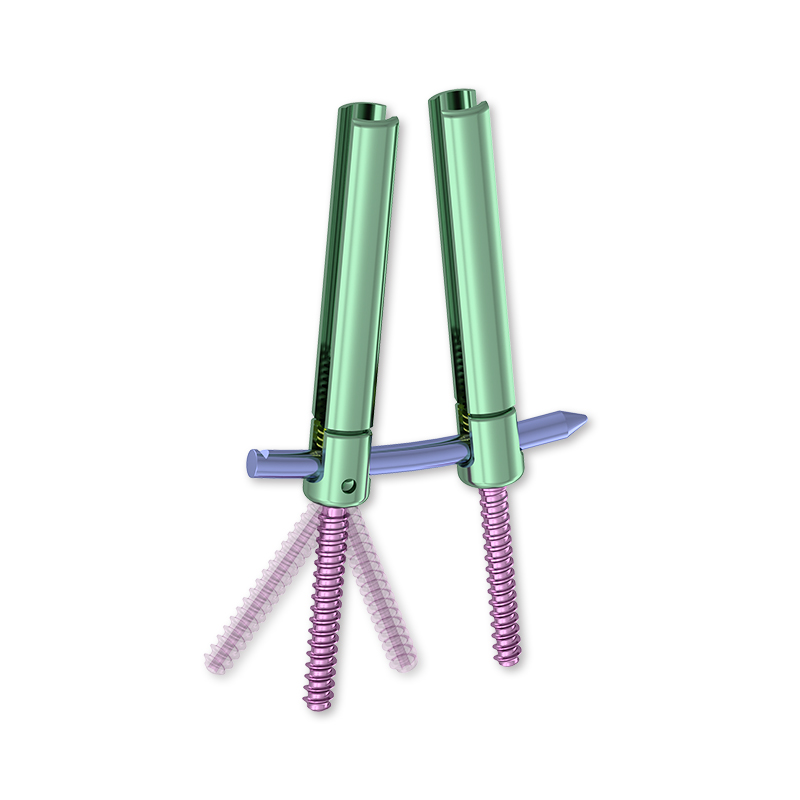
Modern spinal bone screw systems feature polyaxial head mechanisms that revolutionize surgical technique by permitting multi-directional rod placement after screw insertion. This innovative design element addresses a fundamental challenge in spinal reconstruction where anatomical variations and correction requirements demand adaptable instrumentation. The polyaxial capability allows surgeons to adjust rod angles up to 40 degrees in multiple planes, accommodating individual patient anatomy without compromising fixation strength. This flexibility proves invaluable during complex deformity corrections where achieving optimal spinal alignment requires precise rod contouring and positioning. Patients benefit from more anatomically accurate corrections that better restore natural spinal curves and mechanical function. The locking mechanism within the polyaxial head secures the rod firmly once the desired position is achieved, maintaining the correction throughout the healing process. Surgical teams value how this technology reduces the need for screw repositioning, which can damage bone and prolong operative time. The low-profile polyaxial head design minimizes prominence beneath soft tissues, reducing postoperative discomfort and the risk of painful hardware prominence that sometimes necessitates removal. For healthcare facilities, the versatility of polyaxial spinal bone screw systems consolidates inventory requirements, as fewer specialized components are needed to address diverse surgical scenarios.
Biocompatible Materials for Optimal Integration

Biocompatible Materials for Optimal Integration

The spinal bone screw is manufactured from premium-grade titanium alloy or medical-grade stainless steel, materials selected for their exceptional biocompatibility and mechanical properties within the human body. Titanium alloys offer an ideal combination of high tensile strength, low elastic modulus that more closely matches bone, and outstanding corrosion resistance in physiological environments. These material characteristics minimize stress shielding effects that can lead to bone resorption around implants, promoting healthier long-term bone-implant interfaces. Patients with metal sensitivities particularly benefit from titanium's hypoallergenic properties, which reduce the incidence of inflammatory reactions and implant intolerance. The surface treatments applied during manufacturing, including anodization and micro-texturing, enhance osseointegration by providing favorable surfaces for bone cell attachment and proliferation. This biological integration creates a more stable construct over time compared to purely mechanical fixation. The radiopaque nature of these materials ensures excellent visibility under imaging modalities, allowing surgeons to verify spinal bone screw placement accurately during surgery and in postoperative assessments. The materials maintain their mechanical integrity throughout the demanding loading cycles experienced in the spine, resisting fatigue failure even under repetitive stress. For patients requiring magnetic resonance imaging after surgery, titanium spinal bone screw options offer MRI compatibility with minimal artifact generation, enabling clear visualization of surrounding tissues during follow-up care.

Get a Free Quote

Our representative will contact you soon.
Email
Name
Company Name
Message
0/1000
Newsletter
Please Leave A Message With Us