orthopedic implants for fracture fixation
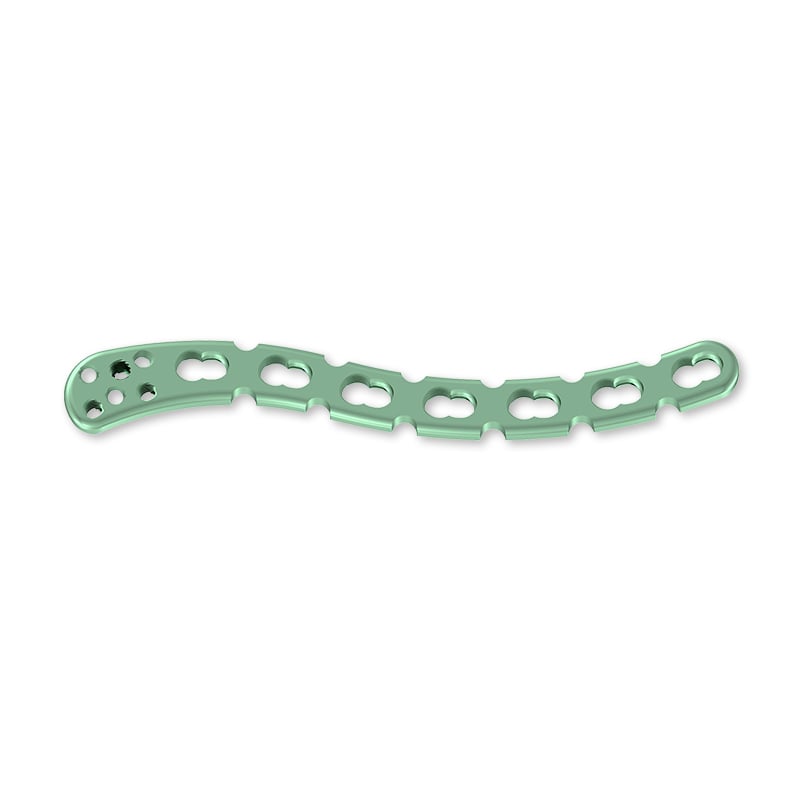
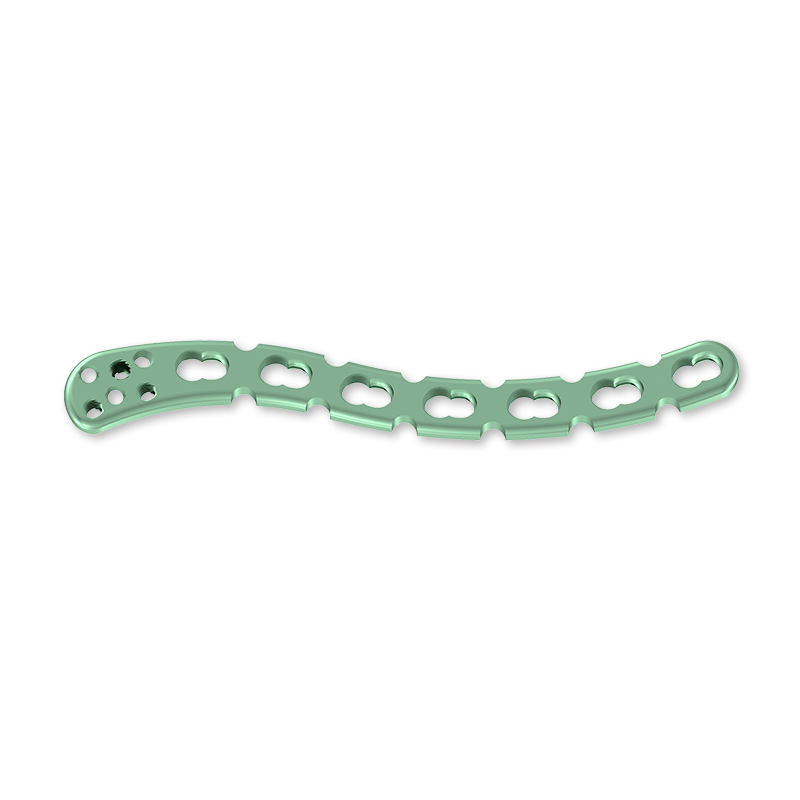
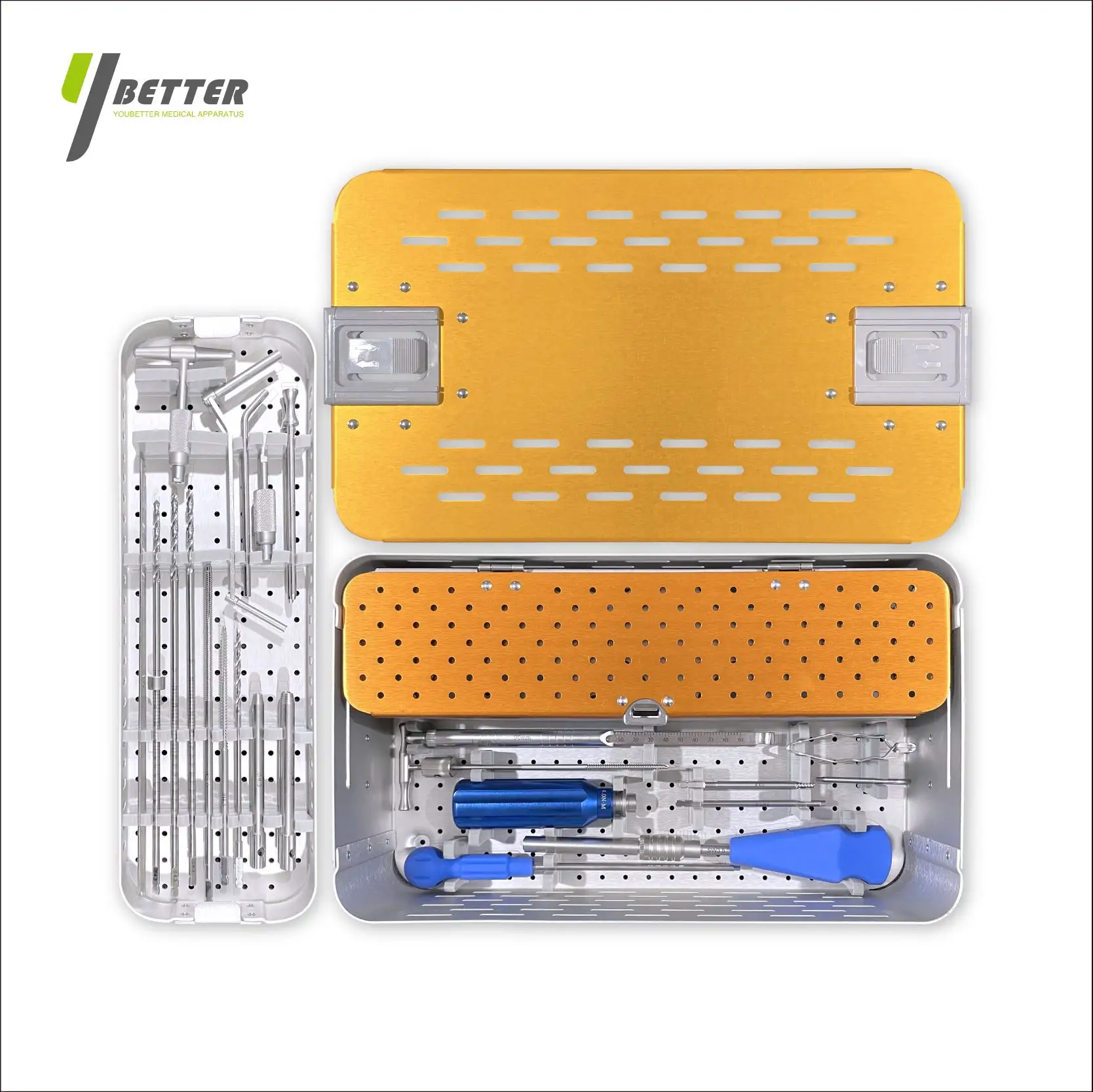
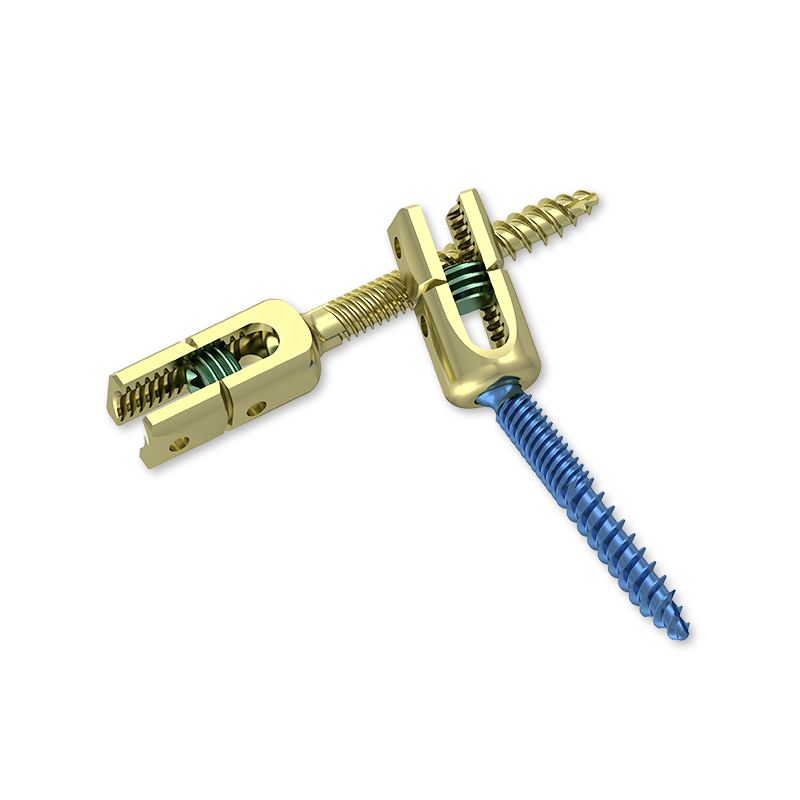
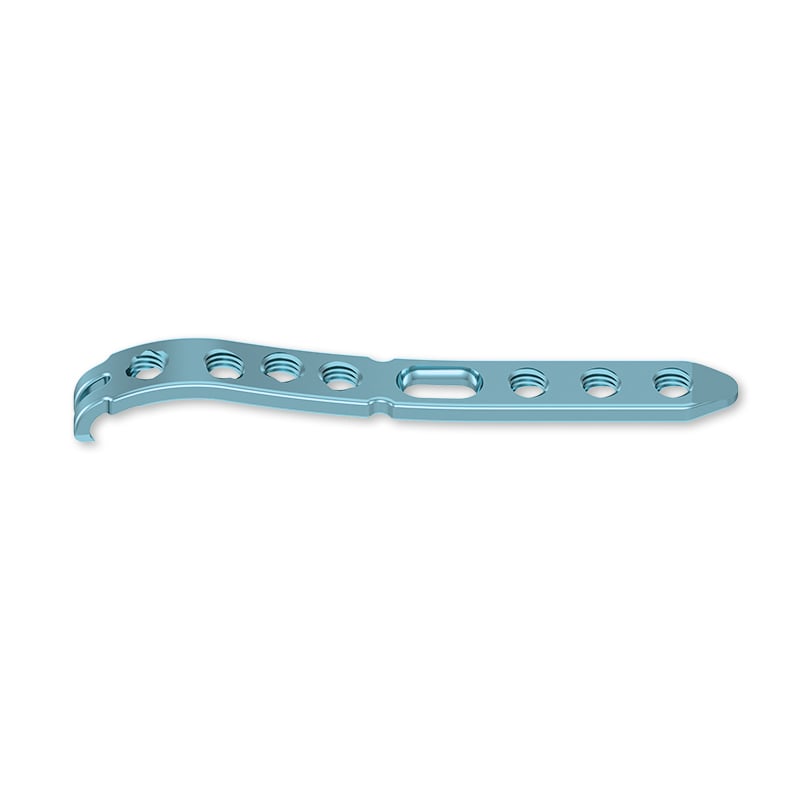
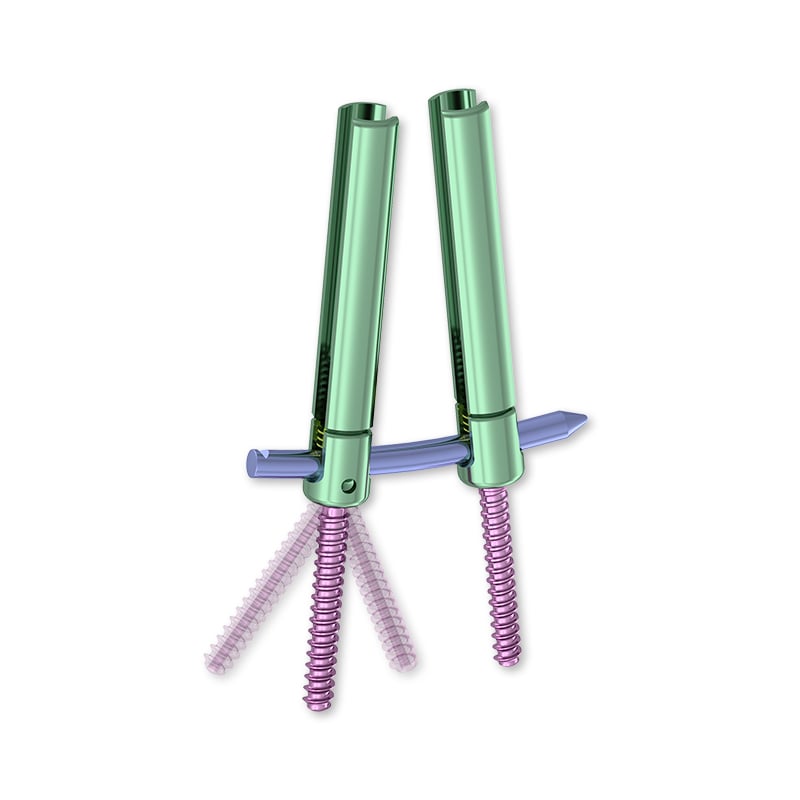
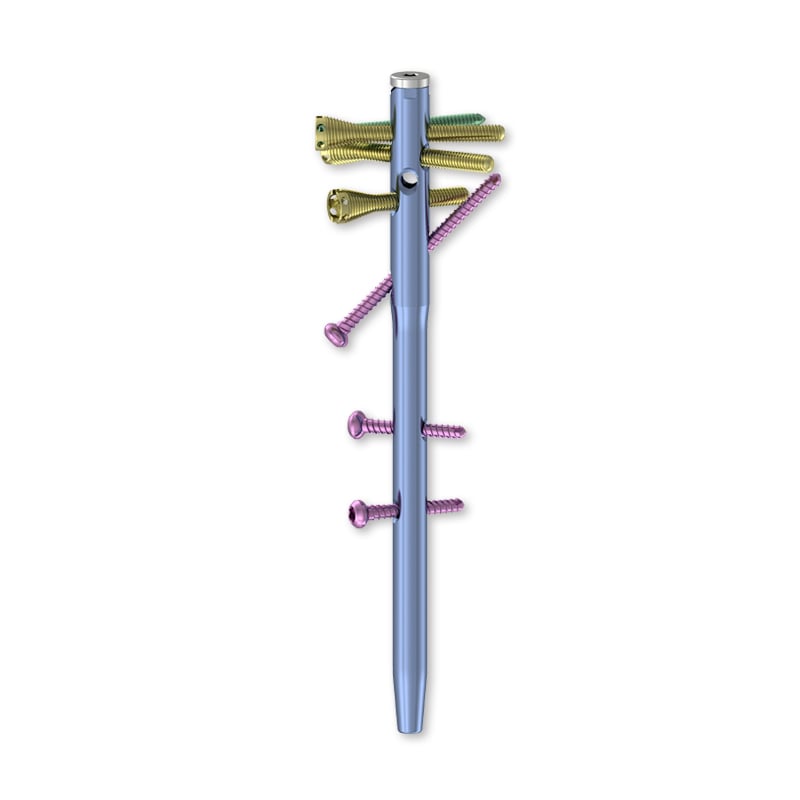
Orthopedic implants for fracture fixation represent advanced medical devices designed to stabilize and support broken bones during the healing process. These sophisticated surgical solutions include plates, screws, rods, nails, pins, and wires manufactured from biocompatible materials such as titanium alloys, stainless steel, and specialized polymers. The primary function of orthopedic implants for fracture fixation is to maintain proper bone alignment while facilitating natural healing, enabling patients to recover mobility and strength more effectively. Modern orthopedic implants for fracture fixation incorporate innovative technological features including anatomically contoured designs that match bone geometry, locking mechanisms that provide enhanced stability, and minimally invasive insertion techniques that reduce surgical trauma. These devices utilize compression and neutralization principles to promote bone union while distributing mechanical loads appropriately across the fracture site. Applications span multiple anatomical regions including the spine, pelvis, femur, tibia, humerus, radius, ulna, and small bones of hands and feet. Surgeons select specific orthopedic implants for fracture fixation based on fracture type, location, patient age, bone quality, and activity requirements. The devices accommodate simple transverse fractures, complex comminuted breaks, and challenging periarticular injuries. Advanced surface treatments and coatings enhance osseointegration, while modular systems offer surgical flexibility. Whether addressing traumatic injuries from accidents, pathological fractures from disease, or stress fractures from repetitive loading, orthopedic implants for fracture fixation provide reliable structural support that enables predictable outcomes and improved patient quality of life throughout the recovery journey.

 EN
EN