Modular Pedicle Screw Systems | Versatile Spine

All Categories

Get a Free Quote

Our representative will contact you soon.
Email
Name
Company Name
Message
0/1000

modular pedicle screw

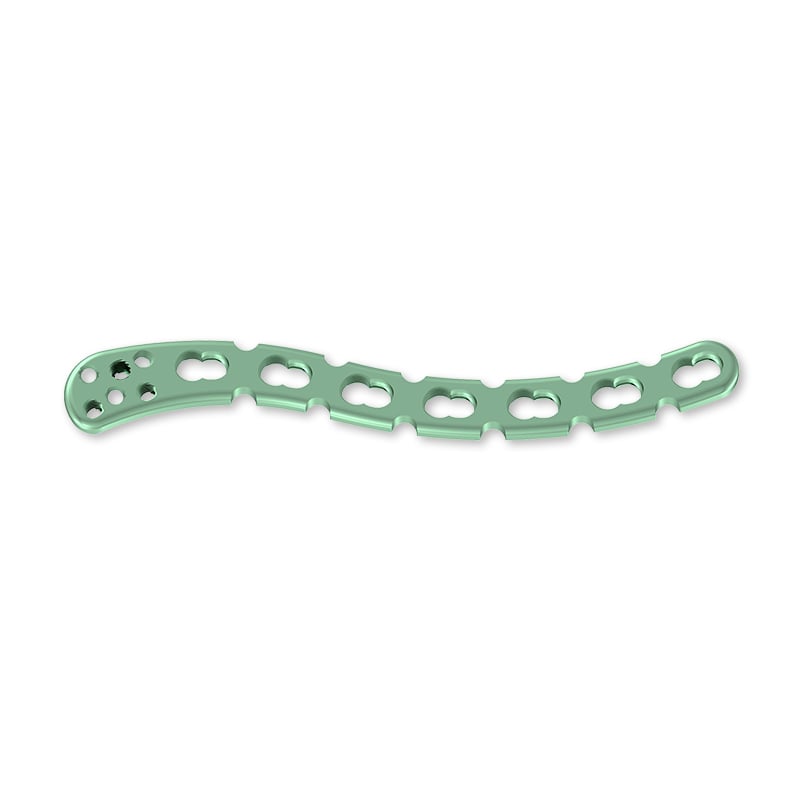
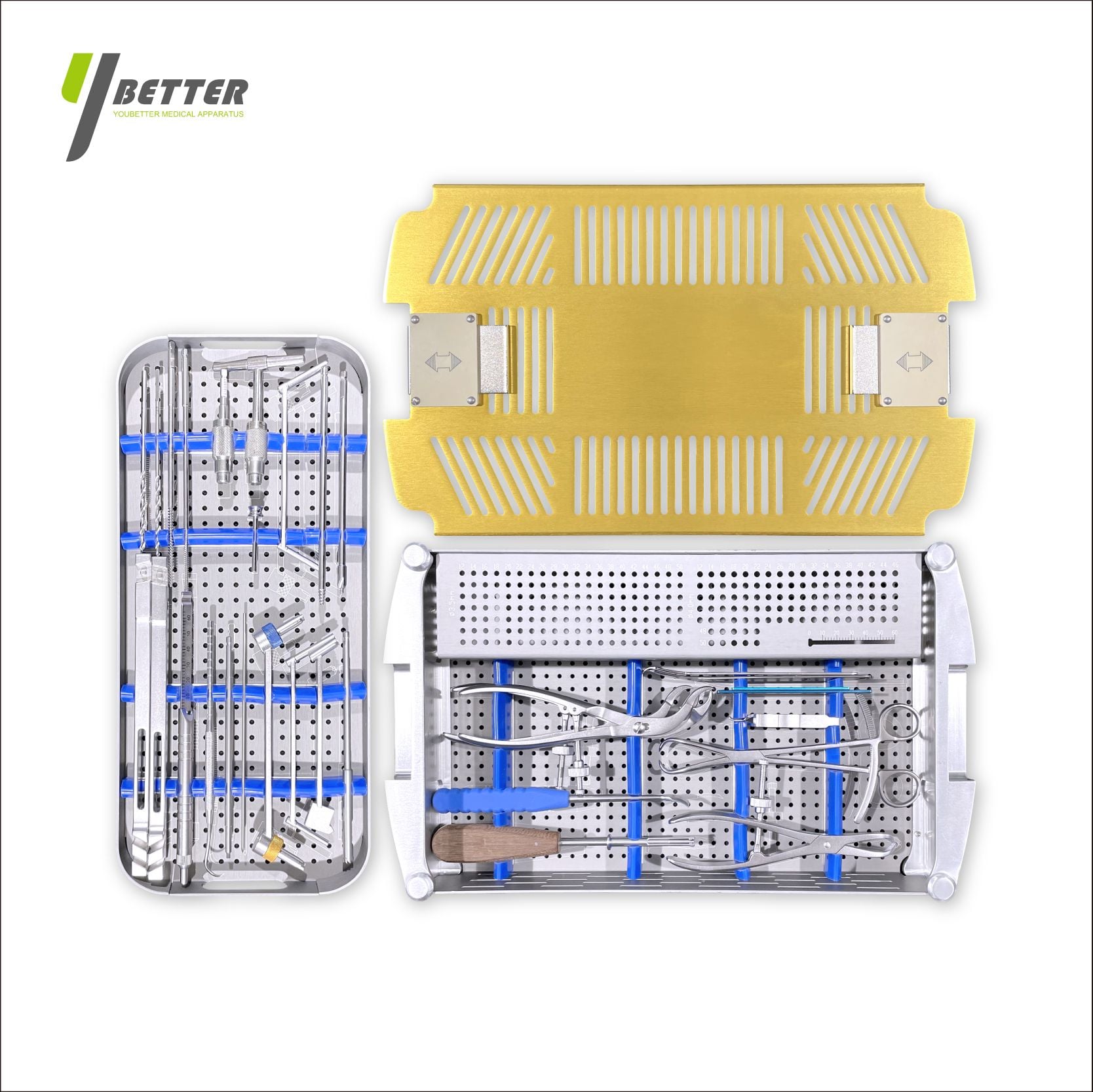
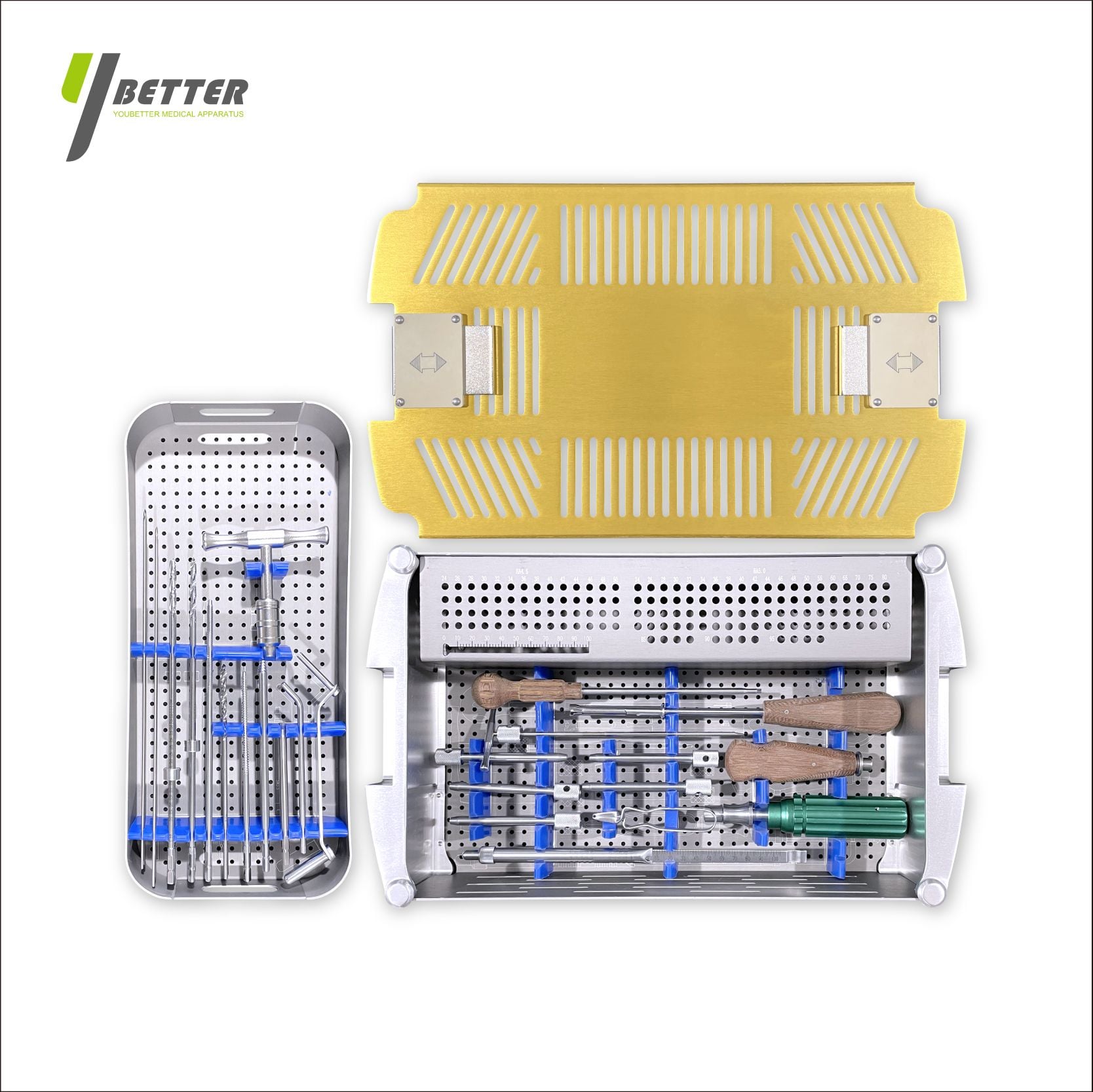
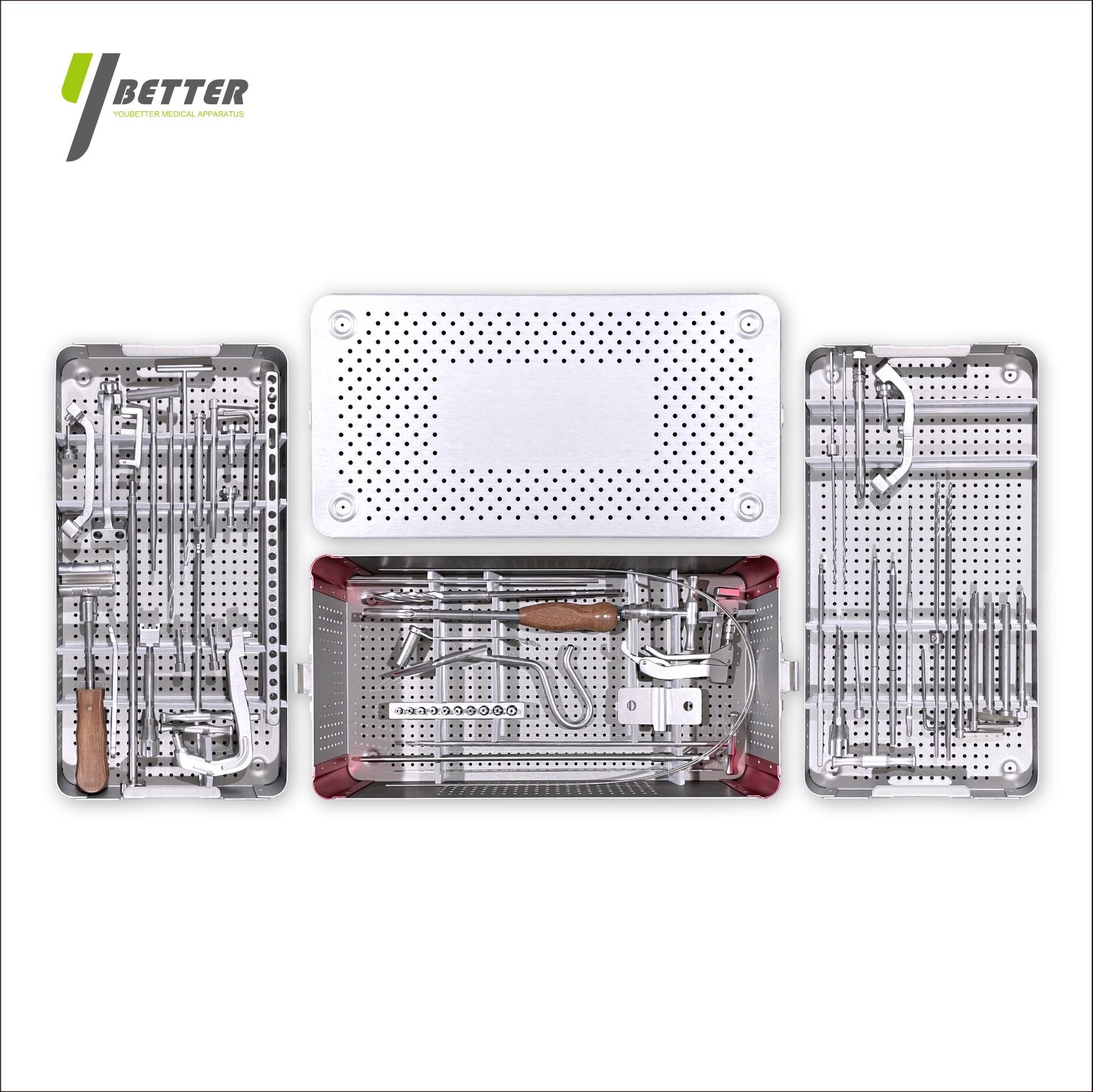
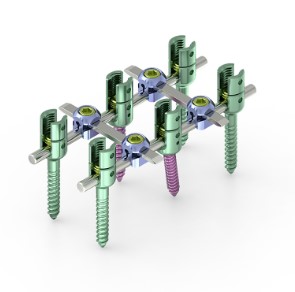
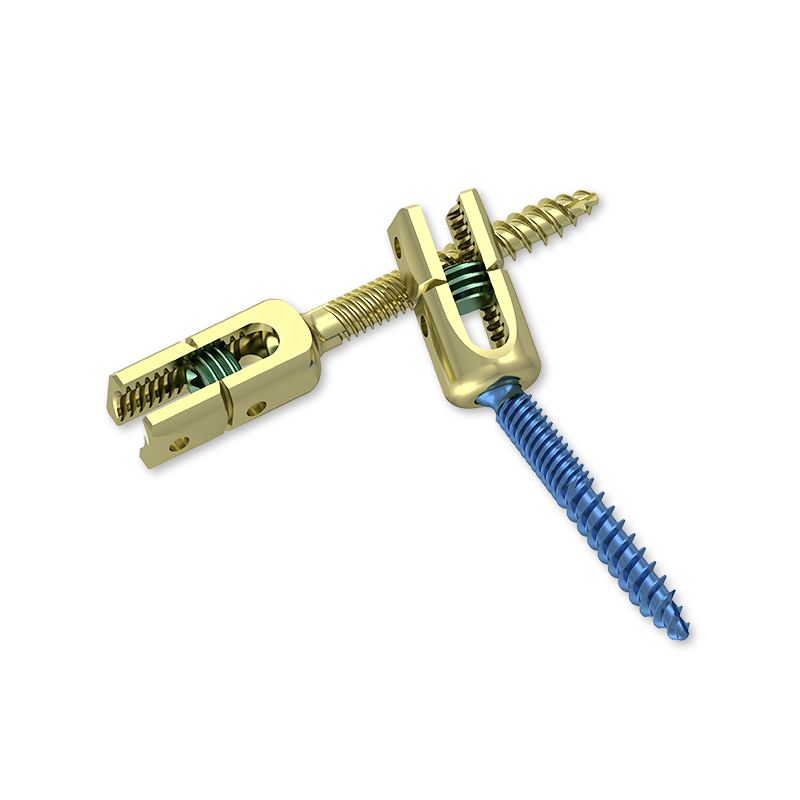
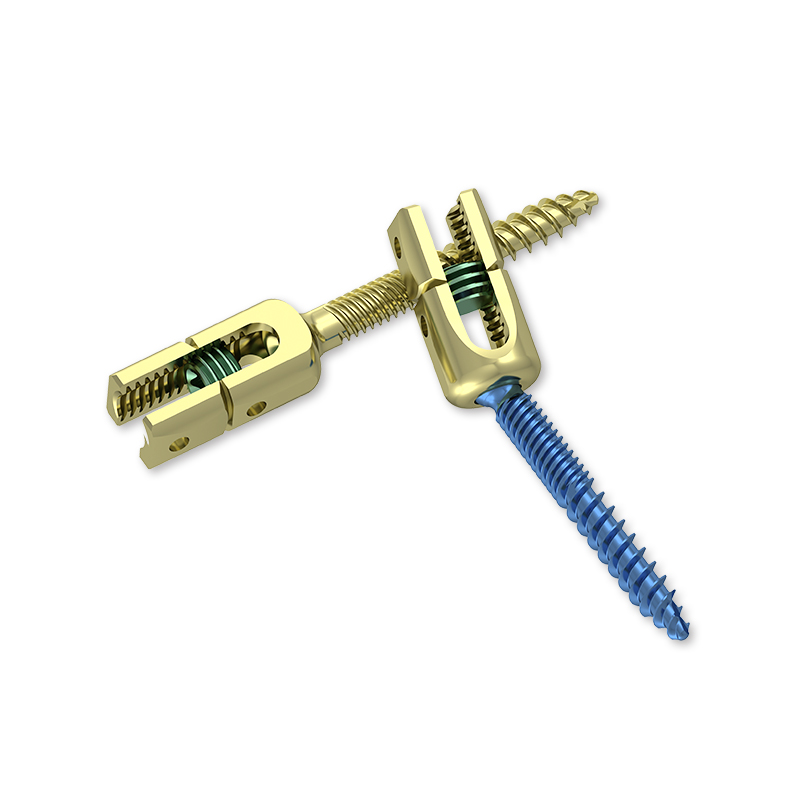
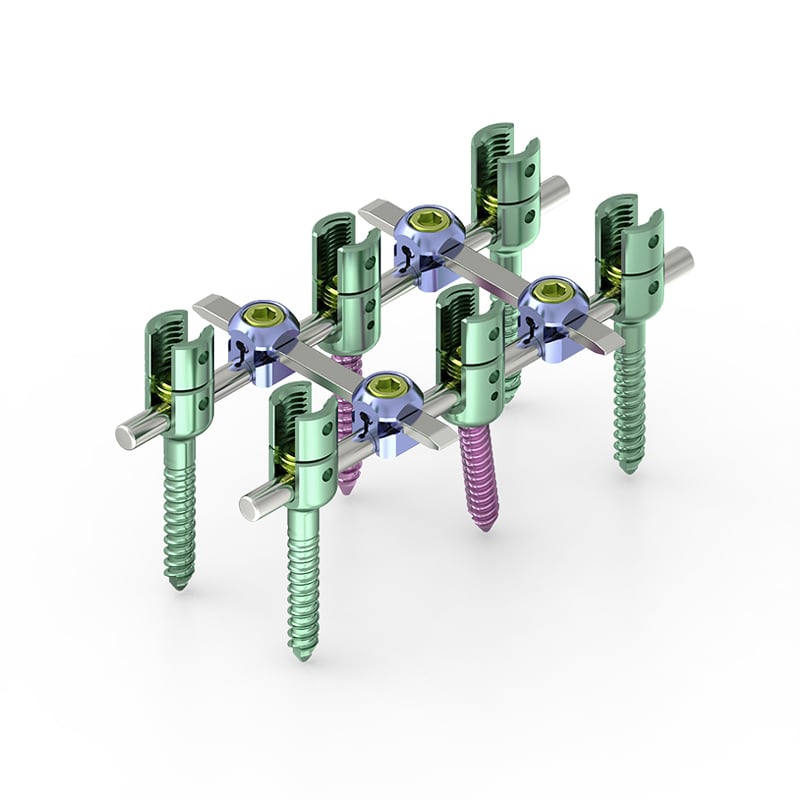
The modular pedicle screw represents an advanced spinal fixation solution designed to provide surgeons with exceptional versatility during complex spinal procedures. This innovative implant system features a multi-component design that allows for independent adjustment of screw trajectory, rod connection, and overall construct customization. The modular pedicle screw consists of separate components including the threaded screw body, tulip head, and locking mechanism, which can be assembled intraoperatively to match patient-specific anatomical requirements. This surgical device serves critical functions in stabilizing the spine, correcting deformities, and facilitating fusion procedures across various spinal segments. The technological sophistication of the modular pedicle screw lies in its adaptable architecture, enabling surgeons to modify screw angles post-insertion and accommodate different rod diameters without repositioning the implant. Primary applications include degenerative disc disease treatment, scoliosis correction, trauma stabilization, and revision surgeries where anatomical variations demand flexible instrumentation. The system supports both polyaxial and monoaxial configurations, offering surgeons tactical options during procedure planning and execution. Advanced material engineering ensures biocompatibility and load-bearing capacity, while surface treatments promote osseointegration. The modular pedicle screw system addresses clinical challenges associated with traditional fixed-head screws, particularly in minimally invasive approaches where trajectory adjustments are crucial. By separating component functions, this technology reduces surgical time, minimizes tissue disruption, and improves construct stability across diverse spinal pathologies, making it an essential tool in contemporary spine surgery practices.

New Product Recommendations

Choosing the modular pedicle screw delivers substantial practical benefits that directly impact surgical outcomes and patient recovery. The independent component design allows surgeons to make real-time adjustments during procedures, eliminating the need to remove and reposition screws when alignment issues arise. This flexibility translates to shorter operating room time, reduced patient anesthesia exposure, and lower overall procedural costs. The system accommodates varying anatomical challenges without requiring extensive instrument sets, streamlining inventory management for healthcare facilities. Surgeons gain operational advantages through the ability to customize screw head angulation after placement, which proves invaluable when dealing with complex deformities or revision cases where previous hardware creates spatial constraints. The modular pedicle screw system supports both standard open procedures and minimally invasive techniques, providing versatility across surgical approaches without compromising fixation strength. Patients benefit from reduced soft tissue trauma due to fewer insertion attempts and optimized screw positioning, which accelerates healing and rehabilitation timelines. The system's compatibility with various rod diameters and connector types means surgical teams can adapt to unexpected intraoperative findings without delaying procedures or compromising construct integrity. For hospital administrators, the modular pedicle screw represents a cost-effective investment because a single system serves multiple clinical scenarios, reducing the need for specialized implants for each case type. The proven biomechanical performance ensures reliable long-term fixation, minimizing revision surgery risks and associated healthcare expenditures. Decision-makers appreciate that the modular pedicle screw combines technical innovation with practical utility, addressing real surgical challenges while maintaining the safety standards and durability expectations essential for spinal instrumentation. This balance of adaptability, performance, and economic efficiency makes the system suitable for diverse healthcare settings, from specialized spine centers to general orthopedic practices seeking comprehensive fixation solutions.

Latest News

Why Is Innovation Important for Competitive Orthopedic Implants Suppliers?

02

Jun

Why Is Innovation Important for Competitive Orthopedic Implants Suppliers?

The medical device industry is undergoing rapid transformation, and nowhere is this change more consequential than in the field of orthopedic surgery. For orthopedic implants suppliers, staying competitive is no longer simply a matter of offering rel...
View More
What Are the Main Types of Orthopedic Implants Used in Trauma Surgery?

02

Jun

What Are the Main Types of Orthopedic Implants Used in Trauma Surgery?

When a patient sustains a serious bone fracture or joint injury, the goal of trauma surgery is to restore stability, alignment, and function as efficiently and safely as possible. Central to achieving that goal are orthopedic implants — precisi...
View More
How Do Spinal Screw Systems Perform in Osteoporotic Patients?

06

Jul

How Do Spinal Screw Systems Perform in Osteoporotic Patients?

When a surgeon places a spinal screw into osteoporotic bone, the mechanical environment is fundamentally different from that of healthy vertebral bone. Osteoporosis reduces bone mineral density and disrupts trabecular architecture, leaving the cancel...
View More
What Are the Clinical Indications for Using Spinal Screw in Spine Trauma?

06

Jul

What Are the Clinical Indications for Using Spinal Screw in Spine Trauma?

When surgeons evaluate a patient with spine trauma, one of the most critical decisions they face is whether to use a spinal screw for stabilization. A spinal screw serves as the mechanical foundation of posterior fixation systems, anchoring rods or p...
View More

Get a Free Quote

Our representative will contact you soon.
Email
Name
Company Name
Message
0/1000

modular pedicle screw

Intraoperative Adjustability for Precision Placement

Intraoperative Adjustability for Precision Placement

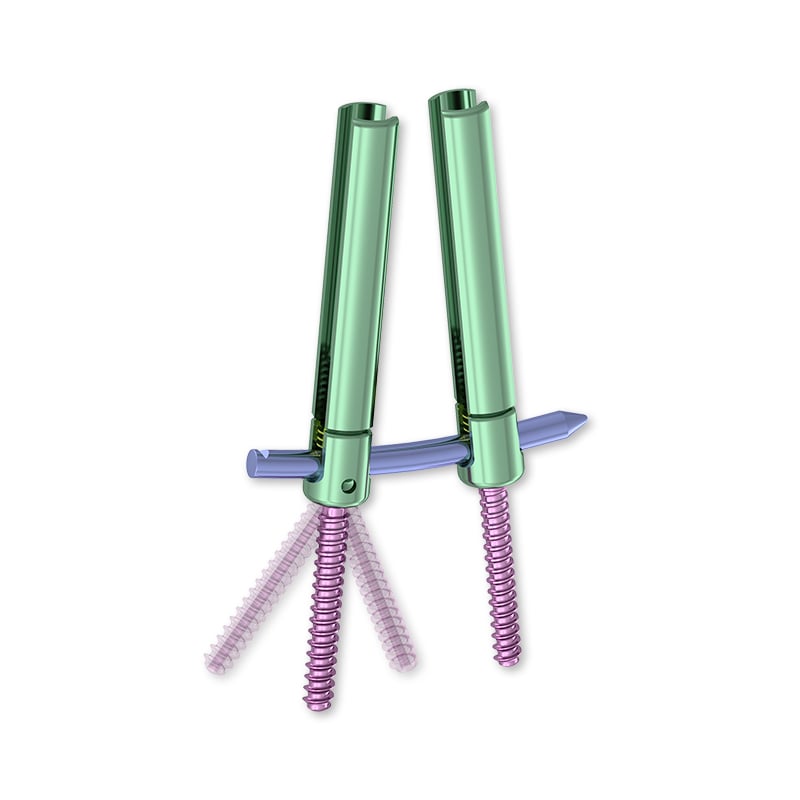
The defining characteristic of the modular pedicle screw system is its unmatched intraoperative adjustability, which fundamentally changes how surgeons approach spinal fixation. Unlike traditional one-piece designs, this system allows the screw body to be firmly anchored into the pedicle while the tulip head remains independently adjustable. Surgeons can modify the rod capture angle up to 40 degrees in multiple planes after initial screw placement, accommodating anatomical variations without compromising purchase strength. This capability proves especially valuable in deformity correction where pre-planned trajectories may require modification based on real-time assessment of spinal alignment. The adjustment mechanism maintains secure locking once final positioning is achieved, ensuring construct stability throughout the healing process. For complex cases involving osteoporotic bone or revision surgeries with limited fixation points, this flexibility maximizes each screw's contribution to overall construct integrity. The modular pedicle screw design eliminates the costly and time-consuming process of screw removal and reinsertion, reducing operative trauma and preserving bone stock. Surgical teams report increased confidence when using this system because mid-procedure corrections become straightforward rather than complicated, leading to more predictable outcomes and enhanced patient safety.
Comprehensive Compatibility Across Surgical Techniques

Comprehensive Compatibility Across Surgical Techniques

The modular pedicle screw system demonstrates remarkable versatility by supporting multiple surgical approaches and instrumentation preferences within a single platform. Whether performing traditional open procedures, minimally invasive percutaneous fixation, or hybrid techniques, surgeons can utilize the same core screw technology with technique-specific instruments and extensions. The system accepts standard rod diameters ranging from 4.5mm to 6.5mm, ensuring compatibility with existing instrumentation sets and reducing learning curves for surgical teams transitioning from other systems. Component modularity extends to connection options, with provisions for cross-links, tandem connectors, and offset attachments that address anatomical challenges without requiring proprietary adapters. This comprehensive compatibility makes the modular pedicle screw ideal for teaching hospitals where resident training involves exposure to various surgical methodologies, as the foundational technology remains consistent across approaches. Healthcare facilities benefit from simplified inventory management since one system serves multiple procedural requirements, reducing storage costs and minimizing expired unused inventory. The standardized interface design also facilitates emergency procedures where rapid assembly and deployment are critical, ensuring surgical teams can respond efficiently regardless of case complexity or patient-specific requirements.
Enhanced Biomechanical Stability Through Engineered Design

Enhanced Biomechanical Stability Through Engineered Design

The modular pedicle screw achieves superior biomechanical performance through precision engineering that optimizes load distribution and fixation strength. The threaded screw body features variable pitch geometry and cutting flutes that facilitate insertion while maximizing cortical bone purchase, particularly important in compromised bone quality scenarios. Thread design incorporates self-tapping characteristics that reduce insertion torque requirements, minimizing thermal necrosis risk during placement. The tulip head connection utilizes a proprietary locking mechanism that creates rigid rod capture without stress concentration points that could lead to fatigue failure. Independent biomechanical testing demonstrates that the modular pedicle screw withstands cyclic loading equivalent to or exceeding monolithic designs, dispelling concerns about multi-component system durability. Surface treatments including titanium alloy coating promote osseointegration while maintaining the strength-to-weight ratio essential for long-term implant success. The engineering approach prioritizes both immediate fixation security and long-term biological incorporation, addressing the complete lifecycle of spinal fusion procedures. Surgeons can confidently apply the modular pedicle screw in high-stress applications including long-segment constructs and three-column reconstructions, knowing the system provides reliable mechanical support throughout the fusion consolidation period.

Get a Free Quote

Our representative will contact you soon.
Email
Name
Company Name
Message
0/1000
Newsletter
Please Leave A Message With Us