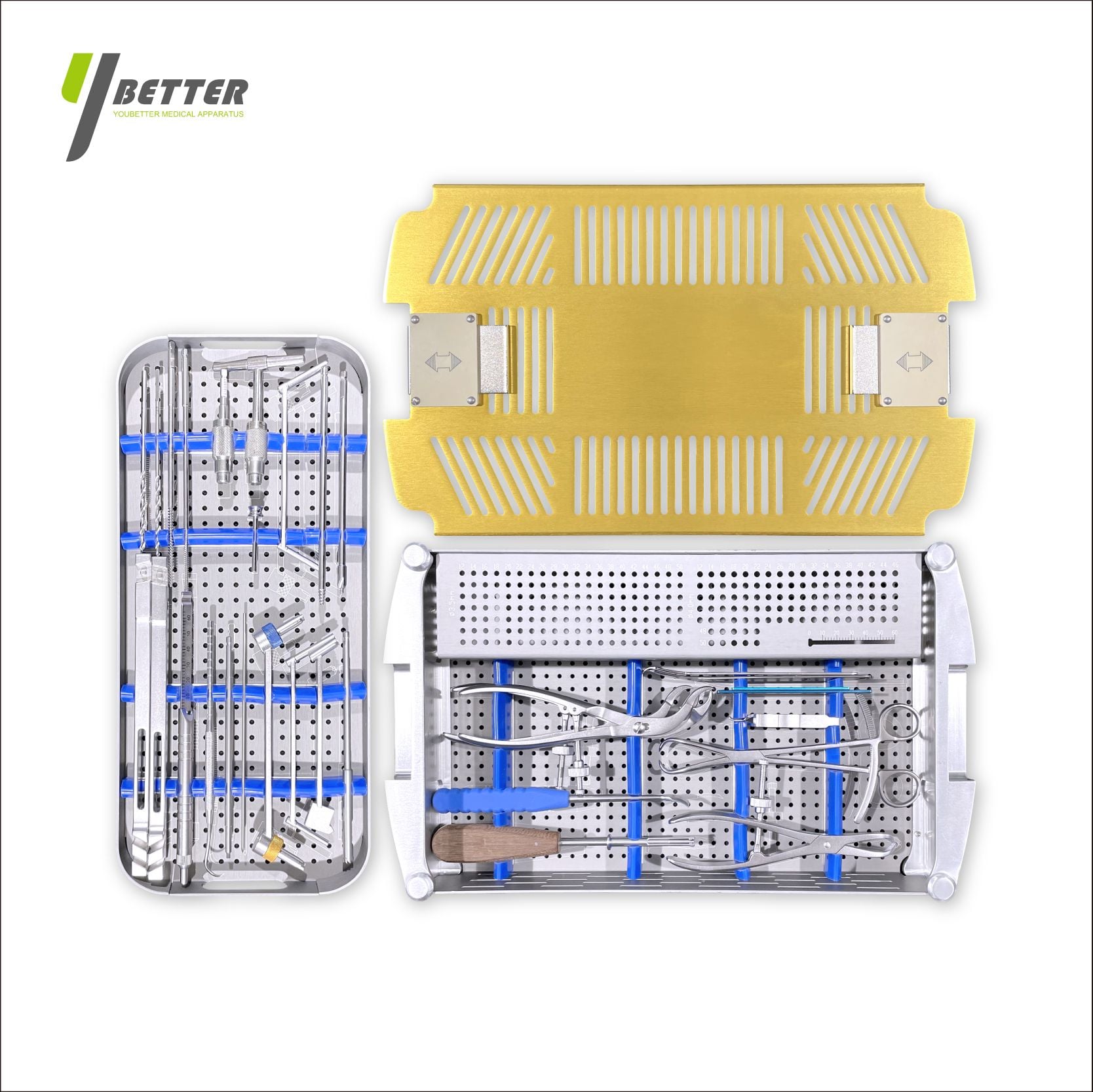
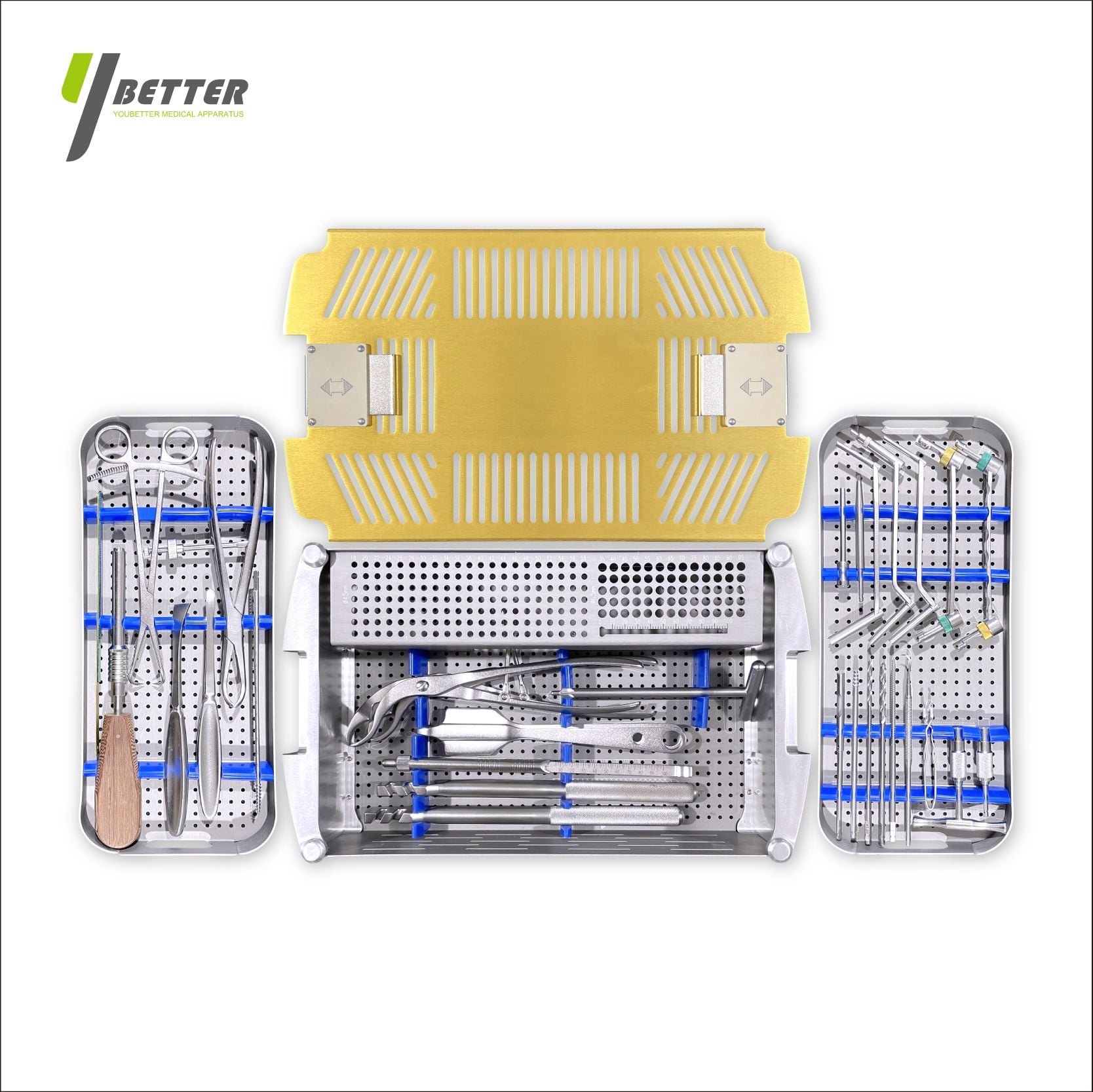
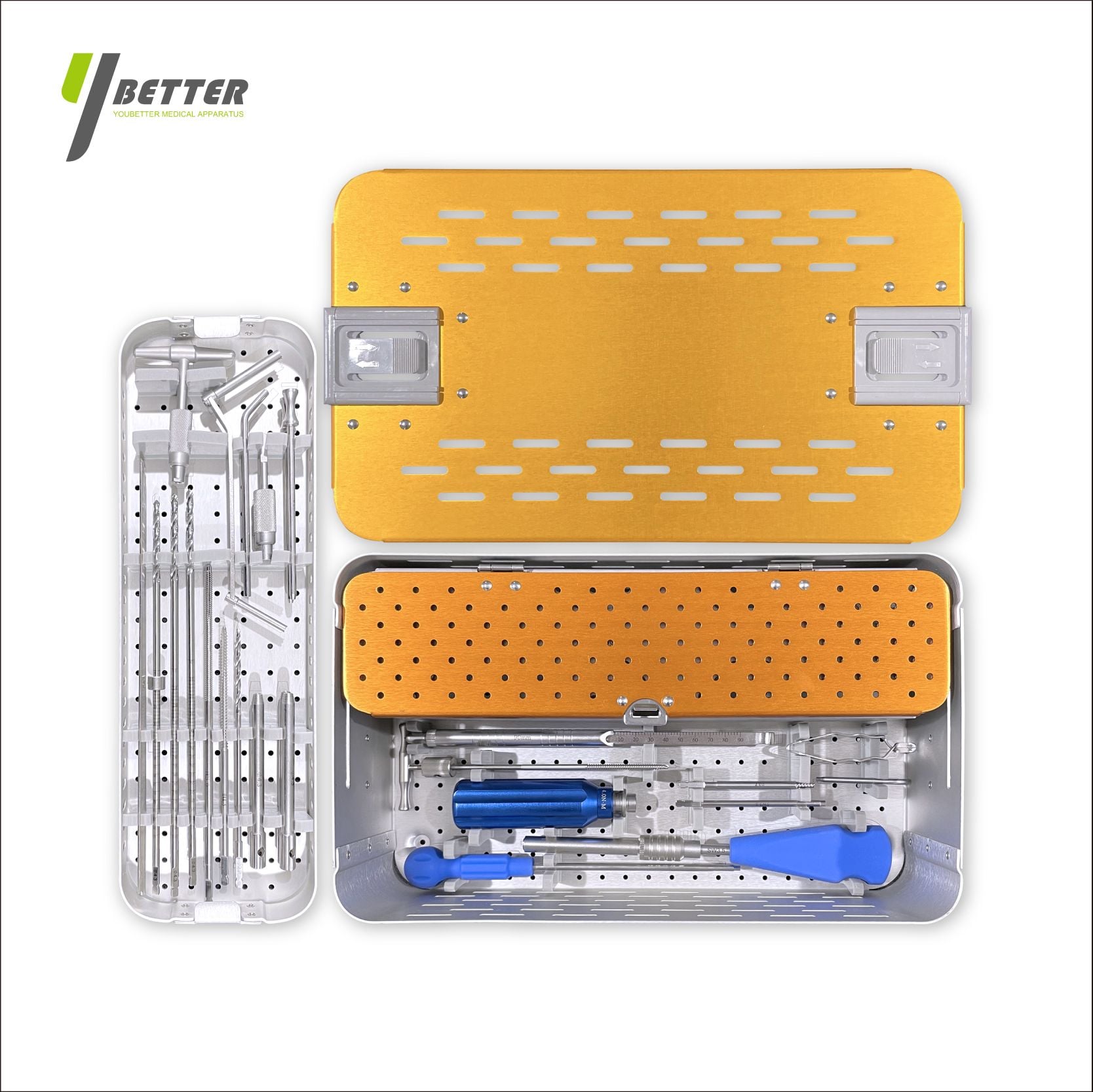
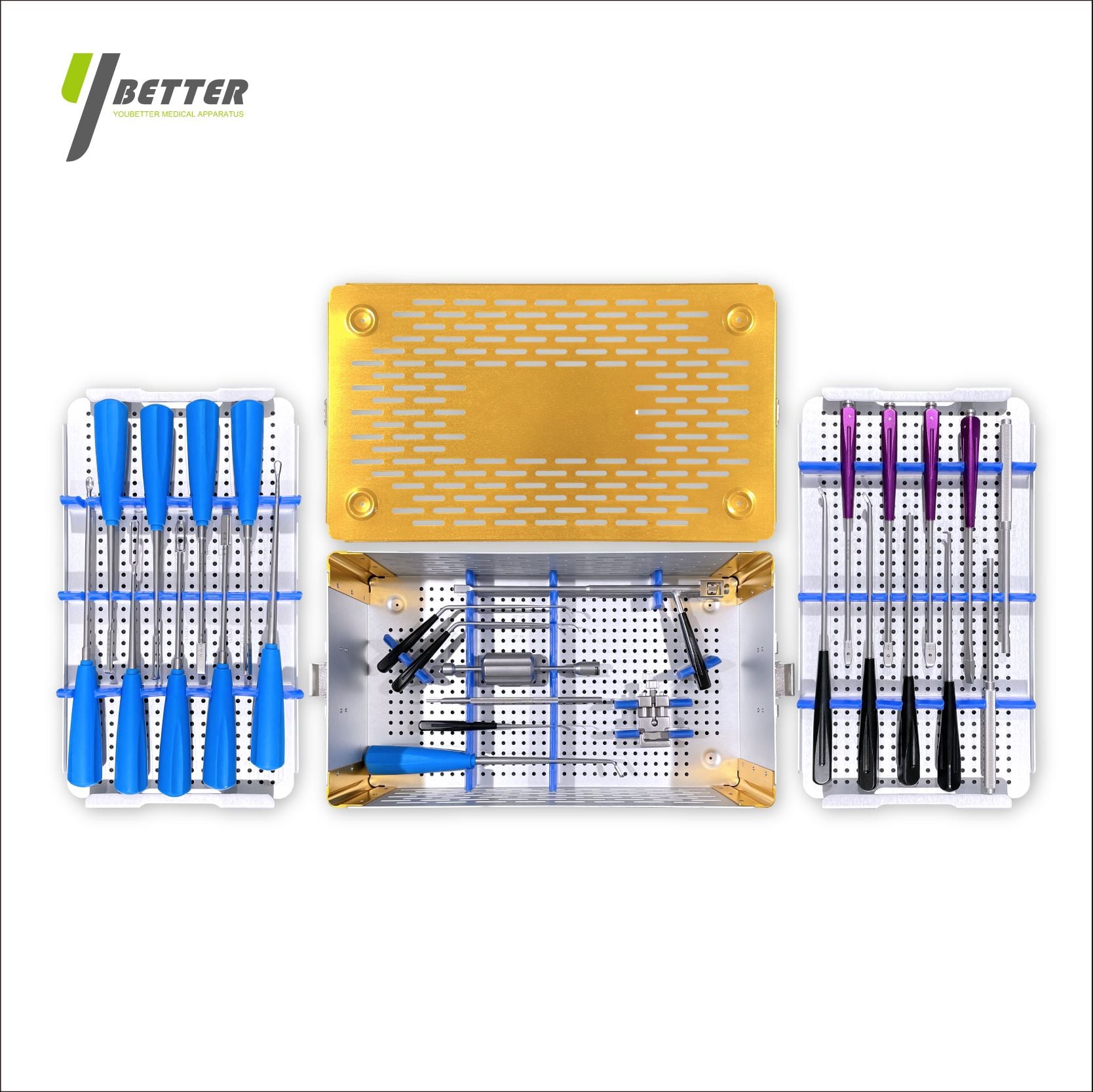
Pedicle Screw Spinal Stabilization Systems

All Categories

Get a Free Quote

Our representative will contact you soon.
Email
Name
Company Name
Message
0/1000

pedicle screw spinal stabilization

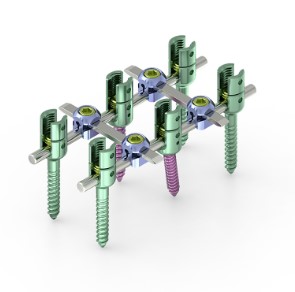
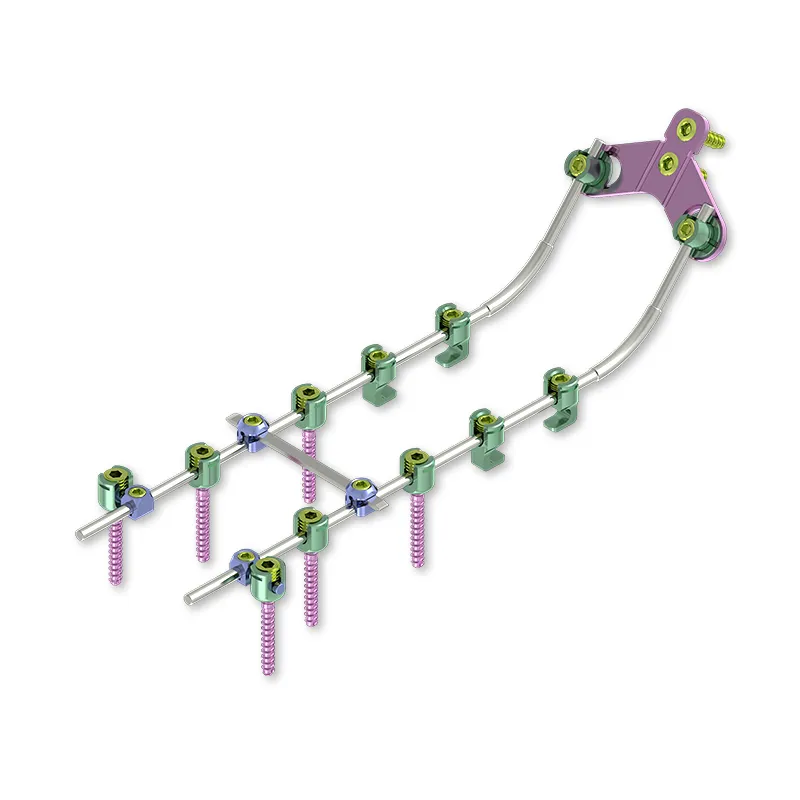
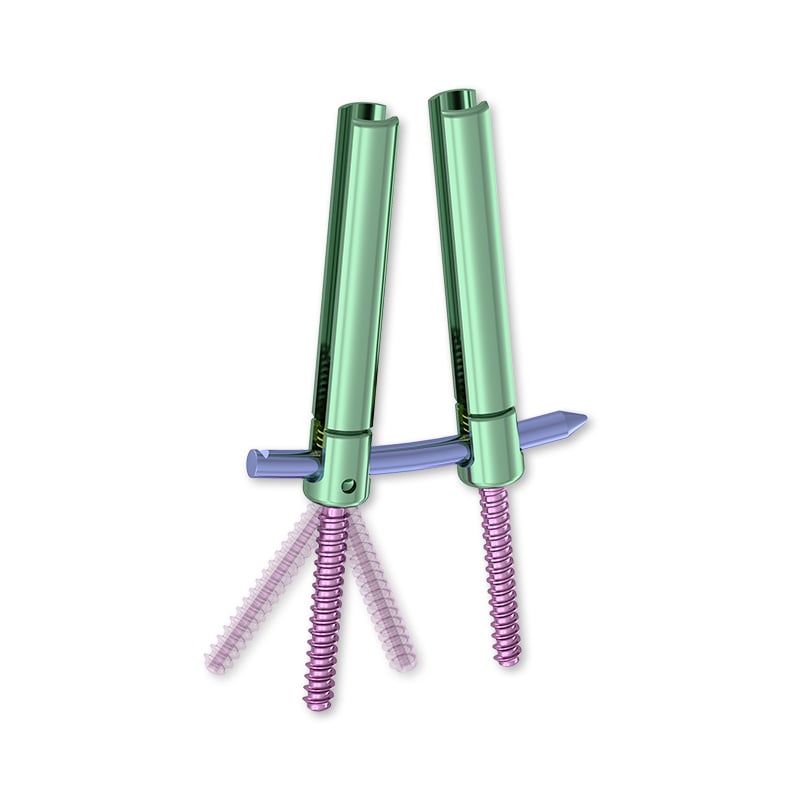
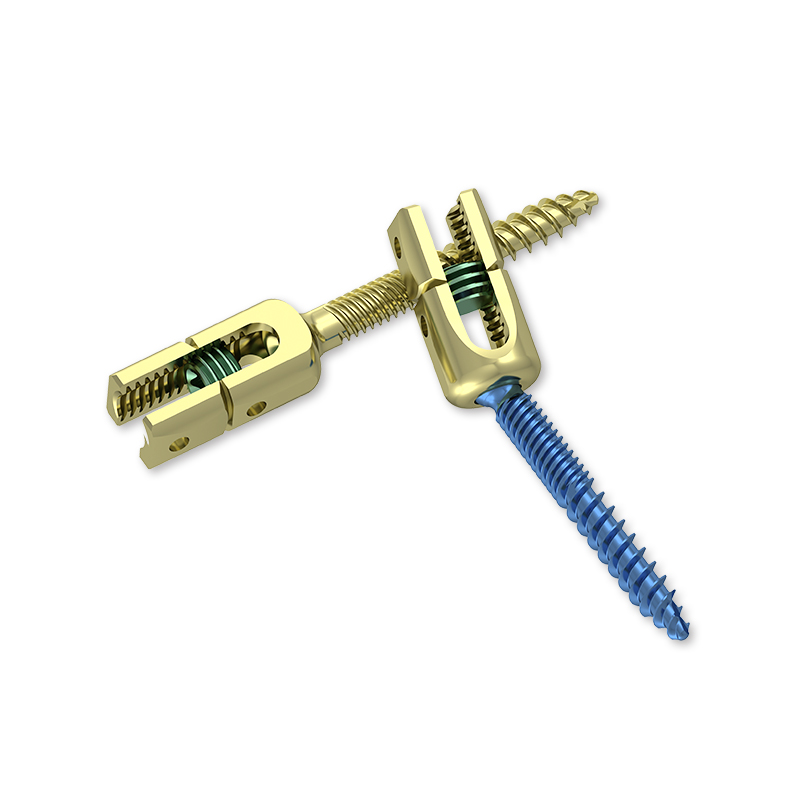
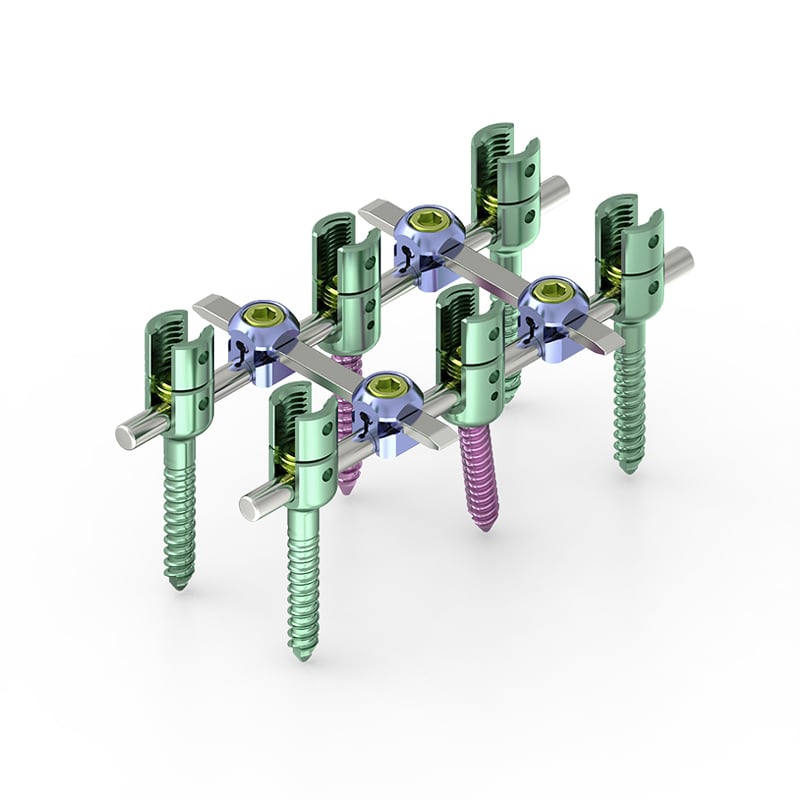
Pedicle screw spinal stabilization is an advanced surgical technique designed to provide robust structural support and promote healing in patients with spinal disorders. This procedure involves the precise insertion of specialized screws through the pedicles, which are the bony projections connecting the vertebral body to the posterior elements of the spine. The primary function of pedicle screw spinal stabilization is to immobilize damaged or unstable spinal segments, allowing for proper fusion and long-term stability. This system addresses conditions such as degenerative disc disease, spinal fractures, scoliosis, spondylolisthesis, and tumor-related spinal instability. Technologically, pedicle screw spinal stabilization incorporates titanium alloy or stainless steel components that offer exceptional biocompatibility and mechanical strength. The screws are strategically anchored into the vertebral pedicles and connected through rods and connectors, creating a rigid framework that prevents abnormal motion while maintaining proper spinal alignment. Modern systems feature polyaxial screw heads that allow surgeons to adjust angles during placement, accommodating individual anatomical variations and ensuring optimal positioning. Image guidance technologies and navigation systems further enhance surgical precision, reducing risks and improving outcomes. Applications span multiple medical scenarios, from trauma cases requiring immediate stabilization to planned reconstructive procedures for chronic conditions. The versatility of pedicle screw spinal stabilization makes it suitable for single-level and multi-level fixation across all spinal regions, including cervical, thoracic, and lumbar segments, establishing it as a cornerstone treatment in modern spinal surgery.

New Product Releases

Patients who undergo pedicle screw spinal stabilization benefit from substantially improved quality of life through pain reduction and restored mobility. The procedure delivers exceptional structural integrity, creating a stable environment that facilitates bone fusion while protecting neural elements from further compression or damage. Unlike older fixation methods, pedicle screw spinal stabilization provides three-column support, distributing mechanical loads evenly and minimizing the risk of hardware failure or adjacent segment degeneration. Operationally, surgeons appreciate the system's adaptability across diverse pathologies and patient anatomies. The procedure can be performed through minimally invasive approaches that reduce tissue trauma, blood loss, and recovery time compared to traditional open surgery. These operational efficiencies translate to shorter hospital stays, faster return to daily activities, and lower overall healthcare costs for patients and providers. Application suitability extends from young patients with traumatic injuries to elderly individuals with osteoporotic fractures, demonstrating remarkable versatility across age groups and clinical presentations. The system accommodates revision surgeries when previous treatments have failed, offering hope to patients with complex spinal problems. Decision-making becomes clearer when understanding that pedicle screw spinal stabilization has accumulated decades of clinical evidence supporting its safety and effectiveness. Surgeons worldwide have successfully performed millions of these procedures, establishing standardized protocols and best practices that minimize complications. The technology continues evolving with innovations like expandable screws for osteoporotic bone, fenestrated screws for cement augmentation, and biodegradable materials under development. For healthcare facilities, investing in pedicle screw spinal stabilization systems means providing cutting-edge care that meets patient expectations while achieving predictable outcomes. Insurance coverage typically includes these procedures when medically necessary, making advanced spinal care accessible to broader patient populations without prohibitive financial barriers.

Practical Tips

What Are the Main Types of Orthopedic Implants Used in Trauma Surgery?

02

Jun

What Are the Main Types of Orthopedic Implants Used in Trauma Surgery?

When a patient sustains a serious bone fracture or joint injury, the goal of trauma surgery is to restore stability, alignment, and function as efficiently and safely as possible. Central to achieving that goal are orthopedic implants — precisi...
View More
What Are the Indications for Using Pedicle Screw in Degenerative Spine Disease?

02

Jun

What Are the Indications for Using Pedicle Screw in Degenerative Spine Disease?

Degenerative spine disease encompasses a broad spectrum of conditions that progressively compromise spinal stability, alignment, and neurological function. As these conditions advance, conservative management often fails to provide adequate relief, a...
View More
What Role Does Spinal Screw Play in Complex Spinal Reconstruction?

06

Jul

What Role Does Spinal Screw Play in Complex Spinal Reconstruction?

In complex spinal reconstruction procedures, every implant must perform with precision and reliability. The spinal screw is one of the most critical components in these surgeries, serving as the primary anchor that holds rods, connectors, and bone se...
View More
How Does Spinal Screw Fixation Improve Stability in Spinal Fusion Surgery?

06

Jul

How Does Spinal Screw Fixation Improve Stability in Spinal Fusion Surgery?

Spinal fusion surgery is one of the most common and technically demanding procedures in orthopedic and neurosurgical practice. At the heart of this procedure lies a critical mechanical principle: the spine must be held in precise alignment while bone...
View More

Get a Free Quote

Our representative will contact you soon.
Email
Name
Company Name
Message
0/1000

pedicle screw spinal stabilization

Superior Biomechanical Stability and Fusion Success

Superior Biomechanical Stability and Fusion Success

The primary advantage of pedicle screw spinal stabilization lies in its unparalleled biomechanical stability, which directly influences fusion rates and long-term patient outcomes. By anchoring screws bilaterally through the strongest part of the vertebra, the pedicle, this system achieves purchase in dense cortical bone that resists loosening and pull-out forces. The rigid connection between screws and rods eliminates micro-motion at the fusion site, a critical factor since even minimal movement can prevent bone healing. Clinical studies consistently demonstrate fusion rates exceeding ninety percent when pedicle screw spinal stabilization is properly applied, significantly outperforming alternative fixation methods. This reliability matters tremendously for patients who want definitive solutions rather than temporary relief. The three-dimensional correction capabilities allow surgeons to restore normal spinal curvature and alignment, addressing not just instability but also deformity. Patients experience improved posture, balanced weight distribution, and reduced strain on surrounding muscles and joints. The mechanical strength of pedicle screw spinal stabilization supports immediate post-operative mobilization in many cases, enabling early physical therapy and preventing complications associated with prolonged bed rest such as blood clots and muscle atrophy.
Versatile Application Across Multiple Spinal Conditions

Versatile Application Across Multiple Spinal Conditions

Pedicle screw spinal stabilization demonstrates remarkable adaptability, serving as an effective solution for numerous spinal pathologies that previously required different treatment approaches. Trauma surgeons rely on this technology to stabilize burst fractures and fracture-dislocations, restoring spinal column integrity in emergency situations where rapid intervention prevents permanent neurological damage. Oncology teams employ pedicle screw spinal stabilization to reconstruct spines compromised by metastatic tumors, providing structural support after tumor resection and enabling radiation therapy without hardware interference. Deformity specialists correct complex scoliotic curves in adolescents and adults, using multiple screws to achieve powerful corrective forces while preserving spinal motion segments whenever possible. Degenerative conditions like stenosis and disc herniation benefit when pedicle screw spinal stabilization supplements decompression procedures, preventing instability that might otherwise develop after removing diseased tissue. This cross-specialty applicability means surgical teams can standardize their approach to diverse problems, building expertise with a single system rather than learning multiple techniques. Patients receive consistent, evidence-based care regardless of their specific diagnosis, and hospitals optimize inventory management by stocking versatile implant systems that address multiple clinical scenarios rather than maintaining separate inventories for different conditions.
Advanced Surgical Precision Through Modern Technology Integration

Advanced Surgical Precision Through Modern Technology Integration

Contemporary pedicle screw spinal stabilization benefits enormously from integration with advanced surgical technologies that enhance accuracy and safety. Computer-assisted navigation systems provide real-time three-dimensional visualization of screw trajectories, allowing surgeons to avoid critical structures like nerve roots and blood vessels with millimeter-level precision. Intraoperative imaging confirms proper screw placement before completing the procedure, eliminating guesswork and reducing revision rates. Robotic assistance platforms now guide screw insertion along pre-planned paths determined from patient-specific imaging, compensating for hand tremor and ensuring consistent execution even during lengthy operations. These technological enhancements significantly reduce radiation exposure to surgical teams and patients by minimizing fluoroscopic imaging needs. For complex cases involving abnormal anatomy from previous surgeries or congenital variations, navigation becomes indispensable for safe screw placement. Patient-specific instrumentation and three-dimensional printed guides represent further innovations, where custom tools match individual anatomy perfectly, streamlining surgical workflow. The learning curve for pedicle screw spinal stabilization has shortened considerably thanks to simulation training and augmented reality systems that allow surgeons to practice procedures virtually before entering the operating room. These technological synergies mean patients benefit from continuously improving outcomes as surgical precision advances, making pedicle screw spinal stabilization safer and more effective with each passing year.

Get a Free Quote

Our representative will contact you soon.
Email
Name
Company Name
Message
0/1000
Newsletter
Please Leave A Message With Us