Pedicle Screw Insertion Technique Guide

All Categories

Get a Free Quote

Our representative will contact you soon.
Email
Name
Company Name
Message
0/1000

pedicle screw insertion technique

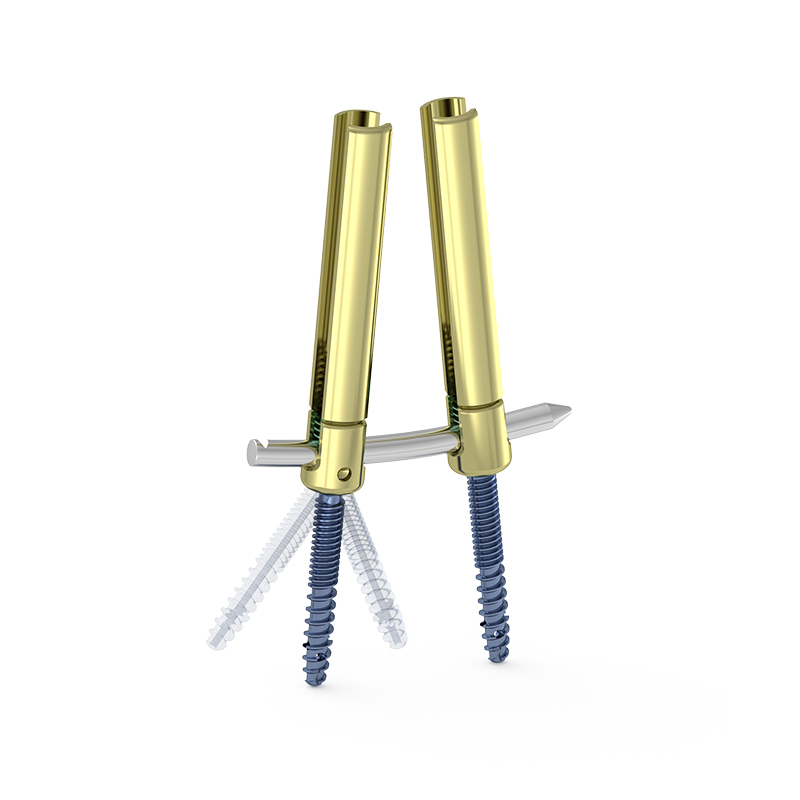
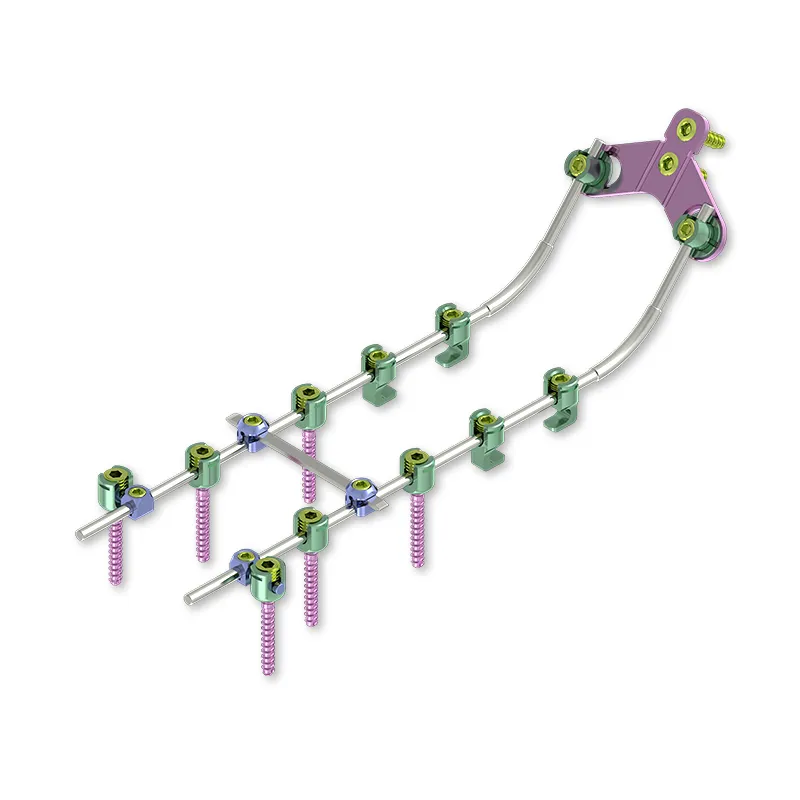
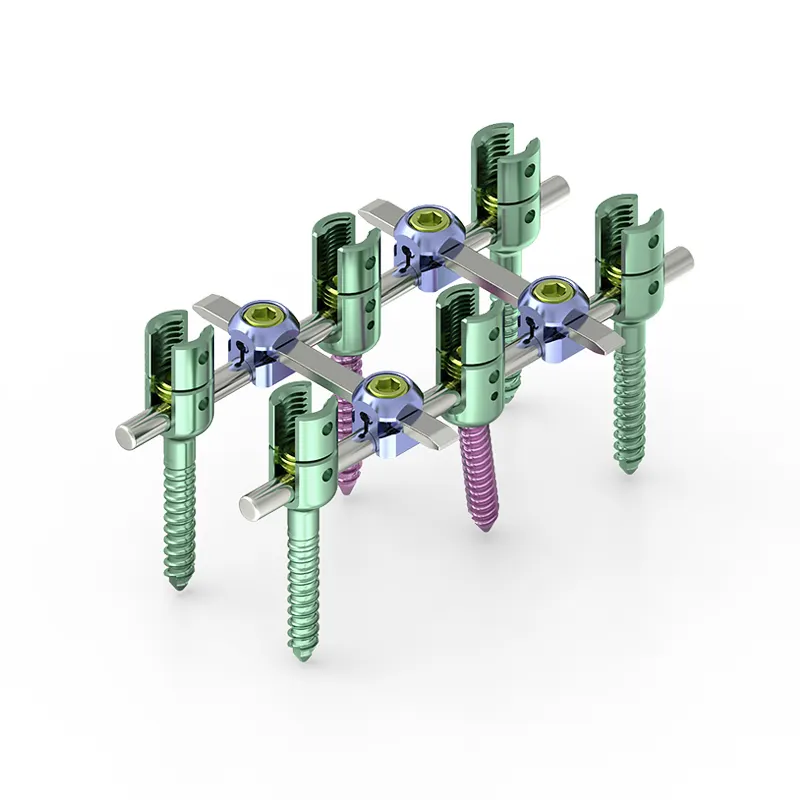
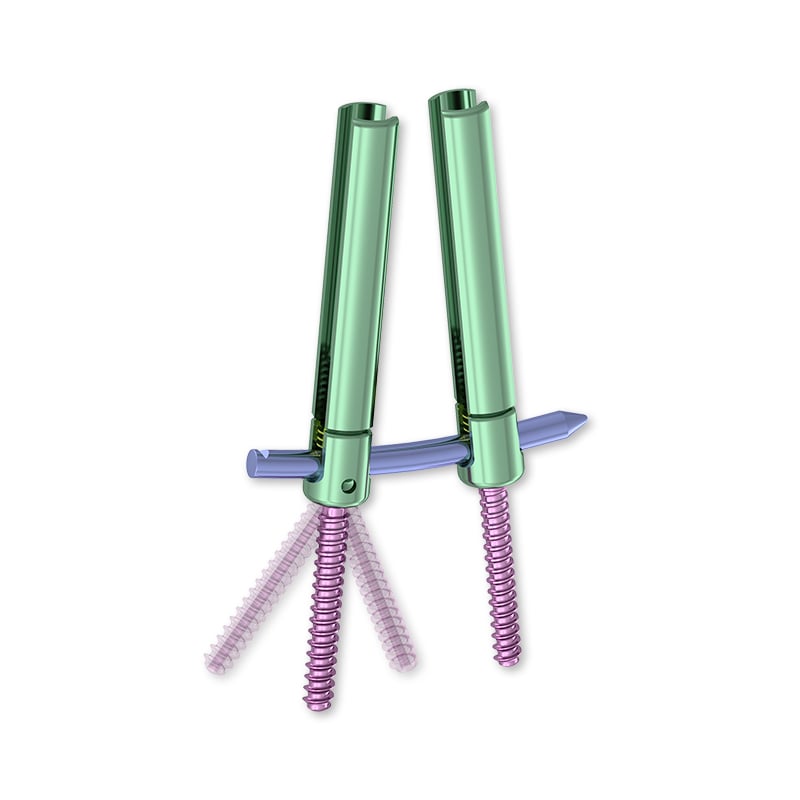
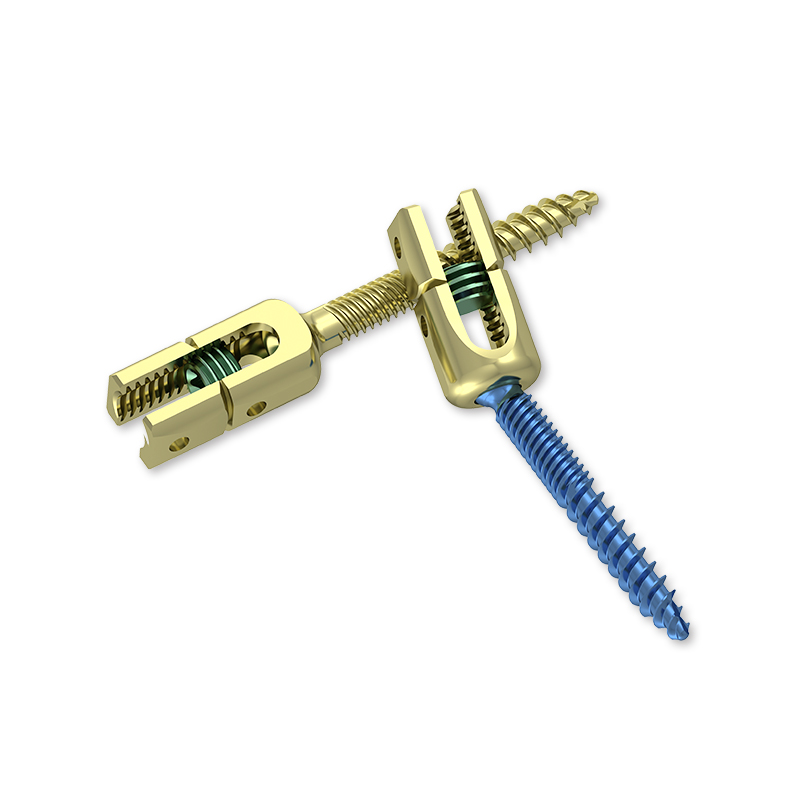
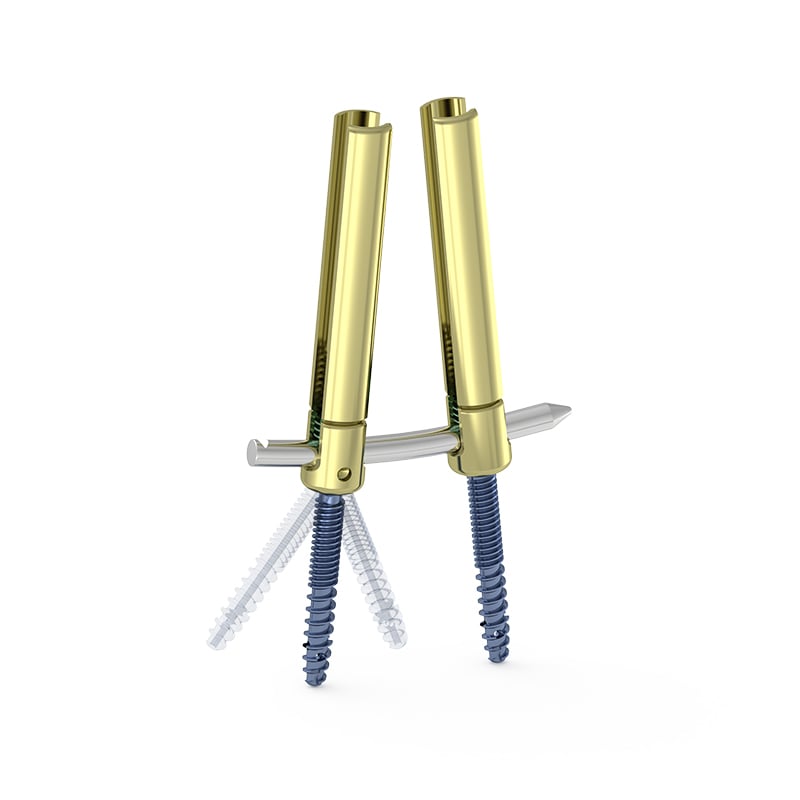
The pedicle screw insertion technique is a surgical procedure used in spinal surgery to stabilize the vertebral column through the precise placement of screws into the pedicle, the bony structure connecting the vertebral body to the posterior elements. This technique serves as the foundation for spinal fusion and correction procedures, providing rigid fixation for treating conditions such as degenerative disc disease, spinal deformities, fractures, and tumors. The pedicle screw insertion technique involves careful preoperative planning using advanced imaging technologies like CT scans and fluoroscopy to map the optimal screw trajectory. Surgeons utilize anatomical landmarks and real-time imaging guidance to ensure accurate placement within the narrow pedicle corridor, avoiding neural and vascular structures. The procedure typically begins with identifying the entry point on the posterior vertebral surface, followed by creating a pilot hole using specialized instruments. The pedicle screw insertion technique employs various approaches including freehand methods, fluoroscopic guidance, and navigation-assisted systems. Modern implementations integrate robotic assistance and intraoperative monitoring to enhance precision and safety. The screws are connected with rods and locking mechanisms to create a stable construct that promotes bone healing and maintains spinal alignment. This technique has revolutionized spinal surgery by offering superior biomechanical stability compared to traditional hook and wire systems, making it the gold standard for posterior spinal instrumentation across multiple pathologies and age groups.

New Product Releases

The pedicle screw insertion technique offers numerous practical benefits that directly impact patient outcomes and surgical success rates. First, this approach provides exceptional biomechanical stability, creating a three-column fixation that distributes loads effectively across the spinal segment. This superior stability accelerates fusion rates and allows patients to mobilize earlier during recovery, reducing hospital stays and rehabilitation time. The technique's versatility represents a significant operational advantage, as it can be applied across all spinal levels from cervical to sacral regions, accommodating various pathologies with a single standardized approach. Surgeons benefit from the technique's adaptability to different patient anatomies and clinical scenarios, whether addressing trauma, deformity correction, or degenerative conditions. From a cost-effectiveness perspective, the pedicle screw insertion technique reduces revision surgery rates due to its reliable fixation strength, translating to long-term healthcare savings. Patients experience improved quality of life through restored spinal alignment, reduced pain, and maintained neurological function. The technique's compatibility with minimally invasive approaches further enhances its value by enabling smaller incisions, less tissue damage, and faster recovery times. Modern technological integration with navigation systems and robotic platforms has increased placement accuracy to over 95 percent, significantly minimizing complication risks such as nerve injury or screw misplacement. For healthcare facilities, adopting the pedicle screw insertion technique demonstrates commitment to evidence-based practices and optimal patient care. The technique's extensive clinical validation through decades of research and millions of successful procedures worldwide provides confidence for both surgeons and patients in treatment decisions.

Tips And Tricks

How to Choose the Right Pedicle Screw Size for Lumbar Fusion Procedures?

02

Jun

How to Choose the Right Pedicle Screw Size for Lumbar Fusion Procedures?

Selecting the correct pedicle screw size for lumbar fusion procedures is one of the most consequential decisions a spine surgeon makes during operative planning. The diameter, length, and thread design of each pedicle screw directly influence fixatio...
View More
How Does Spinal Screw Design Enhance Mechanical Strength and Fixation?

06

Jul

How Does Spinal Screw Design Enhance Mechanical Strength and Fixation?

In modern spinal surgery, the pedicle screw is one of the most critical implants used to stabilize the vertebral column. Whether the procedure involves deformity correction, fracture management, or spinal fusion, the pedicle screw serves as the prima...
View More
Why Is Accurate Spinal Screw Placement Crucial for Patient Safety?

06

Jul

Why Is Accurate Spinal Screw Placement Crucial for Patient Safety?

Pedicle screw placement is one of the most technically demanding steps in spinal surgery. When a surgeon positions each screw with precision, the entire construct gains stability, and the patient's recovery is protected from preventable complications...
View More
How Can Distributors Assess Pedicle Screw Supplier Reliability?

06

Jul

How Can Distributors Assess Pedicle Screw Supplier Reliability?

Choosing the right pedicle screw supplier is one of the most consequential decisions a medical device distributor can make. A pedicle screw supplier directly affects patient safety, regulatory standing, and the commercial reputation of every distribu...
View More

Get a Free Quote

Our representative will contact you soon.
Email
Name
Company Name
Message
0/1000

pedicle screw insertion technique

Advanced Precision Through Image-Guided Navigation

Advanced Precision Through Image-Guided Navigation

The pedicle screw insertion technique achieves remarkable accuracy through integration with sophisticated image-guided navigation systems that transform surgical precision. These advanced technologies utilize preoperative CT imaging combined with intraoperative tracking to create three-dimensional anatomical maps, allowing surgeons to visualize screw trajectories in real-time. This technological enhancement is particularly valuable in complex cases involving anatomical variations, previous surgeries, or severe deformities where traditional landmark identification becomes challenging. Navigation-assisted pedicle screw insertion technique reduces radiation exposure for both patients and surgical teams by minimizing the need for repeated fluoroscopic imaging. Studies demonstrate that navigation increases screw placement accuracy rates above 95 percent while significantly decreasing perforation risks. This precision directly translates to improved patient safety, reduced neurological complications, and enhanced surgical confidence. For medical facilities, investing in navigation-compatible instrumentation elevates surgical capabilities and attracts referrals for complex spinal cases. Patients benefit from shorter operative times, reduced blood loss, and improved long-term outcomes, making this advanced approach a compelling value proposition in modern spinal surgery.
Biomechanical Superiority for Optimal Fusion

Biomechanical Superiority for Optimal Fusion

The biomechanical advantages inherent in the pedicle screw insertion technique establish it as the most effective method for achieving spinal fusion and stability. Unlike previous fixation methods that relied on hooks or wires attached only to posterior elements, this technique anchors directly into the strongest portion of the vertebra, creating a robust three-column purchase. This superior fixation resists all directional forces including flexion, extension, lateral bending, and rotation, providing the stable environment essential for successful bone healing. The pedicle screw insertion technique distributes mechanical loads more physiologically across the instrumented segment, reducing stress concentration points that could lead to hardware failure. Clinical evidence consistently demonstrates higher fusion rates, with success rates exceeding 90 percent in appropriately selected patients. This biomechanical superiority allows surgeons to address more challenging pathologies including high-grade spondylolisthesis, severe deformities, and osteoporotic bone with confidence. Patients experience faster return to functional activities and reduced need for prolonged external bracing. The technique's mechanical reliability translates to decreased revision surgery rates, offering substantial long-term value by avoiding additional procedures, recovery periods, and associated costs for both patients and healthcare systems.
Versatile Application Across Multiple Conditions

Versatile Application Across Multiple Conditions

The pedicle screw insertion technique demonstrates exceptional versatility, making it applicable across a comprehensive spectrum of spinal pathologies and patient populations. This adaptability represents a significant advantage for surgical planning and treatment standardization. The technique effectively addresses degenerative conditions like spondylolisthesis and stenosis, traumatic injuries including burst fractures and dislocations, spinal deformities such as scoliosis and kyphosis, tumor-related instability, and infection-related destruction. Its applicability spans all age groups from pediatric to geriatric patients, with modifications accommodating bone quality variations. The pedicle screw insertion technique integrates seamlessly with both open and minimally invasive surgical approaches, allowing surgeons to tailor the access strategy to individual patient needs. This flexibility extends to revision surgeries where previous instrumentation requires removal and replacement. Surgeons can combine the technique with various adjunctive procedures including interbody fusion, osteotomies, and decompression, creating comprehensive treatment solutions within a single operative session. For healthcare institutions, this versatility streamlines inventory management, reduces training complexity, and standardizes surgical protocols across multiple spine conditions. Patients benefit from the technique's proven track record across diverse applications, supported by extensive literature and long-term outcome studies demonstrating consistent success regardless of specific pathology.

Get a Free Quote

Our representative will contact you soon.
Email
Name
Company Name
Message
0/1000
Newsletter
Please Leave A Message With Us