Modular Spinal Screw Solutions | Advanced Fixation

All Categories

Get a Free Quote

Our representative will contact you soon.
Email
Name
Company Name
Message
0/1000

modular spinal screw

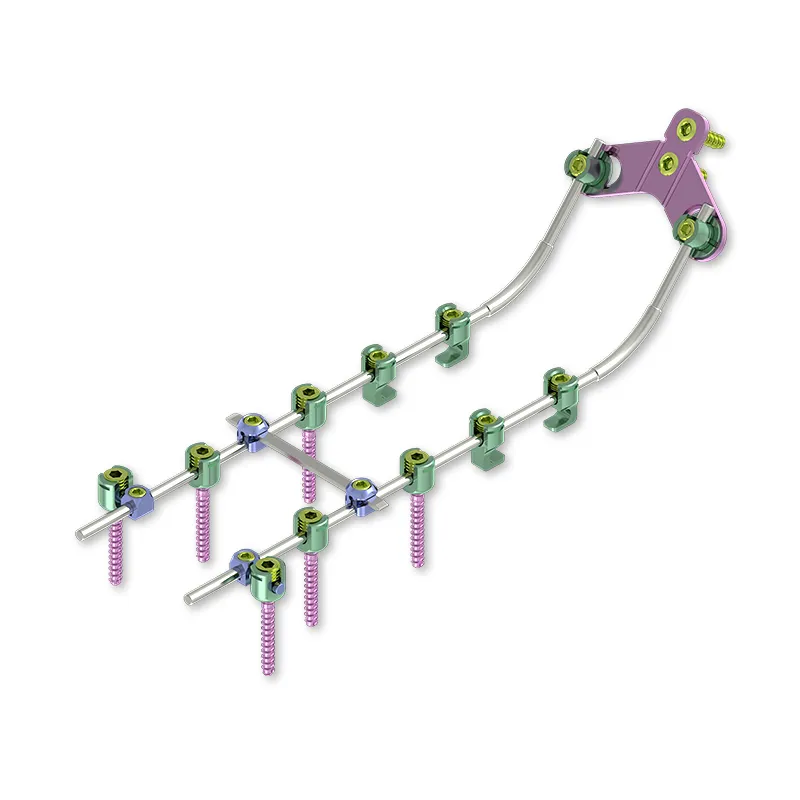
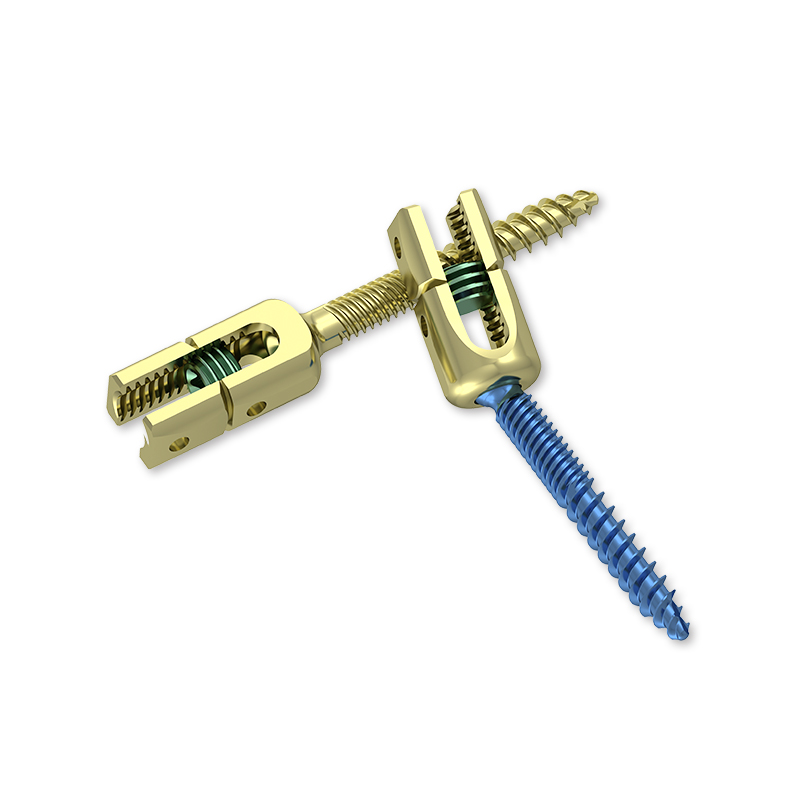
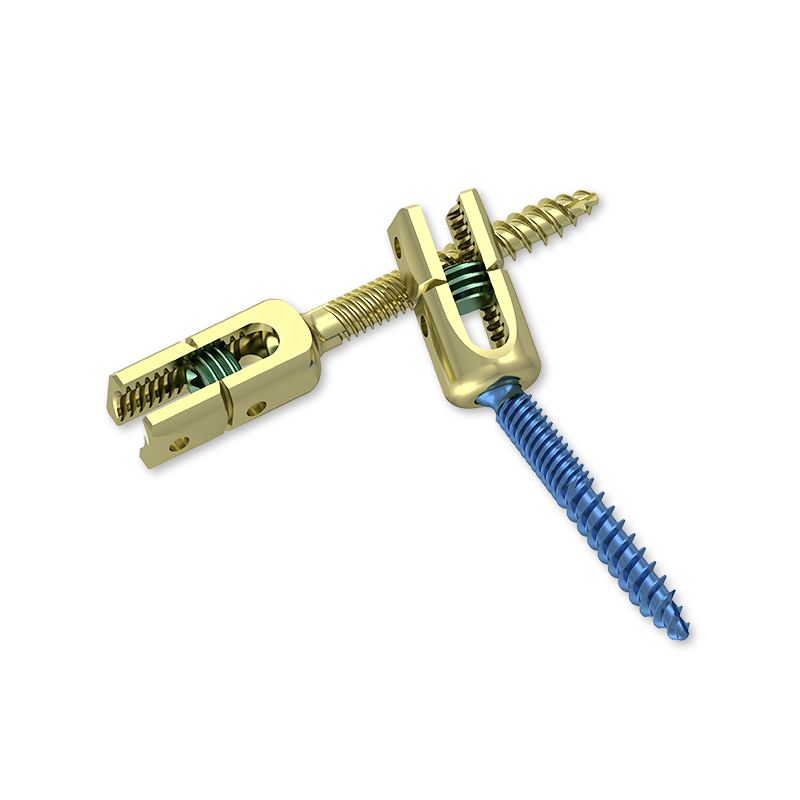
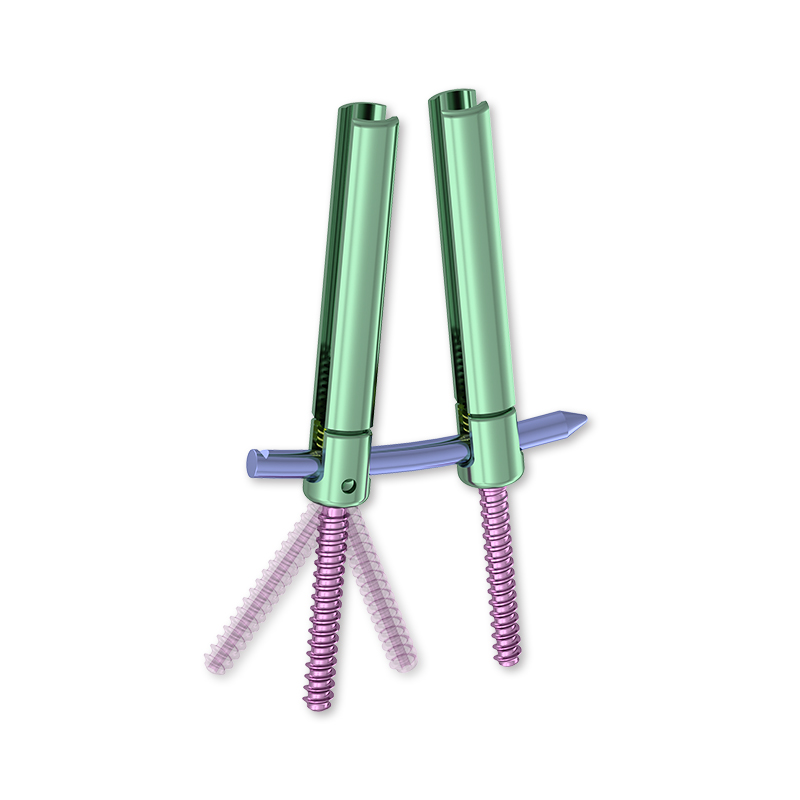
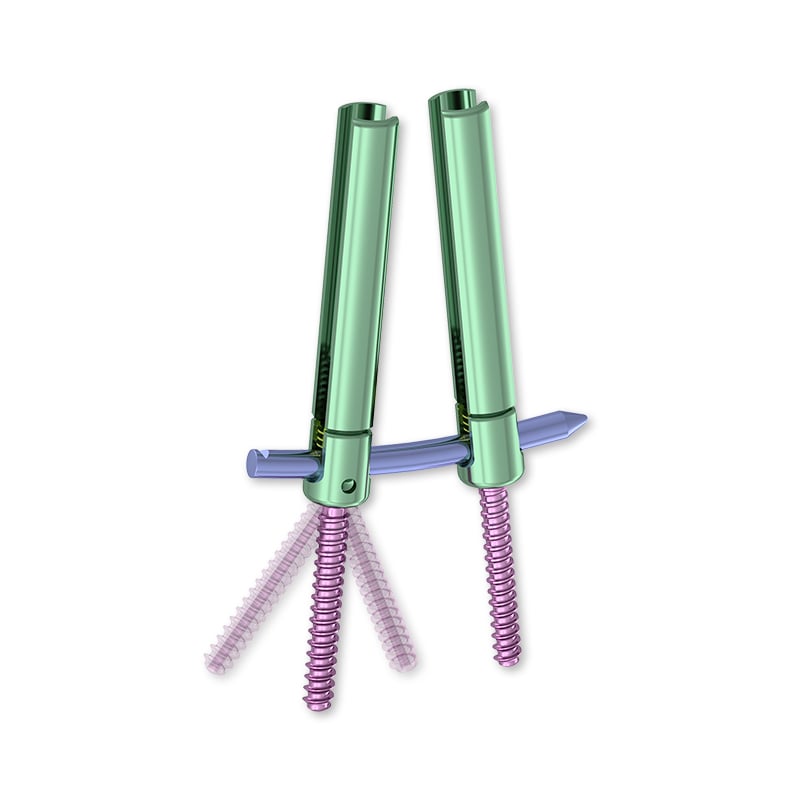
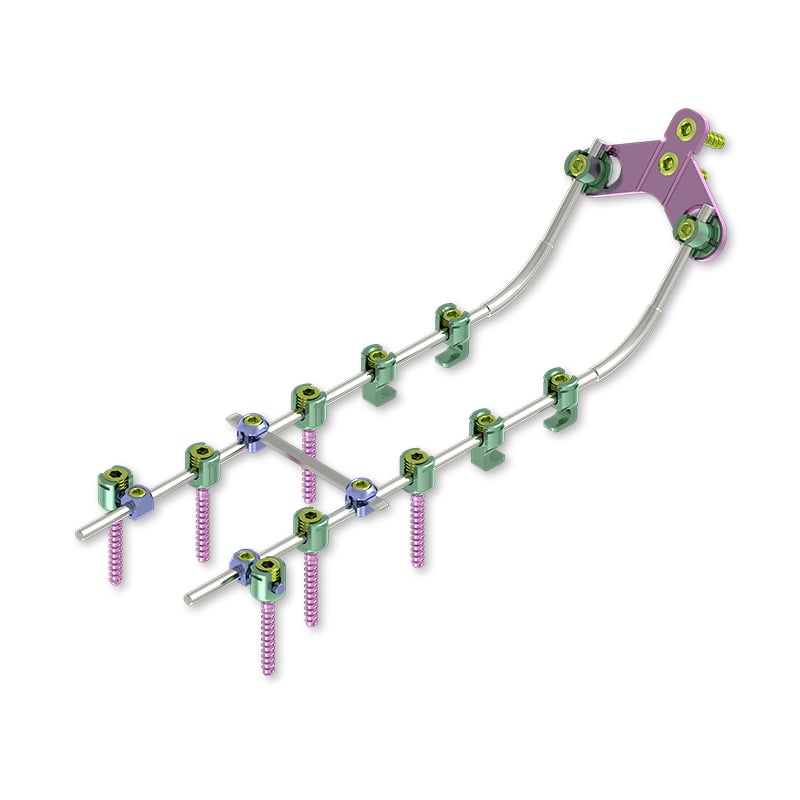
The modular spinal screw represents a significant advancement in spinal fusion and stabilization surgery, offering surgeons unprecedented flexibility and precision during complex procedures. This innovative implant system consists of interconnected components that can be customized according to individual patient anatomy and specific surgical requirements. The modular spinal screw features a unique design that allows surgeons to adjust screw length, diameter, and angulation independently, providing optimal fixation across diverse spinal pathologies. Its main functions include providing robust anchoring points for spinal rods, correcting deformities, stabilizing unstable segments, and facilitating bone fusion in degenerative conditions. The technological features of the modular spinal screw include a dual-thread design for enhanced purchase in osteoporotic bone, a low-profile tulip head to minimize soft tissue irritation, and a self-tapping tip that reduces insertion torque. The polyaxial capability permits multidirectional rod placement, accommodating complex anatomical variations and surgical approaches. These screws are manufactured from medical-grade titanium alloy or stainless steel, ensuring biocompatibility and mechanical strength. Applications span a wide spectrum of spinal conditions including scoliosis correction, spondylolisthesis stabilization, traumatic fracture fixation, tumor reconstruction, and revision surgeries. The modular spinal screw system is compatible with minimally invasive techniques, reducing surgical trauma and accelerating patient recovery. By offering customizable configurations and reliable performance, the modular spinal screw has become an essential tool in modern spinal surgery, addressing the limitations of traditional one-piece implants and enabling surgeons to achieve superior clinical outcomes across varied patient populations.

New Product Recommendations

The modular spinal screw delivers substantial advantages that directly translate into better surgical outcomes and enhanced patient satisfaction. First, the adaptability of this system means surgeons can modify the implant configuration during surgery without maintaining extensive inventory, reducing hospital costs and storage requirements significantly. This flexibility proves invaluable when unexpected anatomical variations are encountered intraoperatively, eliminating delays and the need for additional implant sets. Second, patients benefit from reduced operative time because the modular spinal screw allows quick adjustments without removing and reinserting components, minimizing tissue trauma and blood loss. The versatile design accommodates both standard and complex cases, making it suitable for primary procedures and challenging revision surgeries where anatomical landmarks may be distorted. Third, the enhanced biomechanical stability provided by the modular spinal screw promotes faster fusion rates and reduces the risk of hardware failure or loosening over time. The superior bone purchase achieved through advanced thread geometry is especially beneficial for patients with compromised bone quality, including elderly individuals with osteoporosis. Fourth, hospitals appreciate the operational efficiency gained through standardized instrumentation that works across multiple screw sizes and types, streamlining surgical trays and simplifying staff training. The modular spinal screw system supports both open and minimally invasive approaches, giving surgeons procedural options that align with patient needs and clinical evidence. Fifth, the cost-effectiveness becomes apparent through reduced revision rates, shorter hospital stays, and faster patient return to normal activities. For healthcare administrators evaluating spinal implant systems, the modular spinal screw represents a strategic investment that balances clinical performance with economic considerations, ultimately supporting institutional goals of delivering high-quality care while maintaining financial sustainability in an increasingly competitive healthcare environment.

Tips And Tricks

What Are the Indications for Using Pedicle Screw in Degenerative Spine Disease?

02

Jun

What Are the Indications for Using Pedicle Screw in Degenerative Spine Disease?

Degenerative spine disease encompasses a broad spectrum of conditions that progressively compromise spinal stability, alignment, and neurological function. As these conditions advance, conservative management often fails to provide adequate relief, a...
View More
How Does Spinal Screw Improve Outcomes in Scoliosis Correction Surgery?

06

Jul

How Does Spinal Screw Improve Outcomes in Scoliosis Correction Surgery?

Scoliosis correction surgery is one of the most technically demanding procedures in spinal care, requiring precise instrumentation to restore alignment and maintain long-term stability. At the center of modern surgical technique, the spinal screw has...
View More
What Are the Clinical Indications for Using Spinal Screw in Spine Trauma?

06

Jul

What Are the Clinical Indications for Using Spinal Screw in Spine Trauma?

When surgeons evaluate a patient with spine trauma, one of the most critical decisions they face is whether to use a spinal screw for stabilization. A spinal screw serves as the mechanical foundation of posterior fixation systems, anchoring rods or p...
View More
How Does Spinal Screw Fixation Improve Stability in Spinal Fusion Surgery?

06

Jul

How Does Spinal Screw Fixation Improve Stability in Spinal Fusion Surgery?

Spinal fusion surgery is one of the most common and technically demanding procedures in orthopedic and neurosurgical practice. At the heart of this procedure lies a critical mechanical principle: the spine must be held in precise alignment while bone...
View More

Get a Free Quote

Our representative will contact you soon.
Email
Name
Company Name
Message
0/1000

modular spinal screw

Customizable Configuration for Optimal Patient Fit

Customizable Configuration for Optimal Patient Fit

The modular spinal screw stands out through its exceptional customization capabilities that address the unique anatomical requirements of each patient. Unlike traditional fixed-design implants, this system allows surgeons to independently select and combine components such as screw body diameter, thread length, and tulip head type during the procedure itself. This real-time adaptability proves particularly valuable when dealing with transitional anatomy, congenital variations, or post-traumatic deformities where standard implants may not provide adequate fixation. The modular spinal screw design incorporates interchangeable elements that maintain structural integrity while offering versatility, ensuring that patients receive precisely tailored treatment rather than compromise solutions. Surgeons can optimize screw trajectory and rod positioning to achieve ideal biomechanical alignment, which directly influences fusion success rates and long-term stability. This customization extends to accommodating different surgical approaches, whether posterior, anterior, or lateral, without requiring entirely separate implant systems. The ability to make intraoperative adjustments reduces the likelihood of suboptimal placement that might necessitate revision surgery, thereby improving patient safety and satisfaction while reducing overall healthcare costs associated with corrective procedures.
Enhanced Bone Fixation in Challenging Conditions

Enhanced Bone Fixation in Challenging Conditions

The modular spinal screw incorporates advanced engineering features specifically designed to maximize bone purchase even in compromised skeletal conditions. The dual-thread geometry creates differential compression between cortical and cancellous bone layers, distributing mechanical loads more evenly and reducing stress concentration points that could lead to loosening. This design consideration becomes critically important when treating patients with osteoporosis, metabolic bone disease, or those requiring revision surgery in previously instrumented regions where bone quality may be diminished. The self-tapping tip of the modular spinal screw reduces insertion torque requirements, minimizing the risk of pedicle fracture during placement while maintaining strong pull-out resistance. Surface treatments applied to these implants promote osseointegration, encouraging bone growth directly onto the implant surface for biological fixation that complements mechanical stability. Clinical studies have demonstrated that the modular spinal screw achieves superior fixation strength compared to conventional designs, translating into lower rates of hardware failure and pseudoarthrosis. For surgeons managing complex spinal pathologies, this enhanced fixation capability expands treatment options and improves confidence in addressing cases that might otherwise be considered high-risk, ultimately enabling more patients to benefit from surgical stabilization.
Streamlined Surgical Workflow and Efficiency

Streamlined Surgical Workflow and Efficiency

The modular spinal screw system revolutionizes operating room efficiency through intelligent design that simplifies surgical workflow without compromising precision or safety. The standardized instrumentation platform works seamlessly across all screw sizes and configurations, eliminating confusion and reducing the learning curve for surgical teams. This consistency means that operating room staff can prepare and manage surgical trays more efficiently, reducing setup time and minimizing the risk of incorrect instrument selection during critical procedural moments. The modular spinal screw features intuitive connection mechanisms that provide tactile and audible feedback when components are properly seated, giving surgeons immediate confirmation without requiring fluoroscopic verification for every step. The low-profile design reduces the surgical exposure needed for implant placement, supporting minimally invasive techniques that result in less muscle dissection, reduced blood loss, and faster patient recovery. Intraoperative flexibility means fewer cases are delayed or complicated by unavailable implant sizes, improving surgical scheduling reliability and operating room utilization rates. For healthcare facilities, the modular spinal screw represents an investment in operational excellence that benefits surgeons through enhanced control, patients through improved outcomes, and administrators through better resource management and procedural throughput in busy surgical departments.

Get a Free Quote

Our representative will contact you soon.
Email
Name
Company Name
Message
0/1000
Newsletter
Please Leave A Message With Us