Spinal Fixation Screw - Medical Implant Solutions

All Categories

Get a Free Quote

Our representative will contact you soon.
Email
Name
Company Name
Message
0/1000

spinal fixation screw

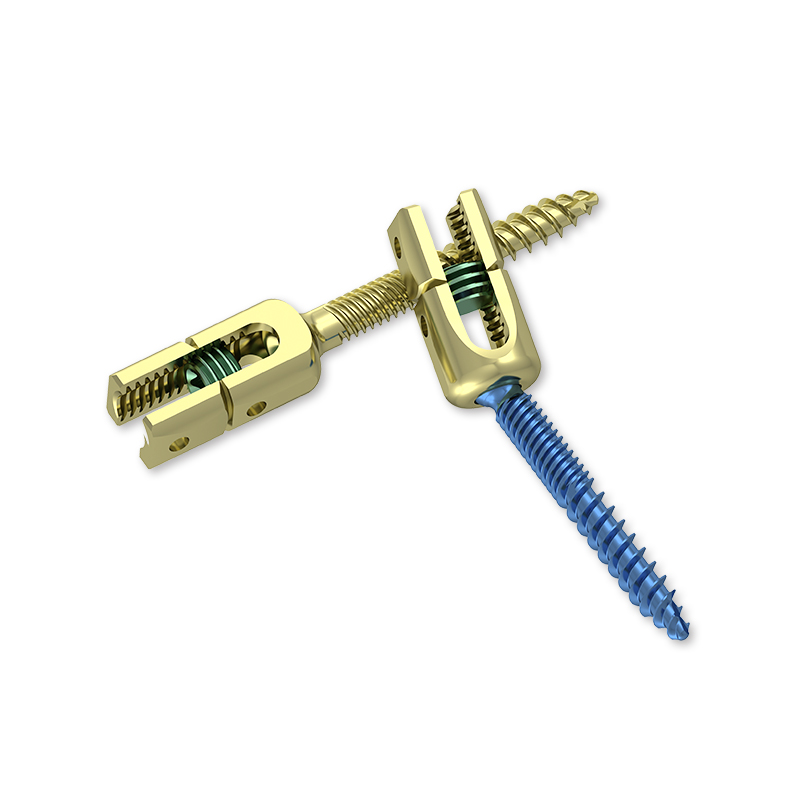
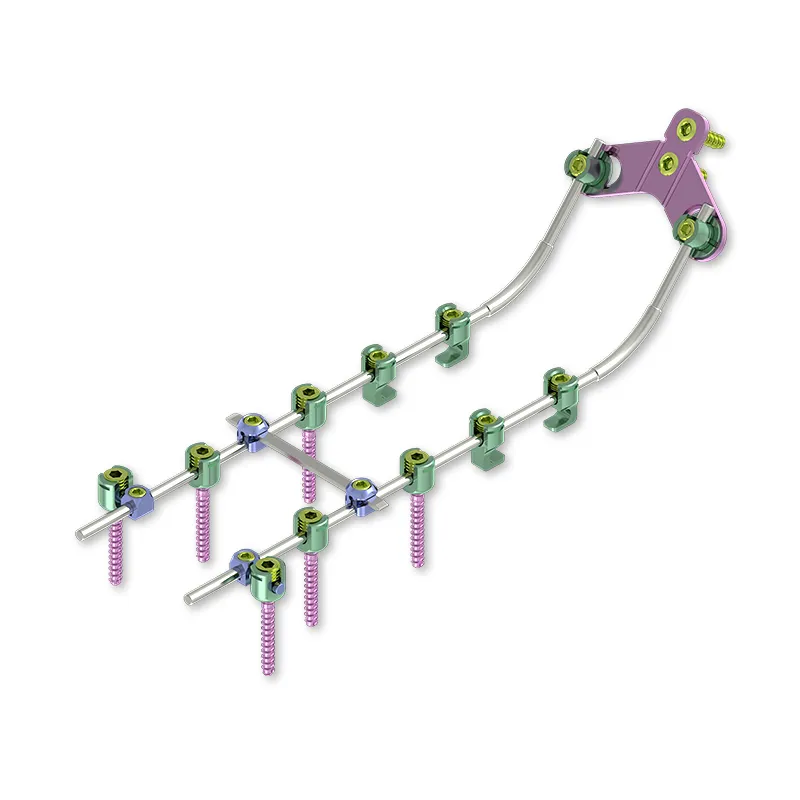
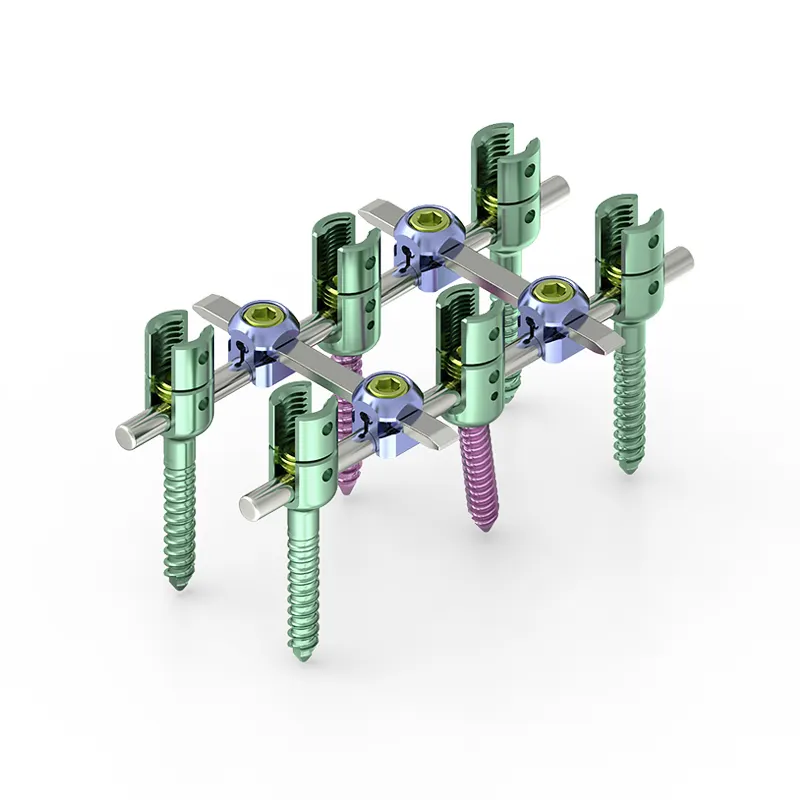
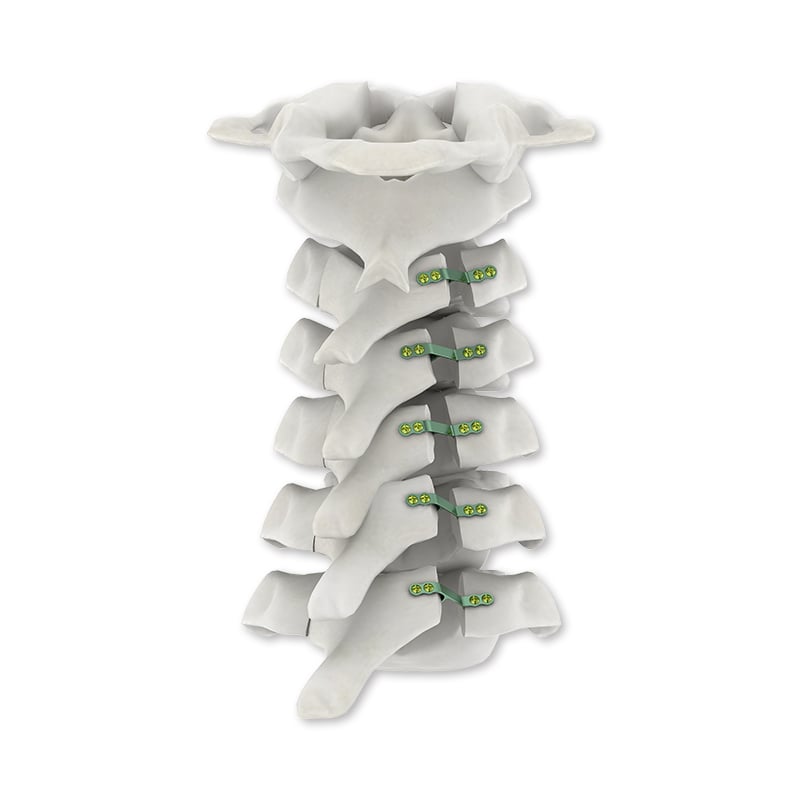
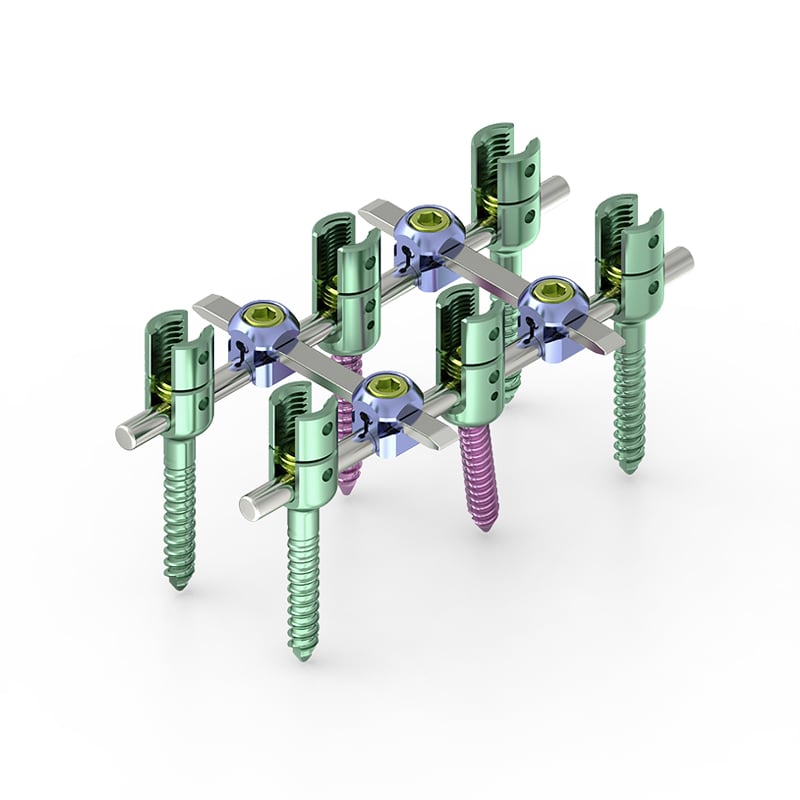
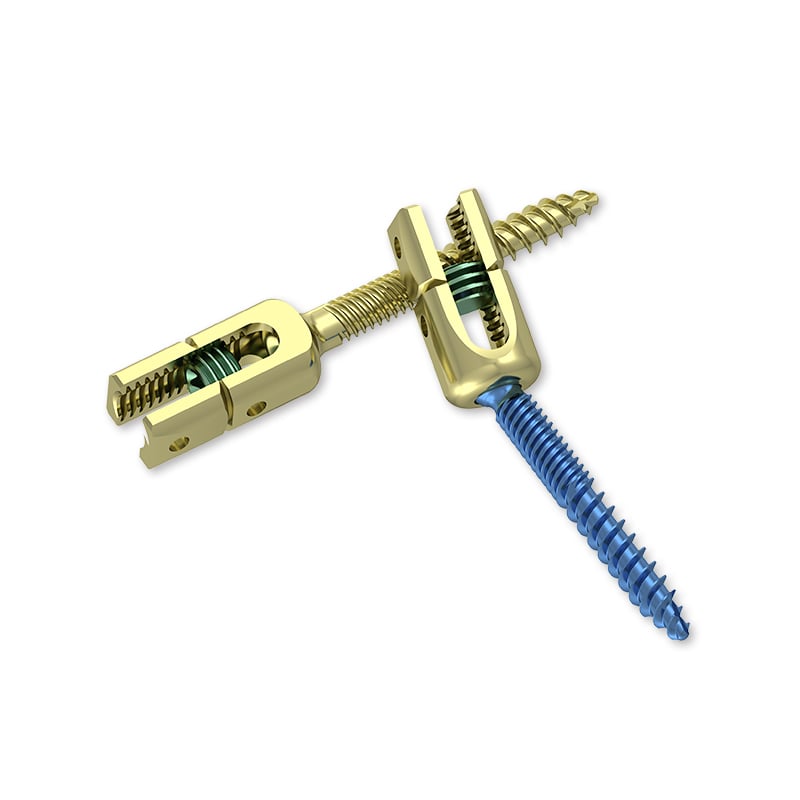
A spinal fixation screw is a specialized medical device designed to stabilize and support the vertebral column during spinal surgery procedures. These precision-engineered implants serve as anchoring points that secure rods, plates, or other stabilization hardware to the spine, providing essential structural support during the healing process. The spinal fixation screw plays a critical role in treating various spinal conditions, including fractures, degenerative disc disease, scoliosis, and spinal instability. Manufactured from biocompatible materials such as titanium alloy or stainless steel, these screws are designed to integrate safely within the bone structure while maintaining exceptional strength and durability. Modern spinal fixation screw technology features advanced thread designs that enhance purchase in bone tissue, self-tapping capabilities for simplified insertion, and cannulated designs that allow for guided placement. The screw's diameter, length, and thread configuration are carefully engineered to match specific anatomical requirements and surgical approaches. Surgeons utilize these implants in both minimally invasive and open surgical procedures across cervical, thoracic, and lumbar spine regions. The spinal fixation screw works in conjunction with connecting rods and other instrumentation to create a rigid construct that immobilizes affected spinal segments, promoting proper fusion and alignment. This stabilization reduces pain, prevents further injury, and enables patients to maintain functional mobility during recovery. The device represents a cornerstone technology in modern spinal surgery, with continuous innovations improving insertion techniques, osseointegration properties, and long-term clinical outcomes for patients requiring spinal reconstruction or stabilization procedures.

Popular Products

Choosing the right spinal fixation screw offers multiple practical benefits that directly impact surgical outcomes and patient recovery. These implants provide immediate mechanical stability to injured or diseased spinal segments, reducing pain and preventing further damage during the critical healing phase. The robust anchoring capability ensures that spinal alignment remains consistent throughout the fusion process, which is essential for achieving optimal long-term results. Patients benefit from improved mobility and quality of life as the spinal fixation screw maintains proper vertebral positioning while natural bone healing progresses. From an operational perspective, modern designs simplify surgical procedures through features like self-drilling tips and cannulated cores that accept guidewires for precise placement. This efficiency reduces operating room time, minimizes tissue trauma, and decreases patient exposure to anesthesia. The biocompatible materials used in manufacturing promote safe integration with surrounding bone tissue while resisting corrosion in the body's physiological environment. Surgeons appreciate the versatility of these implants, as various sizes and configurations accommodate different anatomical requirements and surgical approaches. The spinal fixation screw proves suitable for diverse applications ranging from trauma cases requiring emergency stabilization to elective procedures addressing degenerative conditions. Decision-making becomes clearer when understanding that these devices have decades of clinical evidence supporting their safety and effectiveness. The investment in quality fixation hardware translates to reduced revision surgery rates and better patient satisfaction scores. Healthcare facilities benefit from predictable inventory management due to standardized sizing systems, while patients gain peace of mind knowing their treatment utilizes proven technology. The combination of mechanical strength, biological compatibility, and surgical convenience makes the spinal fixation screw an essential component in comprehensive spine care programs, delivering measurable value throughout the entire treatment continuum from surgical planning through complete recovery.

Latest News

How Does Spinal Screw Improve Outcomes in Scoliosis Correction Surgery?

06

Jul

How Does Spinal Screw Improve Outcomes in Scoliosis Correction Surgery?

Scoliosis correction surgery is one of the most technically demanding procedures in spinal care, requiring precise instrumentation to restore alignment and maintain long-term stability. At the center of modern surgical technique, the spinal screw has...
View More
How Does Spinal Screw Design Enhance Mechanical Strength and Fixation?

06

Jul

How Does Spinal Screw Design Enhance Mechanical Strength and Fixation?

In modern spinal surgery, the pedicle screw is one of the most critical implants used to stabilize the vertebral column. Whether the procedure involves deformity correction, fracture management, or spinal fusion, the pedicle screw serves as the prima...
View More
Why Is Accurate Spinal Screw Placement Crucial for Patient Safety?

06

Jul

Why Is Accurate Spinal Screw Placement Crucial for Patient Safety?

Pedicle screw placement is one of the most technically demanding steps in spinal surgery. When a surgeon positions each screw with precision, the entire construct gains stability, and the patient's recovery is protected from preventable complications...
View More
How Can Distributors Assess Pedicle Screw Supplier Reliability?

06

Jul

How Can Distributors Assess Pedicle Screw Supplier Reliability?

Choosing the right pedicle screw supplier is one of the most consequential decisions a medical device distributor can make. A pedicle screw supplier directly affects patient safety, regulatory standing, and the commercial reputation of every distribu...
View More

Get a Free Quote

Our representative will contact you soon.
Email
Name
Company Name
Message
0/1000

spinal fixation screw

Superior Bone Purchase and Holding Strength

Superior Bone Purchase and Holding Strength

The spinal fixation screw features an optimized thread geometry that maximizes contact with surrounding bone tissue, creating exceptional holding strength even in compromised bone quality. This advanced thread design distributes mechanical loads evenly across the bone interface, reducing stress concentration points that could lead to loosening or pullout. The variable pitch threading allows for controlled insertion torque while achieving maximum fixation security, which is particularly valuable when treating patients with osteoporosis or poor bone density. The outer diameter and core diameter relationship is precisely calculated to provide optimal balance between strength and minimal bone removal during insertion. This engineering excellence ensures that the spinal fixation screw remains firmly anchored throughout the healing process, maintaining spinal alignment and stability. Surgeons can confidently apply corrective forces knowing the implant will resist migration or backout. The enhanced holding power reduces the risk of hardware failure and the need for revision surgery, directly benefiting patients through improved outcomes and lower long-term healthcare costs. This fundamental mechanical advantage makes the device reliable across diverse patient populations and clinical scenarios.
Biocompatible Materials for Safe Osseointegration

Biocompatible Materials for Safe Osseointegration

Each spinal fixation screw is manufactured from medical-grade titanium alloy or stainless steel that meets stringent biocompatibility standards, ensuring safe long-term implantation within the human body. These materials demonstrate excellent corrosion resistance in the physiological environment, preventing degradation that could compromise structural integrity or cause adverse tissue reactions. The surface finish is carefully controlled to promote osseointegration, the biological process where bone cells grow onto and bond with the implant surface. This integration creates a stable biological-mechanical interface that enhances overall construct stability over time. The non-magnetic properties of titanium alloys allow patients to safely undergo magnetic resonance imaging for diagnostic purposes without concerns about implant interaction or image artifacts. The material selection also considers mechanical properties such as fatigue strength and elastic modulus to ensure the spinal fixation screw can withstand repetitive physiological loading throughout years of service. Patients benefit from reduced inflammatory response and excellent tissue tolerance, which contributes to smoother recovery and fewer complications. The proven biocompatibility record spanning millions of successful implantations worldwide provides confidence that these materials represent the gold standard for permanent spinal implants.
Versatile Design for Multiple Surgical Approaches

Versatile Design for Multiple Surgical Approaches

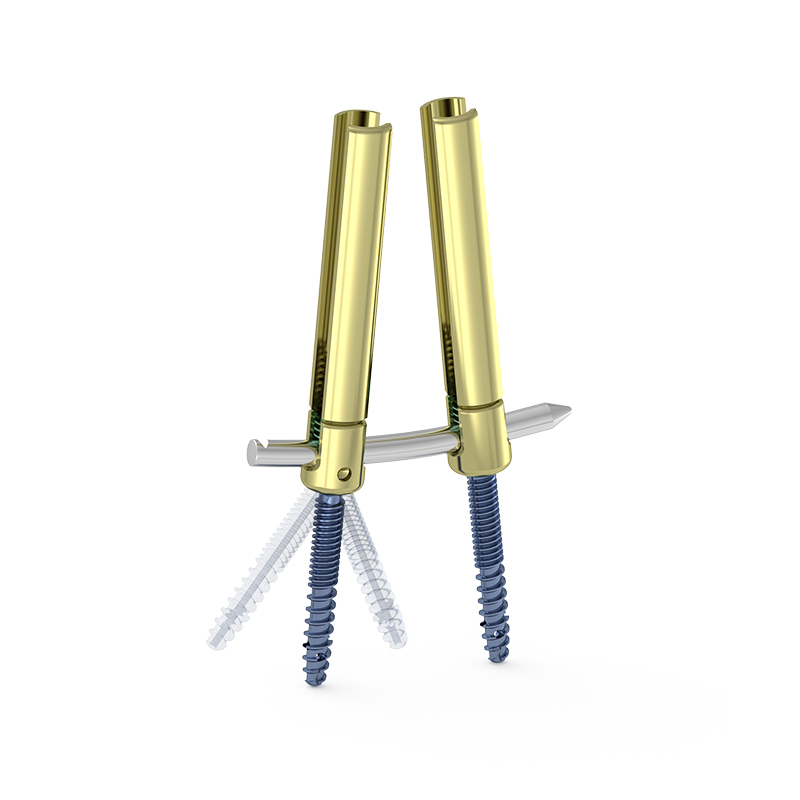
The spinal fixation screw is available in comprehensive size ranges and configuration options that accommodate various surgical techniques and anatomical requirements across the entire spine. Cannulated versions accept guidewires for percutaneous minimally invasive procedures, while solid-core designs provide maximum strength for open surgical approaches. The low-profile screw head designs minimize soft tissue irritation and facilitate easier rod placement during construct assembly. Polyaxial head options allow multi-directional angulation, giving surgeons flexibility to achieve optimal rod positioning even when screw trajectories vary due to anatomical constraints. This versatility enables treatment of complex deformities and revision cases where standard approaches may be limited. The spinal fixation screw adapts to anterior, posterior, and lateral surgical corridors, supporting diverse procedural preferences and patient-specific needs. Color-coded or laser-etched sizing markings ensure rapid identification in the surgical field, improving efficiency and reducing selection errors. The standardized connection interfaces ensure compatibility with various rod systems and ancillary instrumentation. This comprehensive design philosophy means that surgical teams can rely on a single fixation platform across their entire spinal practice, simplifying inventory management, reducing training requirements, and maintaining consistent quality standards regardless of case complexity or anatomical region being addressed.

Get a Free Quote

Our representative will contact you soon.
Email
Name
Company Name
Message
0/1000
Newsletter
Please Leave A Message With Us