Pedicle Spinal Screw: Advanced Fixation Solution

All Categories

Get a Free Quote

Our representative will contact you soon.
Email
Name
Company Name
Message
0/1000

pedicle spinal screw

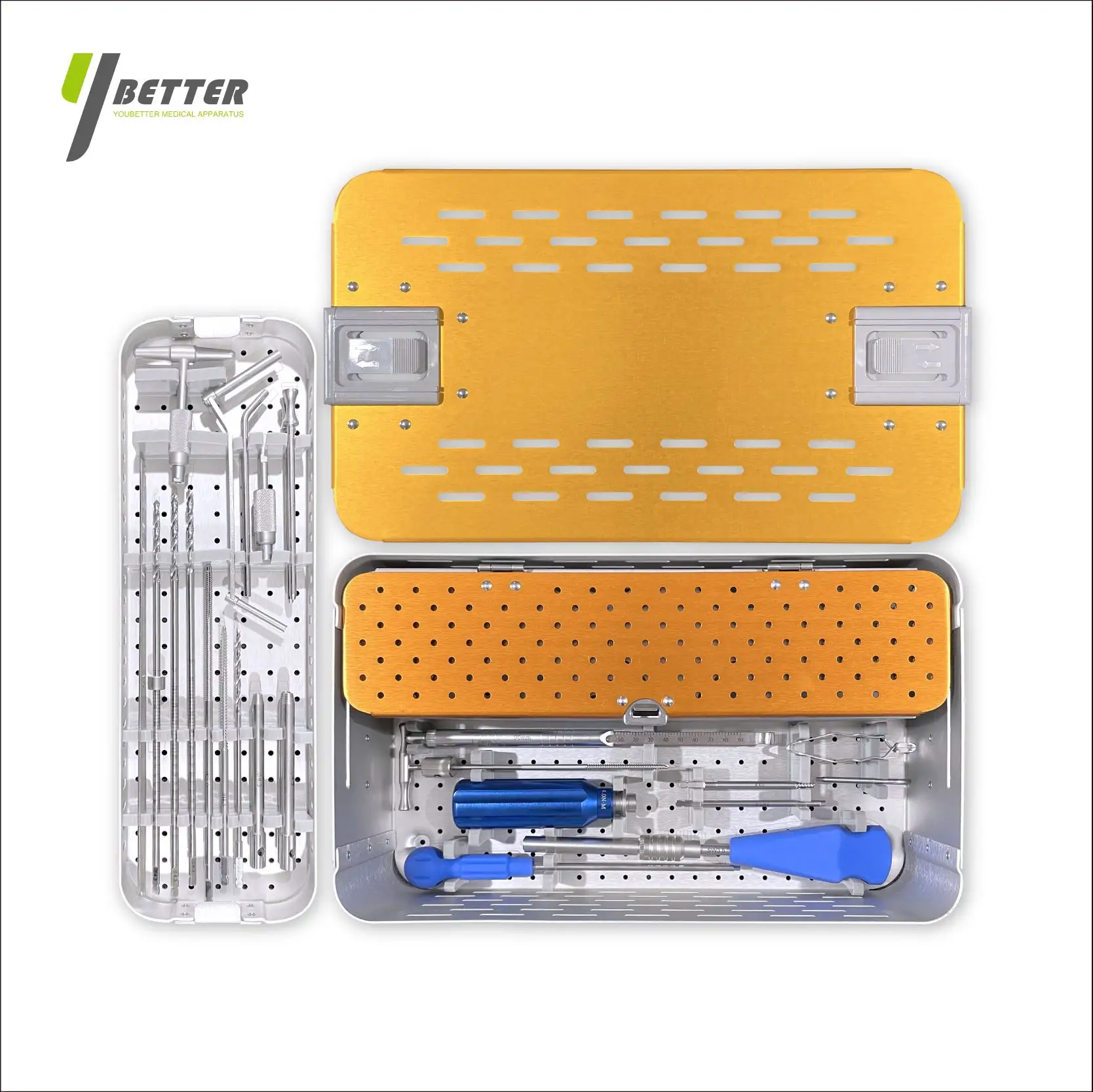
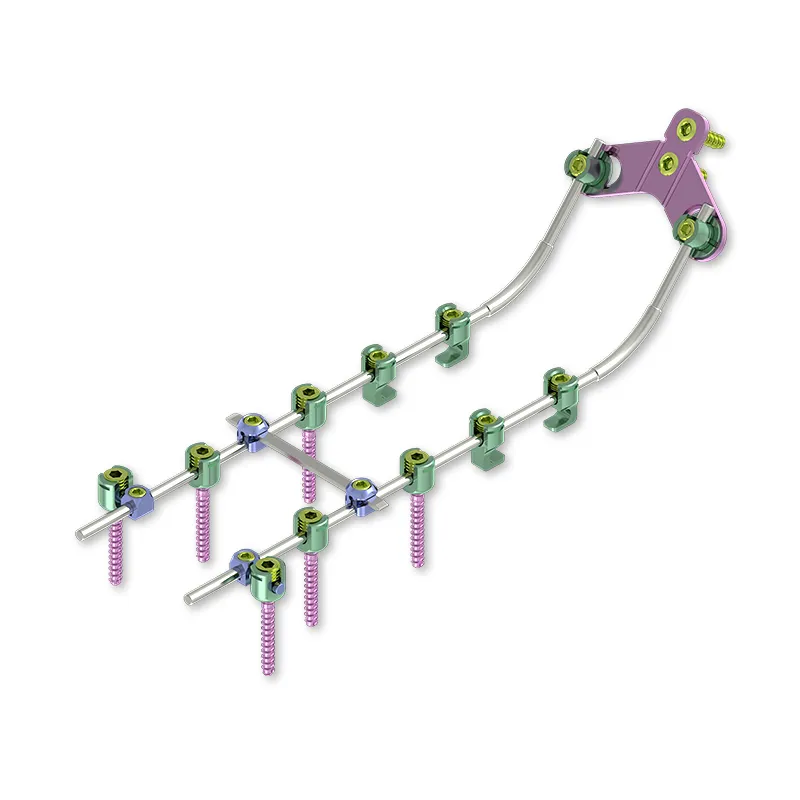
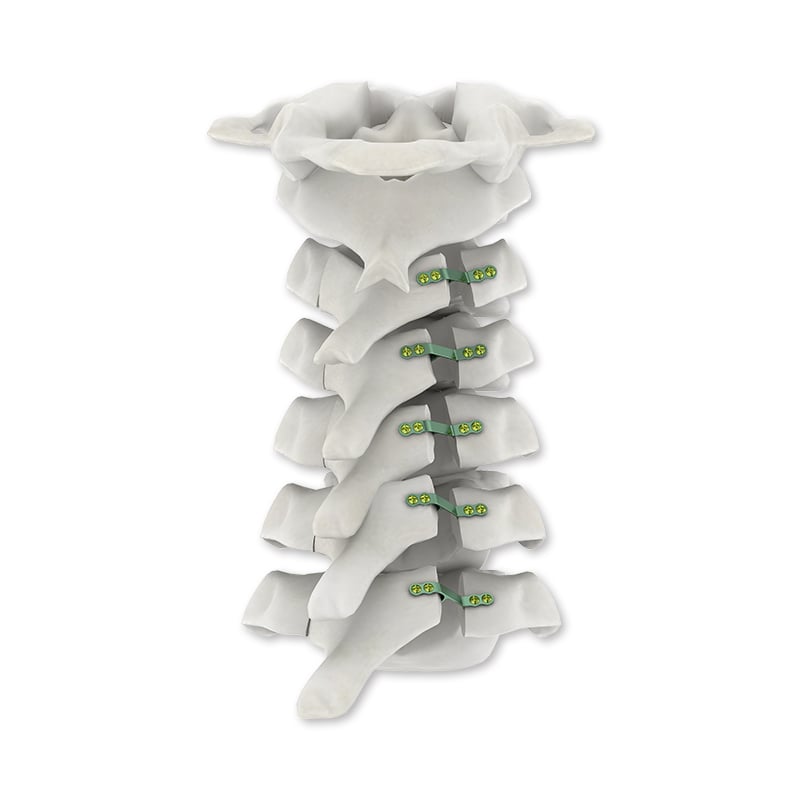
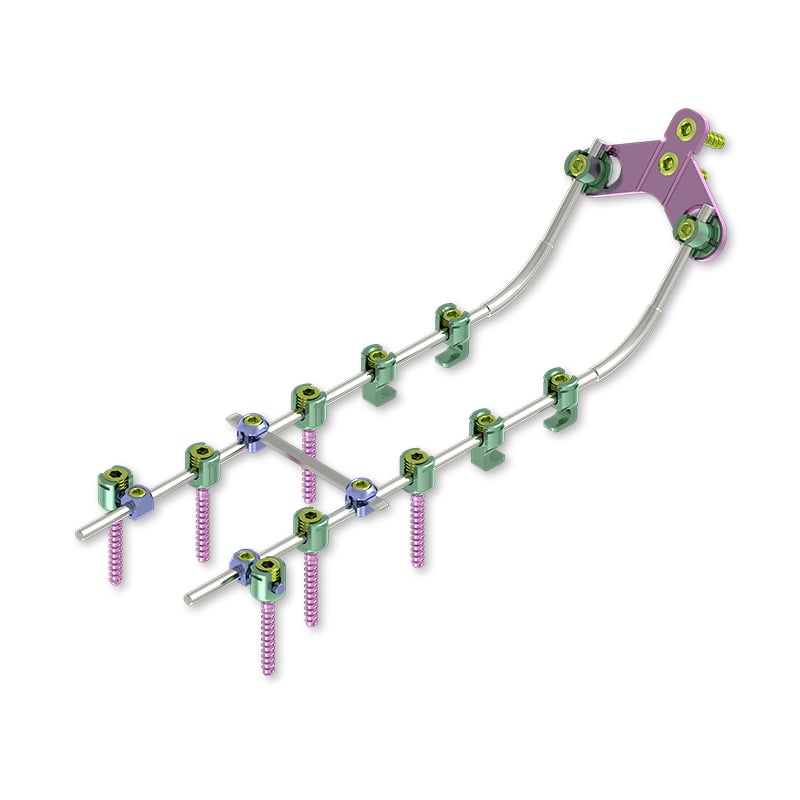
The pedicle spinal screw is a specialized orthopedic implant designed to stabilize and fuse vertebrae in spinal surgery procedures. This surgical device is inserted through the pedicle, the thick bony structure connecting the vertebral body to the posterior elements, providing robust fixation for spinal instrumentation systems. The pedicle spinal screw serves as an anchor point for rods and connectors that maintain proper spinal alignment during the healing process. Its primary functions include correcting spinal deformities, stabilizing fractured vertebrae, treating degenerative disc disease, and supporting fusion procedures. Technologically, these screws feature advanced thread designs that maximize purchase in bone tissue, self-tapping tips for easier insertion, and cannulated options that allow guidewire-assisted placement for enhanced accuracy. Many pedicle spinal screw systems incorporate polyaxial heads that enable multi-directional angulation, facilitating rod placement and accommodating individual patient anatomy. The screws are manufactured from biocompatible materials such as titanium alloy or stainless steel, ensuring long-term durability and minimal tissue reaction. Applications span various spinal conditions including scoliosis correction, spondylolisthesis treatment, trauma stabilization, and tumor reconstruction. The pedicle spinal screw has become the gold standard in posterior spinal fixation due to its superior biomechanical strength compared to alternative fixation methods. Surgeons rely on these implants across all spinal regions, from cervical to lumbar levels, making them indispensable in modern spinal surgery practice.

New Product Recommendations

Choosing the pedicle spinal screw offers significant practical benefits that directly impact surgical outcomes and patient recovery. The primary advantage lies in superior mechanical stability, as these screws provide three-column fixation that resists multiple directional forces, reducing the risk of hardware failure and promoting successful fusion. This exceptional stability translates to earlier patient mobilization and decreased postoperative pain, allowing individuals to return to daily activities faster than with alternative fixation methods. From an operational perspective, the pedicle spinal screw simplifies surgical procedures through standardized instrumentation sets and compatible rod systems that streamline the implantation process. Surgeons benefit from versatile application suitability, as these screws accommodate various spinal pathologies and can be used in minimally invasive approaches, reducing tissue trauma and blood loss. The polyaxial design feature provides exceptional flexibility during rod placement, compensating for anatomical variations and reducing surgical time. Hospitals and surgical centers gain operational benefits through the widespread adoption and proven track record of pedicle spinal screw systems, ensuring reliable supply chains and comprehensive surgeon training programs. The biomechanical performance of these screws has been validated through extensive clinical research, giving decision-makers confidence in their investment. Patients experience improved quality of life through durable spinal stabilization that addresses pain and neurological symptoms effectively. The compatibility with imaging technologies allows precise preoperative planning and intraoperative navigation, enhancing placement accuracy and safety. Cost-effectiveness emerges from reduced revision rates and shorter hospital stays, making the pedicle spinal screw a value-driven choice for healthcare facilities. The widespread clinical acceptance and regulatory approvals worldwide provide assurance of quality standards and ongoing product support.

Practical Tips

How Do Orthopedic Implants Contribute to Minimally Invasive Surgery?

02

Jun

How Do Orthopedic Implants Contribute to Minimally Invasive Surgery?

The evolution of surgical medicine has brought forward one of the most significant shifts in patient care: the widespread adoption of minimally invasive surgery. At the heart of this transformation lies the role of orthopedic implants, which have bee...
View More
How Do Pedicle Screw Systems Support Scoliosis Correction Surgery?

02

Jun

How Do Pedicle Screw Systems Support Scoliosis Correction Surgery?

Scoliosis correction surgery is one of the most technically demanding procedures in modern spinal orthopedics. The ability to realign a severely curved spine, restore sagittal balance, and maintain long-term structural integrity depends heavily on th...
View More
How to Choose the Right Pedicle Screw Size for Lumbar Fusion Procedures?

02

Jun

How to Choose the Right Pedicle Screw Size for Lumbar Fusion Procedures?

Selecting the correct pedicle screw size for lumbar fusion procedures is one of the most consequential decisions a spine surgeon makes during operative planning. The diameter, length, and thread design of each pedicle screw directly influence fixatio...
View More
How Does Spinal Screw Design Enhance Mechanical Strength and Fixation?

06

Jul

How Does Spinal Screw Design Enhance Mechanical Strength and Fixation?

In modern spinal surgery, the pedicle screw is one of the most critical implants used to stabilize the vertebral column. Whether the procedure involves deformity correction, fracture management, or spinal fusion, the pedicle screw serves as the prima...
View More

Get a Free Quote

Our representative will contact you soon.
Email
Name
Company Name
Message
0/1000

pedicle spinal screw

Advanced Biomechanical Fixation Strength

Advanced Biomechanical Fixation Strength

The pedicle spinal screw delivers unmatched biomechanical fixation strength through its strategic anatomical placement and engineering design. By traversing the pedicle and anchoring into the vertebral body, this screw engages the densest bone structures in the spine, creating a foundation that withstands physiological loads during movement and healing. The thread geometry is precisely calculated to maximize pullout resistance while minimizing insertion torque, allowing secure fixation even in compromised bone quality situations such as osteoporosis. This biomechanical advantage is critical for patients requiring long-segment constructs or those with degenerative conditions where bone integrity may be suboptimal. The three-dimensional purchase achieved by the pedicle spinal screw creates a stable environment for fusion, significantly reducing pseudarthrosis rates compared to hook or wire fixation systems. Surgeons can confidently address complex deformities knowing the implant will maintain correction throughout the fusion process. The enhanced stability also permits early weight-bearing and rehabilitation, accelerating functional recovery and reducing complications associated with prolonged immobilization. This biomechanical superiority represents a fundamental value proposition for both surgical teams and patients seeking reliable long-term outcomes.
Polyaxial Head Technology for Surgical Flexibility

Polyaxial Head Technology for Surgical Flexibility

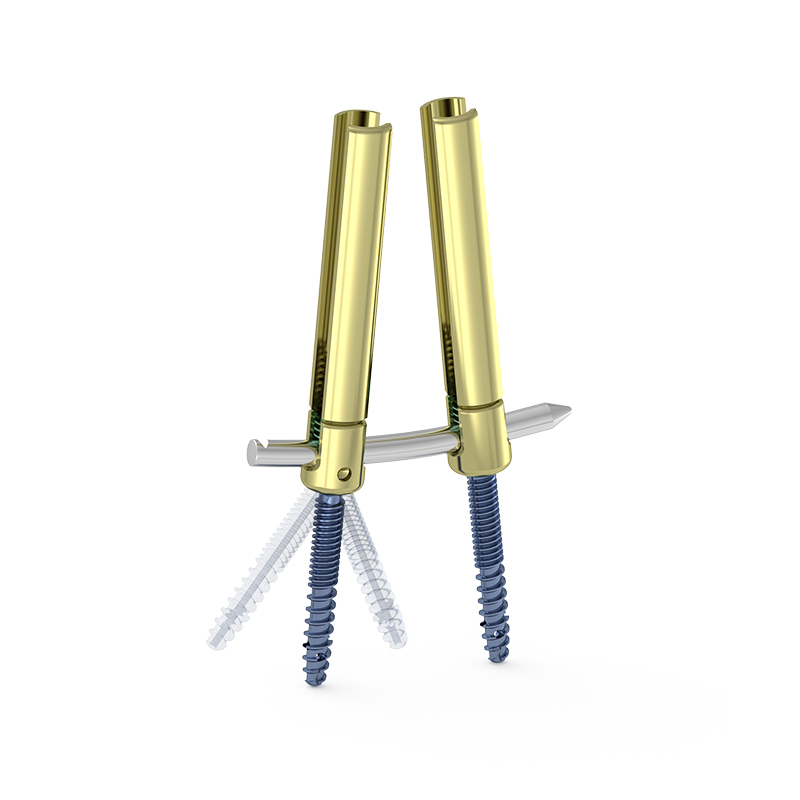
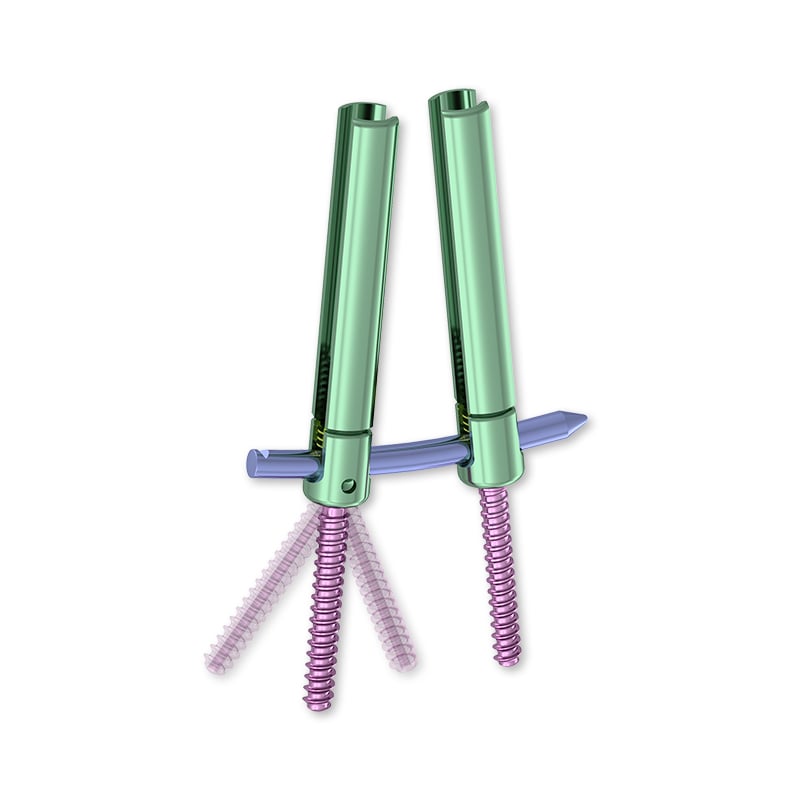
Modern pedicle spinal screw systems incorporate polyaxial head technology that revolutionizes surgical adaptability and precision. Unlike fixed-angle screws, polyaxial designs allow the screw head to articulate in multiple planes after insertion, accommodating anatomical variations and simplifying rod placement across multiple vertebral levels. This flexibility is invaluable when addressing complex spinal deformities where vertebral alignment varies significantly from normal anatomy. Surgeons can insert each pedicle spinal screw along the optimal trajectory for maximum bone purchase, then adjust the head angle during rod seating without compromising fixation integrity. This feature dramatically reduces the need for screw repositioning, decreasing operative time and minimizing tissue disruption. The polyaxial mechanism also distributes stress more evenly across the construct, reducing the risk of screw loosening or breakage under cyclic loading. For minimally invasive procedures, this technology enables percutaneous screw placement through small incisions while maintaining the ability to connect screws with rods despite limited visualization. The practical benefit extends to revision surgeries where existing anatomy or previous hardware constrains new implant positioning. Healthcare facilities benefit from reduced inventory requirements since polyaxial pedicle spinal screw systems accommodate diverse surgical scenarios with fewer specialized components.
Biocompatible Materials for Long-Term Integration

Biocompatible Materials for Long-Term Integration

The pedicle spinal screw is manufactured from premium biocompatible materials that ensure safe long-term integration within the human body. Titanium alloy formulations, particularly Ti-6Al-4V, represent the most common material choice due to their exceptional strength-to-weight ratio, corrosion resistance, and proven biological tolerance. These materials undergo rigorous surface treatment processes that enhance osseointegration, promoting bone growth directly onto the implant surface and creating a biological bond that reinforces mechanical fixation. The biocompatibility of these materials minimizes inflammatory responses and allergic reactions, critical factors for patient safety and comfort over the decades these implants typically remain in place. Stainless steel alternatives offer cost-effective options with excellent mechanical properties for specific clinical applications. The material selection also considers imaging compatibility, with titanium allowing superior visualization on MRI and CT scans compared to stainless steel, facilitating postoperative assessment and future diagnostic imaging. Manufacturers employ strict quality control protocols and adhere to international standards such as ASTM and ISO specifications, ensuring consistent material properties across production batches. The durability of these materials means the pedicle spinal screw maintains structural integrity throughout the patient's lifetime, eliminating concerns about degradation or mechanical failure. This material excellence provides lasting value and peace of mind for patients and surgical teams alike.

Get a Free Quote

Our representative will contact you soon.
Email
Name
Company Name
Message
0/1000
Newsletter
Please Leave A Message With Us