Monoaxial Spinal Screw: Stability & Precision

All Categories

Get a Free Quote

Our representative will contact you soon.
Email
Name
Company Name
Message
0/1000

monoaxial spinal screw

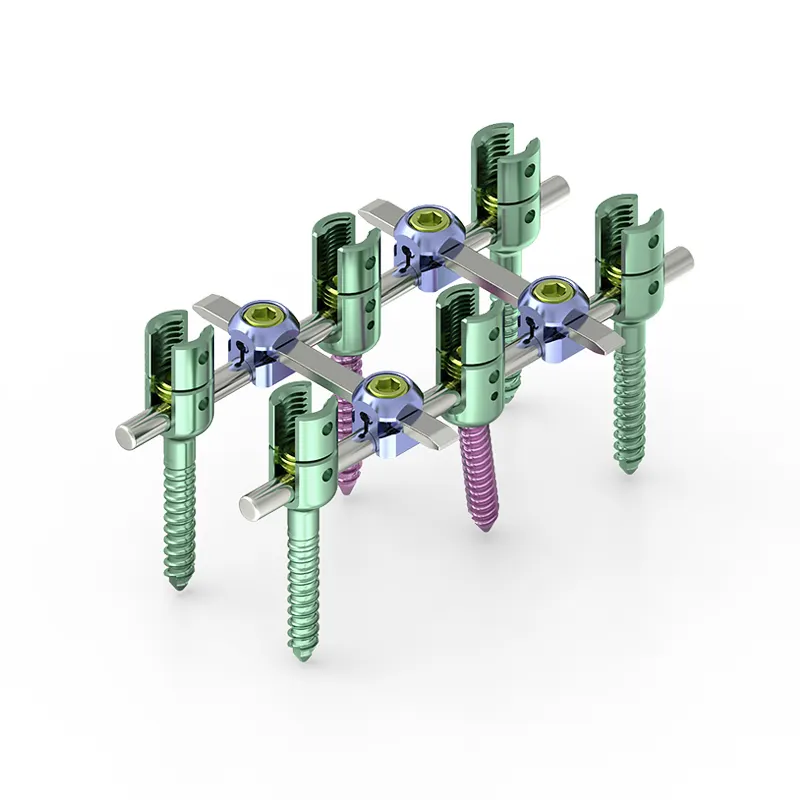
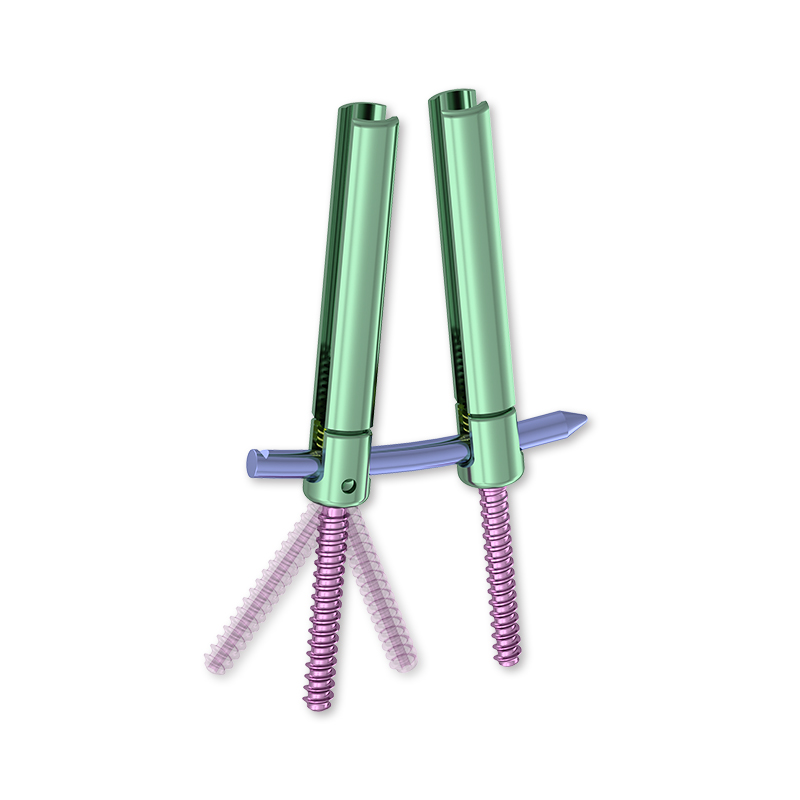
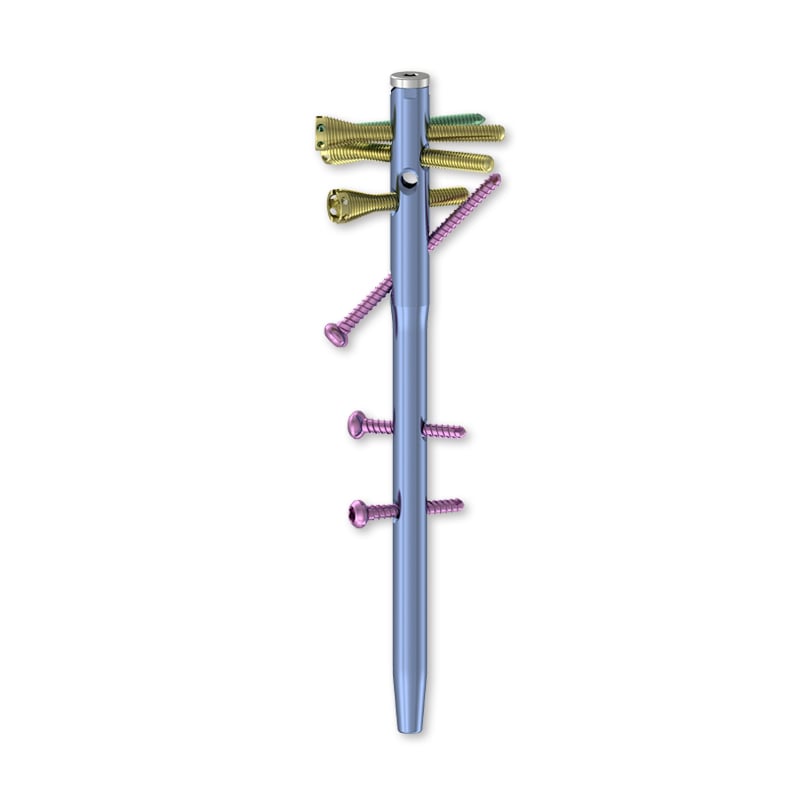
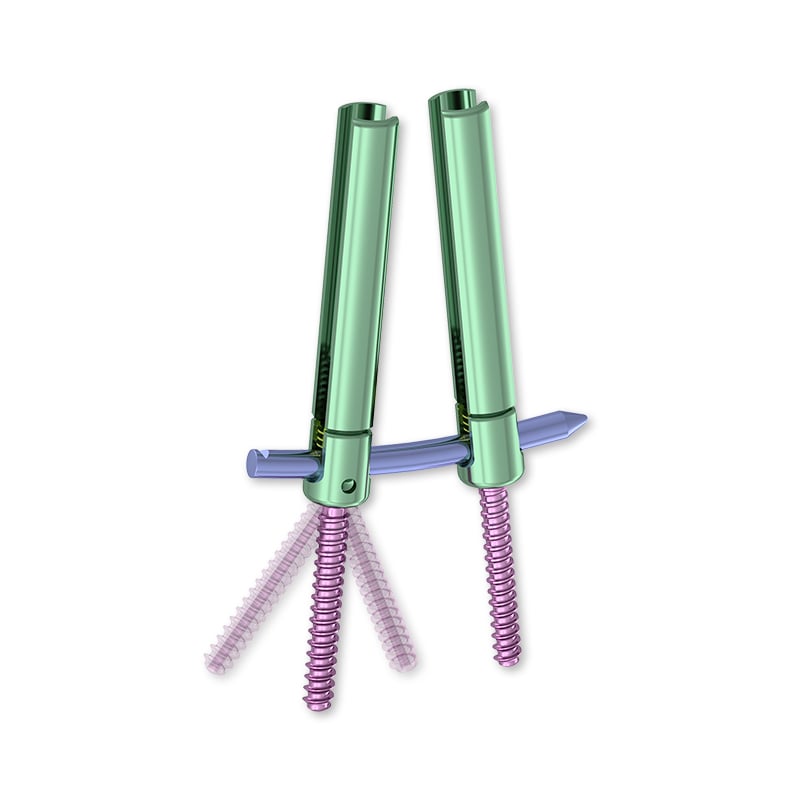
The monoaxial spinal screw is a specialized orthopedic implant designed for spinal fusion and stabilization procedures. This fixed-angle screw system provides rigid fixation between vertebrae, making it an essential component in treating spinal disorders, trauma, and degenerative conditions. Unlike polyaxial screws that allow angular adjustment, the monoaxial spinal screw features a fixed head design where the rod sits in a predetermined position, offering maximum stability and precise alignment control. The primary function of the monoaxial spinal screw is to anchor spinal rods securely to the vertebrae, creating a stable construct that promotes bone fusion while maintaining proper spinal alignment. Its technological features include a self-tapping thread design for optimal bone purchase, a low-profile head to minimize soft tissue irritation, and biocompatible materials such as titanium alloy or stainless steel that ensure long-term durability. The screw's fixed-angle design eliminates micromotion at the screw-rod interface, which is particularly beneficial in cases requiring maximum rigidity. Applications of the monoaxial spinal screw span multiple spinal conditions including spondylolisthesis, spinal fractures, scoliosis correction, and degenerative disc disease. Surgeons often select this implant when precise rod positioning is critical and when the surgical approach allows for accurate screw placement. The monoaxial spinal screw is commonly used in posterior spinal fusion procedures across cervical, thoracic, and lumbar regions, providing reliable fixation that supports the healing process and helps patients regain spinal function and stability.

Popular Products

Choosing the monoaxial spinal screw offers distinct practical benefits that directly impact surgical outcomes and patient recovery. The fixed-angle design delivers superior rigidity compared to adjustable systems, which translates to enhanced stability during the critical fusion period. This increased stability reduces the risk of construct failure and promotes faster bone healing, ultimately improving patient outcomes and satisfaction. For healthcare facilities, the operational benefits are significant. The straightforward design of the monoaxial spinal screw simplifies inventory management since fewer component variations are needed. Surgical teams appreciate the predictable performance and reduced complexity during procedures, which can lead to shorter operating times and improved workflow efficiency. The elimination of locking mechanisms required in polyaxial systems reduces potential points of failure and simplifies the surgical technique. From a cost perspective, the monoaxial spinal screw typically represents a more economical option without compromising quality or performance. This value proposition helps healthcare providers optimize their budgets while maintaining high standards of patient care. The application suitability of the monoaxial spinal screw makes it ideal for cases where anatomical alignment is straightforward and precise control is paramount. Surgeons can rely on consistent performance in procedures requiring maximum fixation strength, such as trauma cases or revisions where bone quality may be compromised. The robust construction withstands physiological loads effectively, providing long-term support for spinal structures. For patients, the practical benefits include reduced implant profile that minimizes discomfort, durable materials that support lifelong function, and proven clinical track record that inspires confidence. The design accommodates natural healing processes while maintaining the corrected spinal position, supporting better functional outcomes and quality of life improvements.

Practical Tips

How Do Orthopedic Implants Contribute to Minimally Invasive Surgery?

02

Jun

How Do Orthopedic Implants Contribute to Minimally Invasive Surgery?

The evolution of surgical medicine has brought forward one of the most significant shifts in patient care: the widespread adoption of minimally invasive surgery. At the heart of this transformation lies the role of orthopedic implants, which have bee...
View More
How Do Pedicle Screw Systems Support Scoliosis Correction Surgery?

02

Jun

How Do Pedicle Screw Systems Support Scoliosis Correction Surgery?

Scoliosis correction surgery is one of the most technically demanding procedures in modern spinal orthopedics. The ability to realign a severely curved spine, restore sagittal balance, and maintain long-term structural integrity depends heavily on th...
View More
How Can Distributors Assess Pedicle Screw Supplier Reliability?

06

Jul

How Can Distributors Assess Pedicle Screw Supplier Reliability?

Choosing the right pedicle screw supplier is one of the most consequential decisions a medical device distributor can make. A pedicle screw supplier directly affects patient safety, regulatory standing, and the commercial reputation of every distribu...
View More
How Does Spinal Screw Fixation Improve Stability in Spinal Fusion Surgery?

06

Jul

How Does Spinal Screw Fixation Improve Stability in Spinal Fusion Surgery?

Spinal fusion surgery is one of the most common and technically demanding procedures in orthopedic and neurosurgical practice. At the heart of this procedure lies a critical mechanical principle: the spine must be held in precise alignment while bone...
View More

Get a Free Quote

Our representative will contact you soon.
Email
Name
Company Name
Message
0/1000

monoaxial spinal screw

Superior Stability Through Fixed-Angle Design

Superior Stability Through Fixed-Angle Design

The defining characteristic of the monoaxial spinal screw is its fixed-angle architecture, which provides unmatched stability in spinal fixation procedures. This design feature ensures that once the rod is seated in the screw head, there is zero angular play or micromotion at the junction point. The rigid connection created by the monoaxial spinal screw is particularly valuable in high-stress spinal regions where movement could compromise fusion success. The fixed relationship between screw and rod eliminates the possibility of post-operative settling or adjustment that can occur with multi-axial systems. This characteristic makes it the preferred choice for surgeons who require absolute predictability in their construct behavior. The enhanced rigidity also translates to better load distribution across the implant system, reducing stress concentrations that could lead to hardware failure. For patients undergoing complex corrections or those with compromised bone quality, this superior stability provides the foundational support necessary for successful fusion. The fixed-angle design of the monoaxial spinal screw represents a time-tested approach that continues to deliver reliable results in modern spinal surgery.
Simplified Surgical Technique and Efficiency

Simplified Surgical Technique and Efficiency

The monoaxial spinal screw offers significant advantages in surgical efficiency through its straightforward implantation technique. Unlike adjustable screw systems that require multiple steps for rod capture and angle adjustment, the monoaxial design streamlines the procedure with its simplified mechanics. Surgeons can quickly secure the rod in place without navigating complex locking mechanisms or making angular adjustments during critical moments of the operation. This efficiency is particularly beneficial in lengthy procedures where minimizing operative time reduces patient exposure to anesthesia and decreases infection risk. The predictable behavior of the monoaxial spinal screw allows surgical teams to work with confidence, knowing exactly how the implant will perform without variables introduced by adjustment features. Training new surgical staff becomes easier with the intuitive design, contributing to overall procedural consistency across different operators. The reduced number of steps also means fewer instruments are required in the surgical field, creating a cleaner workspace and reducing the cognitive load on the surgical team. For healthcare facilities focused on optimizing throughput without sacrificing quality, the monoaxial spinal screw delivers measurable improvements in case efficiency while maintaining excellent clinical outcomes.
Cost-Effective Solution Without Compromise

Cost-Effective Solution Without Compromise

The monoaxial spinal screw represents an intelligent balance between clinical performance and economic value, making it an attractive option for cost-conscious healthcare providers. The simpler manufacturing process compared to complex polyaxial systems translates to lower production costs, savings that can be passed along to hospitals and patients. However, this cost advantage never comes at the expense of quality or functionality. The monoaxial spinal screw utilizes the same high-grade biocompatible materials and undergoes identical rigorous testing as more expensive alternatives. Healthcare administrators appreciate how the monoaxial spinal screw helps control surgical costs while surgeons maintain access to reliable, effective fixation technology. The durability and proven performance record mean fewer revision procedures, which represents additional long-term cost savings for healthcare systems. Insurance providers and patients benefit from the favorable cost profile, which can improve access to necessary spinal procedures. The economic efficiency extends to inventory management as well, since the standardized design reduces the need to stock multiple component variations. For emerging markets and value-based care models, the monoaxial spinal screw offers an optimal solution that delivers clinical excellence while respecting budgetary constraints, proving that advanced spinal care can be both effective and economically sustainable.

Get a Free Quote

Our representative will contact you soon.
Email
Name
Company Name
Message
0/1000
Newsletter
Please Leave A Message With Us