Medical Grade Spinal Screw - Precision Implants

All Categories

Get a Free Quote

Our representative will contact you soon.
Email
Name
Company Name
Message
0/1000

medical grade spinal screw

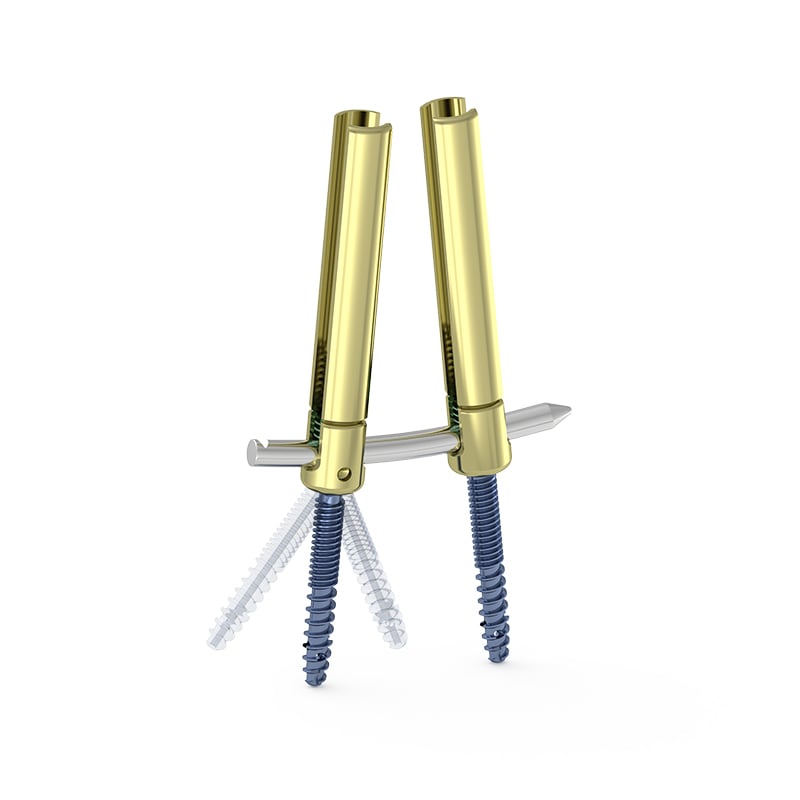
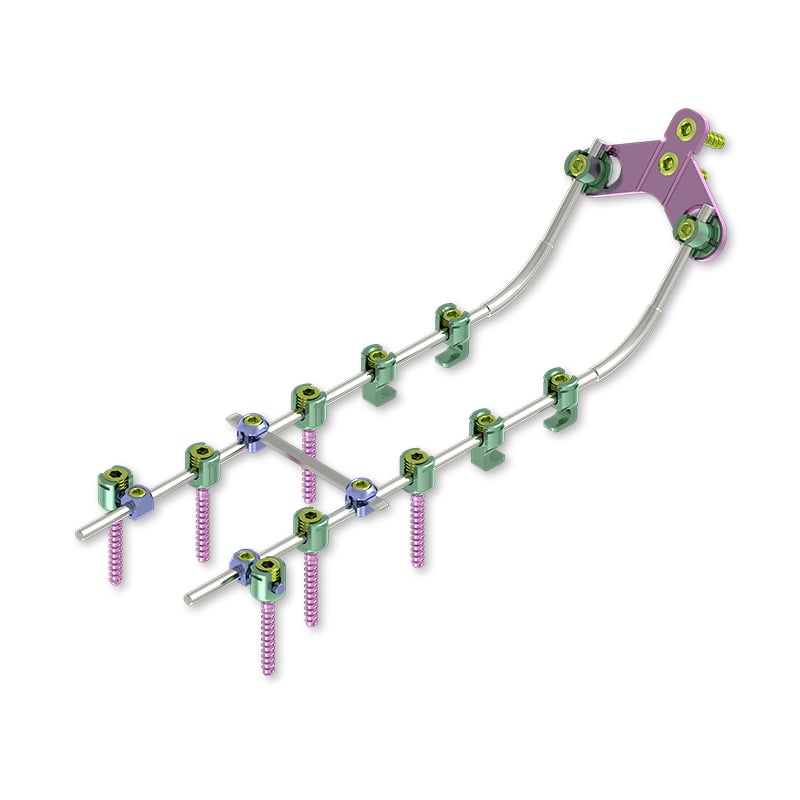
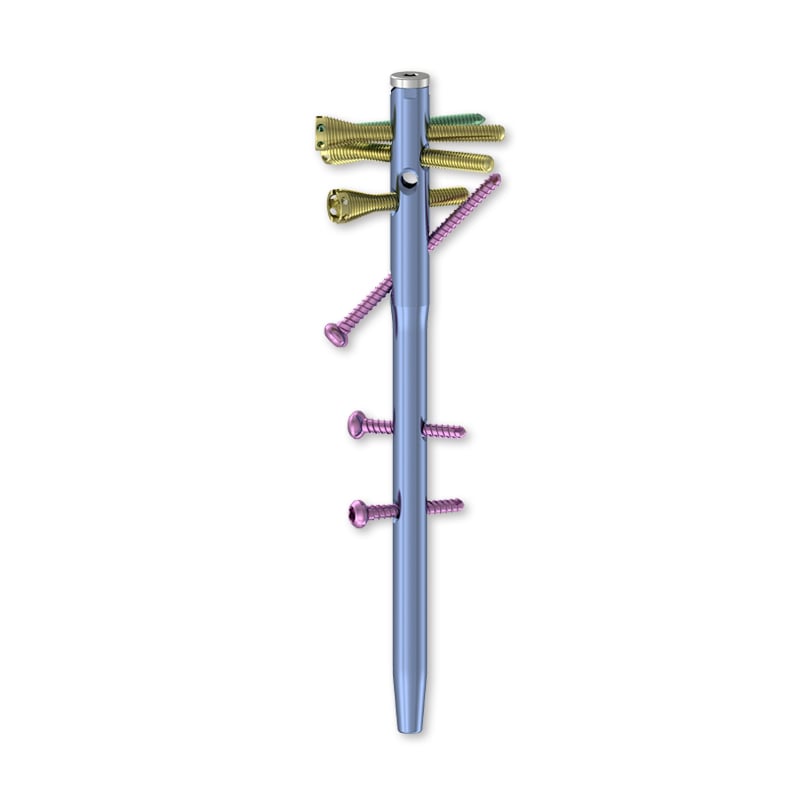
A medical grade spinal screw is a precision-engineered orthopedic implant designed to stabilize and secure the vertebral column during spinal fusion procedures. These specialized screws serve as critical anchoring devices that connect spinal rods, plates, and other instrumentation to the vertebrae, providing rigid fixation necessary for proper healing and alignment. Manufactured from biocompatible materials such as titanium alloy or stainless steel, the medical grade spinal screw meets stringent regulatory standards to ensure patient safety and optimal surgical outcomes. The primary function involves penetrating the pedicle or vertebral body to create a stable foundation for spinal reconstruction, correction of deformities, or treatment of traumatic injuries. Advanced technological features include self-tapping threads that facilitate insertion, cannulated designs allowing guidewire placement for enhanced accuracy, and varying diameter and length options to accommodate diverse anatomical requirements. Polyaxial head designs enable multidirectional adjustment, providing surgeons with flexibility during rod placement and alignment correction. The medical grade spinal screw incorporates surface treatments such as anodization or coating technologies that promote osseointegration, enhancing the biological bond between implant and bone tissue. Applications span degenerative disc disease, scoliosis correction, spinal stenosis, vertebral fractures, and tumor resection procedures. These devices prove essential in both minimally invasive and open surgical approaches, supporting various fixation techniques including posterior lumbar interbody fusion, transforaminal lumbar interbody fusion, and anterior cervical discectomy procedures. The consistent performance and reliability of the medical grade spinal screw make it an indispensable component in modern spinal surgery.

New Product Releases

Choosing a medical grade spinal screw offers substantial practical benefits that directly impact surgical success and patient recovery. The exceptional biocompatibility of these implants minimizes adverse tissue reactions, reducing complications and supporting faster healing processes. Patients experience improved stability in the treated spinal segments, which translates to better pain management and earlier mobilization after surgery. The precision manufacturing ensures consistent thread geometry and dimensional accuracy, allowing surgeons to confidently execute their surgical plans without unexpected insertion difficulties or hardware failures. The robust mechanical strength provides reliable load-bearing capacity, essential for supporting body weight and movement stresses during the critical fusion period. Operational benefits include streamlined surgical workflows, as the medical grade spinal screw features intuitive instrumentation systems that reduce procedure time and surgeon fatigue. The cannulated design option facilitates accurate placement using fluoroscopic guidance, minimizing radiation exposure and enhancing safety profiles. Application suitability extends across multiple spinal regions and pathologies, making these screws versatile solutions for diverse patient populations, from adolescent deformity corrections to elderly degenerative conditions. The surface treatments promote bone ingrowth, creating biological fixation that complements mechanical stability and potentially extends implant longevity. From a decision-making perspective, the medical grade spinal screw represents a proven technology with extensive clinical evidence supporting efficacy and safety. The standardized sizing systems simplify inventory management for healthcare facilities while ensuring availability when needed. Surgeons benefit from comprehensive training programs and technical support, fostering confidence in implant selection and utilization. Cost-effectiveness emerges through reduced revision rates and complications, ultimately decreasing overall treatment expenses. The regulatory compliance and quality certifications provide assurance of manufacturing excellence, giving healthcare providers and patients peace of mind regarding implant reliability and performance consistency throughout the demanding spinal fusion healing process.

Tips And Tricks

Why Is Pedicle Screw Accuracy Critical in Minimally Invasive Spine Surgery?

02

Jun

Why Is Pedicle Screw Accuracy Critical in Minimally Invasive Spine Surgery?

In the evolving landscape of spinal surgery, precision is not merely a technical preference — it is a clinical imperative. The pedicle screw has become the cornerstone of modern spinal fixation systems, offering surgeons a reliable anchor point...
View More
How to Choose the Right Pedicle Screw Size for Lumbar Fusion Procedures?

02

Jun

How to Choose the Right Pedicle Screw Size for Lumbar Fusion Procedures?

Selecting the correct pedicle screw size for lumbar fusion procedures is one of the most consequential decisions a spine surgeon makes during operative planning. The diameter, length, and thread design of each pedicle screw directly influence fixatio...
View More
What Role Does Spinal Screw Play in Complex Spinal Reconstruction?

06

Jul

What Role Does Spinal Screw Play in Complex Spinal Reconstruction?

In complex spinal reconstruction procedures, every implant must perform with precision and reliability. The spinal screw is one of the most critical components in these surgeries, serving as the primary anchor that holds rods, connectors, and bone se...
View More
How Does Spinal Screw Fixation Improve Stability in Spinal Fusion Surgery?

06

Jul

How Does Spinal Screw Fixation Improve Stability in Spinal Fusion Surgery?

Spinal fusion surgery is one of the most common and technically demanding procedures in orthopedic and neurosurgical practice. At the heart of this procedure lies a critical mechanical principle: the spine must be held in precise alignment while bone...
View More

Get a Free Quote

Our representative will contact you soon.
Email
Name
Company Name
Message
0/1000

medical grade spinal screw

Superior Biocompatible Materials Engineering

Superior Biocompatible Materials Engineering

The medical grade spinal screw utilizes advanced titanium alloys and medical-grade stainless steel that have been specifically formulated to achieve optimal biocompatibility and mechanical performance. These materials undergo rigorous testing to meet international standards for implantable devices, ensuring they resist corrosion in the physiological environment while maintaining structural integrity under cyclical loading conditions. The biocompatibility reduces the risk of inflammatory responses, allergic reactions, and implant rejection, which are critical considerations for devices that remain permanently within the body. Titanium alloys offer an excellent strength-to-weight ratio, providing robust fixation without excessive bulk, while their modulus of elasticity more closely matches bone compared to stainless steel alternatives. This mechanical compatibility reduces stress shielding effects that can compromise bone quality over time. Surface treatments applied to the medical grade spinal screw further enhance biocompatibility by creating micro-textured surfaces that encourage cellular attachment and bone formation. These engineered surfaces accelerate osseointegration, the process by which living bone bonds directly to the implant surface, creating a biological anchor that complements mechanical threads. The material selection also facilitates compatibility with advanced imaging modalities, allowing postoperative monitoring without significant artifact interference.
Precision Thread Design for Optimal Fixation

Precision Thread Design for Optimal Fixation

The thread geometry of a medical grade spinal screw represents sophisticated engineering tailored to maximize pullout strength and insertion control. Self-tapping threads eliminate the need for pre-tapping in many applications, streamlining surgical technique and reducing procedure time. The thread pitch, depth, and profile are optimized through biomechanical testing to achieve superior purchase in both healthy and osteoporotic bone, addressing the challenging fixation needs of elderly patients with compromised bone density. Variable thread designs along the screw length provide differential fixation characteristics, with aggressive threads near the tip for initial purchase and optimized proximal threads for cortical engagement. The medical grade spinal screw incorporates cutting flutes that efficiently remove bone debris during insertion, preventing thread clogging and ensuring complete seating. This precision threading minimizes insertion torque fluctuations that could indicate compromised fixation or inadvertent breach of cortical boundaries. The thread design also distributes mechanical loads across a larger bone interface, reducing stress concentrations that might cause microfractures or implant loosening. Advanced computational modeling and finite element analysis inform these design parameters, ensuring that each medical grade spinal screw delivers predictable performance across varied anatomical scenarios and surgical approaches.
Versatile Polyaxial Head Technology

Versatile Polyaxial Head Technology

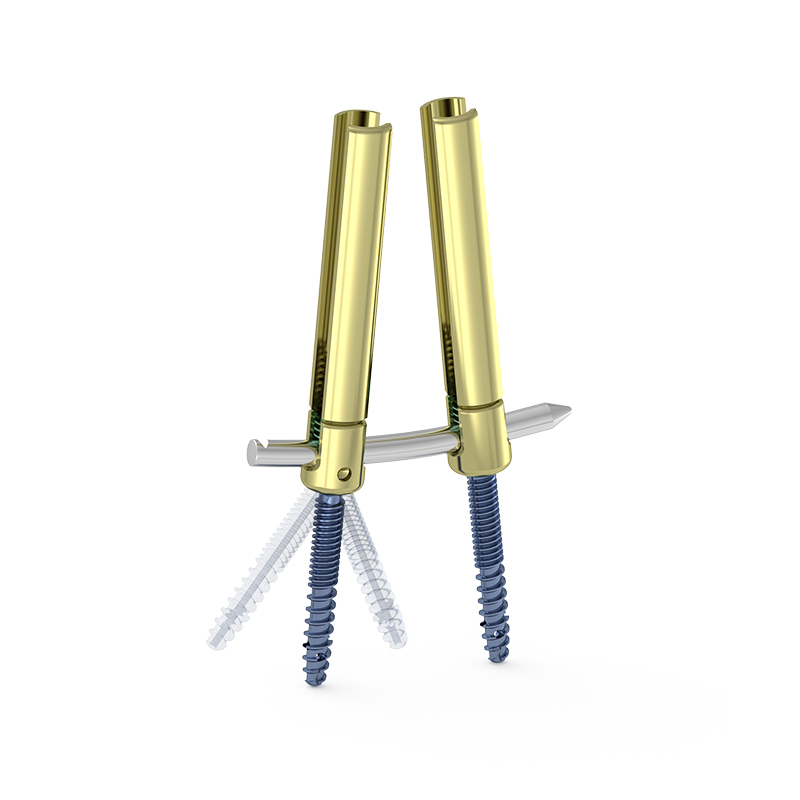
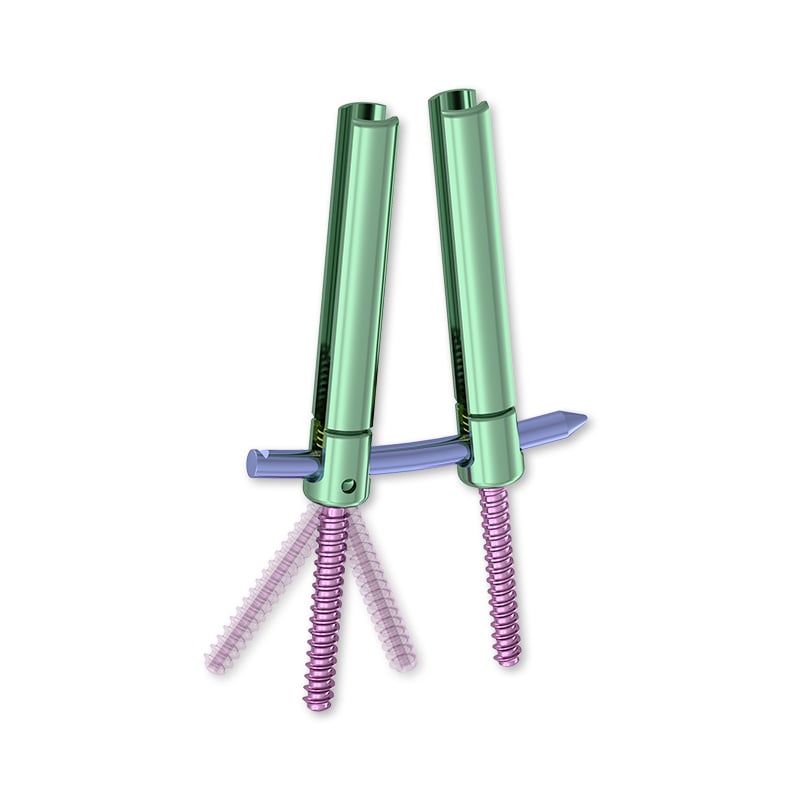
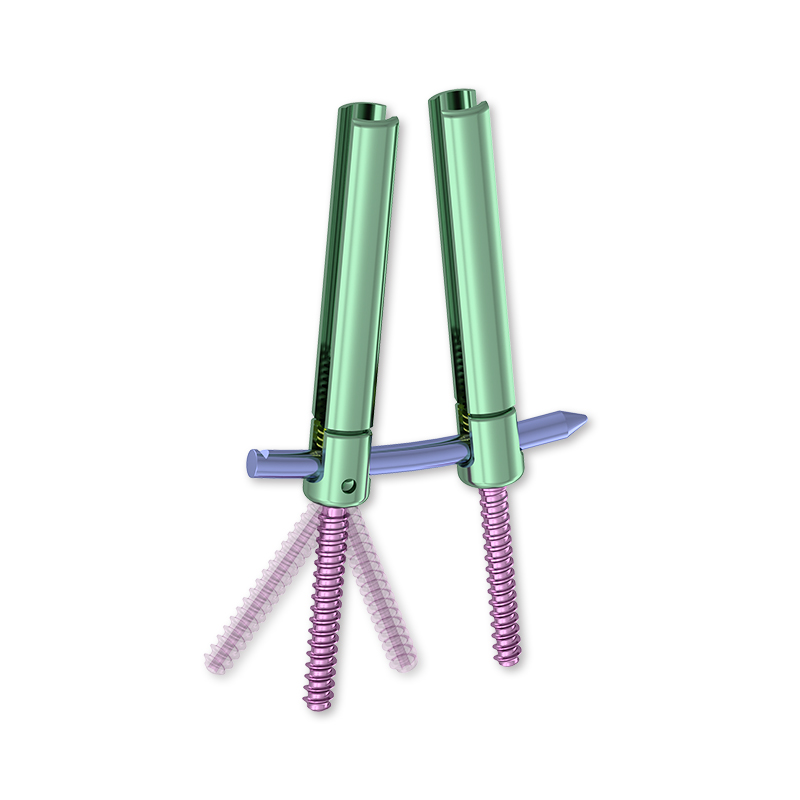
The polyaxial head design featured in many medical grade spinal screw systems provides surgeons with invaluable intraoperative flexibility for rod placement and spinal alignment correction. This innovative technology allows the tulip head to articulate through a wide range of angles relative to the screw shaft, accommodating anatomical variations and enabling precise three-dimensional correction of spinal deformities. The polyaxial mechanism facilitates rod insertion even when screw trajectories vary due to anatomical constraints or surgical approach limitations, reducing the need for screw repositioning and associated bone quality compromise. Secure locking mechanisms ensure that once the rod is seated and the set screw tightened, the construct achieves rigid fixation comparable to fixed-angle designs. The medical grade spinal screw with polyaxial capability particularly benefits complex reconstructions involving multiple vertebral levels, where achieving perfect parallel screw placement proves anatomically impossible. The reduced constraint during rod insertion minimizes forces transmitted to the bone-implant interface, potentially reducing fracture risk in osteoporotic patients. Different locking technologies, including break-off tabs and closure caps, provide options for various surgical preferences and approach limitations. This versatility makes the medical grade spinal screw adaptable to both standard and challenging anatomical presentations, supporting consistent surgical outcomes across diverse patient populations and pathological conditions requiring spinal stabilization.

Get a Free Quote

Our representative will contact you soon.
Email
Name
Company Name
Message
0/1000
Newsletter
Please Leave A Message With Us