Orthopedic Bone Screws - Surgical Solutions

All Categories

Get a Free Quote

Our representative will contact you soon.
Email
Name
Company Name
Message
0/1000

orthopedic bone screws

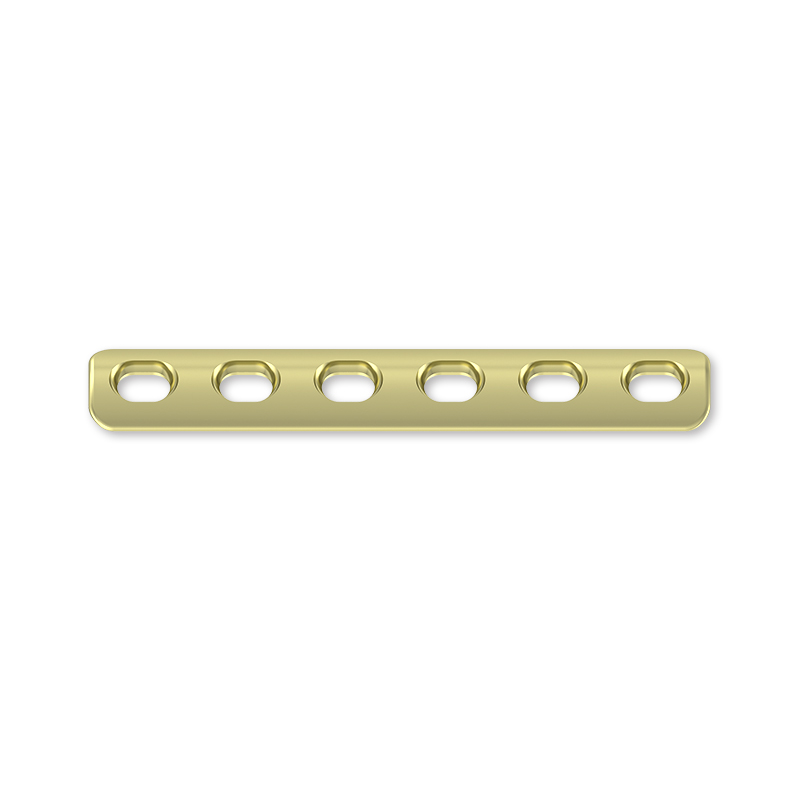
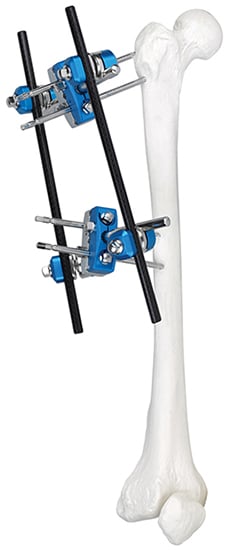
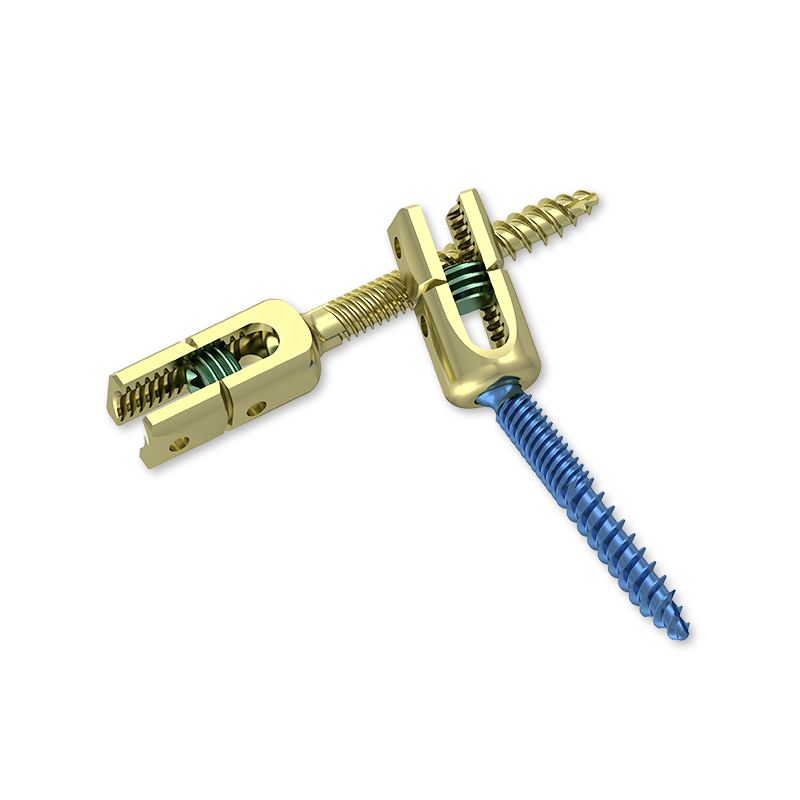
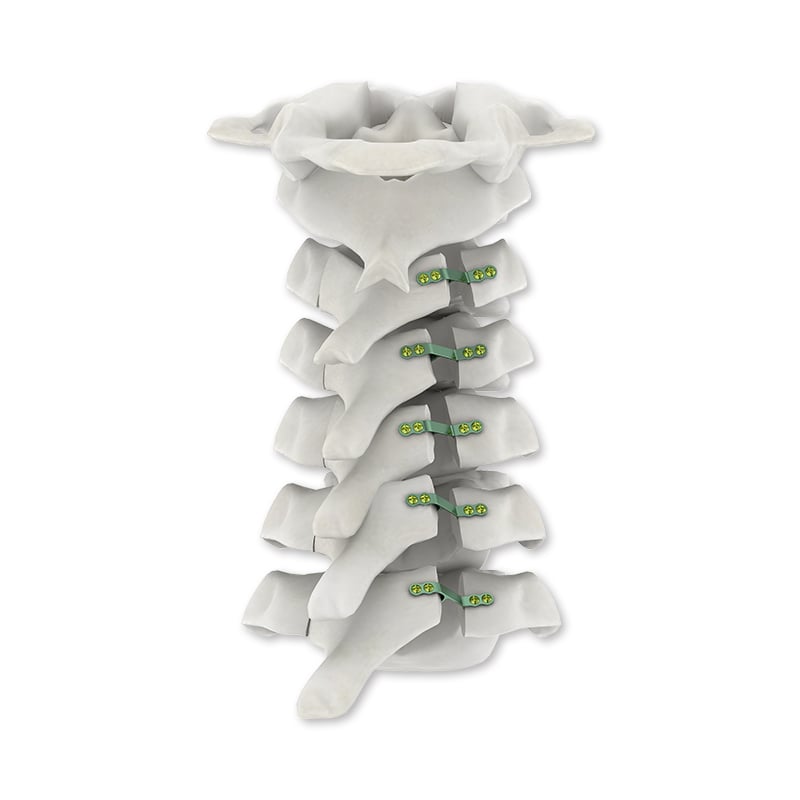
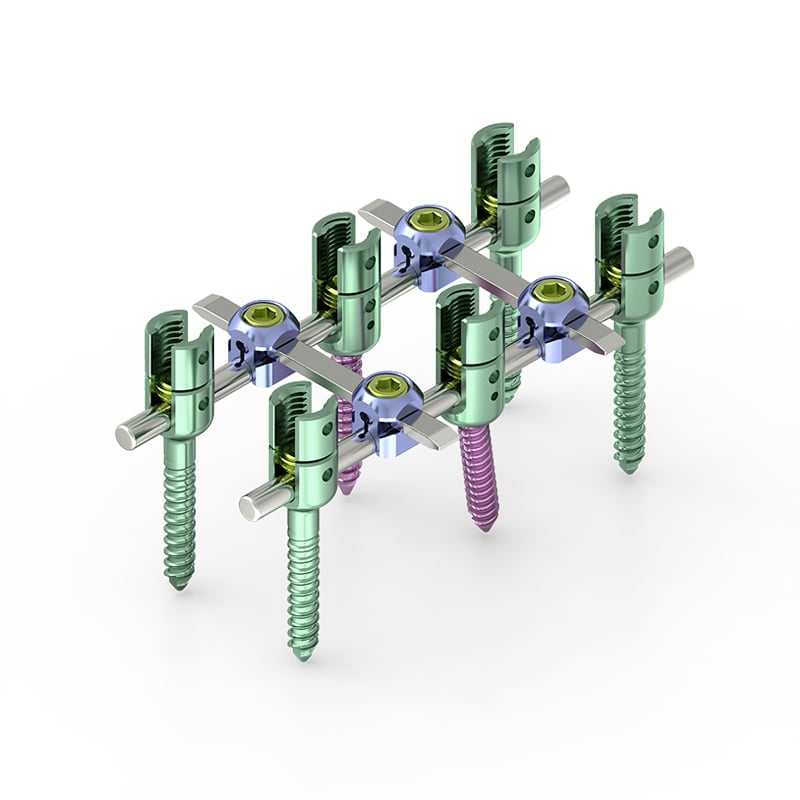
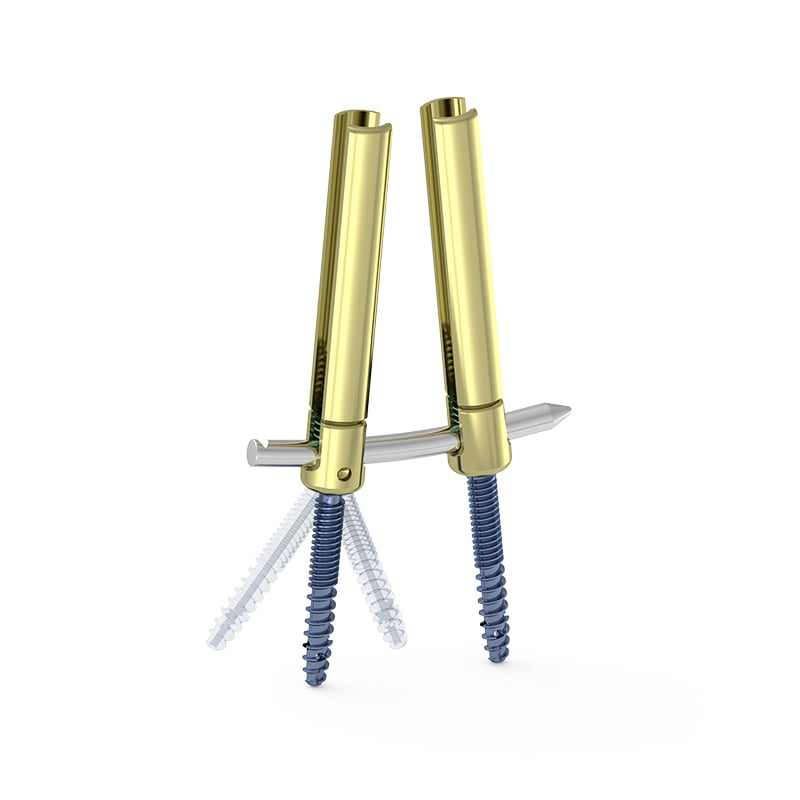
Orthopedic bone screws are essential surgical implants designed to stabilize and secure fractured bones during the healing process. These precision-engineered devices play a critical role in modern orthopedic surgery by providing reliable fixation for bone fragments, enabling proper alignment and promoting optimal recovery outcomes. Orthopedic bone screws are manufactured from biocompatible materials such as stainless steel, titanium alloys, and bioabsorbable polymers, ensuring safety and compatibility with human tissue. The primary function of orthopedic bone screws involves creating compression between bone fragments, maintaining structural integrity, and facilitating natural bone regeneration. These surgical fasteners feature specialized thread designs that maximize grip strength within bone tissue while minimizing the risk of complications. Technological advancements have introduced self-tapping capabilities, cannulated designs for guided insertion, and locking mechanisms that enhance stability in complex fracture patterns. Orthopedic bone screws find extensive applications across multiple surgical specialties, including trauma surgery, joint reconstruction, spinal fusion procedures, and sports medicine interventions. Surgeons select specific screw designs based on bone density, fracture location, and patient-specific anatomical considerations. The versatility of orthopedic bone screws makes them indispensable in treating conditions ranging from simple fractures to complex reconstructive procedures. Modern manufacturing techniques ensure consistent quality, precise threading, and optimal mechanical properties that meet rigorous international standards. These implants represent a fundamental component of fracture management protocols worldwide, contributing to improved patient mobility, reduced recovery times, and enhanced long-term functional outcomes in orthopedic care.

New Products

The implementation of orthopedic bone screws delivers substantial practical benefits that directly impact surgical outcomes and patient recovery experiences. These medical devices offer superior fixation strength compared to alternative methods, ensuring bone fragments remain properly aligned throughout the critical healing period. Buyers investing in quality orthopedic bone screws gain access to proven technology that reduces surgical complications and minimizes the need for revision procedures. The operational efficiency these screws provide translates to shorter surgery times, as their intuitive designs enable quick and accurate placement even in challenging anatomical locations. Surgeons appreciate the predictable performance characteristics that allow for confident decision-making during complex procedures. Patients benefit from reduced postoperative pain and earlier mobilization, as the stable fixation provided by orthopedic bone screws allows for faster rehabilitation protocols. The biocompatibility of materials used in manufacturing these screws significantly lowers the risk of adverse tissue reactions and promotes seamless integration with natural bone structure. Healthcare facilities experience improved cost-effectiveness through reduced hospitalization periods and fewer follow-up interventions required when using reliable orthopedic bone screws. The versatility of available designs ensures application suitability across diverse patient populations, from pediatric cases requiring smaller dimensions to geriatric patients needing specialized solutions for osteoporotic bone. Decision-makers evaluating orthopedic bone screws should consider their track record of clinical success, regulatory approvals, and compatibility with existing surgical instruments. The long-term value proposition includes durable fixation that withstands physiological loads during daily activities, supporting patients in returning to normal function. Quality orthopedic bone screws represent a strategic investment in patient care excellence, combining immediate surgical advantages with sustained healing support that enhances overall treatment success rates and patient satisfaction.

Tips And Tricks

How Do Orthopedic Implants Contribute to Minimally Invasive Surgery?

02

Jun

How Do Orthopedic Implants Contribute to Minimally Invasive Surgery?

The evolution of surgical medicine has brought forward one of the most significant shifts in patient care: the widespread adoption of minimally invasive surgery. At the heart of this transformation lies the role of orthopedic implants, which have bee...
View More
What Are the Differences Between Monoaxial and Polyaxial Pedicle Screw?

02

Jun

What Are the Differences Between Monoaxial and Polyaxial Pedicle Screw?

In spinal surgery, choosing the right implant can directly influence surgical outcomes, patient recovery, and long-term construct stability. Among the most critical decisions a spine surgeon faces is selecting the appropriate type of pedicle screw fo...
View More
How Do Pedicle Screw Systems Support Scoliosis Correction Surgery?

02

Jun

How Do Pedicle Screw Systems Support Scoliosis Correction Surgery?

Scoliosis correction surgery is one of the most technically demanding procedures in modern spinal orthopedics. The ability to realign a severely curved spine, restore sagittal balance, and maintain long-term structural integrity depends heavily on th...
View More
How Does Spinal Screw Design Enhance Mechanical Strength and Fixation?

06

Jul

How Does Spinal Screw Design Enhance Mechanical Strength and Fixation?

In modern spinal surgery, the pedicle screw is one of the most critical implants used to stabilize the vertebral column. Whether the procedure involves deformity correction, fracture management, or spinal fusion, the pedicle screw serves as the prima...
View More

Get a Free Quote

Our representative will contact you soon.
Email
Name
Company Name
Message
0/1000

orthopedic bone screws

Advanced Thread Design for Maximum Stability

Advanced Thread Design for Maximum Stability

Orthopedic bone screws incorporate sophisticated thread geometries that fundamentally enhance their holding power within bone tissue. The carefully engineered pitch, depth, and profile of these threads create optimal engagement with both cortical and cancellous bone structures, distributing mechanical loads evenly to prevent stress concentrations that could compromise fixation integrity. This advanced design consideration becomes particularly valuable in osteoporotic bone conditions where traditional fixation methods may fail. The thread configuration of orthopedic bone screws generates compression forces that actively draw bone fragments together, accelerating the natural healing cascade. Surgeons benefit from the confidence that these screws will maintain reduction throughout the critical early healing phases when bone is most vulnerable to displacement. The precision manufacturing standards applied to thread production ensure consistent performance across entire product batches, eliminating variability that could affect surgical outcomes. Patients experience improved recovery trajectories as the superior stability provided by these thread designs allows for earlier weight-bearing and functional rehabilitation. The biomechanical advantages of optimized thread patterns in orthopedic bone screws translate directly to reduced hardware failure rates and enhanced long-term clinical success in fracture management protocols.
Biocompatible Materials for Safe Integration

Biocompatible Materials for Safe Integration

The material composition of orthopedic bone screws represents a critical factor in their clinical performance and patient safety profile. Manufacturers utilize medical-grade titanium alloys, stainless steel, and bioabsorbable polymers that have undergone extensive biocompatibility testing to ensure harmless interaction with human physiology. Titanium-based orthopedic bone screws offer exceptional strength-to-weight ratios while demonstrating superior resistance to corrosion in the body's biochemical environment. These materials naturally form stable oxide layers that prevent metal ion release, minimizing inflammatory responses and promoting healthy bone apposition around the implant surface. Stainless steel variants provide cost-effective solutions with proven track records in less demanding applications, while bioabsorbable options eliminate the need for secondary removal surgeries by gradually degrading as natural bone assumes load-bearing responsibilities. The choice of material affects imaging compatibility, with titanium orthopedic bone screws producing minimal artifacts during postoperative CT and MRI examinations, facilitating accurate assessment of healing progress. Patients with metal sensitivities benefit from the hypoallergenic properties of carefully selected materials. The osseointegration capabilities of modern orthopedic bone screws create biological bonds with surrounding bone tissue, establishing fixation that strengthens over time rather than loosening, which contributes to superior long-term stability and reduced complication rates.
Versatile Applications Across Surgical Specialties

Versatile Applications Across Surgical Specialties

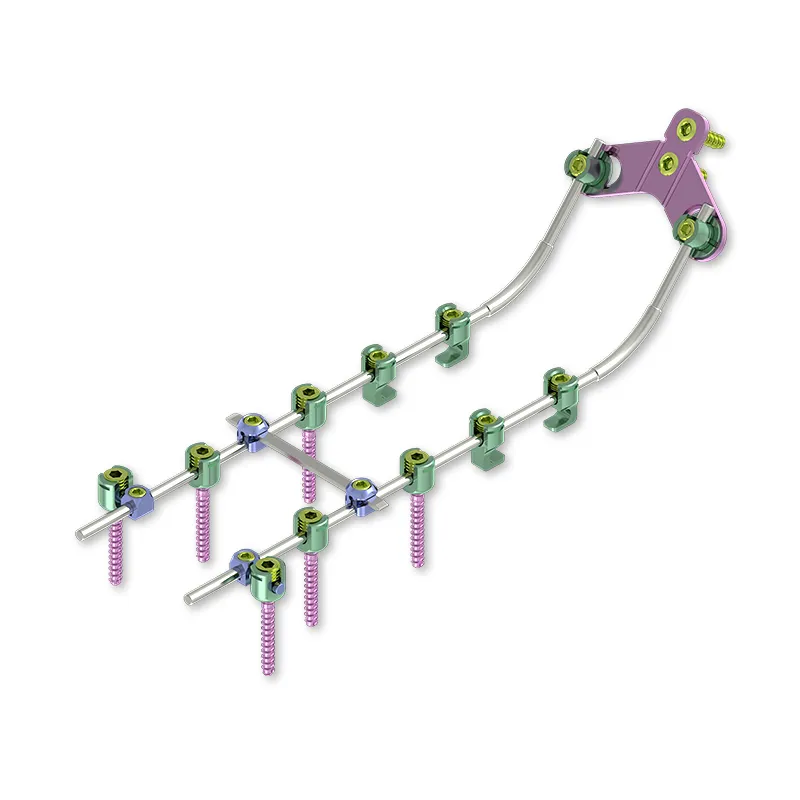
Orthopedic bone screws demonstrate remarkable adaptability across the full spectrum of musculoskeletal surgical procedures, making them indispensable tools in modern orthopedic practice. Trauma surgeons rely on these devices for managing acute fractures in weight-bearing long bones, where immediate stable fixation determines whether patients can begin early mobilization protocols. Joint reconstruction specialists utilize orthopedic bone screws to secure osteotomy corrections and position implant components with precision during arthroplasty procedures. Spinal surgeons depend on specialized screw designs to achieve solid fusion constructs that stabilize unstable spinal segments while preserving neurological function. Sports medicine practitioners employ small-diameter orthopedic bone screws for reattaching torn ligaments and repairing avulsion fractures in athletes seeking rapid return to competition. Pediatric orthopedists appreciate sizing options that accommodate growing bones while providing adequate fixation strength for active children. The availability of cannulated orthopedic bone screws enables minimally invasive techniques that reduce soft tissue trauma and improve cosmetic outcomes. Maxillofacial surgeons adapt these principles for craniofacial reconstruction requiring delicate fixation in thin cortical bone. This cross-specialty utility means healthcare institutions can standardize inventory around proven orthopedic bone screws platforms, streamlining procurement while ensuring surgeons have appropriate options for virtually any fixation challenge they encounter in clinical practice.

Get a Free Quote

Our representative will contact you soon.
Email
Name
Company Name
Message
0/1000
Newsletter
Please Leave A Message With Us