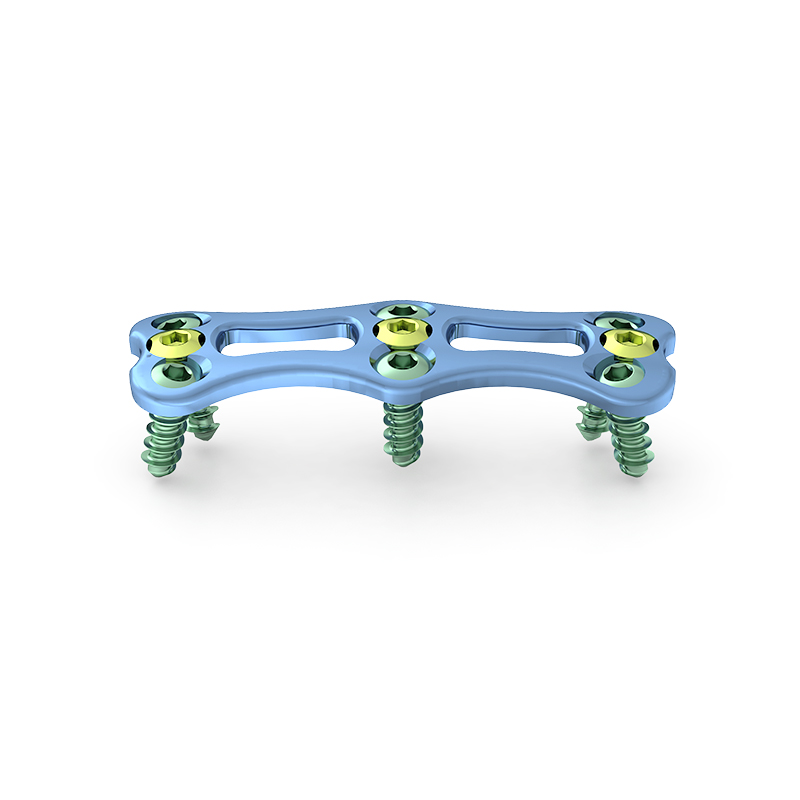
spinal implants
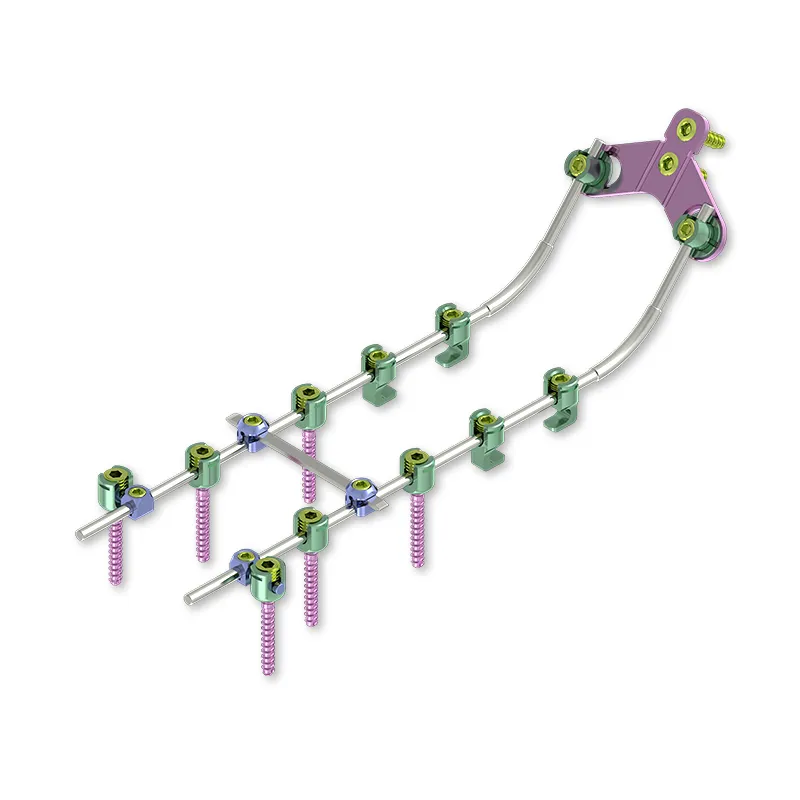
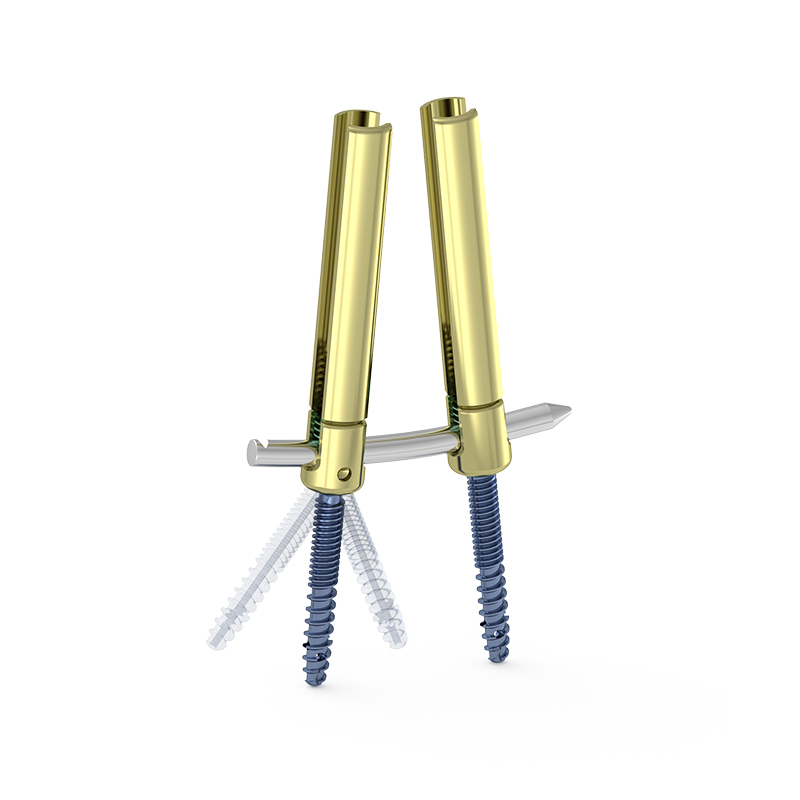
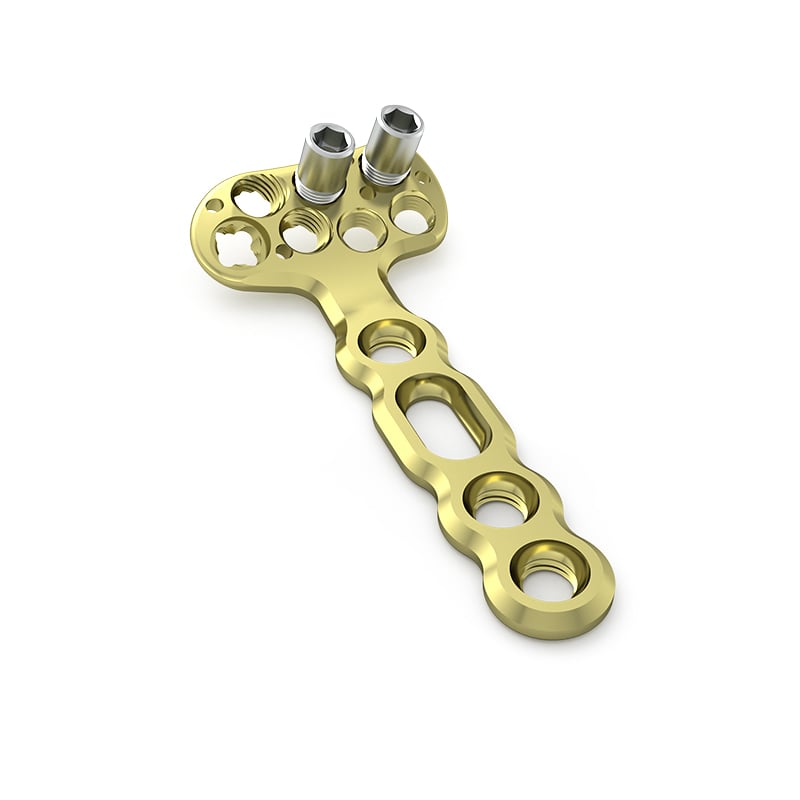
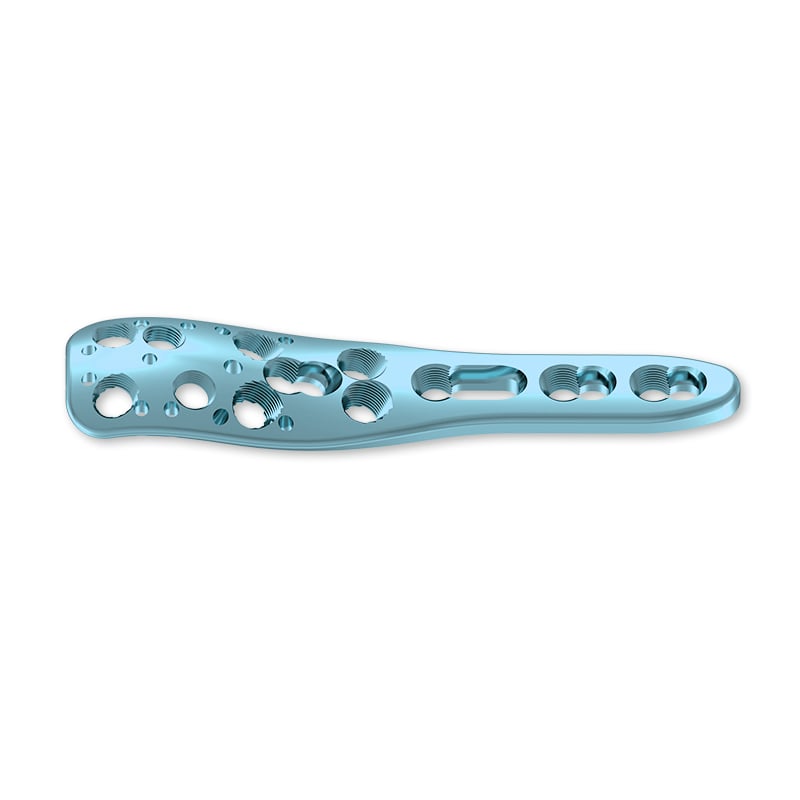
Spinal implants are advanced medical devices engineered to stabilize, support, and restore the structural integrity of the spine following injury, degeneration, or surgical intervention. These sophisticated instruments serve critical functions in spinal fusion procedures, deformity correction, and trauma management. The primary purpose of spinal implants is to provide immediate mechanical stability while facilitating long-term biological fusion of vertebral segments. Modern spinal implants incorporate cutting-edge materials such as titanium alloys, cobalt-chromium compounds, and biocompatible polymers that offer exceptional strength-to-weight ratios and corrosion resistance. Technological features include porous surface coatings that promote osseointegration, modular designs allowing customization to patient anatomy, and radiolucent components that facilitate post-operative imaging assessment. These devices encompass various configurations including pedicle screw systems, interbody cages, anterior cervical plates, posterior rods, and artificial disc replacements. Applications span multiple clinical scenarios from degenerative disc disease and spondylolisthesis to spinal stenosis, vertebral fractures, and scoliosis correction. Surgeons utilize spinal implants across all spinal regions—cervical, thoracic, and lumbar—adapting specific implant designs to anatomical requirements and biomechanical demands. The evolution of spinal implants continues to incorporate minimally invasive delivery systems, patient-specific instrumentation, and biologics integration, ensuring optimal surgical outcomes and accelerated patient recovery while maintaining the fundamental goal of spinal column stabilization and pain reduction.

 EN
EN