types of orthopedic implants
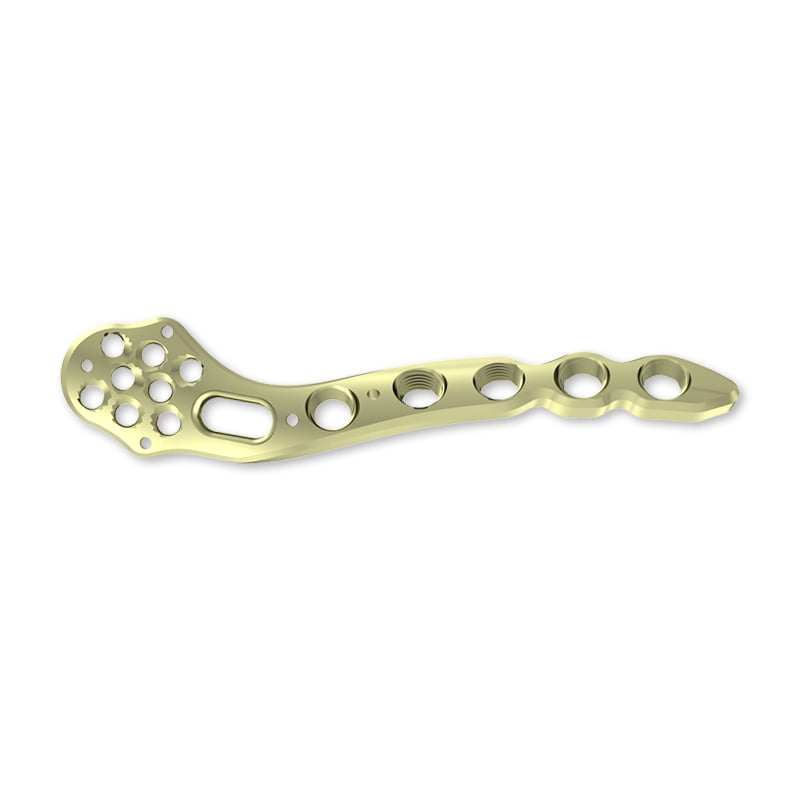
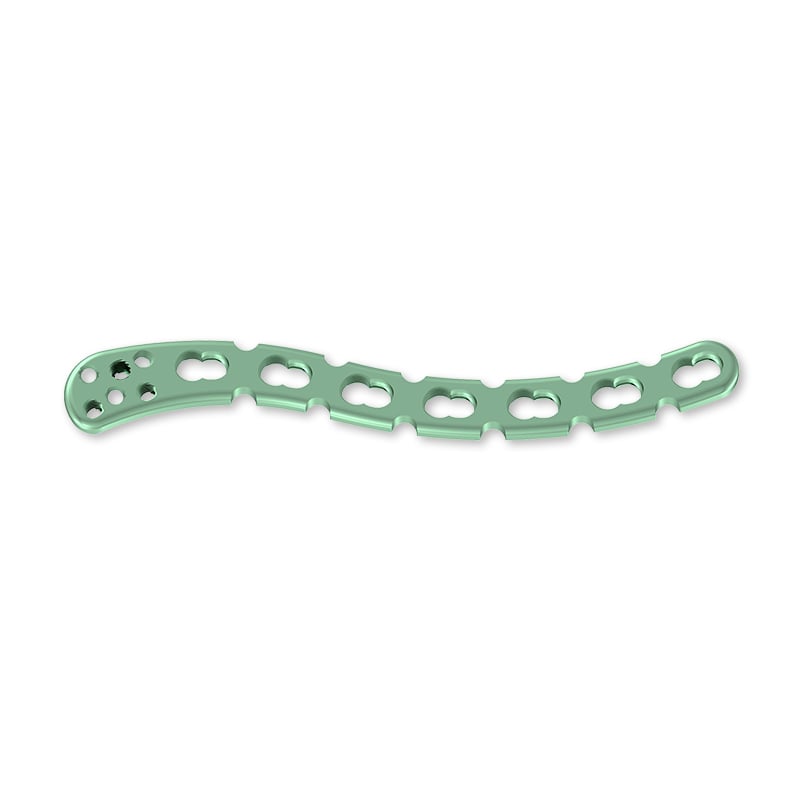
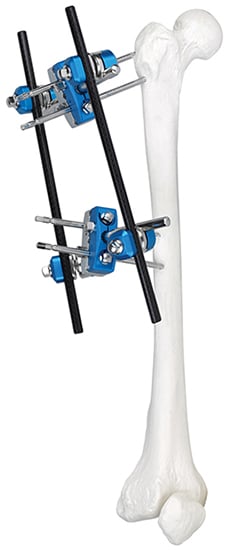
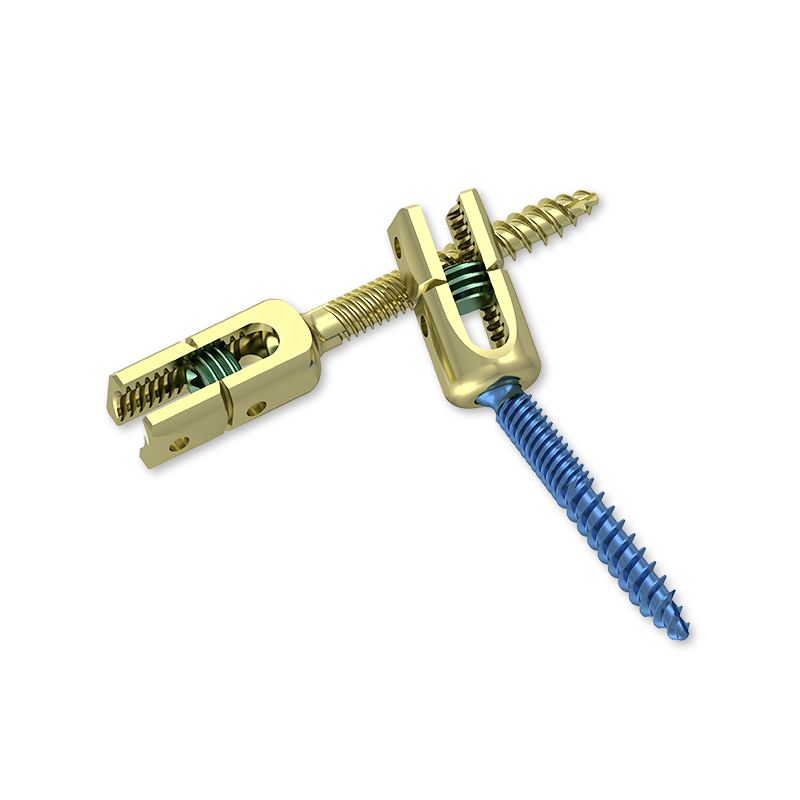
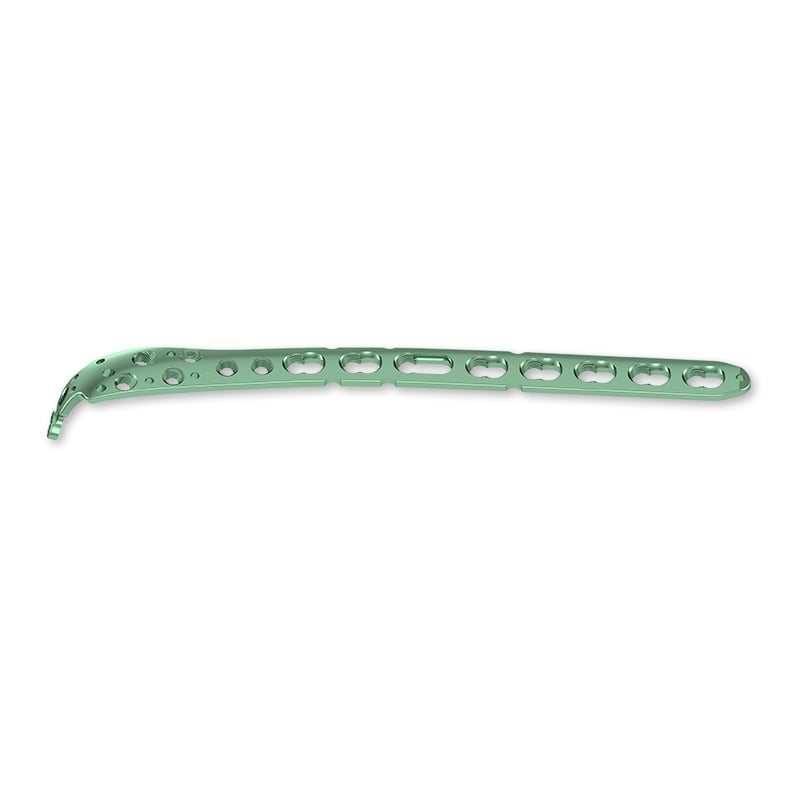
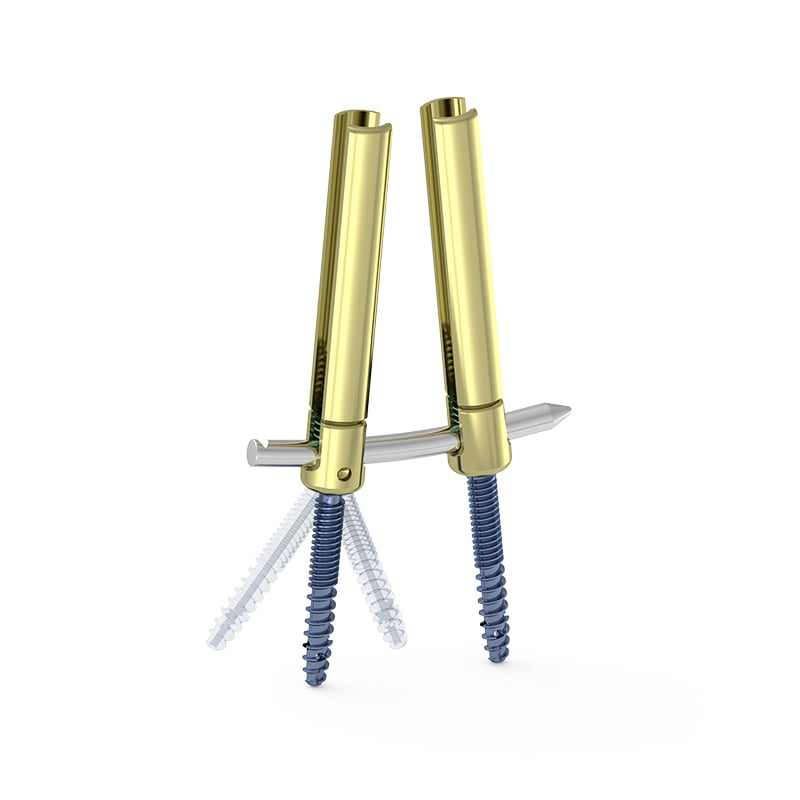
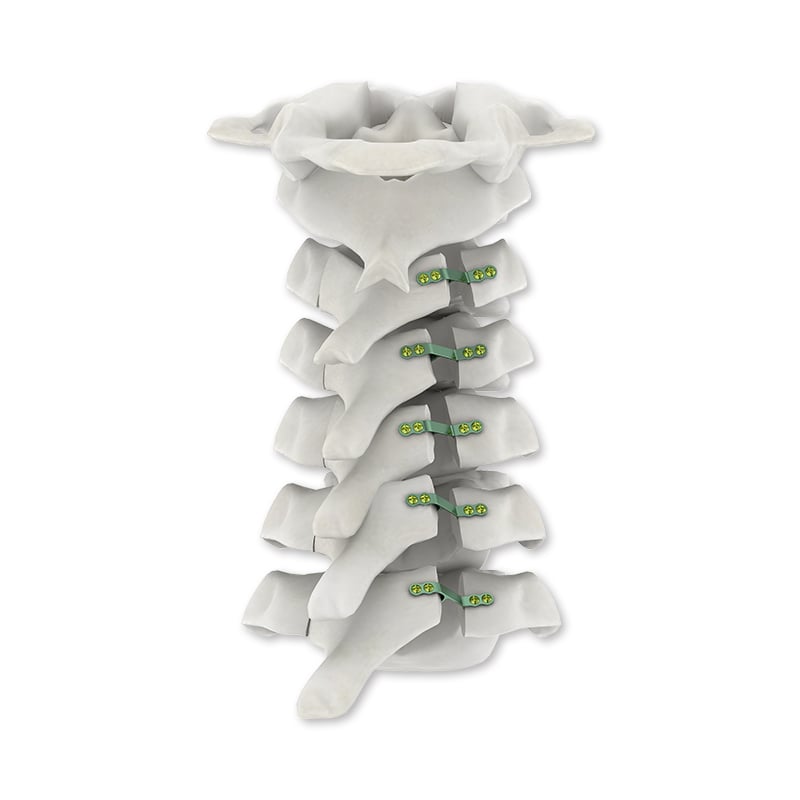
Understanding the various types of orthopedic implants is essential for patients and healthcare providers seeking effective solutions for bone and joint restoration. These medical devices are surgically placed inside the body to replace, support, or enhance damaged skeletal structures. The types of orthopedic implants include joint replacement implants such as hip and knee prostheses, trauma fixation devices like plates and screws, spinal implants for vertebral stabilization, and specialized implants for hand, foot, and shoulder reconstruction. Each category serves distinct therapeutic purposes, utilizing advanced biomaterials such as titanium alloys, stainless steel, and biocompatible polymers that integrate seamlessly with natural bone tissue. Modern types of orthopedic implants incorporate cutting-edge surface treatments that promote osseointegration, enabling faster healing and improved long-term stability. Technological features include porous coatings that encourage bone ingrowth, antimicrobial surfaces that reduce infection risks, and anatomically contoured designs that replicate natural joint mechanics. These implants are applied across diverse medical scenarios, from sports injury repair and degenerative disease management to trauma reconstruction and congenital deformity correction. The selection of appropriate types of orthopedic implants depends on patient-specific factors including age, activity level, bone quality, and the severity of the condition being treated, making personalized surgical planning crucial for optimal outcomes.

 EN
EN