Orthopedic Fracture Bone Plate Solutions

All Categories

Get a Free Quote

Our representative will contact you soon.
Email
Name
Company Name
Message
0/1000

orthopedic fracture bone plate

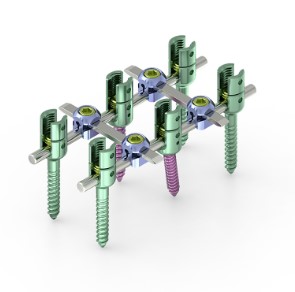
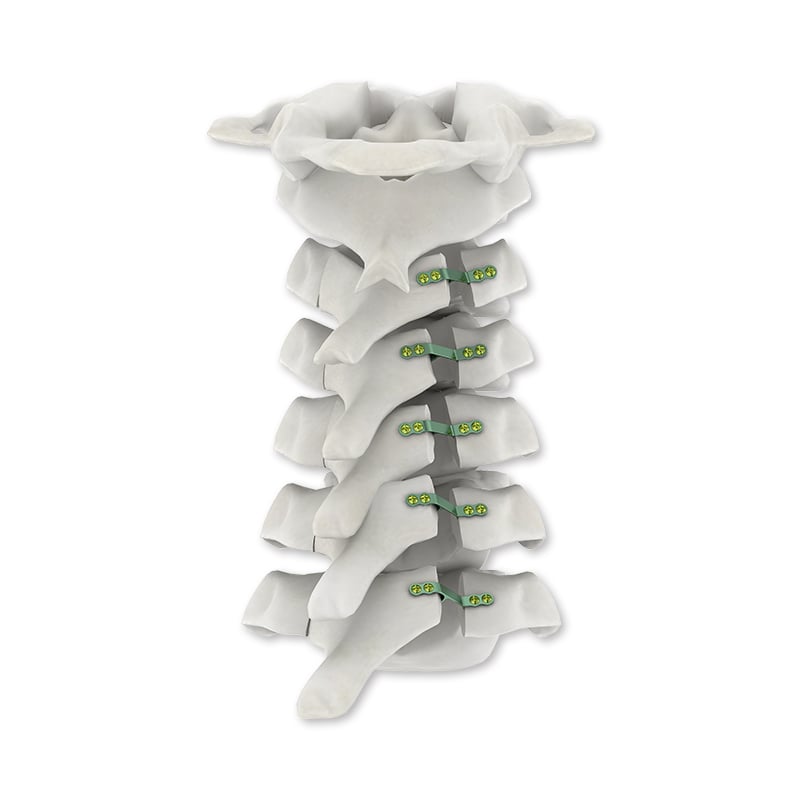
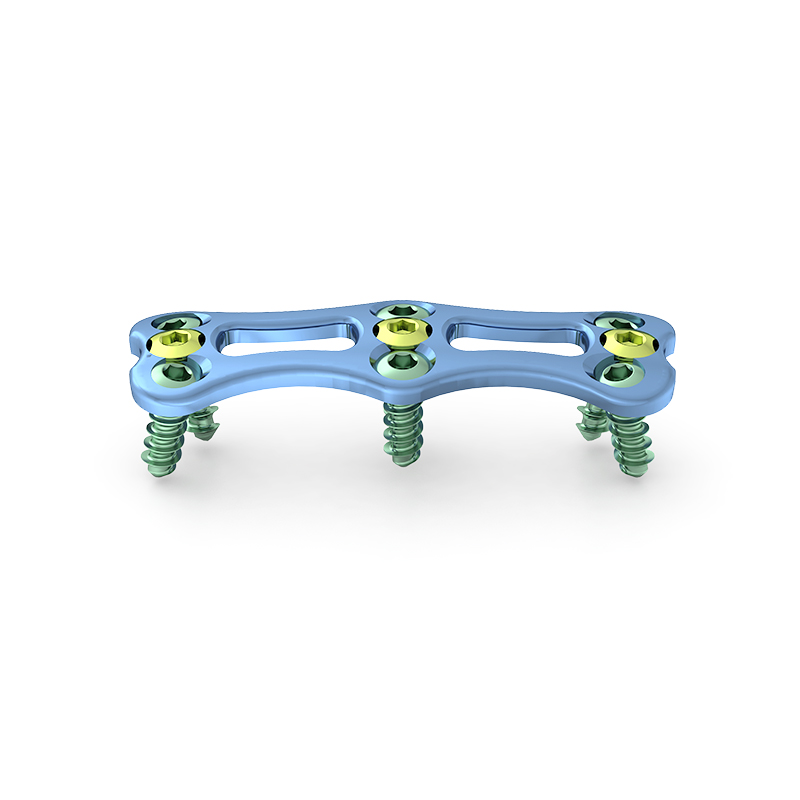
An orthopedic fracture bone plate is a specialized medical implant designed to stabilize and support broken bones during the healing process. This essential surgical device is manufactured from biocompatible materials such as titanium alloy or stainless steel, ensuring safe integration with human tissue. The orthopedic fracture bone plate functions by bridging fractured bone segments, maintaining proper alignment while natural bone regeneration occurs. These plates come in various shapes, sizes, and configurations to accommodate different fracture types and anatomical locations throughout the skeletal system. The primary technological features include precise screw hole placement, anatomically contoured designs that match bone surface geometry, and advanced locking mechanisms that provide angular stability. Modern orthopedic fracture bone plate systems utilize compression technology to bring bone fragments into close contact, promoting faster healing. The plates are engineered with specific thickness profiles that balance strength requirements against the need to minimize soft tissue irritation. Applications span trauma surgery, reconstructive procedures, and corrective osteotomies across multiple body regions including the extremities, pelvis, and craniofacial structures. Surgeons rely on the orthopedic fracture bone plate to address complex fractures that cannot heal properly through casting alone. The device enables early patient mobilization and reduces complications associated with prolonged immobilization. With continuous material science advancements and design innovations, the orthopedic fracture bone plate represents a cornerstone technology in modern orthopedic surgery, delivering reliable outcomes across diverse patient populations and fracture patterns.

New Product Recommendations

Choosing an orthopedic fracture bone plate provides multiple practical benefits that directly impact patient recovery and surgical success. First, these devices offer superior fracture stabilization compared to external fixation methods, allowing patients to begin rehabilitation exercises sooner and regain function faster. The rigid support provided by an orthopedic fracture bone plate prevents bone displacement during the critical healing phase, significantly reducing the risk of malunion or nonunion complications. From an operational perspective, surgeons appreciate the straightforward implantation process and the reliable fixation that these plates deliver across various fracture complexities. The biocompatible materials used in manufacturing ensure long-term safety, with minimal risk of adverse tissue reactions or implant rejection. Patients benefit from reduced pain levels after surgery because the orthopedic fracture bone plate maintains stable bone alignment, eliminating the grinding and movement that cause discomfort. The low-profile designs minimize soft tissue irritation and reduce the likelihood of requiring secondary removal surgery. Application suitability extends across all age groups and bone densities, with specialized versions available for pediatric patients, elderly individuals with osteoporotic bone, and athletes requiring rapid return to activity. The orthopedic fracture bone plate enables precise anatomical reduction, which is essential for joint-involving fractures where even minor misalignment can lead to arthritis. Decision-makers value the cost-effectiveness of these implants, as successful initial fixation prevents expensive revision surgeries and prolonged disability. The versatility of plate systems means hospitals can maintain comprehensive fracture care capabilities with manageable inventory. Enhanced healing rates translate to shorter recovery times, allowing patients to return to work and daily activities quickly, which represents substantial economic value beyond the immediate medical benefits.

Practical Tips

What Are the Main Types of Orthopedic Implants Used in Trauma Surgery?

02

Jun

What Are the Main Types of Orthopedic Implants Used in Trauma Surgery?

When a patient sustains a serious bone fracture or joint injury, the goal of trauma surgery is to restore stability, alignment, and function as efficiently and safely as possible. Central to achieving that goal are orthopedic implants — precisi...
View More
What Are the Differences Between Monoaxial and Polyaxial Pedicle Screw?

02

Jun

What Are the Differences Between Monoaxial and Polyaxial Pedicle Screw?

In spinal surgery, choosing the right implant can directly influence surgical outcomes, patient recovery, and long-term construct stability. Among the most critical decisions a spine surgeon faces is selecting the appropriate type of pedicle screw fo...
View More
How Does Spinal Screw Improve Outcomes in Scoliosis Correction Surgery?

06

Jul

How Does Spinal Screw Improve Outcomes in Scoliosis Correction Surgery?

Scoliosis correction surgery is one of the most technically demanding procedures in spinal care, requiring precise instrumentation to restore alignment and maintain long-term stability. At the center of modern surgical technique, the spinal screw has...
View More
How to Optimize Pedicle Screw Placement for Better Surgical Outcomes?

06

Jul

How to Optimize Pedicle Screw Placement for Better Surgical Outcomes?

Achieving precise pedicle screw placement is one of the most critical skills in modern spinal surgery. When pedicle screw placement is performed accurately, it creates a stable fixation point that supports spinal fusion, corrects deformity, and reduc...
View More

Get a Free Quote

Our representative will contact you soon.
Email
Name
Company Name
Message
0/1000

orthopedic fracture bone plate

Advanced Locking Screw Technology

Advanced Locking Screw Technology

The orthopedic fracture bone plate incorporates sophisticated locking screw technology that fundamentally changes how implants interact with bone. Unlike traditional compression plates that rely solely on friction between the plate and bone surface, locking screws thread directly into the plate holes, creating a fixed-angle construct. This innovation transforms the plate and screws into a single unified structure, similar to an internal external fixator. The primary advantage is angular stability, which prevents screw toggle and maintains reduction even in compromised bone quality. Surgeons working with osteoporotic patients particularly value this feature, as locking mechanisms distribute forces across the entire construct rather than concentrating stress at individual screw-bone interfaces. This technology eliminates the need for precise plate contouring in many cases, simplifying surgical technique and reducing operative time. The orthopedic fracture bone plate with locking capability also minimizes periosteal stripping because it does not require tight plate-to-bone compression for stability. Preserved blood supply to the bone accelerates healing and reduces infection risk. For comminuted fractures with multiple small fragments, the fixed-angle stability maintains overall length and alignment without requiring each fragment to be individually secured, making complex reconstructions more manageable and predictable.
Anatomically Contoured Design

Anatomically Contoured Design

Modern orthopedic fracture bone plate systems feature pre-contoured designs that precisely match the three-dimensional anatomy of specific bones. This anatomical engineering represents a significant advancement over generic straight plates that require extensive intraoperative bending. The contoured profile allows the orthopedic fracture bone plate to sit flush against bone surfaces, distributing stress evenly and minimizing soft tissue prominence. Surgeons benefit from reduced operative time because minimal or no plate bending is necessary, and the risk of weakening the implant through excessive contouring is eliminated. Patients experience fewer complaints of hardware irritation and reduced likelihood of requiring implant removal after healing. The anatomical design is particularly valuable in regions with complex bone geometry such as the distal radius, proximal humerus, and periarticular areas where standard plates cannot adequately conform. Each orthopedic fracture bone plate variant is developed using advanced imaging data from diverse populations, ensuring broad applicability across patient demographics. The contoured shape also facilitates minimally invasive surgical approaches by allowing the plate to slide along the bone surface through small incisions. This combination of precise fit and surgical accessibility translates to better aesthetic outcomes with smaller scars, reduced muscle disruption, and faster postoperative recovery for patients across all fracture types and locations.
Optimized Material Composition

Optimized Material Composition

The material selection for an orthopedic fracture bone plate represents careful engineering to balance strength, biocompatibility, and imaging compatibility. Premium titanium alloys have become the standard choice, offering exceptional strength-to-weight ratios that provide robust fixation without unnecessary bulk. These materials are completely biocompatible, eliminating concerns about metal sensitivity or long-term tissue reactions. The orthopedic fracture bone plate constructed from titanium alloy is also MRI-compatible, allowing patients to undergo advanced imaging studies without implant removal. This feature is particularly important for monitoring healing progress, diagnosing unrelated conditions, or planning additional procedures. The corrosion resistance of these materials ensures the implant maintains structural integrity throughout the healing period and beyond, even in the challenging biological environment inside the human body. Surface treatments and coatings further enhance biocompatibility and may incorporate antibacterial properties that reduce infection risk. The radiolucent nature of titanium provides excellent visualization of the fracture site on X-rays, enabling surgeons to assess healing without implant obscuration. Stiffness properties are engineered to provide adequate stability while allowing controlled micromotion that stimulates bone healing through mechanobiological processes. The orthopedic fracture bone plate material composition directly influences clinical outcomes, and ongoing research continues to refine these properties for optimal performance across diverse patient needs and fracture patterns.

Get a Free Quote

Our representative will contact you soon.
Email
Name
Company Name
Message
0/1000
Newsletter
Please Leave A Message With Us