Titanium Bone Plate - Advanced Fracture Fixation

All Categories

Get a Free Quote

Our representative will contact you soon.
Email
Name
Company Name
Message
0/1000

titanium bone plate

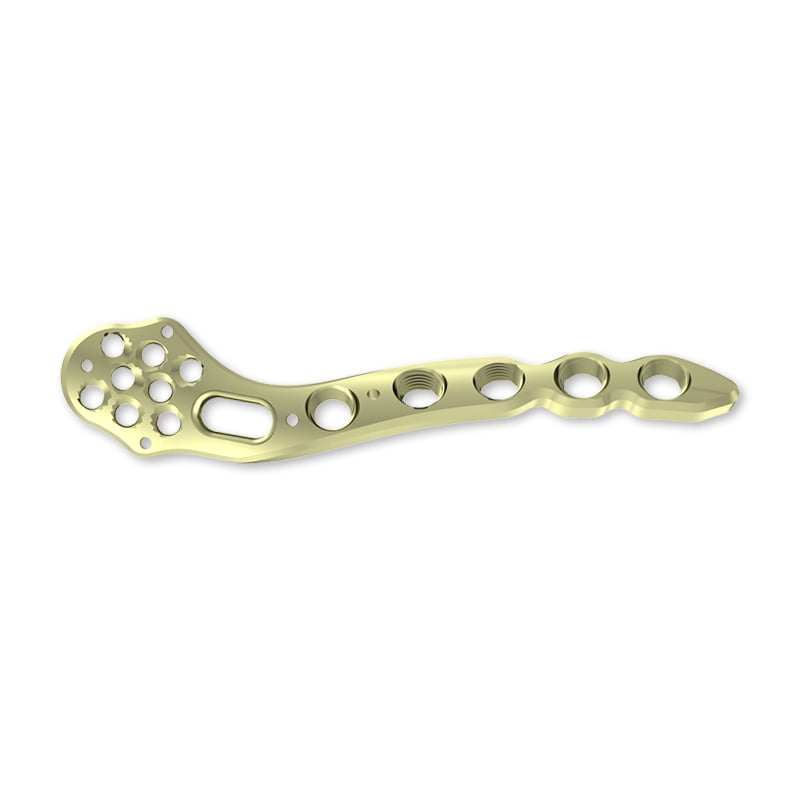
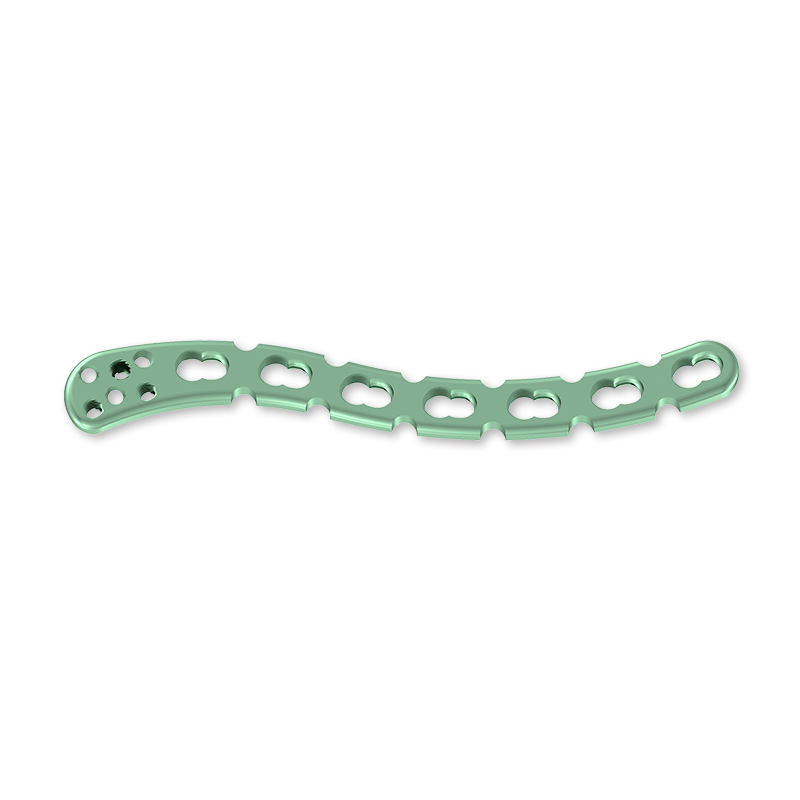
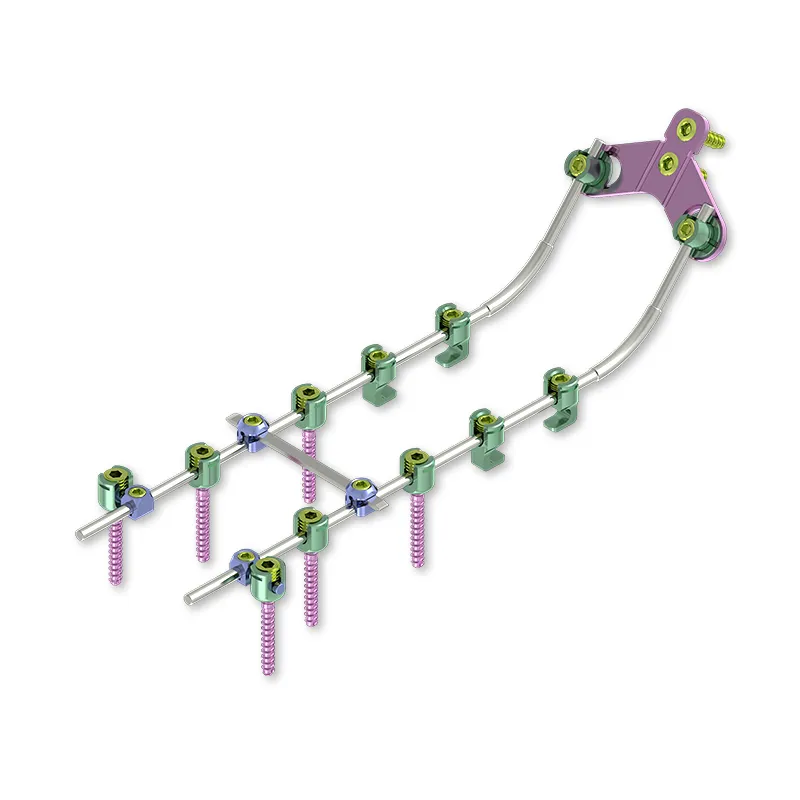
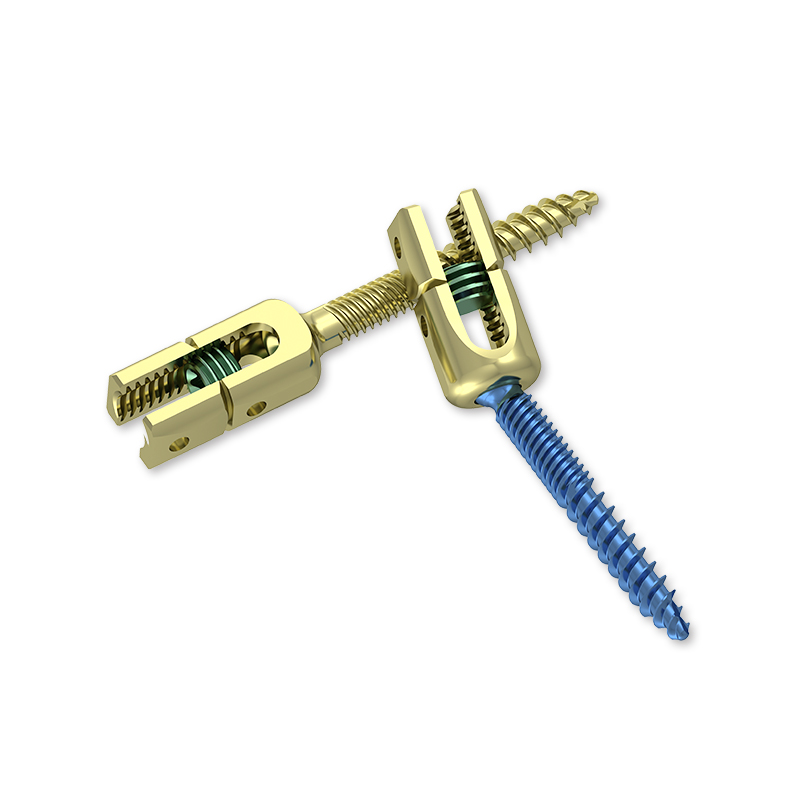
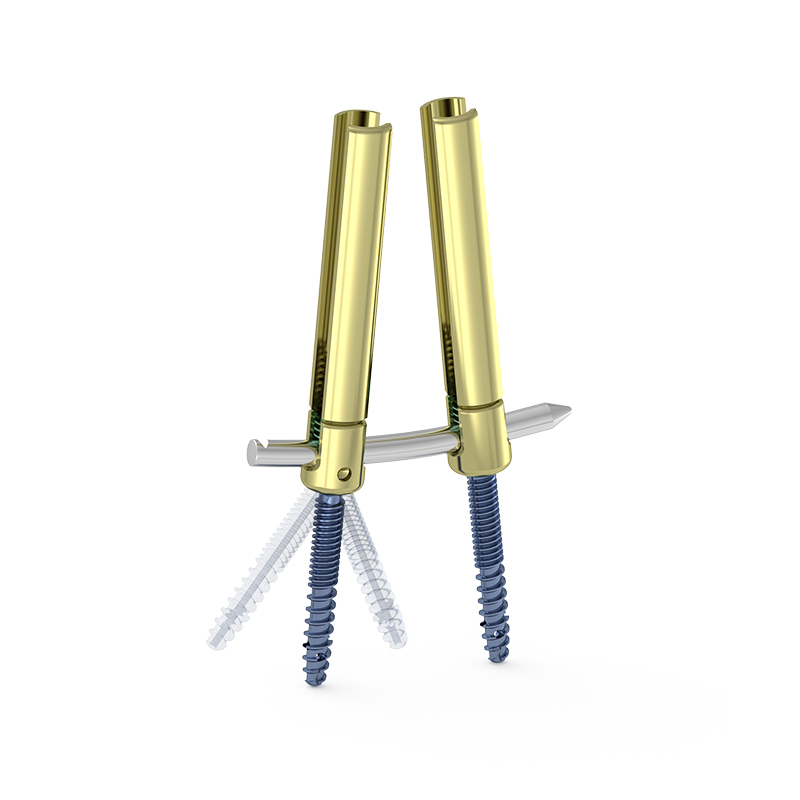
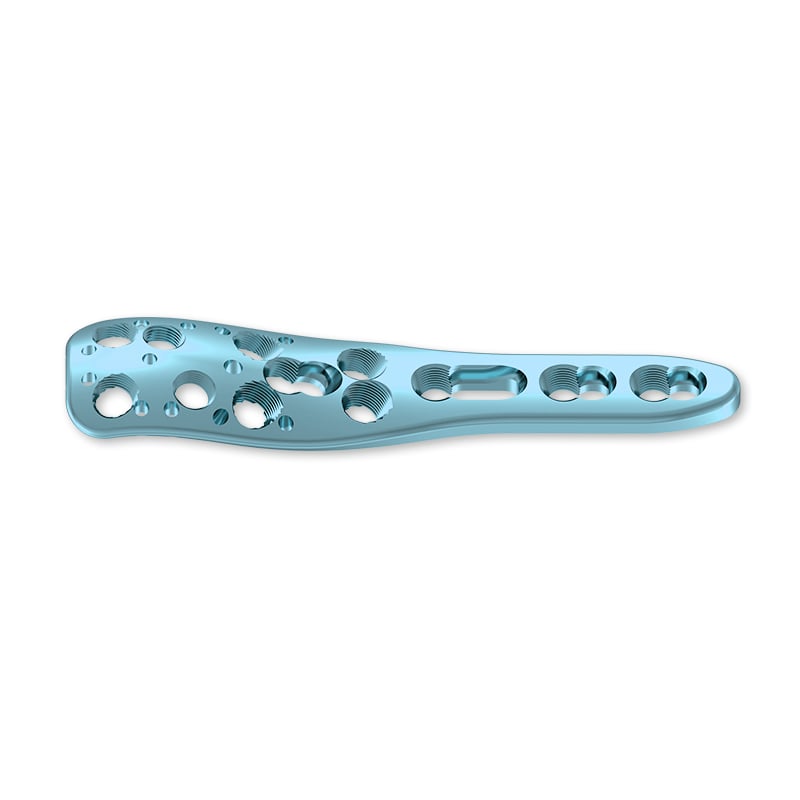
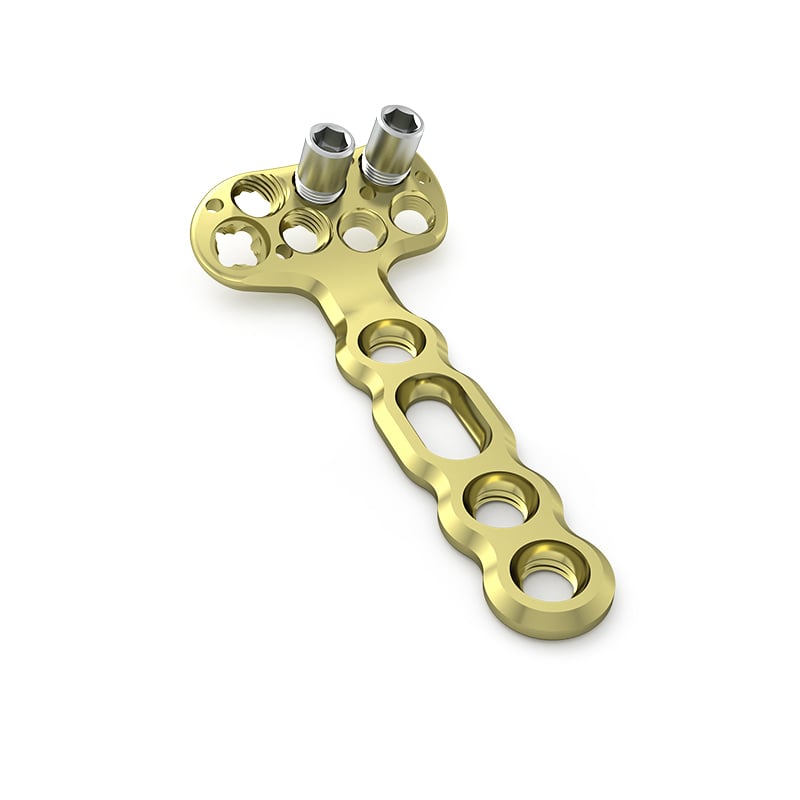
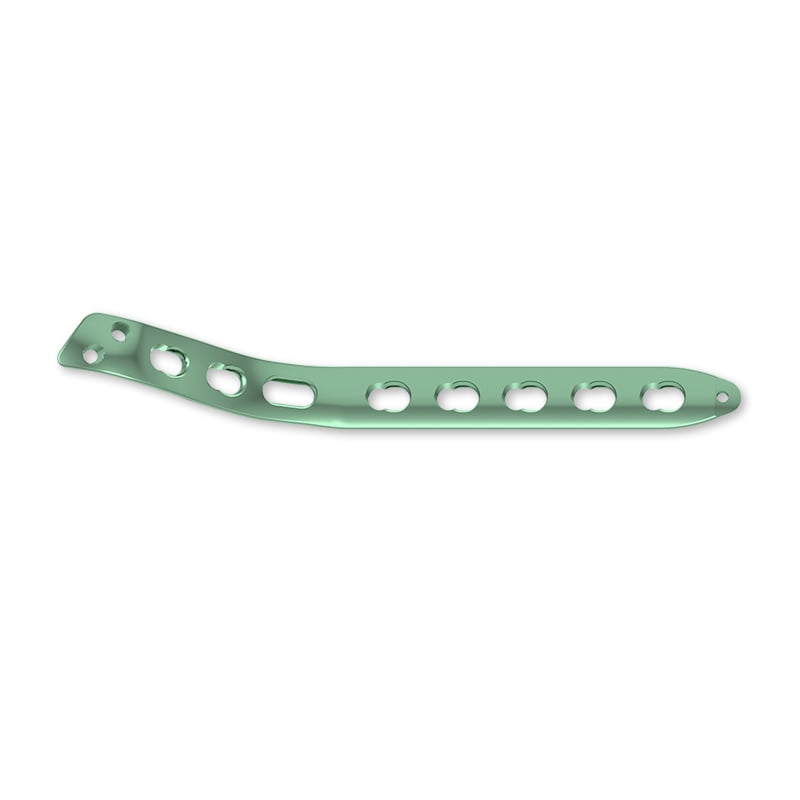
A titanium bone plate is a specialized orthopedic implant designed to stabilize and support fractured or damaged bones during the healing process. Manufactured from medical-grade titanium alloy, this surgical device plays a critical role in modern trauma and reconstructive surgery. The titanium bone plate works by securely holding bone fragments in their proper anatomical position, allowing natural healing to occur while maintaining structural integrity. These implants are attached to the bone surface using corresponding screws, creating a stable fixation system that promotes optimal recovery outcomes. The primary functions include providing mechanical support, maintaining bone alignment, and facilitating faster patient rehabilitation. Technologically, the titanium bone plate incorporates advanced material properties that make it uniquely suited for surgical applications. The biocompatible nature of titanium ensures excellent tissue integration without triggering adverse immune responses. Its exceptional strength-to-weight ratio provides robust support while minimizing implant mass. The corrosion-resistant properties guarantee long-term stability within the body's physiological environment. Applications span multiple medical specialties, including trauma surgery for fracture fixation, maxillofacial reconstruction, spinal fusion procedures, and orthopedic corrections. Surgeons utilize the titanium bone plate in treating complex fractures of the skull, jaw, ribs, pelvis, and extremities. The versatility of design allows customization for specific anatomical regions, with plates available in various shapes, sizes, and configurations to match patient-specific requirements and surgical objectives.

New Product Recommendations

The titanium bone plate offers significant practical benefits that directly impact patient outcomes and surgical success. For medical facilities and surgeons, these implants provide reliable fixation that reduces surgical complications and revision procedures. The superior biocompatibility means patients experience fewer allergic reactions and better long-term tolerance compared to alternative materials. This translates to reduced healthcare costs associated with implant rejection or removal surgeries. The lightweight nature of the titanium bone plate minimizes patient discomfort while maintaining exceptional structural strength. Patients benefit from faster mobilization and shorter recovery periods, enabling quicker return to normal activities and improved quality of life. The radiolucent properties allow clear post-operative imaging, enabling healthcare providers to monitor healing progress without interference from the implant. Operationally, surgeons appreciate the ease of contouring and shaping during procedures, which reduces surgical time and enhances precision. The titanium bone plate remains stable under physiological loads, providing consistent support throughout the critical healing phase. Its corrosion resistance ensures the implant maintains structural integrity over years, eliminating concerns about degradation or weakening. For healthcare decision-makers, the proven track record of titanium bone plate systems represents a sound investment in patient care quality. The versatility across multiple surgical applications means inventory efficiency and standardized training protocols. Hospitals benefit from reduced inventory costs while maintaining comprehensive treatment capabilities. The material's MRI compatibility allows patients to undergo diagnostic imaging without complications, an essential consideration for long-term care planning. These combined advantages make the titanium bone plate the preferred choice for modern orthopedic and reconstructive procedures, delivering measurable value to patients, surgeons, and healthcare institutions alike.

Practical Tips

How Do Orthopedic Implants Enhance Fracture Healing and Recovery?

02

Jun

How Do Orthopedic Implants Enhance Fracture Healing and Recovery?

When a bone fractures, the body initiates a complex biological cascade aimed at restoring structural integrity and function. However, in many cases, this natural process requires mechanical support to succeed. This is precisely where orthopedic impla...
View More
What Are the Indications for Using Pedicle Screw in Degenerative Spine Disease?

02

Jun

What Are the Indications for Using Pedicle Screw in Degenerative Spine Disease?

Degenerative spine disease encompasses a broad spectrum of conditions that progressively compromise spinal stability, alignment, and neurological function. As these conditions advance, conservative management often fails to provide adequate relief, a...
View More
How Does Spinal Screw Improve Outcomes in Scoliosis Correction Surgery?

06

Jul

How Does Spinal Screw Improve Outcomes in Scoliosis Correction Surgery?

Scoliosis correction surgery is one of the most technically demanding procedures in spinal care, requiring precise instrumentation to restore alignment and maintain long-term stability. At the center of modern surgical technique, the spinal screw has...
View More
Why Is Accurate Spinal Screw Placement Crucial for Patient Safety?

06

Jul

Why Is Accurate Spinal Screw Placement Crucial for Patient Safety?

Pedicle screw placement is one of the most technically demanding steps in spinal surgery. When a surgeon positions each screw with precision, the entire construct gains stability, and the patient's recovery is protected from preventable complications...
View More

Get a Free Quote

Our representative will contact you soon.
Email
Name
Company Name
Message
0/1000

titanium bone plate

Superior Biocompatibility and Tissue Integration

Superior Biocompatibility and Tissue Integration

The titanium bone plate demonstrates exceptional biocompatibility, making it the gold standard for surgical implants in orthopedic applications. Titanium's unique surface properties promote osseointegration, the process by which bone tissue directly bonds to the implant surface without fibrous tissue formation. This biological integration creates a stable interface that enhances fixation strength over time rather than weakening. Unlike other metals that may trigger inflammatory responses or allergic reactions, the titanium bone plate is well-tolerated by virtually all patients, minimizing complications and improving surgical outcomes. The passive oxide layer that naturally forms on titanium surfaces provides additional protection against corrosion while maintaining biological inertness. This characteristic is particularly valuable for patients requiring long-term or permanent implants, as it eliminates concerns about metal ion release or tissue sensitization. Medical professionals can confidently recommend the titanium bone plate knowing that adverse reactions are exceptionally rare, supporting better patient satisfaction and reduced post-operative management requirements. The material's compatibility with human physiology represents a fundamental advantage that directly contributes to healing success and long-term implant performance.
Exceptional Strength with Minimal Weight

Exceptional Strength with Minimal Weight

The titanium bone plate provides an optimal balance between mechanical strength and lightweight construction, addressing a critical challenge in orthopedic implant design. With a strength-to-weight ratio superior to stainless steel and other conventional implant materials, the titanium bone plate delivers robust fracture fixation without adding unnecessary mass. This engineering advantage translates to reduced stress on healing tissues and decreased patient discomfort during recovery. The high tensile strength ensures the implant can withstand physiological loads encountered during normal movement and rehabilitation exercises without deformation or failure. Patients benefit from secure stabilization that supports early mobilization protocols, accelerating recovery timelines and reducing complications associated with prolonged immobilization. The reduced weight also minimizes the sensation of carrying foreign material, improving comfort levels particularly in superficial bone locations. Surgeons value this combination of properties because it allows confident fixation in mechanically demanding anatomical sites while maintaining implant profiles that minimize soft tissue irritation. The titanium bone plate maintains structural integrity under cyclic loading conditions, providing reliable performance throughout the entire healing period. This durability ensures consistent support from implantation through complete bone union, eliminating concerns about premature failure or the need for additional surgical interventions.
Advanced Imaging Compatibility and Surgical Precision

Advanced Imaging Compatibility and Surgical Precision

The titanium bone plate offers significant advantages in medical imaging compatibility, an increasingly important consideration in modern healthcare. Unlike ferromagnetic materials, titanium produces minimal artifact in computed tomography and magnetic resonance imaging, allowing clear visualization of surrounding bone and soft tissues during follow-up assessments. This imaging transparency enables healthcare providers to accurately monitor healing progression, detect potential complications early, and make informed treatment decisions without implant interference. Patients requiring ongoing diagnostic imaging for unrelated conditions can proceed without concerns about implant-related complications or image quality degradation. The radiolucent properties facilitate precise evaluation of bone union at the fracture site, a critical factor in determining rehabilitation protocols and return-to-activity timelines. From a surgical perspective, the titanium bone plate can be precisely contoured and shaped to match individual patient anatomy, enhancing fit accuracy and reducing surgical time. The material's malleability allows surgeons to customize plate configuration intraoperatively, accommodating anatomical variations and complex fracture patterns. Pre-contoured options are available for common applications, further streamlining surgical workflows while maintaining customization capabilities when needed. This combination of imaging compatibility and surgical adaptability makes the titanium bone plate an essential tool in achieving optimal fixation outcomes across diverse clinical scenarios.

Get a Free Quote

Our representative will contact you soon.
Email
Name
Company Name
Message
0/1000
Newsletter
Please Leave A Message With Us