Surgical Bone Plate Implant Solutions

All Categories

Get a Free Quote

Our representative will contact you soon.
Email
Name
Company Name
Message
0/1000

surgical bone plate implant

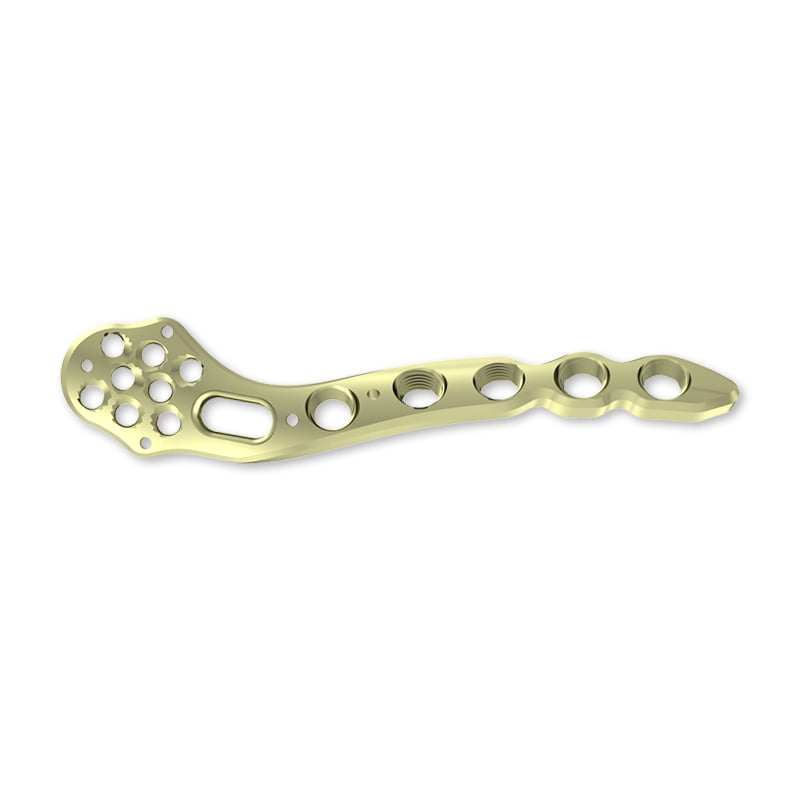
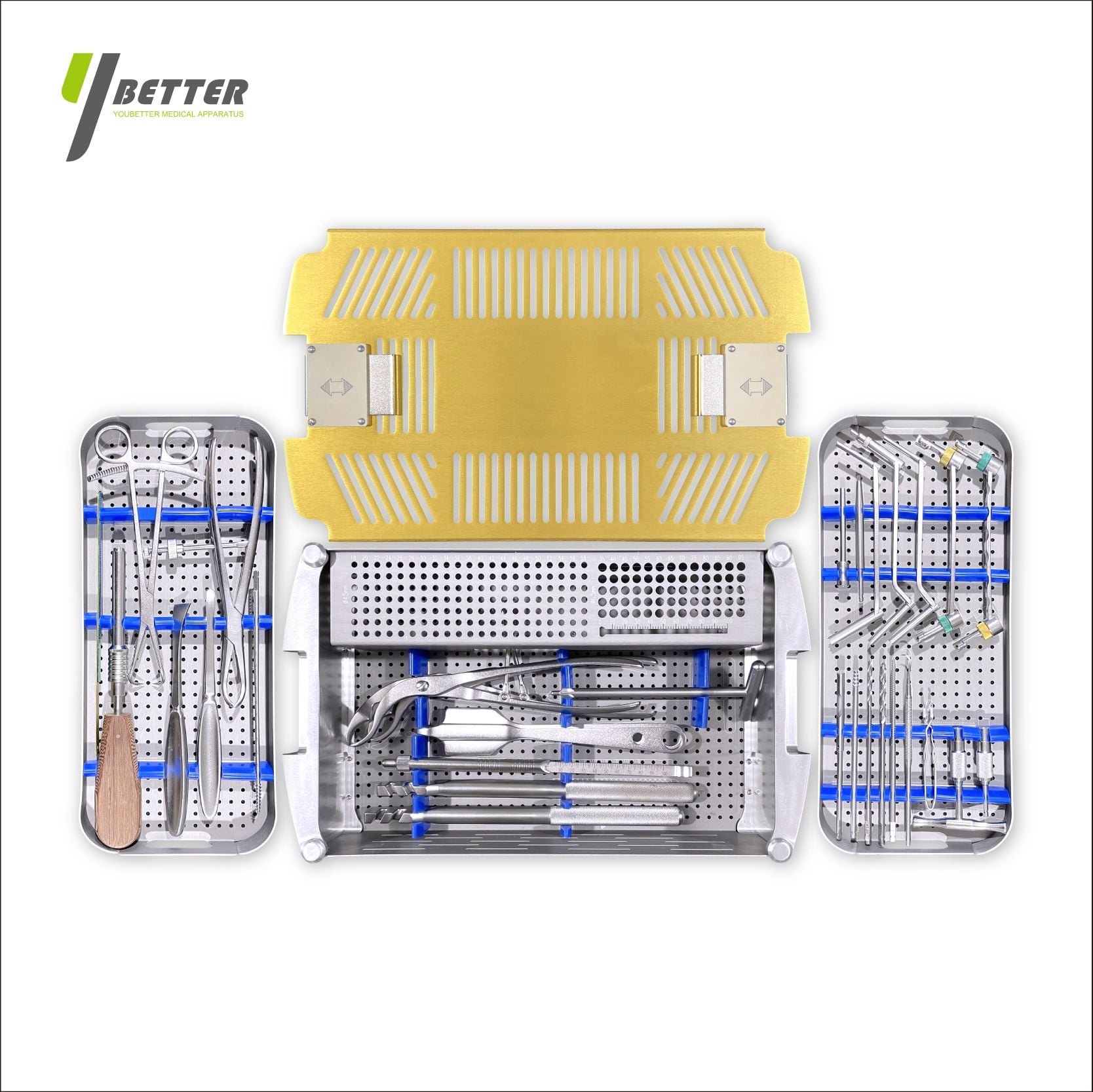
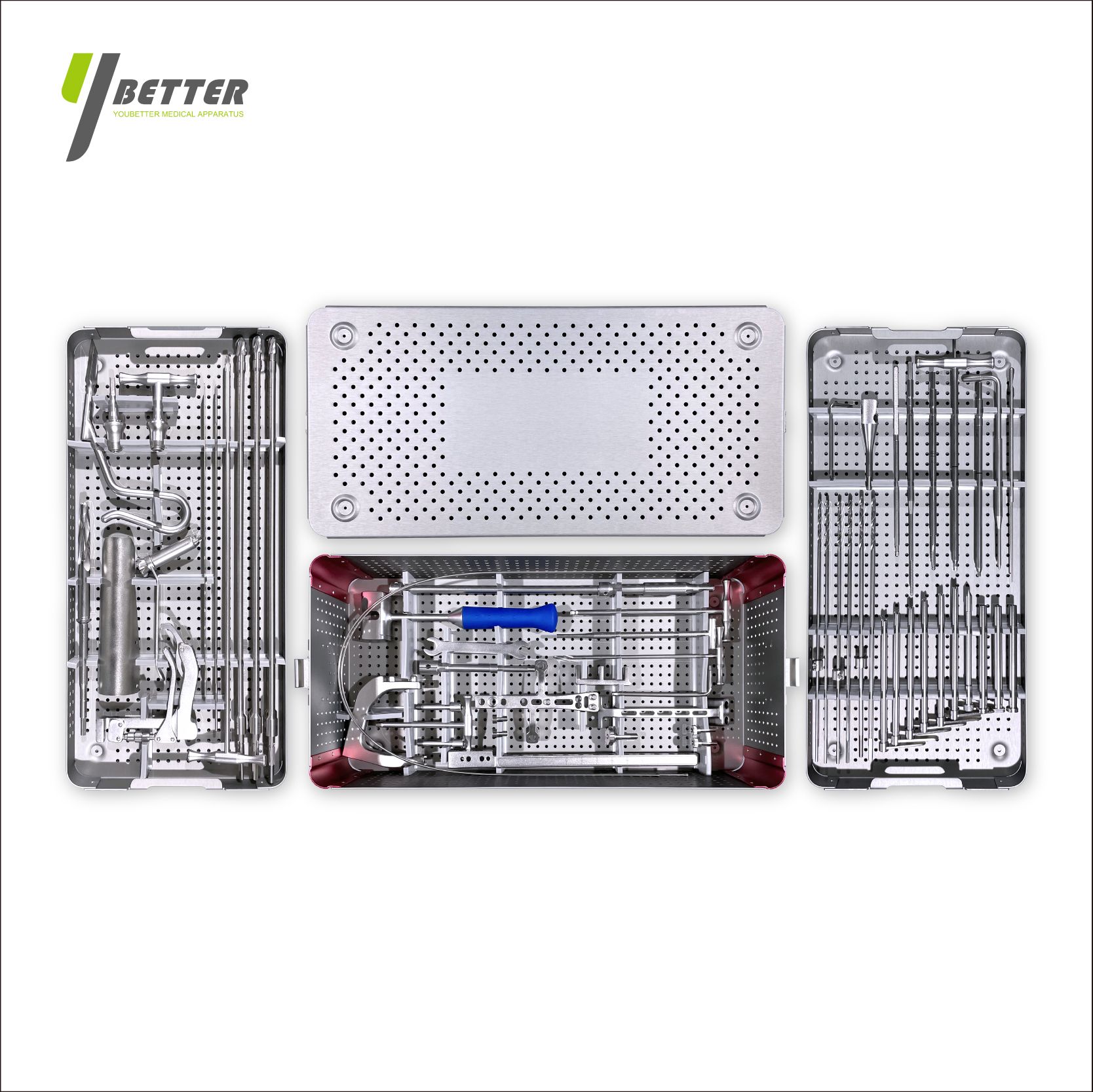
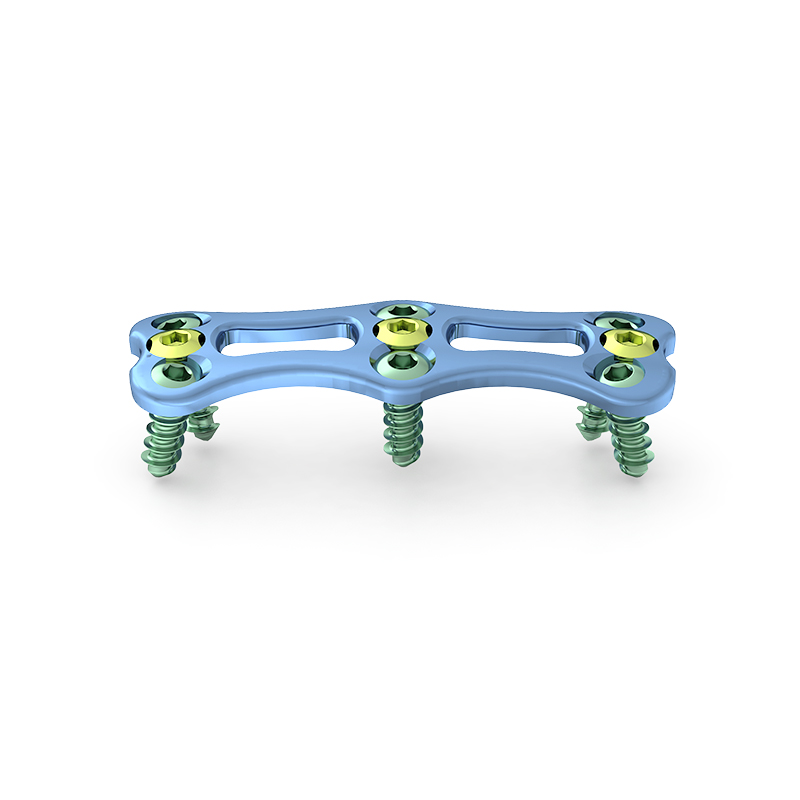
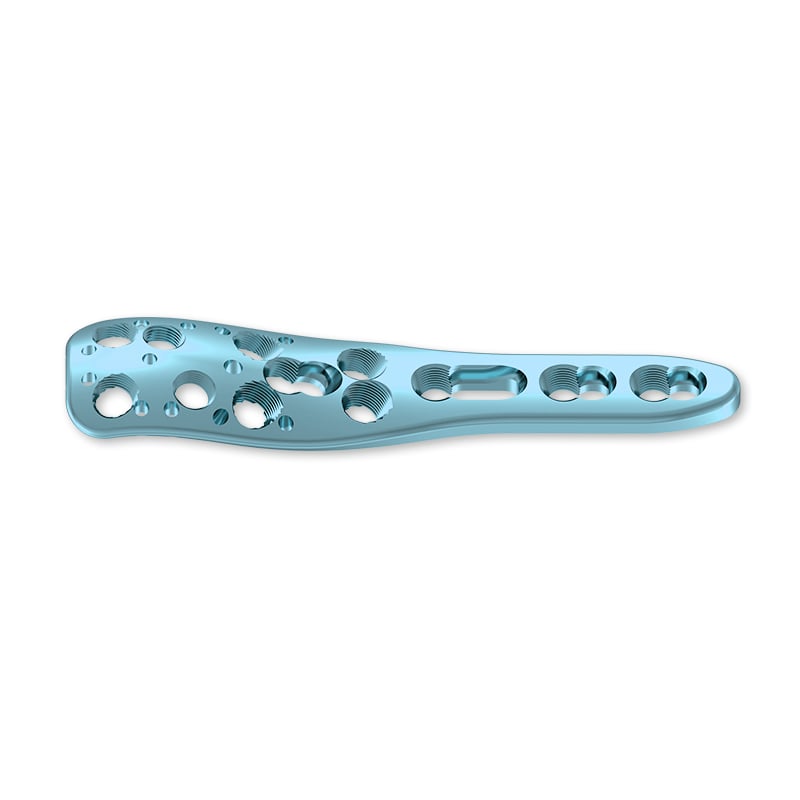
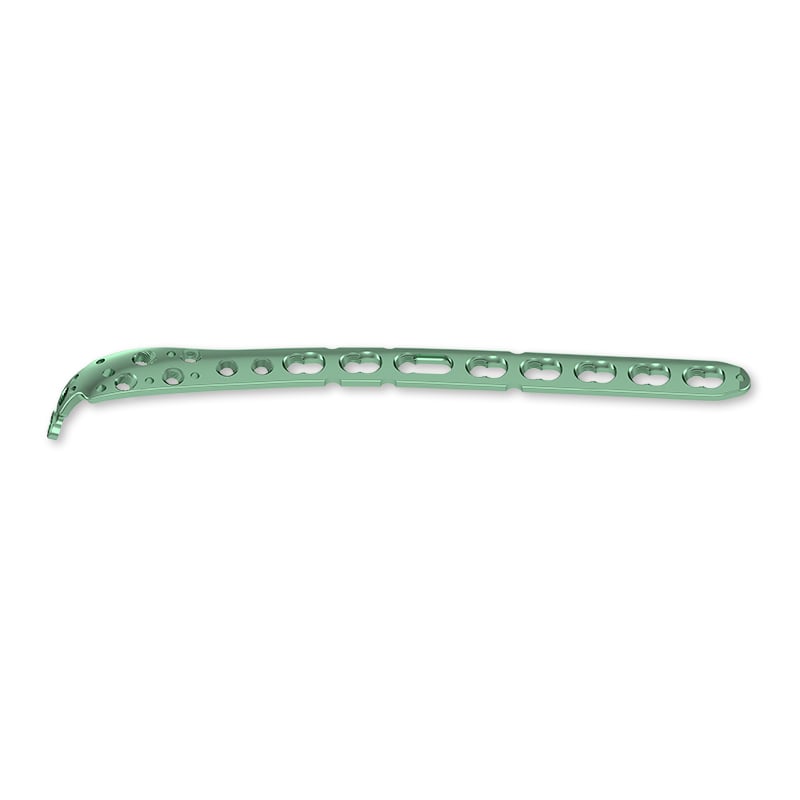
A surgical bone plate implant is a specialized medical device designed to stabilize and support fractured or broken bones during the healing process. These orthopedic implants are typically manufactured from biocompatible materials such as titanium alloy or stainless steel, ensuring safe integration with human bone tissue. The surgical bone plate implant functions as an internal fixation system that holds bone fragments in their correct anatomical position, promoting optimal healing and restoring structural integrity. Modern surgical bone plate implants feature precision-engineered designs with strategically placed screw holes that allow surgeons to secure the plate firmly to the bone surface. The technology behind these implants has evolved significantly, incorporating anatomically contoured shapes that match the natural curvature of different bone structures throughout the human body. These devices are extensively used in trauma surgery, reconstructive procedures, and orthopedic operations involving the skeletal system. The surgical bone plate implant serves multiple critical functions including load distribution across the fracture site, compression or neutralization of forces, and bridging of bone defects. Applications span various anatomical locations such as long bones in the arms and legs, facial bones, pelvic structures, and spinal vertebrae. The implants come in numerous sizes, thicknesses, and configurations to accommodate different fracture patterns, bone dimensions, and surgical approaches. Their versatility makes the surgical bone plate implant an indispensable tool in modern orthopedic and trauma care, enabling patients to achieve faster recovery times and improved functional outcomes.

New Product Recommendations

Choosing a surgical bone plate implant offers substantial practical benefits that directly impact patient recovery and surgical success. The primary advantage lies in providing immediate mechanical stability to fractured bones, allowing patients to begin rehabilitation exercises earlier than traditional casting methods would permit. This early mobilization reduces the risk of muscle atrophy, joint stiffness, and other complications associated with prolonged immobilization. The surgical bone plate implant eliminates the need for bulky external casts in many cases, significantly improving patient comfort and quality of life during the recovery period. From an operational perspective, these implants streamline surgical procedures by offering intuitive installation techniques that experienced surgeons can execute efficiently. The precise screw placement system ensures secure fixation while minimizing soft tissue trauma and surgical time. For healthcare facilities, the surgical bone plate implant represents a cost-effective solution when considering the reduced need for revision surgeries and shorter hospital stays. The biocompatible materials used in manufacturing ensure excellent tissue tolerance, minimizing rejection risks and inflammatory responses. Application suitability extends across a wide range of fracture types, from simple breaks to complex multi-fragmentary injuries, making the surgical bone plate implant a versatile choice for diverse clinical scenarios. The implants maintain their structural integrity under physiological loading conditions, providing reliable support throughout the entire healing timeline. Decision-makers will appreciate that these devices have undergone rigorous clinical testing and regulatory approval processes, establishing a proven track record of safety and efficacy. The anatomically contoured designs reduce surgical complexity by naturally conforming to bone surfaces, decreasing operative difficulty and improving placement accuracy. Long-term durability ensures that the surgical bone plate implant can remain in place permanently if needed, or be removed easily once healing is complete, offering flexibility in treatment planning.

Practical Tips

What Are the Indications for Using Pedicle Screw in Degenerative Spine Disease?

02

Jun

What Are the Indications for Using Pedicle Screw in Degenerative Spine Disease?

Degenerative spine disease encompasses a broad spectrum of conditions that progressively compromise spinal stability, alignment, and neurological function. As these conditions advance, conservative management often fails to provide adequate relief, a...
View More
Why Is Pedicle Screw Accuracy Critical in Minimally Invasive Spine Surgery?

02

Jun

Why Is Pedicle Screw Accuracy Critical in Minimally Invasive Spine Surgery?

In the evolving landscape of spinal surgery, precision is not merely a technical preference — it is a clinical imperative. The pedicle screw has become the cornerstone of modern spinal fixation systems, offering surgeons a reliable anchor point...
View More
How Do Spinal Screw Systems Perform in Osteoporotic Patients?

06

Jul

How Do Spinal Screw Systems Perform in Osteoporotic Patients?

When a surgeon places a spinal screw into osteoporotic bone, the mechanical environment is fundamentally different from that of healthy vertebral bone. Osteoporosis reduces bone mineral density and disrupts trabecular architecture, leaving the cancel...
View More
What Role Does Spinal Screw Play in Complex Spinal Reconstruction?

06

Jul

What Role Does Spinal Screw Play in Complex Spinal Reconstruction?

In complex spinal reconstruction procedures, every implant must perform with precision and reliability. The spinal screw is one of the most critical components in these surgeries, serving as the primary anchor that holds rods, connectors, and bone se...
View More

Get a Free Quote

Our representative will contact you soon.
Email
Name
Company Name
Message
0/1000

surgical bone plate implant

Advanced Biomechanical Stability

Advanced Biomechanical Stability

The surgical bone plate implant delivers superior biomechanical stability through its engineered design that precisely distributes mechanical forces across the fracture site. This critical feature ensures that bone fragments remain in optimal alignment throughout the healing process, preventing displacement that could compromise recovery outcomes. The plate's rigid construction acts as a load-bearing structure, protecting the healing bone from premature stress while allowing controlled micromotion that stimulates natural bone regeneration. The strategically positioned screw holes enable surgeons to achieve multi-directional fixation, creating a robust construct that resists torsional, bending, and axial forces. This mechanical advantage is particularly valuable in weight-bearing bones where premature loading could otherwise cause fixation failure. The stability provided by the surgical bone plate implant translates directly into reduced pain for patients, as secure fixation eliminates painful bone movement at the fracture site. Furthermore, this stability enables earlier weight-bearing and functional use of the affected limb, accelerating the overall rehabilitation timeline and helping patients return to normal activities more quickly. The engineering precision behind each implant ensures consistent performance across diverse patient populations and fracture configurations.
Biocompatible Material Excellence

Biocompatible Material Excellence

The surgical bone plate implant is manufactured from premium biocompatible materials that ensure safe, long-term integration with human bone tissue without triggering adverse reactions. Titanium alloy and medical-grade stainless steel represent the gold standards in implant materials, offering an optimal combination of strength, corrosion resistance, and biological compatibility. These materials have been extensively tested through decades of clinical use, establishing an exceptional safety profile that gives both surgeons and patients confidence in treatment outcomes. The biocompatibility of the surgical bone plate implant means that the body recognizes these materials as non-threatening, allowing bone cells to grow directly adjacent to the implant surface without forming problematic scar tissue barriers. This property facilitates osseointegration in some advanced implant designs, where bone actually bonds to the implant surface, creating an even stronger fixation over time. The corrosion-resistant properties ensure that the implant maintains its structural integrity and does not release harmful metal ions into surrounding tissues, even after years of implantation. For patients with metal sensitivities, specialized coating technologies and alternative material options provide safe solutions without compromising mechanical performance. The material excellence of the surgical bone plate implant contributes to minimal inflammatory response, reduced infection risk, and optimal healing environments.
Anatomically Contoured Design Precision

Anatomically Contoured Design Precision

The surgical bone plate implant features anatomically contoured designs that precisely match the natural curvature and shape of specific bone structures throughout the human skeleton. This design precision represents a significant advancement over earlier flat plate designs, as it eliminates the need for intraoperative bending and shaping that could compromise implant strength or prolong surgical time. Each surgical bone plate implant is pre-contoured based on detailed anatomical studies and imaging data from diverse patient populations, ensuring excellent fit across a wide range of body types and sizes. The contoured design allows the plate to sit flush against the bone surface, minimizing soft tissue irritation and reducing the implant's profile beneath the skin. This anatomical conformity is particularly important in areas with minimal soft tissue coverage, such as the hand, forearm, or ankle, where prominent implants could cause discomfort or skin complications. Surgeons benefit from the predictable fit of these contoured plates, which simplifies surgical planning and reduces operative complexity. The precision contouring of the surgical bone plate implant also optimizes screw trajectories, ensuring that fixation screws engage bone at ideal angles for maximum holding strength. This thoughtful design consideration translates into more reliable fixation, fewer surgical complications, and improved aesthetic outcomes for patients.

Get a Free Quote

Our representative will contact you soon.
Email
Name
Company Name
Message
0/1000
Newsletter
Please Leave A Message With Us