Orthopedic Implant Devices - Solutions & Benefits

All Categories

Get a Free Quote

Our representative will contact you soon.
Email
Name
Company Name
Message
0/1000

orthopedic implant devices

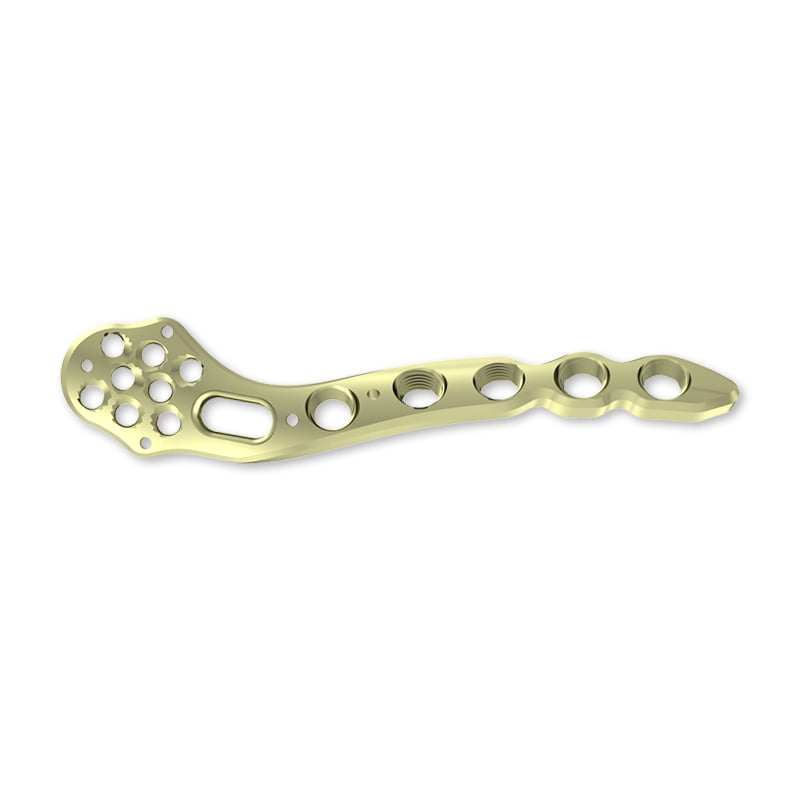
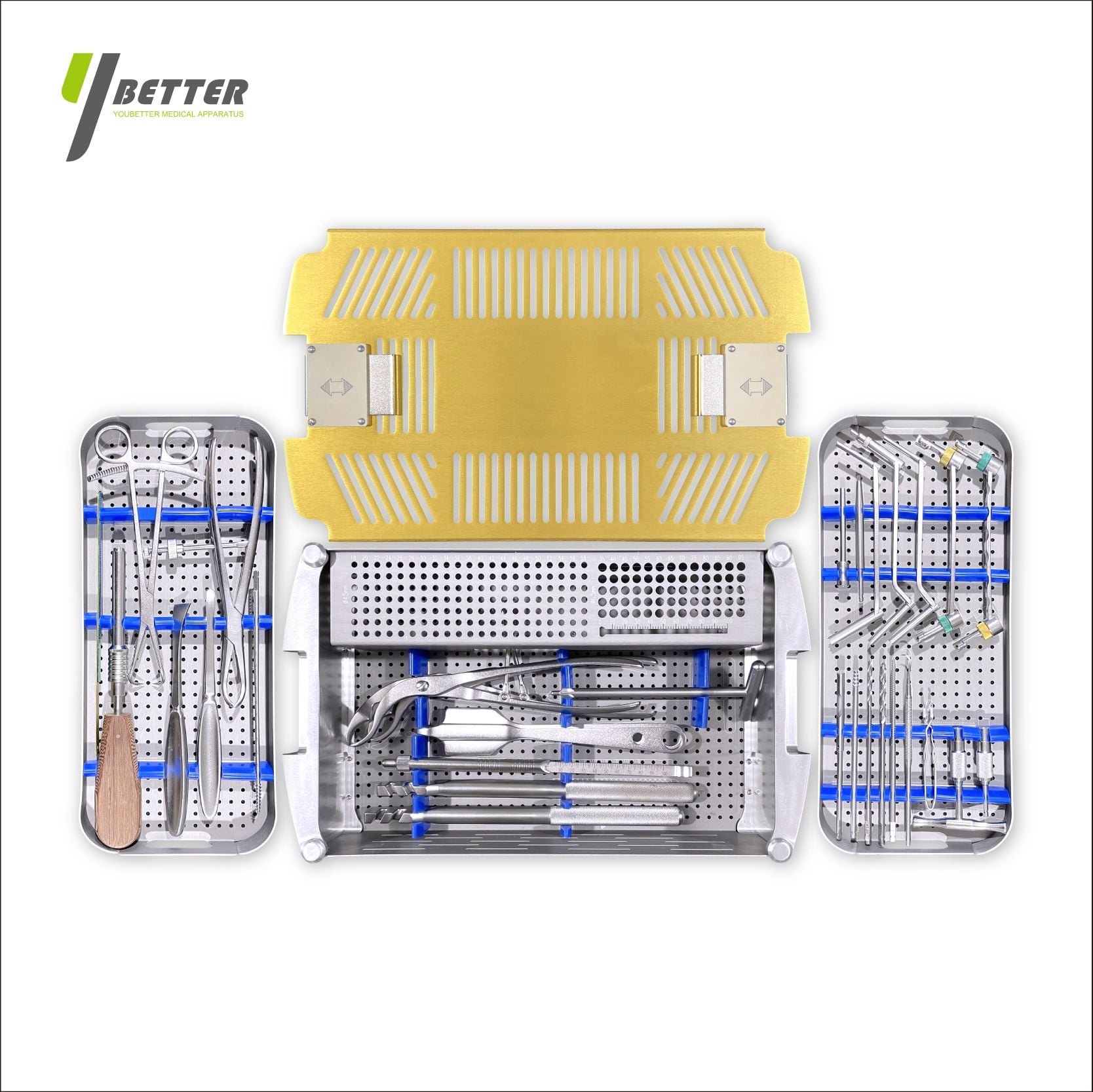
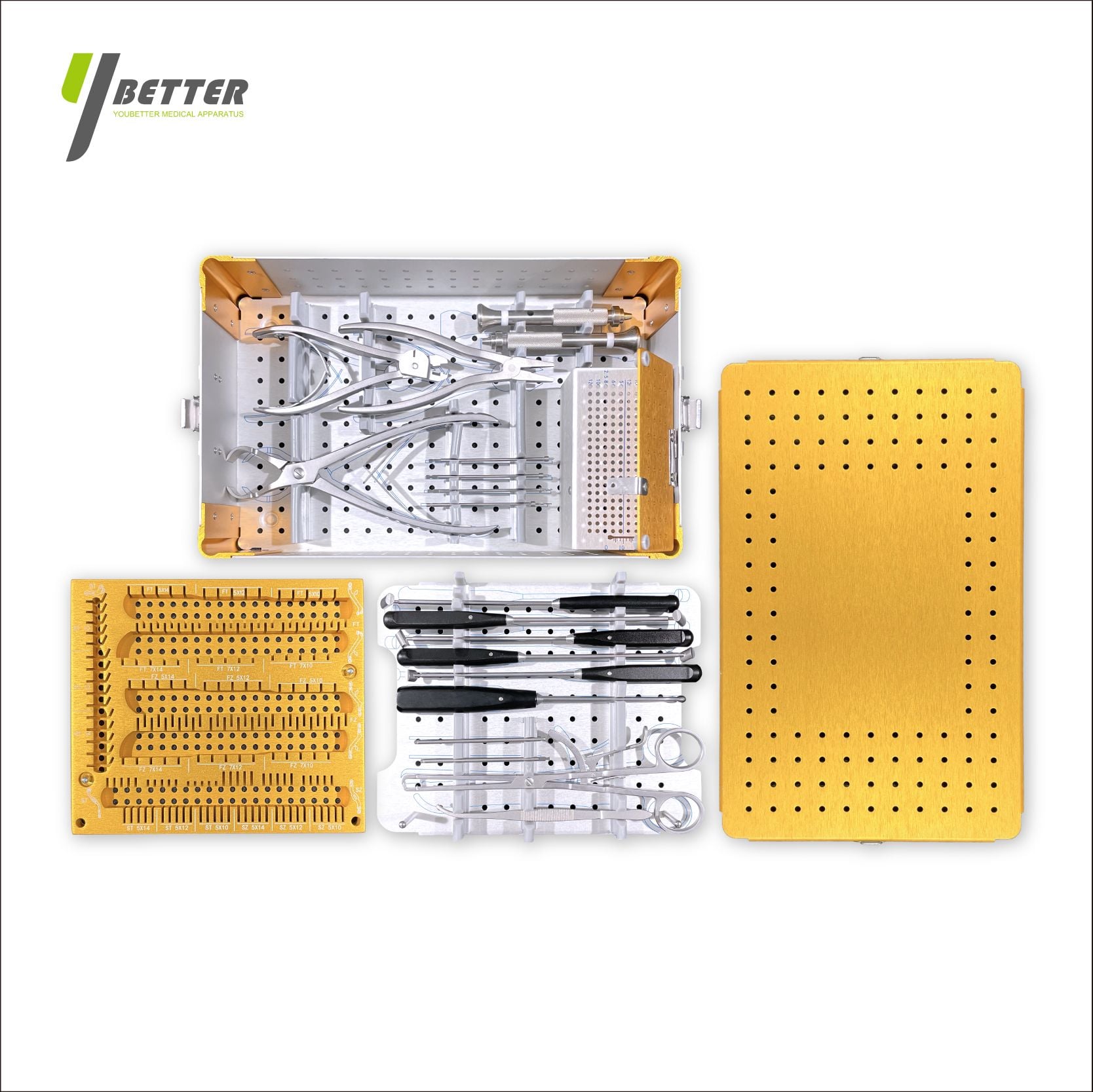
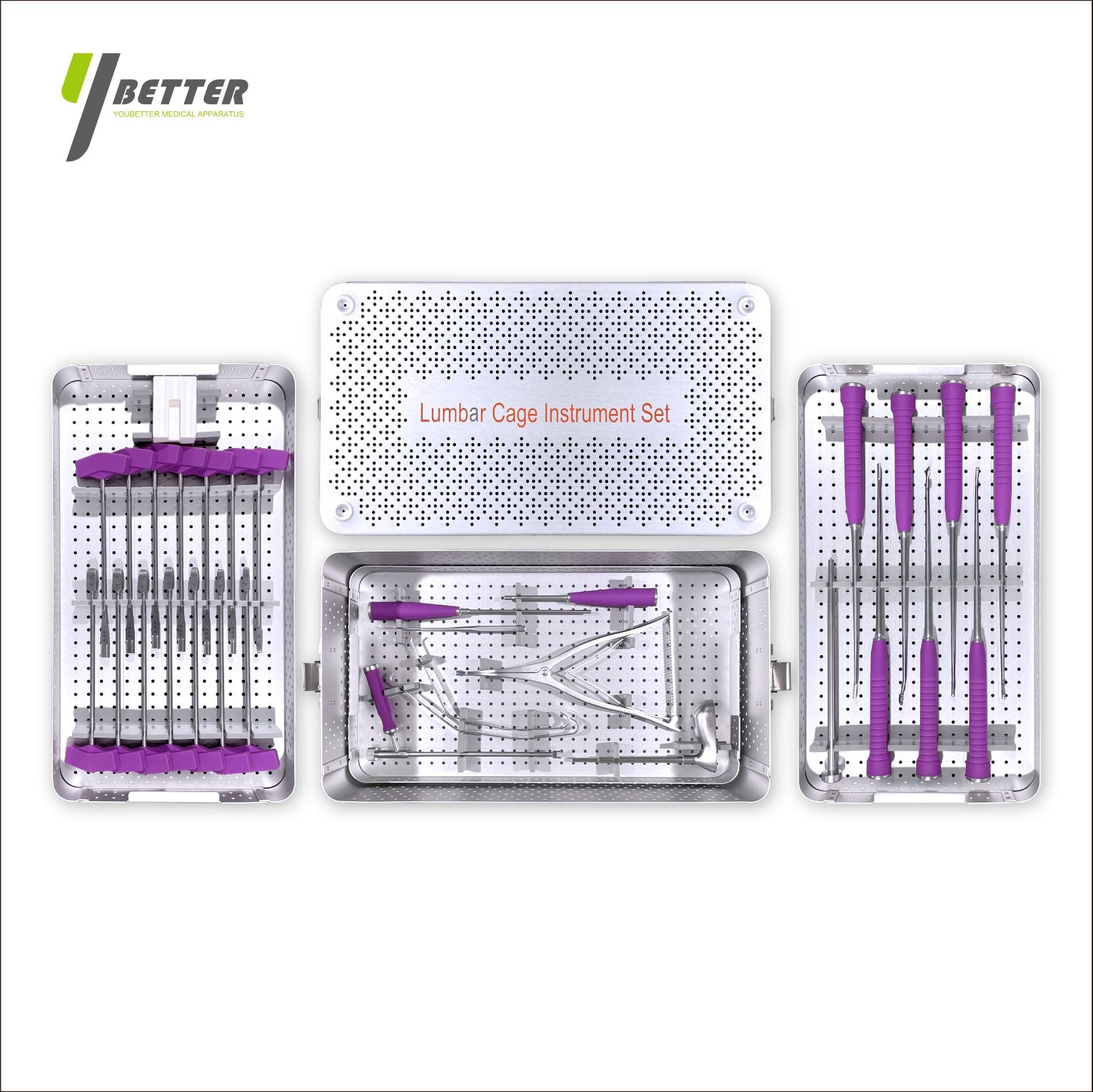
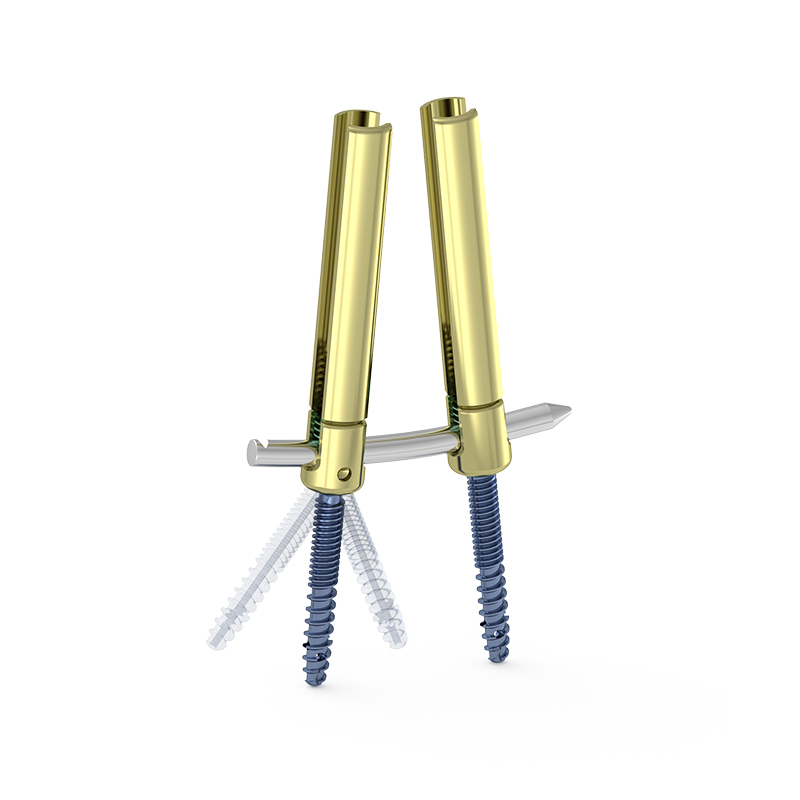
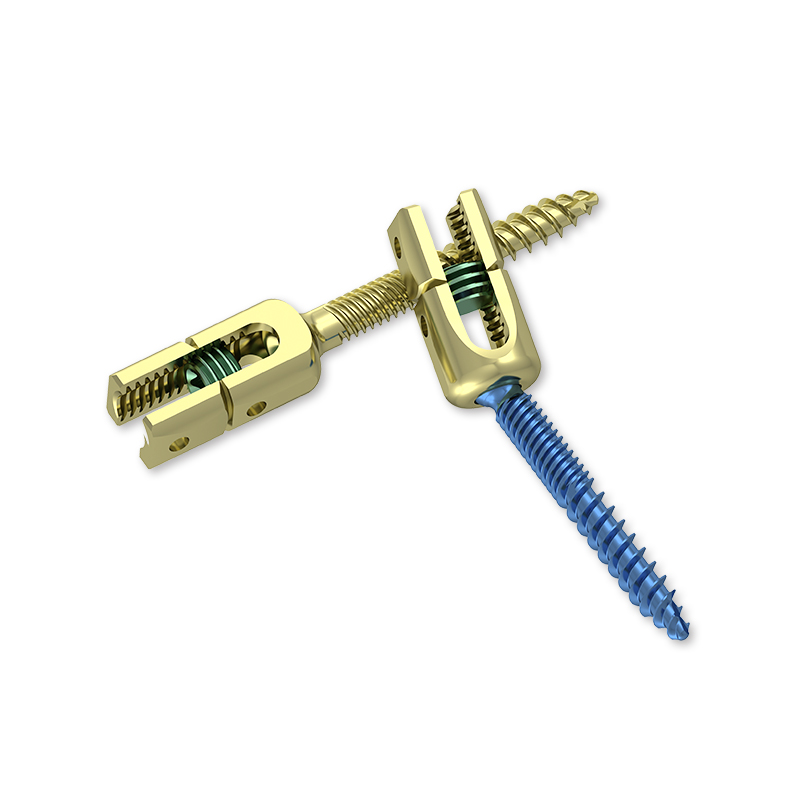
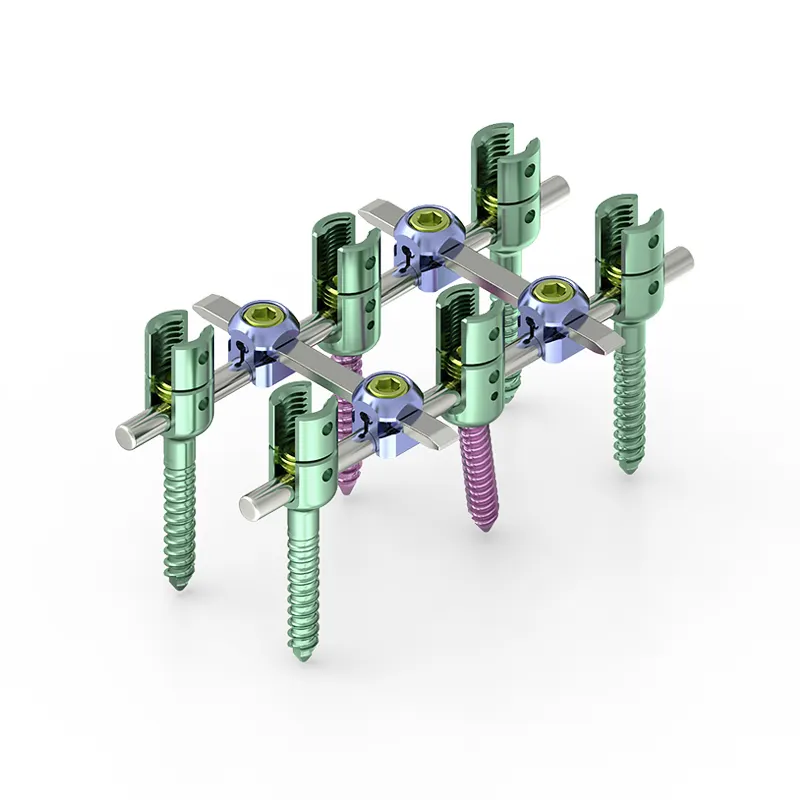
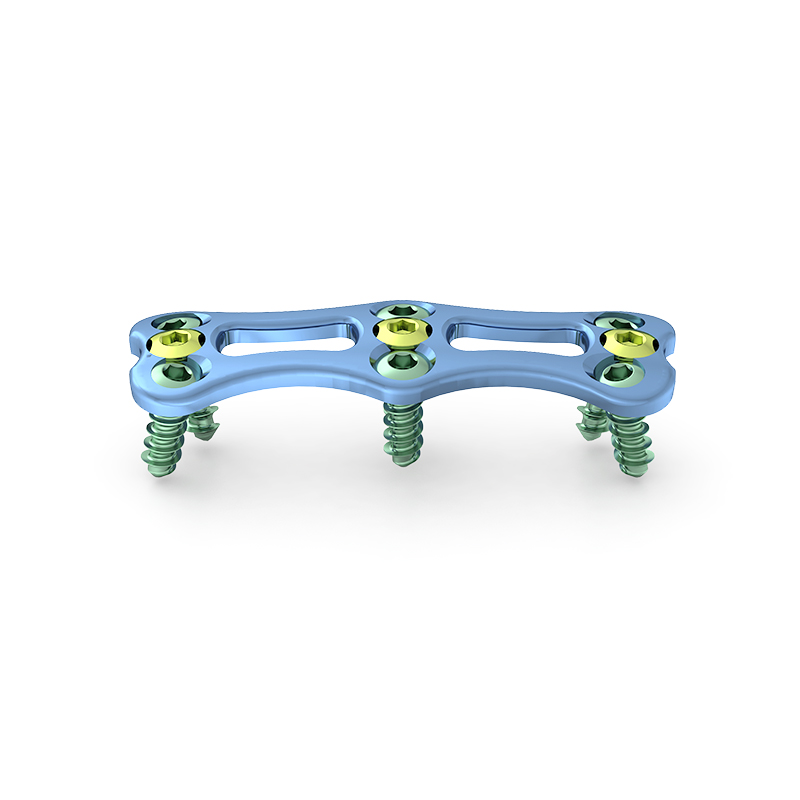
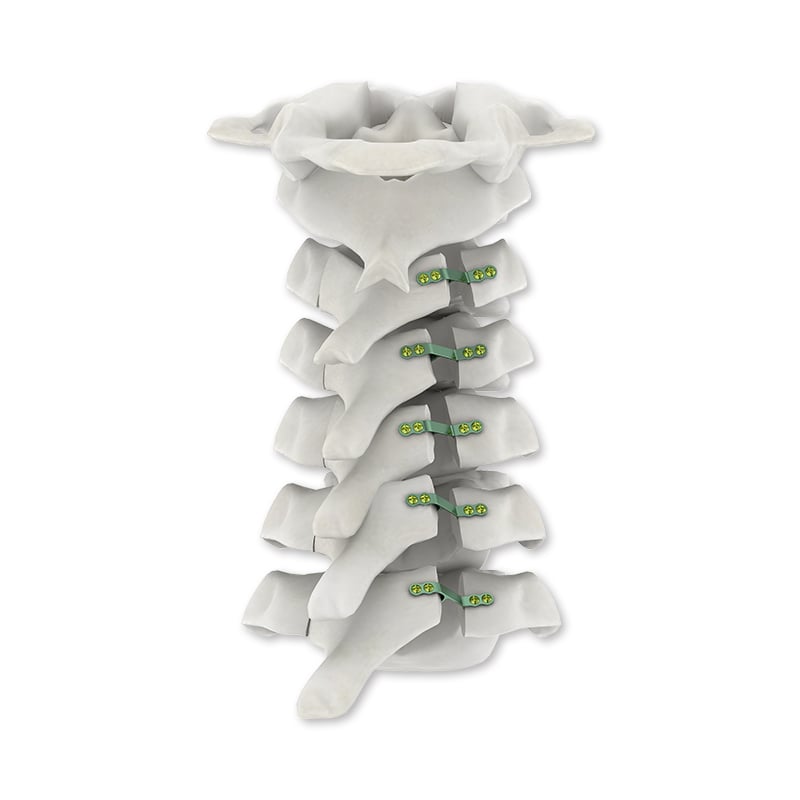
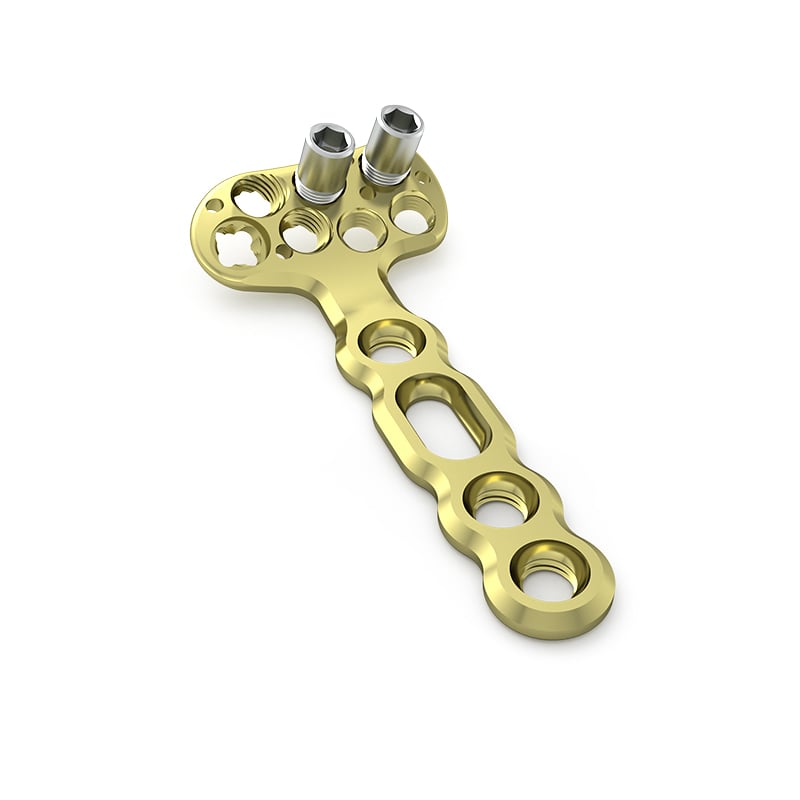
Orthopedic implant devices are specialized medical instruments designed to replace, support, or repair damaged bones and joints within the human skeletal system. These sophisticated devices encompass a wide range of products including hip replacements, knee prosthetics, spinal fusion hardware, trauma fixation plates, screws, and joint reconstruction components. Orthopedic implant devices serve critical functions in restoring mobility, alleviating chronic pain, and improving overall quality of life for patients suffering from arthritis, fractures, degenerative conditions, or traumatic injuries. The technological features of modern orthopedic implant devices include biocompatible materials such as titanium alloys, cobalt-chromium, and medical-grade polymers that integrate seamlessly with natural bone tissue. Advanced surface treatments promote osseointegration, ensuring stable long-term fixation. Many orthopedic implant devices now incorporate porous coating technologies that encourage bone ingrowth, while computer-aided design and manufacturing processes ensure precise anatomical fit. Applications span across multiple medical specialties, from reconstructive surgery following accidents to elective procedures addressing age-related joint deterioration. Orthopedic implant devices are utilized in hospitals, specialized surgical centers, and trauma units worldwide. These devices benefit elderly patients requiring joint replacements, athletes recovering from sports injuries, accident victims needing fracture stabilization, and individuals with congenital skeletal abnormalities. The continuous innovation in orthopedic implant devices reflects advancing surgical techniques, improved materials science, and patient-centered design philosophies that prioritize rapid recovery and enhanced functional outcomes.

Popular Products

Choosing quality orthopedic implant devices delivers substantial practical benefits that directly impact patient outcomes and healthcare efficiency. First, these devices significantly restore physical function, enabling patients to return to daily activities, professional responsibilities, and recreational pursuits that were previously impossible due to joint damage or skeletal injuries. This restoration of independence translates into improved mental health, reduced caregiver burden, and enhanced overall life satisfaction. From an operational perspective, orthopedic implant devices designed with surgeon-friendly instrumentation streamline surgical procedures, reducing operation time and minimizing patient exposure to anesthesia. Shorter procedures lower infection risks and decrease healthcare costs, benefiting both medical facilities and patients financially. The biocompatible materials used in modern orthopedic implant devices minimize adverse reactions, reducing the likelihood of revision surgeries that are costly, painful, and time-consuming. Application suitability is another crucial advantage, as contemporary orthopedic implant devices come in various sizes, configurations, and material options to accommodate diverse patient anatomies, bone densities, and activity levels. This customization ensures optimal fit and performance across different age groups and medical conditions. For decision-makers evaluating orthopedic implant devices, the long-term durability and proven track records of established products provide confidence in investment value. Many orthopedic implant devices offer longevity exceeding fifteen to twenty years, meaning patients can enjoy sustained benefits without frequent interventions. Additionally, regulatory approvals and clinical evidence supporting these devices assure buyers of safety standards and efficacy. The practical benefits extend to rehabilitation, as well-designed orthopedic implant devices facilitate faster healing, allowing patients to begin physical therapy earlier and achieve functional milestones more quickly, ultimately reducing total recovery time and associated rehabilitation expenses.

Latest News

How to Choose the Right Pedicle Screw Size for Lumbar Fusion Procedures?

02

Jun

How to Choose the Right Pedicle Screw Size for Lumbar Fusion Procedures?

Selecting the correct pedicle screw size for lumbar fusion procedures is one of the most consequential decisions a spine surgeon makes during operative planning. The diameter, length, and thread design of each pedicle screw directly influence fixatio...
View More
How Does Spinal Screw Improve Outcomes in Scoliosis Correction Surgery?

06

Jul

How Does Spinal Screw Improve Outcomes in Scoliosis Correction Surgery?

Scoliosis correction surgery is one of the most technically demanding procedures in spinal care, requiring precise instrumentation to restore alignment and maintain long-term stability. At the center of modern surgical technique, the spinal screw has...
View More
Why Is Accurate Spinal Screw Placement Crucial for Patient Safety?

06

Jul

Why Is Accurate Spinal Screw Placement Crucial for Patient Safety?

Pedicle screw placement is one of the most technically demanding steps in spinal surgery. When a surgeon positions each screw with precision, the entire construct gains stability, and the patient's recovery is protected from preventable complications...
View More
How Can Distributors Assess Pedicle Screw Supplier Reliability?

06

Jul

How Can Distributors Assess Pedicle Screw Supplier Reliability?

Choosing the right pedicle screw supplier is one of the most consequential decisions a medical device distributor can make. A pedicle screw supplier directly affects patient safety, regulatory standing, and the commercial reputation of every distribu...
View More

Get a Free Quote

Our representative will contact you soon.
Email
Name
Company Name
Message
0/1000

orthopedic implant devices

Advanced Biocompatible Materials Ensuring Long-Term Integration

Advanced Biocompatible Materials Ensuring Long-Term Integration

Modern orthopedic implant devices utilize cutting-edge biocompatible materials specifically engineered to harmonize with human physiology. Titanium alloys stand out for their exceptional strength-to-weight ratio and natural resistance to corrosion within the body's demanding environment. These materials undergo rigorous surface treatments, including plasma spraying and hydroxyapatite coating, which create microporous surfaces that actively encourage bone cell attachment and proliferation. This osseointegration process ensures that orthopedic implant devices become firmly anchored within the skeletal structure, providing stable support for decades. Cobalt-chromium alloys offer superior wear resistance, particularly valuable in joint replacement applications where articulating surfaces experience millions of movement cycles annually. Medical-grade polyethylene components provide smooth, low-friction bearing surfaces that minimize wear debris generation. The careful material selection in orthopedic implant devices directly influences patient outcomes by reducing inflammatory responses, minimizing ion release into surrounding tissues, and preventing allergic reactions. This advanced materials science represents a cornerstone value proposition, delivering reliability and longevity that justify the investment while ensuring patient safety and satisfaction throughout the implant's functional lifespan.
Precision Engineering for Anatomical Compatibility

Precision Engineering for Anatomical Compatibility

The precision engineering behind orthopedic implant devices represents a significant technological advancement that directly benefits surgical outcomes and patient comfort. Manufacturers employ computer-aided design software that analyzes extensive anatomical databases, creating implant geometries that mirror natural bone contours and joint mechanics. This anatomical compatibility ensures optimal load distribution across the skeletal structure, preventing stress concentration points that could lead to bone resorption or implant loosening. Advanced manufacturing techniques, including additive manufacturing and CNC machining, produce orthopedic implant devices with tolerances measured in microns, guaranteeing consistent quality and reliable performance. Modular design systems allow surgeons to assemble customized configurations during procedures, adapting to individual patient anatomy discovered intraoperatively. This flexibility proves invaluable when addressing complex cases involving bone defects, unusual anatomies, or revision surgeries. The precision engineering of orthopedic implant devices also extends to instrumentation systems that guide accurate implant positioning, ensuring proper alignment that maximizes functional range of motion and minimizes postoperative complications. For patients, this translates into natural-feeling movement, reduced risk of dislocation or mechanical failure, and improved long-term satisfaction with their surgical outcomes, making precision engineering a critical differentiator in product selection.
Comprehensive Clinical Evidence Supporting Efficacy

Comprehensive Clinical Evidence Supporting Efficacy

Orthopedic implant devices backed by extensive clinical evidence provide decision-makers with confidence in their safety profiles and performance expectations. Leading manufacturers invest significantly in longitudinal studies tracking patient outcomes over decades, generating robust data on survival rates, complication frequencies, and functional improvement metrics. Registry data from millions of procedures worldwide offer real-world evidence that complements controlled clinical trials, revealing how orthopedic implant devices perform across diverse patient populations and surgical settings. This comprehensive evidence base enables healthcare providers to make informed choices aligned with specific patient needs and institutional quality standards. Published peer-reviewed research demonstrates measurable improvements in pain reduction, mobility restoration, and quality-of-life indicators following implantation. Regulatory agencies require rigorous premarket testing, ensuring orthopedic implant devices meet stringent safety and efficacy benchmarks before commercial availability. Post-market surveillance systems continuously monitor device performance, identifying potential issues early and driving continuous improvement. For patients, this clinical evidence provides reassurance that their chosen orthopedic implant devices have proven track records and predictable outcomes. For surgeons and hospital administrators, evidence-based selection of orthopedic implant devices supports quality improvement initiatives, risk management strategies, and patient counseling processes, ultimately contributing to superior healthcare delivery and positive institutional reputations.

Get a Free Quote

Our representative will contact you soon.
Email
Name
Company Name
Message
0/1000
Newsletter
Please Leave A Message With Us