Orthopedic Implants for Orthopedic Surgery

All Categories

Get a Free Quote

Our representative will contact you soon.
Email
Name
Company Name
Message
0/1000

orthopedic implants for orthopedic surgery

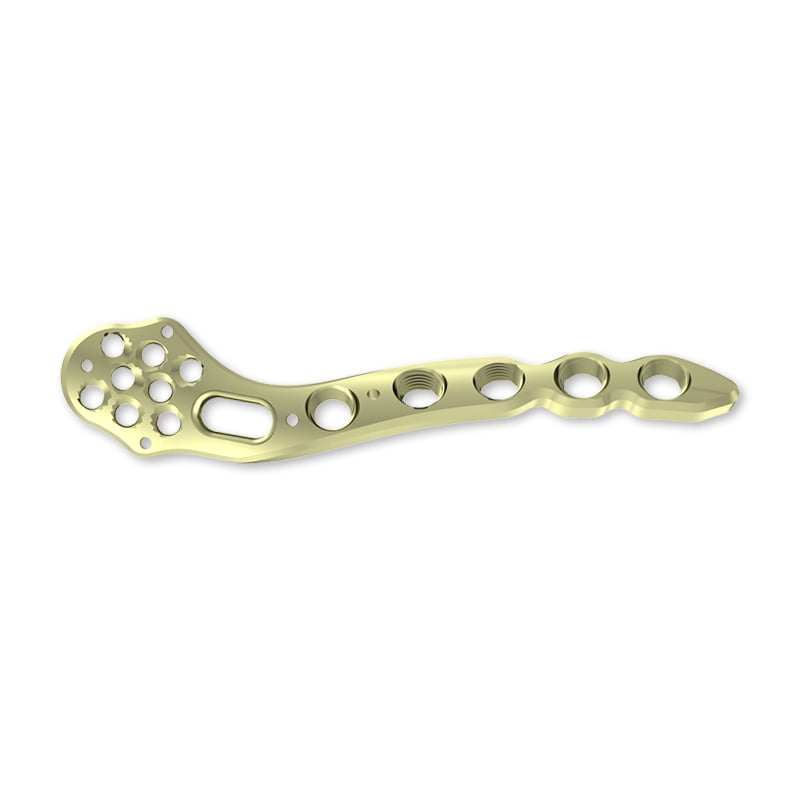
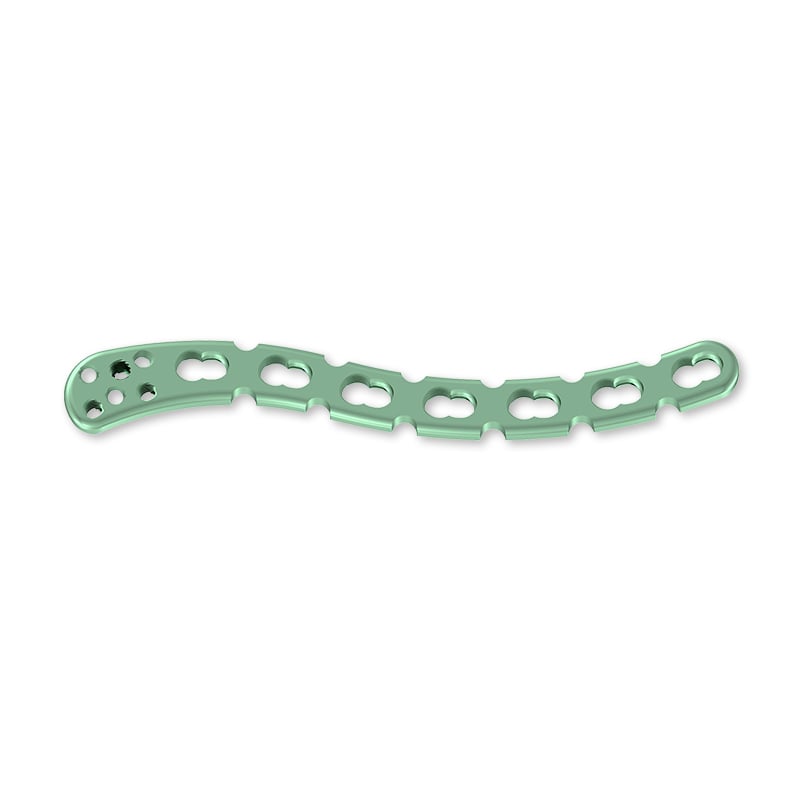
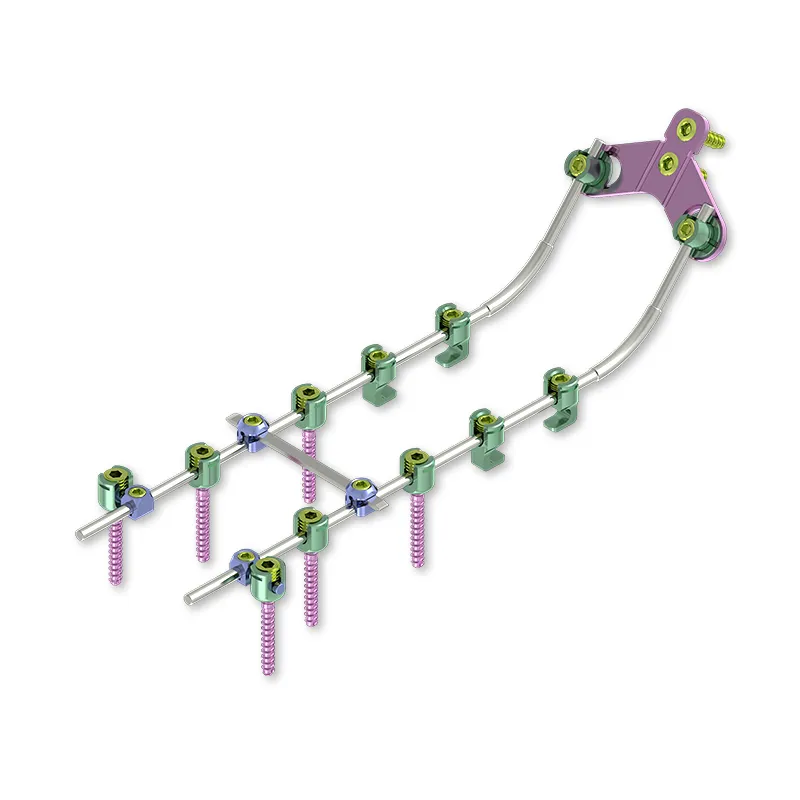
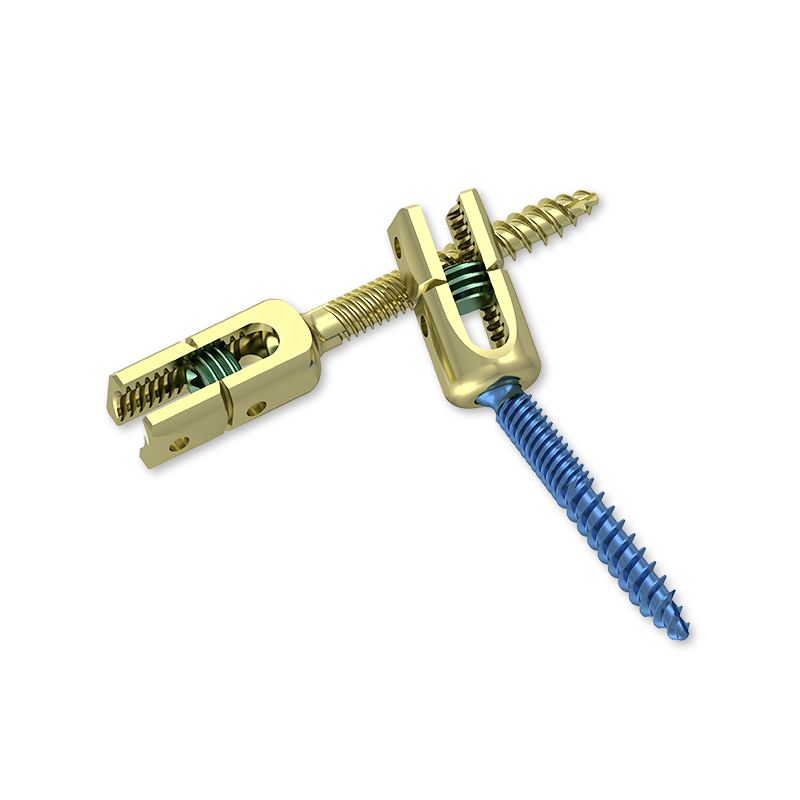
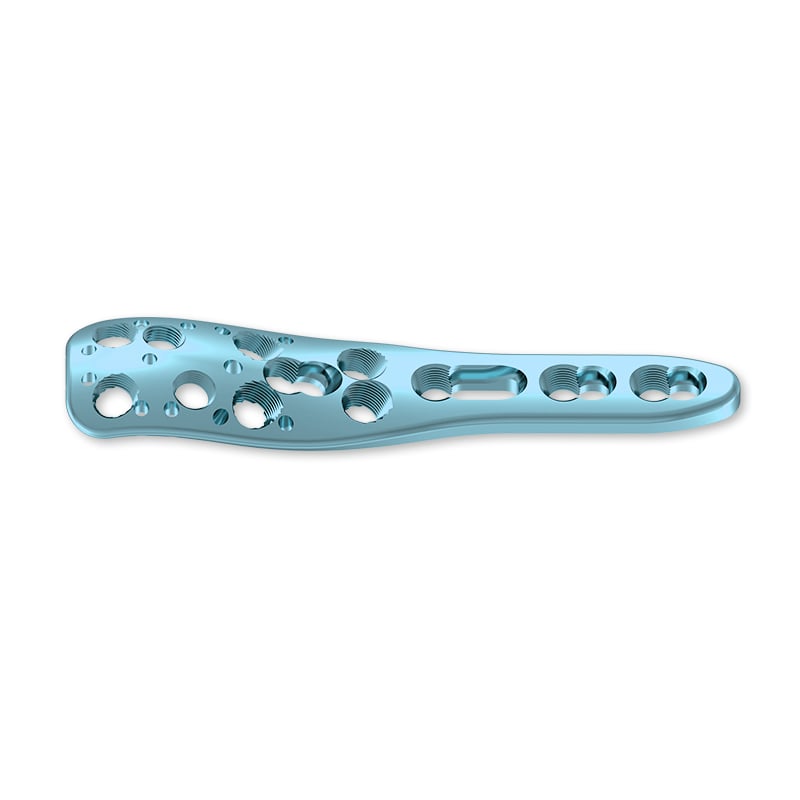
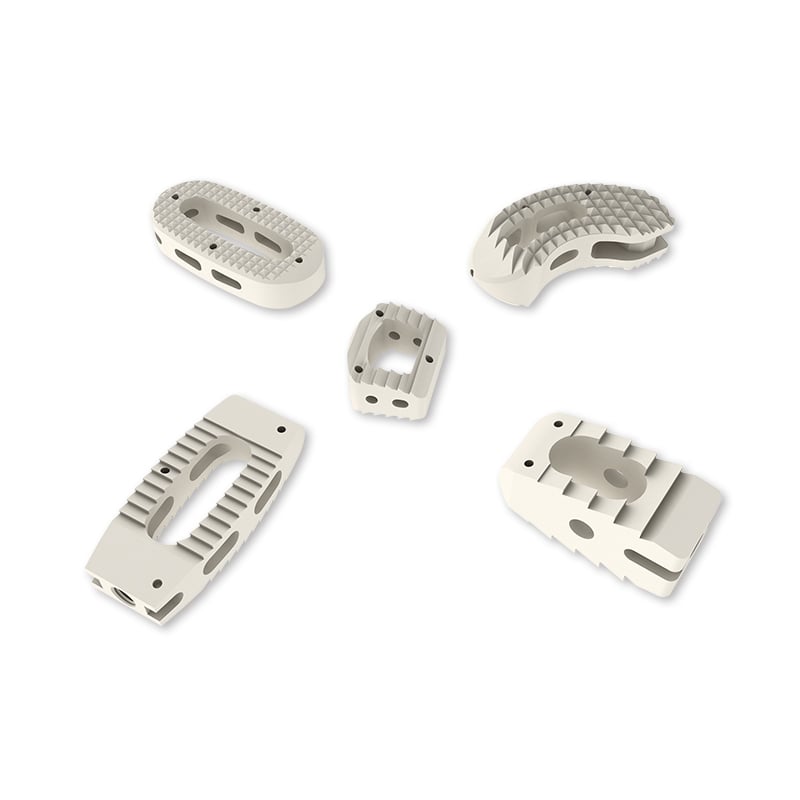
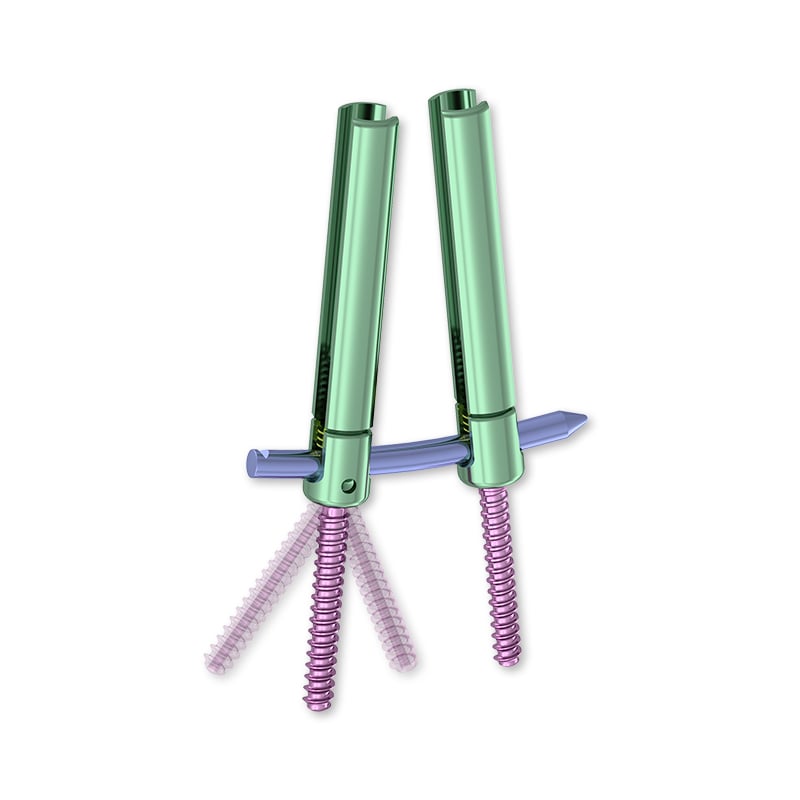
Orthopedic implants for orthopedic surgery represent essential medical devices designed to restore function, stability, and mobility to damaged or diseased skeletal structures. These sophisticated devices are engineered to replace, support, or reinforce bones and joints that have been compromised by trauma, degenerative conditions, congenital abnormalities, or age-related wear. Modern orthopedic implants for orthopedic surgery encompass a wide range of products including joint replacement components, fracture fixation plates, intramedullary nails, spinal fusion cages, and bone screws. Each implant type serves specific surgical applications while adhering to strict biocompatibility standards. The main functions of orthopedic implants for orthopedic surgery include providing structural support during bone healing, facilitating proper alignment of fractured segments, replacing damaged joint surfaces, and enabling weight-bearing capabilities after injury or disease. Technological features incorporate advanced materials such as titanium alloys, cobalt-chromium compounds, and medical-grade stainless steel, all chosen for their strength, corrosion resistance, and compatibility with human tissue. Surface treatments and coatings enhance osseointegration, promoting natural bone growth around the implant for long-term stability. Applications span trauma surgery for fracture repair, reconstructive procedures for joint replacement in hips, knees, and shoulders, spinal surgeries for fusion and stabilization, and sports medicine interventions. Healthcare facilities worldwide depend on these implants to deliver effective surgical outcomes and improve patient quality of life through restored mobility and reduced pain.

Popular Products

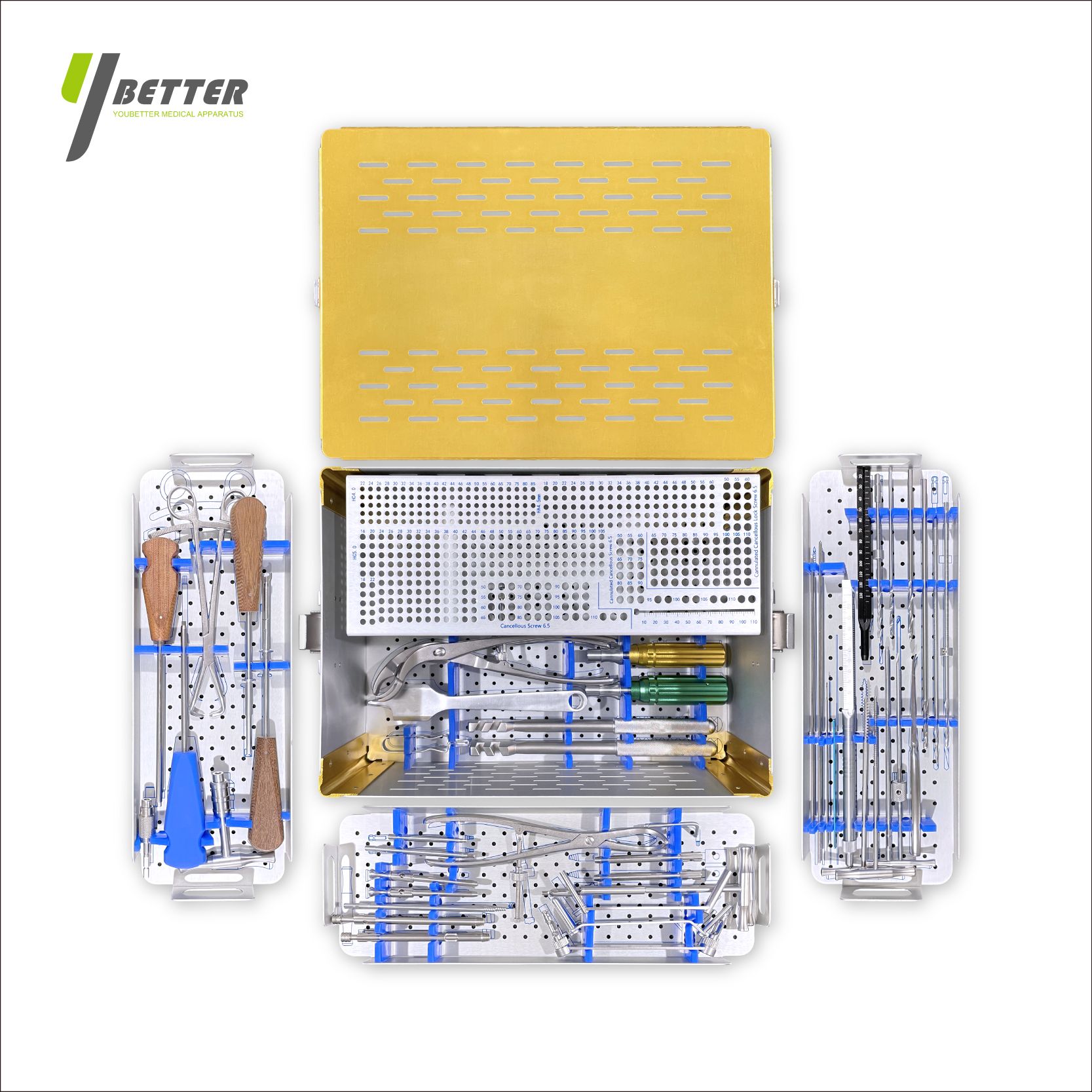
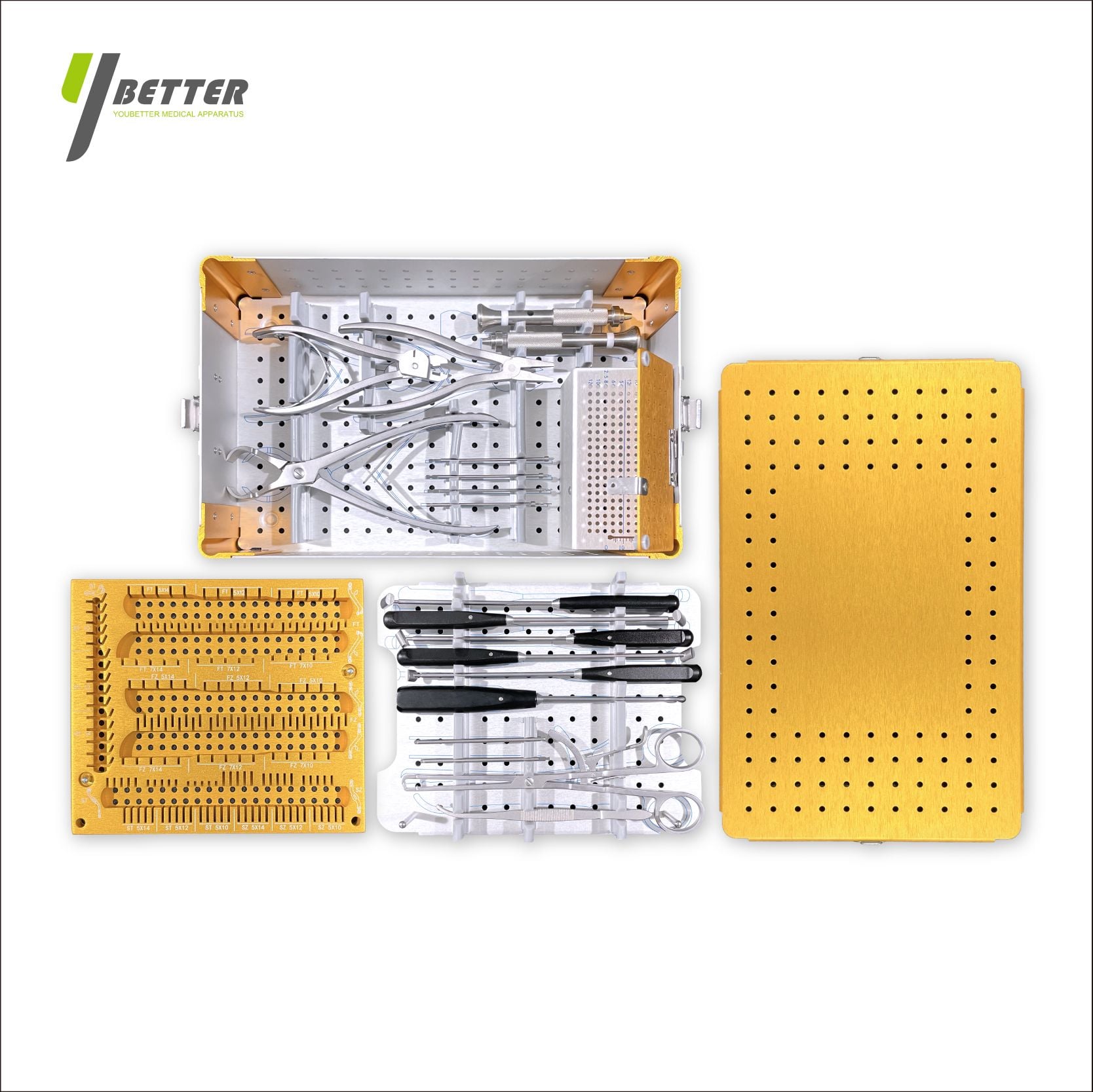
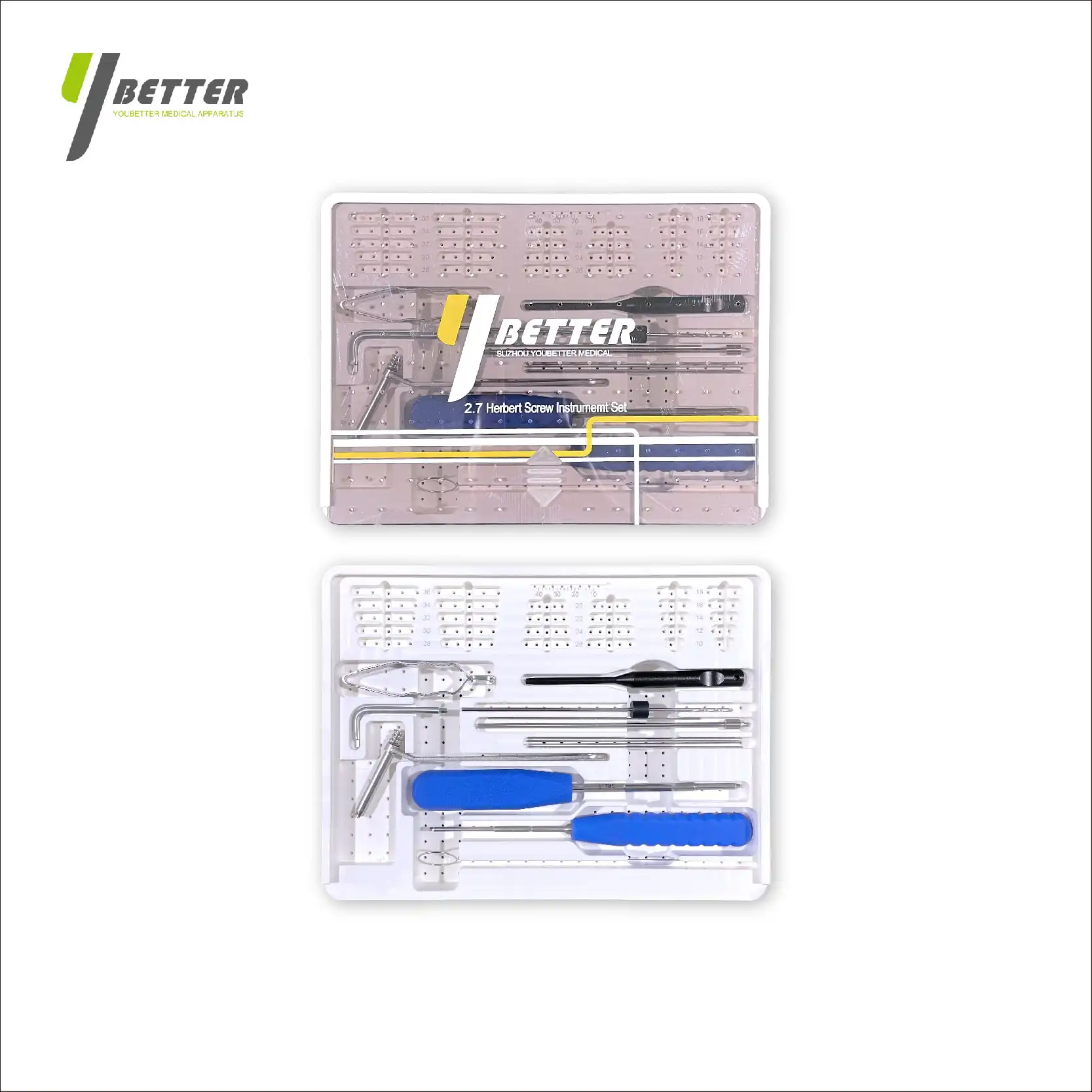
Choosing high-quality orthopedic implants for orthopedic surgery delivers significant practical benefits that directly impact patient outcomes and healthcare facility efficiency. The primary advantage lies in enhanced surgical success rates, as precision-engineered implants ensure accurate anatomical reconstruction and reliable fixation strength. This translates to faster patient recovery times, reduced hospitalization periods, and lower complication rates, providing measurable value for both patients and healthcare providers. Operational benefits include streamlined surgical workflows through comprehensive instrumentation systems that accompany orthopedic implants for orthopedic surgery, enabling surgeons to perform procedures with greater confidence and efficiency. The compatibility of these implants with modern imaging technologies facilitates preoperative planning and intraoperative guidance, minimizing surgical time and improving precision. From an application suitability perspective, contemporary orthopedic implants for orthopedic surgery offer versatile solutions across multiple specialties including trauma, arthroplasty, spine, and extremities. Their modular designs accommodate diverse patient anatomies and surgical techniques, allowing customization based on individual clinical requirements. The biocompatible materials used in manufacturing reduce rejection risks and inflammatory responses, supporting natural healing processes. Long-term durability represents another crucial advantage, with advanced materials and surface treatments extending implant lifespan and reducing revision surgery needs. For purchasing decision-makers, the proven track record of regulatory approvals and clinical evidence supporting orthopedic implants for orthopedic surgery provides confidence in product safety and effectiveness. Cost-effectiveness emerges through reduced complication management expenses and improved patient satisfaction scores, ultimately enhancing institutional reputation and operational performance while delivering superior clinical outcomes that justify investment in premium implant technology.

Tips And Tricks

What Are the Indications for Using Pedicle Screw in Degenerative Spine Disease?

02

Jun

What Are the Indications for Using Pedicle Screw in Degenerative Spine Disease?

Degenerative spine disease encompasses a broad spectrum of conditions that progressively compromise spinal stability, alignment, and neurological function. As these conditions advance, conservative management often fails to provide adequate relief, a...
View More
How Does Pedicle Screw Design Enhance Pullout Strength and Stability?

02

Jun

How Does Pedicle Screw Design Enhance Pullout Strength and Stability?

In modern spinal surgery, fixation reliability is not a secondary consideration — it is the foundation upon which patient outcomes are built. The pedicle screw has become the cornerstone of posterior spinal instrumentation, offering surgeons a ...
View More
Why Is Pedicle Screw Accuracy Critical in Minimally Invasive Spine Surgery?

02

Jun

Why Is Pedicle Screw Accuracy Critical in Minimally Invasive Spine Surgery?

In the evolving landscape of spinal surgery, precision is not merely a technical preference — it is a clinical imperative. The pedicle screw has become the cornerstone of modern spinal fixation systems, offering surgeons a reliable anchor point...
View More
What Are the Clinical Indications for Using Spinal Screw in Spine Trauma?

06

Jul

What Are the Clinical Indications for Using Spinal Screw in Spine Trauma?

When surgeons evaluate a patient with spine trauma, one of the most critical decisions they face is whether to use a spinal screw for stabilization. A spinal screw serves as the mechanical foundation of posterior fixation systems, anchoring rods or p...
View More

Get a Free Quote

Our representative will contact you soon.
Email
Name
Company Name
Message
0/1000

orthopedic implants for orthopedic surgery

Advanced Material Engineering for Superior Performance

Advanced Material Engineering for Superior Performance

The foundation of exceptional orthopedic implants for orthopedic surgery rests on cutting-edge material science that prioritizes both mechanical strength and biological compatibility. Premium titanium alloys and cobalt-chromium materials undergo rigorous manufacturing processes to achieve optimal density, fatigue resistance, and corrosion protection essential for long-term implantation success. These materials demonstrate superior biomechanical properties that closely match natural bone characteristics, reducing stress shielding effects that can compromise healing. Surface modification technologies including porous coatings and hydroxyapatite treatments actively promote osseointegration, encouraging bone cells to attach and grow directly onto implant surfaces. This biological bonding creates stable fixation that strengthens over time rather than loosening, a critical factor for implants bearing substantial loads in weight-bearing joints. The engineering precision extends to dimensional accuracy measured in microns, ensuring perfect fit with surgical instruments and anatomical structures. Manufacturers employ advanced quality control protocols including metallurgical testing, fatigue cycle analysis, and biocompatibility validation to guarantee consistent performance across production batches. This meticulous attention to material properties and manufacturing excellence ensures orthopedic implants for orthopedic surgery deliver reliable, predictable results that surgeons trust and patients depend on for restored mobility and improved quality of life.
Comprehensive Design Versatility for Diverse Clinical Applications

Comprehensive Design Versatility for Diverse Clinical Applications

Modern orthopedic implants for orthopedic surgery excel through adaptable design architectures that address the full spectrum of musculoskeletal conditions across patient populations. Modular component systems enable surgeons to configure implants according to specific anatomical variations, injury patterns, and surgical approach preferences, eliminating one-size-fits-all limitations. This flexibility proves invaluable when treating complex fractures requiring multiple fixation points or performing revision procedures where bone stock may be compromised. The range includes specialized options for pediatric patients with growing skeletons, active adults requiring high-performance solutions, and elderly populations needing gentler insertion techniques. Anatomically contoured designs reflect extensive research into human skeletal geometry, ensuring implants conform naturally to bone surfaces and joint articulations. Left and right-specific components, multiple size gradations, and adjustable angle options provide surgeons with comprehensive toolkits for achieving optimal reconstruction. Compatibility with minimally invasive surgical techniques represents another design priority, with slim profiles and specialized insertion instruments reducing tissue trauma and accelerating recovery. Universal interface standards allow mixing components from different product lines when clinical situations demand creative solutions. This design versatility inherent in quality orthopedic implants for orthopedic surgery empowers surgical teams to tackle challenging cases confidently while maintaining consistent procedural efficiency and achieving superior patient outcomes across diverse clinical scenarios.
Evidence-Based Clinical Performance and Safety Standards

Evidence-Based Clinical Performance and Safety Standards

Distinguished orthopedic implants for orthopedic surgery stand apart through extensive clinical validation demonstrating measurable improvements in patient outcomes and safety profiles. Rigorous preclinical testing including cadaveric studies, finite element analysis, and animal models precedes human trials, establishing foundational safety and performance benchmarks. Published peer-reviewed research documenting survival rates, complication profiles, and functional improvement scores provides transparent evidence supporting clinical decision-making. Regulatory clearances from authorities including FDA, CE Mark, and similar international bodies confirm compliance with stringent safety and efficacy standards. Long-term registry data tracking implant performance across thousands of procedures offers real-world evidence of durability and reliability beyond controlled trial environments. Manufacturers committed to excellence maintain post-market surveillance systems that monitor device performance and rapidly address any emerging concerns, demonstrating ongoing commitment to patient safety. Comprehensive surgical training programs and technical support resources ensure proper implantation techniques, reducing user-related complications. Traceability systems embedded in orthopedic implants for orthopedic surgery enable tracking from manufacturing through patient implantation, supporting quality assurance and facilitating recalls if necessary. The combination of robust clinical evidence, regulatory compliance, and manufacturer accountability creates a framework of trust that guides healthcare providers toward products delivering consistent, predictable results while minimizing risks and maximizing patient benefit throughout the implant lifecycle.

Get a Free Quote

Our representative will contact you soon.
Email
Name
Company Name
Message
0/1000
Newsletter
Please Leave A Message With Us