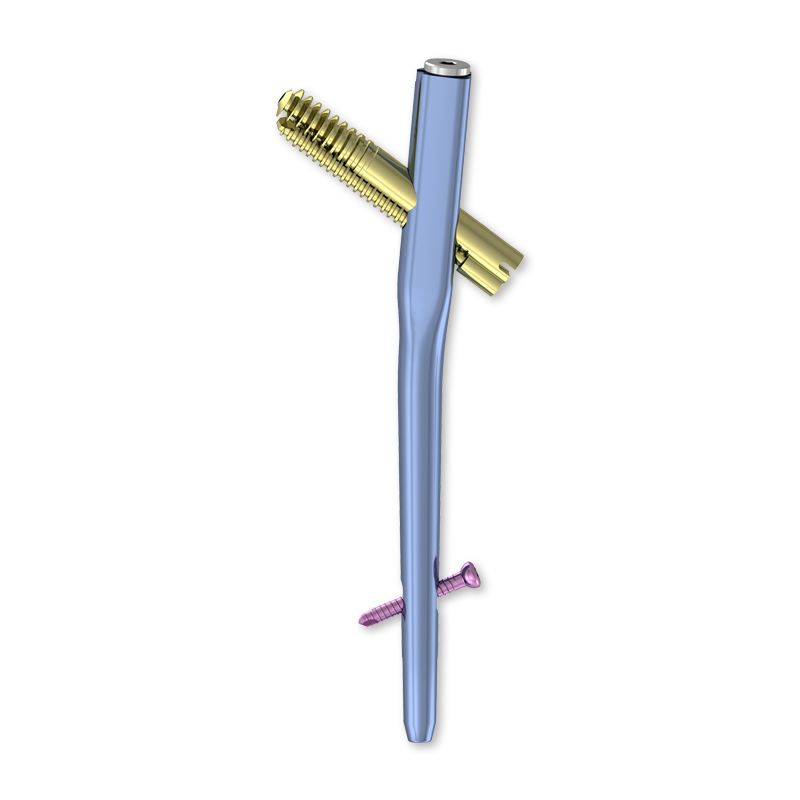
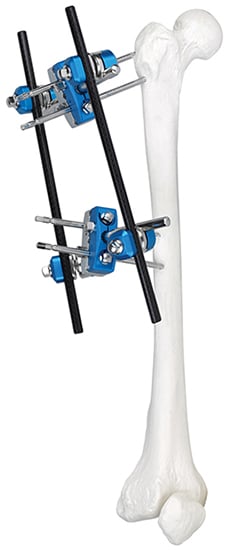
orthopedic implants for spinal surgery
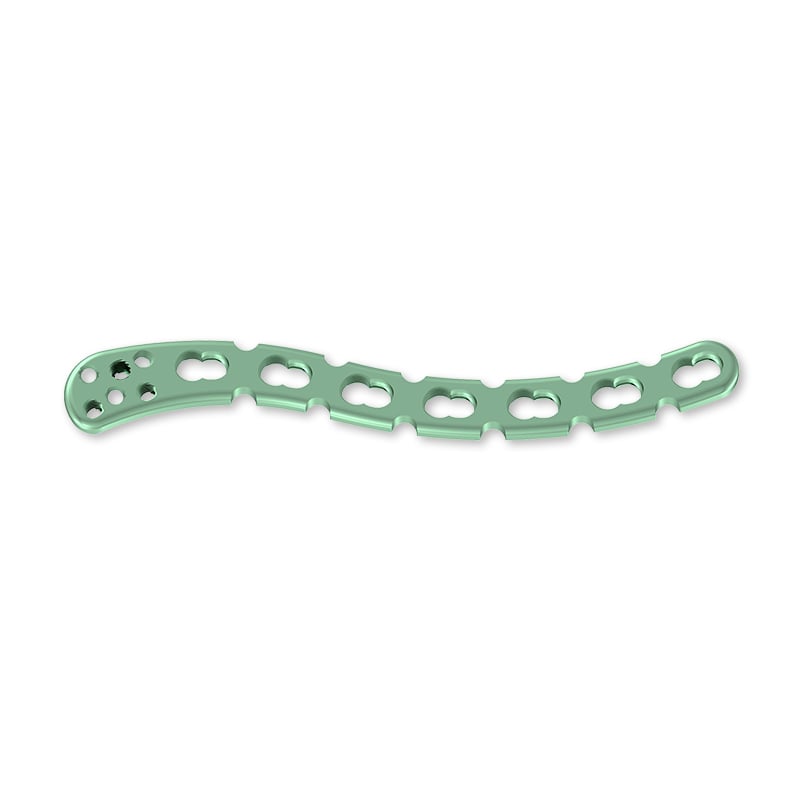
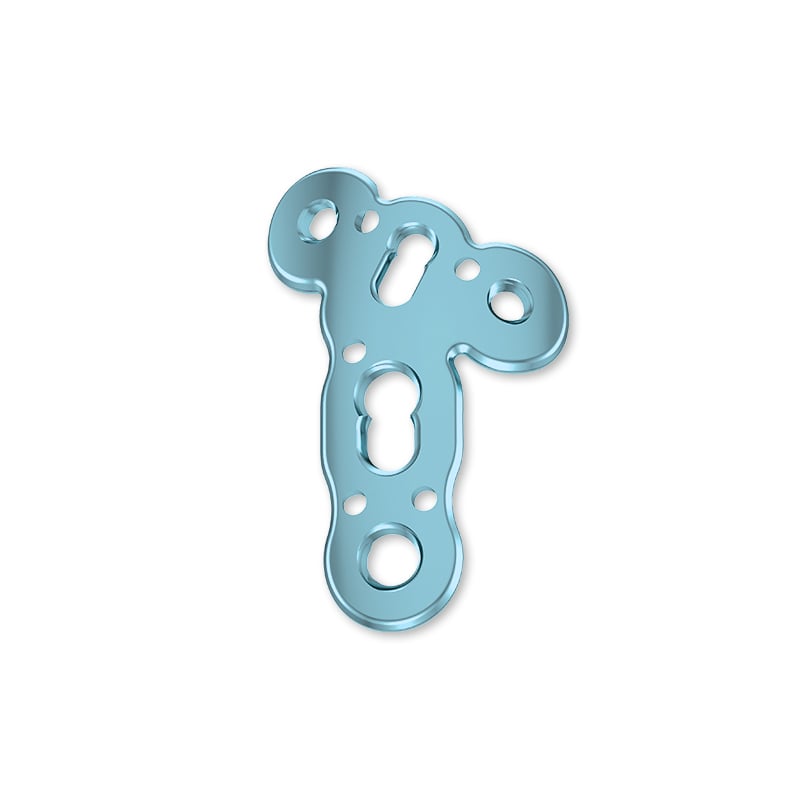
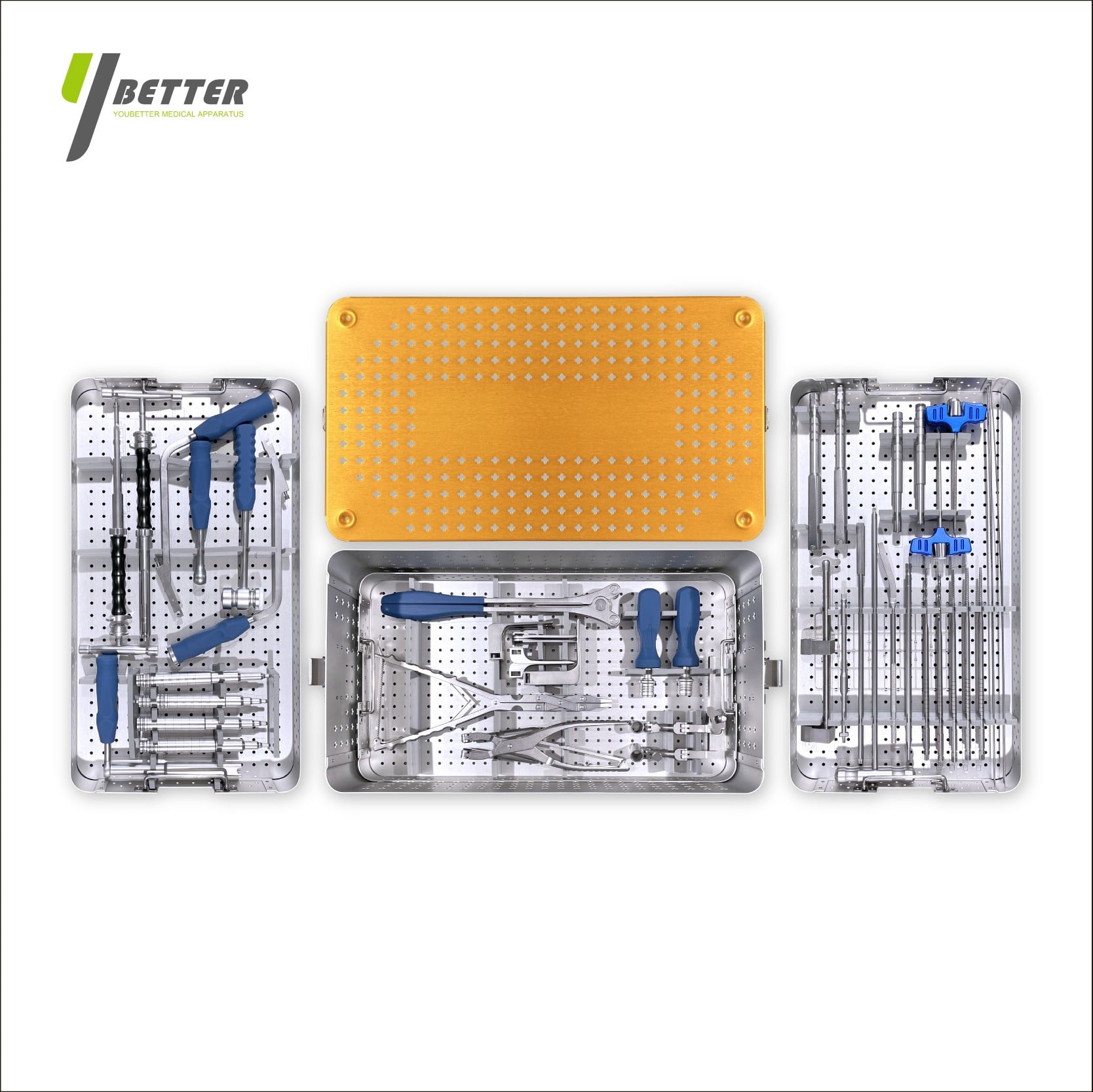
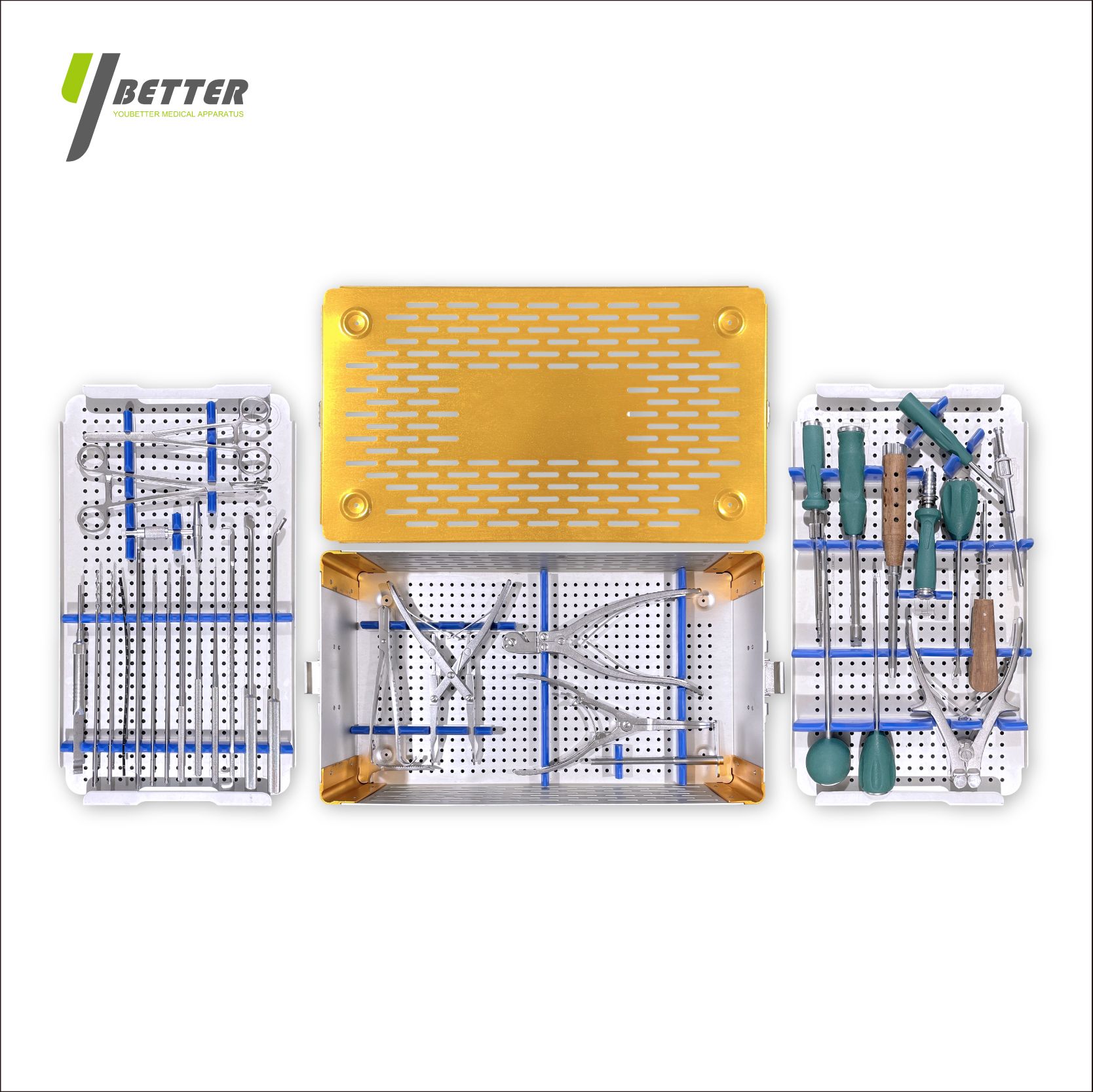
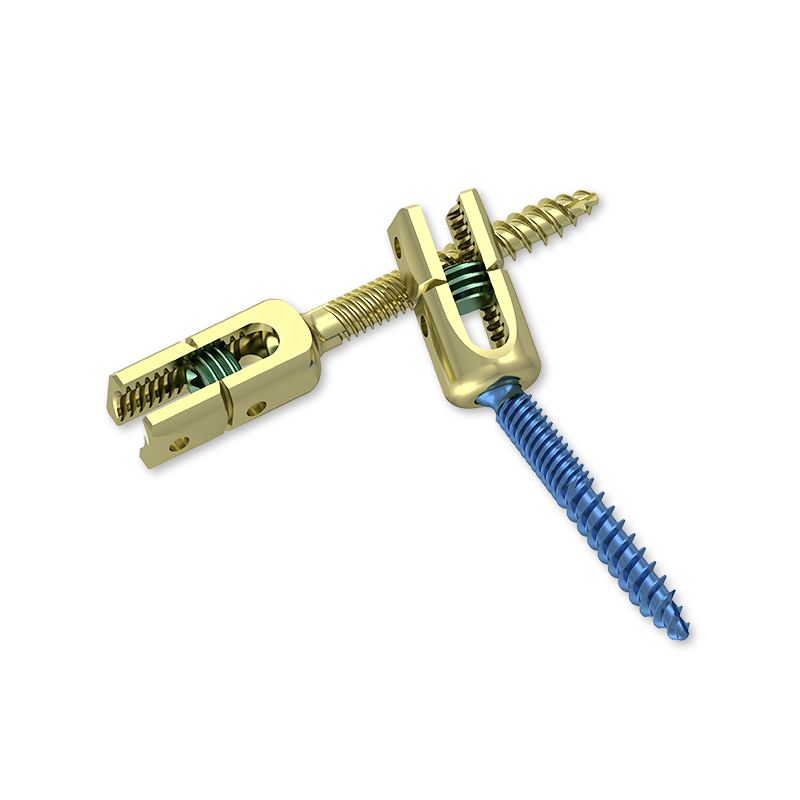
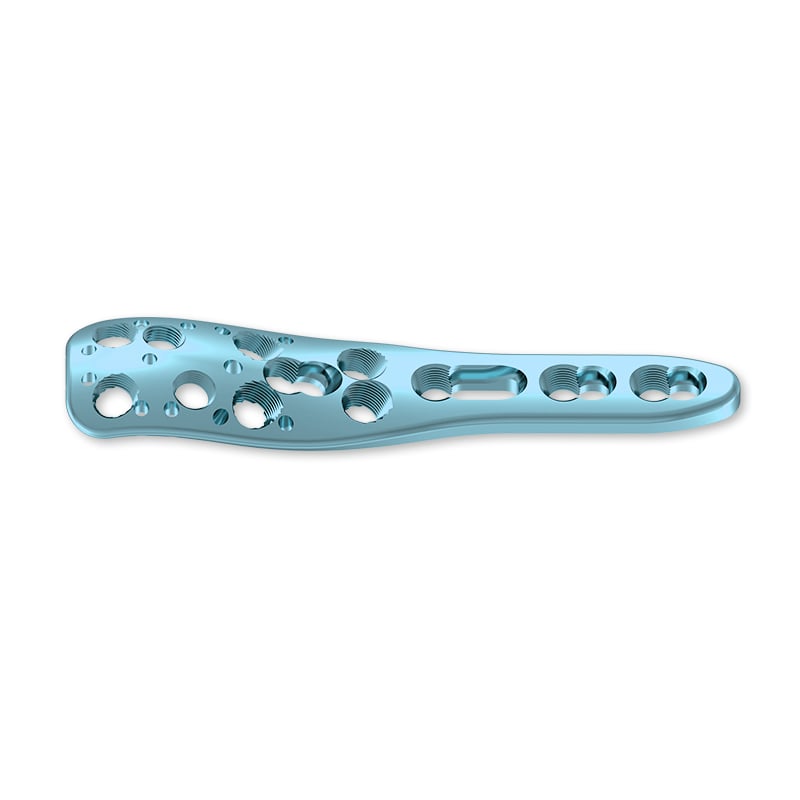
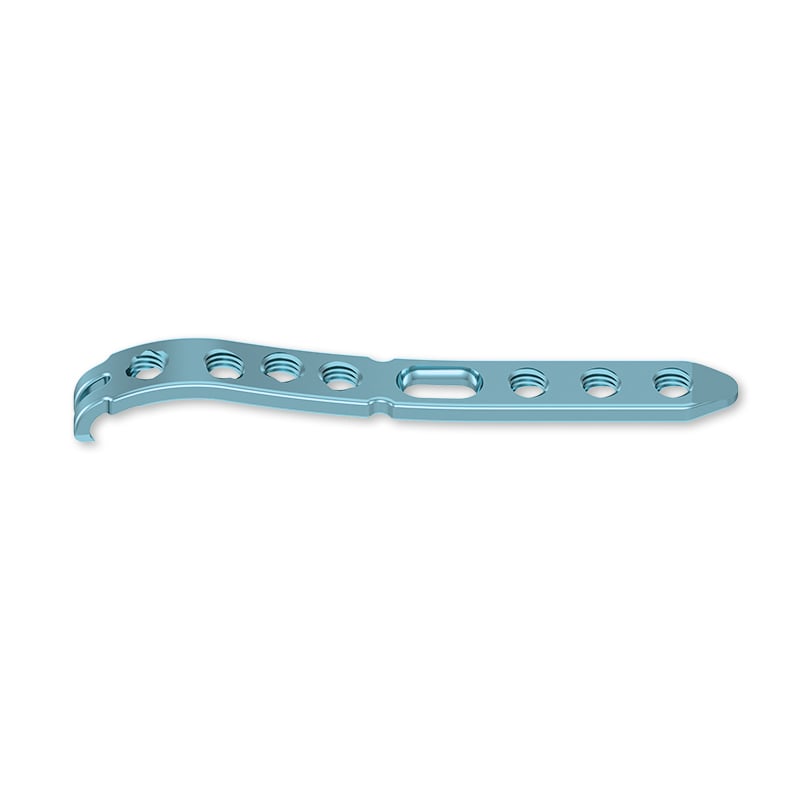
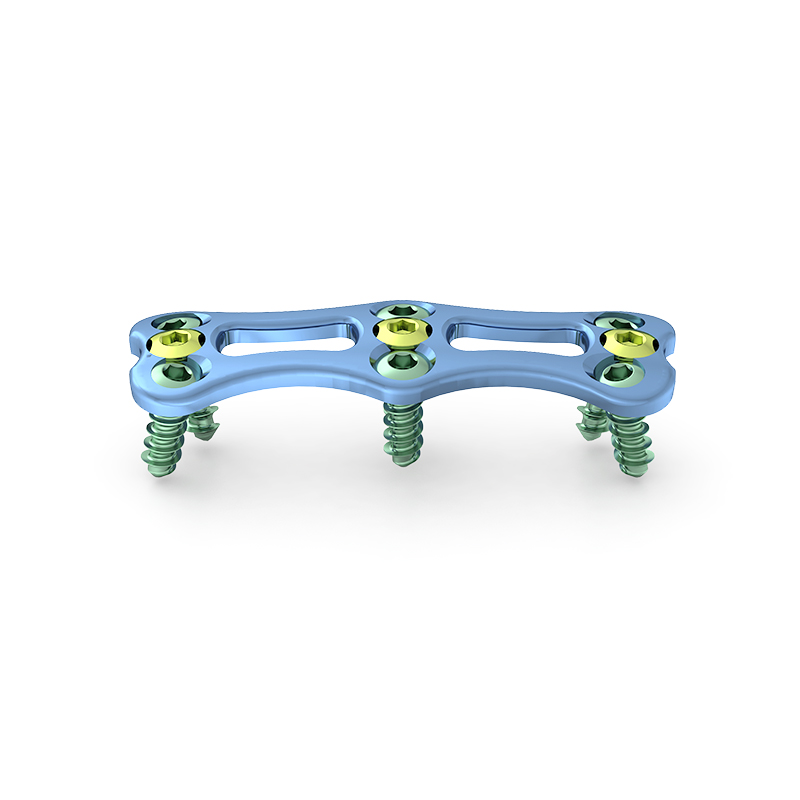
Orthopedic implants for spinal surgery represent advanced medical devices designed to stabilize, support, and restore the structural integrity of the spine following injury, degeneration, or disease. These sophisticated implants include pedicle screw systems, interbody fusion cages, spinal rods, plates, and artificial disc replacements that work together to address various spinal conditions. The main functions of orthopedic implants for spinal surgery involve providing immediate mechanical stability to damaged vertebral segments, facilitating bone fusion processes, correcting spinal deformities, and alleviating pressure on neural structures. Technological features of modern orthopedic implants for spinal surgery incorporate biocompatible materials such as titanium alloys, polyetheretherketone, and cobalt-chromium that promote osseointegration while minimizing rejection risks. Advanced surface treatments and porous architectures encourage natural bone ingrowth, enhancing long-term fixation strength. These implants utilize anatomically contoured designs that conform to individual patient anatomy, ensuring optimal fit and reducing surgical complications. Applications span multiple surgical approaches including posterior lumbar interbody fusion, anterior cervical discectomy and fusion, transforaminal lumbar interbody fusion, and minimally invasive procedures. Orthopedic implants for spinal surgery treat conditions ranging from degenerative disc disease and spinal stenosis to scoliosis, spondylolisthesis, and traumatic fractures. The precision-engineered instrumentation systems enable surgeons to accurately position implants, achieving reliable spinal alignment and decompression outcomes that significantly improve patient mobility and quality of life.

 EN
EN