Pedicle Screw Implant: Advanced Spinal Fixation

All Categories

Get a Free Quote

Our representative will contact you soon.
Email
Name
Company Name
Message
0/1000

pedicle screw implant

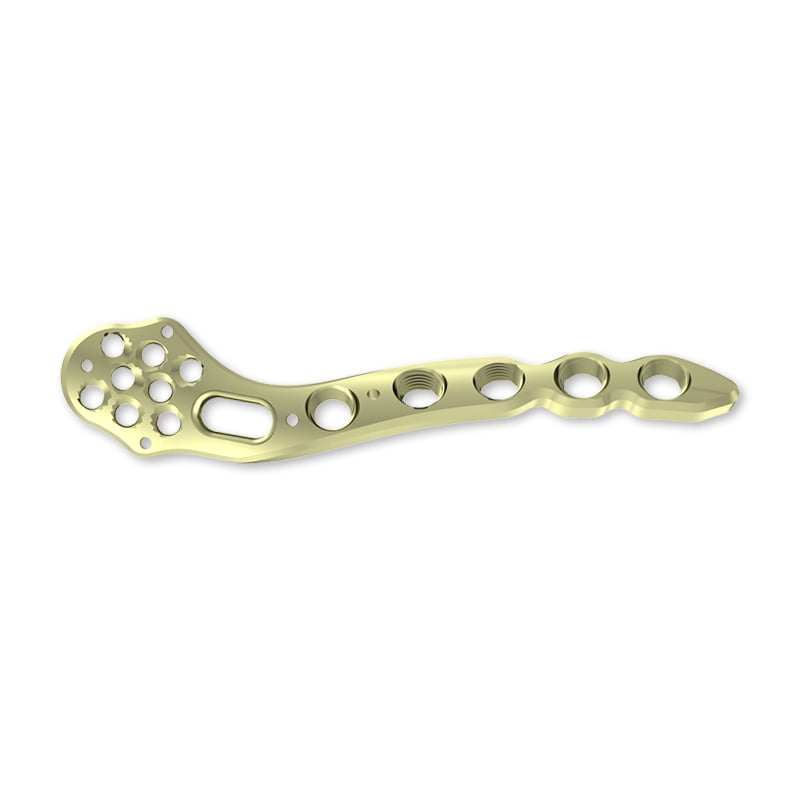
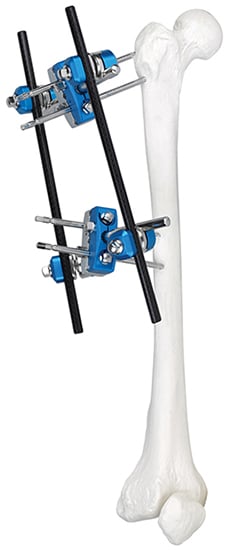
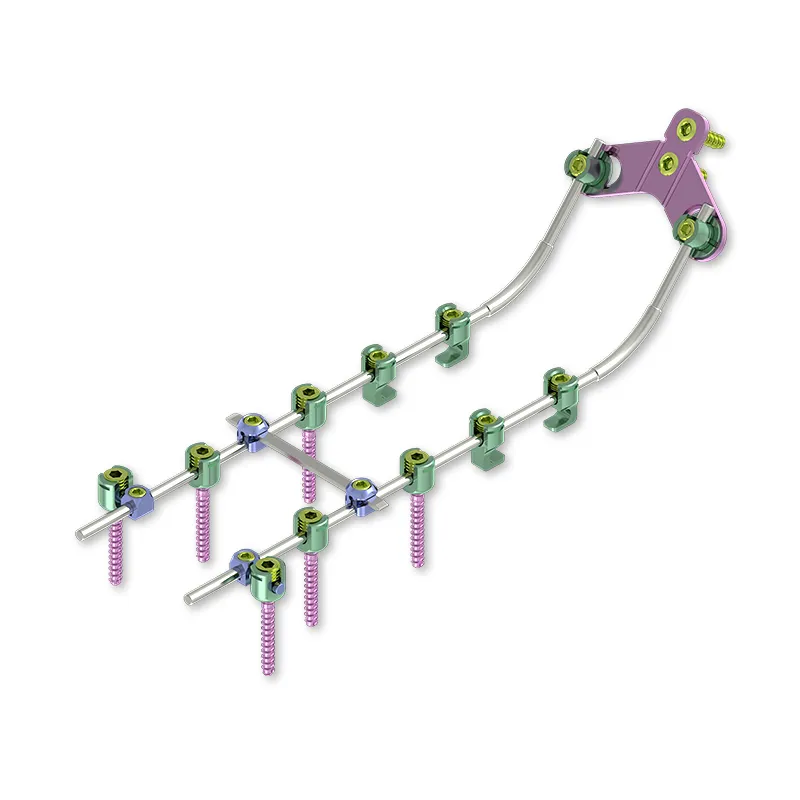
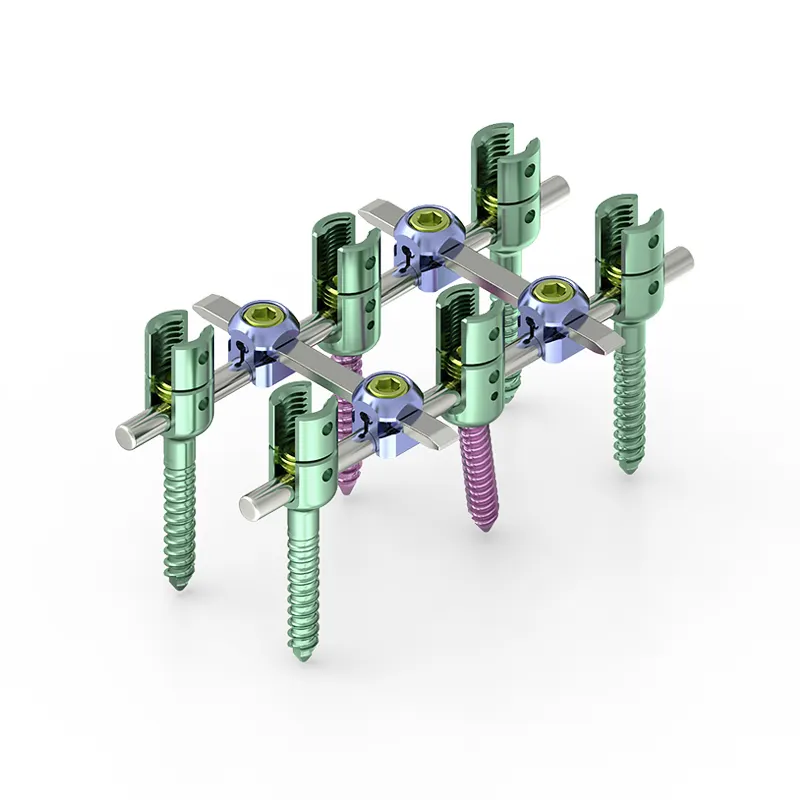
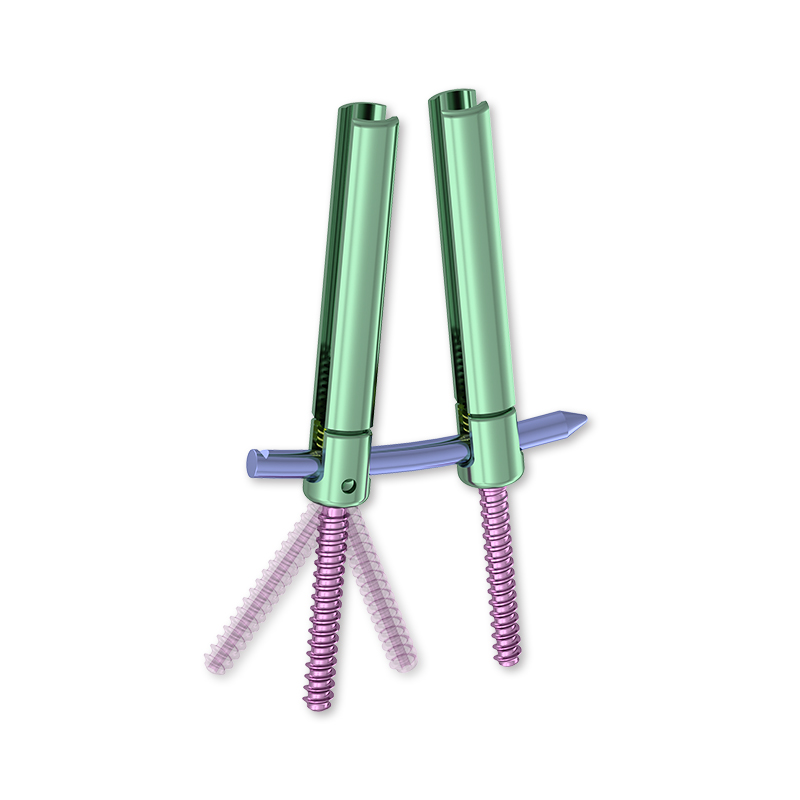
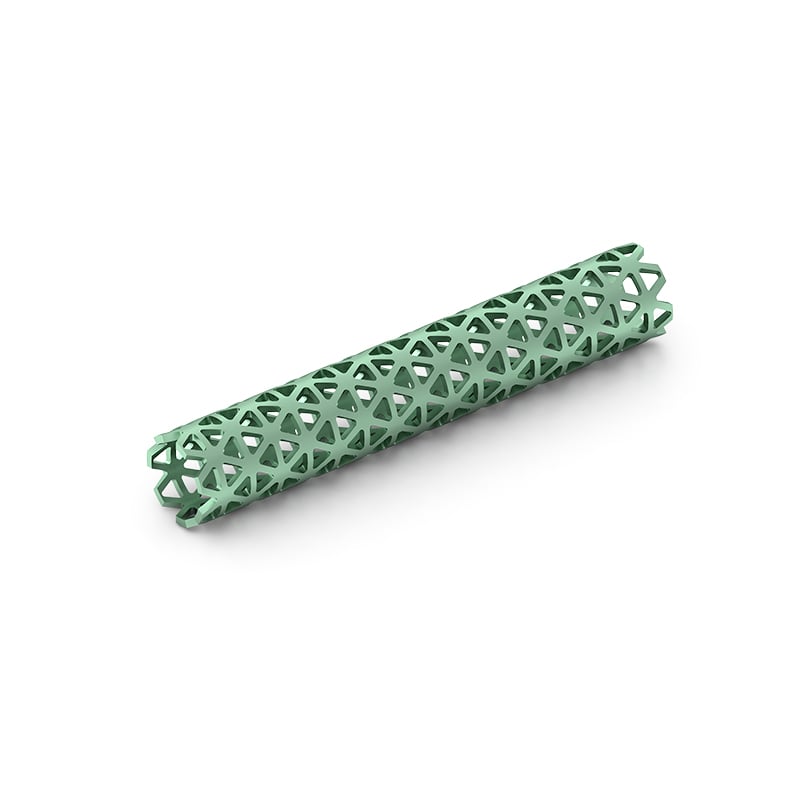
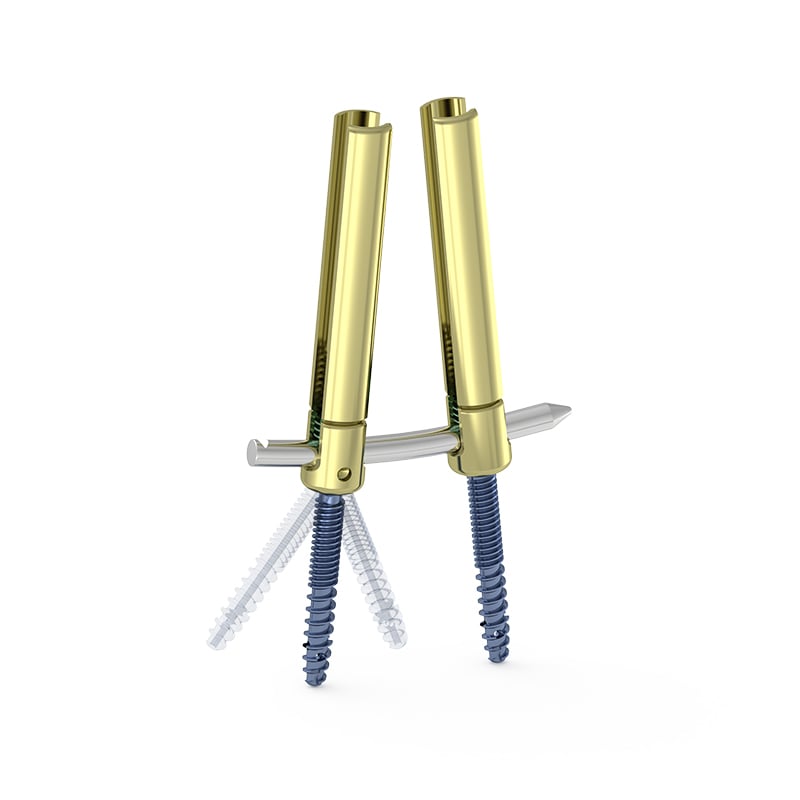
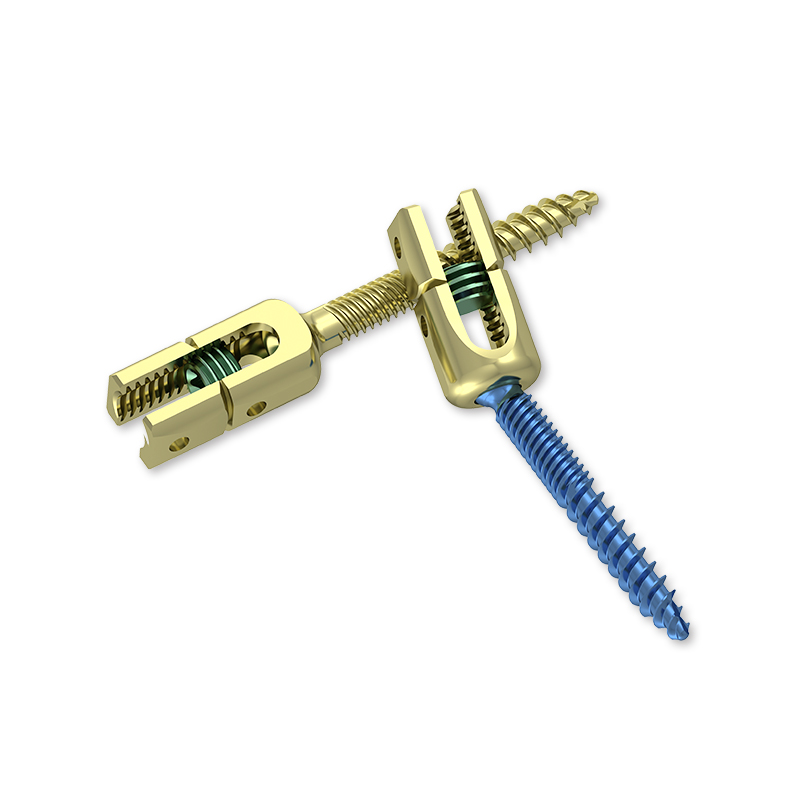
A pedicle screw implant is a specialized surgical device designed to stabilize and support the spinal column during spinal fusion and corrective procedures. This medical implant consists of a threaded screw that is carefully inserted through the pedicle, the bony projection connecting the vertebral body to the posterior elements of the spine. The pedicle screw implant serves as a secure anchor point, allowing surgeons to attach rods and connectors that hold vertebrae in the desired position while bone healing occurs. This technology has revolutionized spinal surgery by providing three-column fixation, meaning it stabilizes the anterior, middle, and posterior portions of the spine simultaneously. The main functions include correcting spinal deformities such as scoliosis and kyphosis, treating spinal fractures, addressing degenerative disc disease, and providing stability after tumor removal. Technological features of modern pedicle screw implant systems include anatomically designed thread patterns for enhanced pullout strength, various head designs to accommodate different rod connections, and materials such as titanium alloy or stainless steel that offer biocompatibility and strength. Advanced pedicle screw implant designs incorporate features like self-tapping tips for easier insertion, color-coded identification systems for surgical efficiency, and polyaxial heads that allow multi-directional rod placement. Applications span across multiple spinal pathologies, from traumatic injuries requiring immediate stabilization to planned fusion surgeries for chronic conditions, making the pedicle screw implant an essential component in contemporary spine surgery.

New Products

The pedicle screw implant offers significant practical benefits that directly impact surgical outcomes and patient recovery. First, this fixation system provides exceptional stability compared to older techniques, allowing patients to begin mobilization sooner after surgery, which reduces complications associated with prolonged bed rest such as blood clots and muscle weakness. The robust anchorage achieved by the pedicle screw implant means fewer revision surgeries, translating to cost savings and reduced risk for patients. Surgeons benefit from operational advantages including versatility in addressing various spinal conditions through a single system, reducing inventory complexity and surgical planning time. The pedicle screw implant accommodates different patient anatomies and pathologies, from adolescent scoliosis correction to adult degenerative conditions, making it suitable for diverse clinical applications. Decision-makers in healthcare facilities appreciate that investing in quality pedicle screw implant systems leads to improved fusion rates, with clinical studies showing success rates exceeding 90 percent in appropriate candidates. The system's modular design allows surgeons to customize constructs during surgery based on real-time assessment, providing flexibility that enhances surgical precision. Patients experience better pain relief and functional restoration because the pedicle screw implant maintains proper spinal alignment during the critical healing period. The minimally invasive techniques now available with modern pedicle screw implant systems result in smaller incisions, less tissue damage, reduced blood loss, and shorter hospital stays. These benefits combine to create compelling value for hospitals seeking to improve patient satisfaction scores while managing costs. The proven track record of the pedicle screw implant across millions of procedures worldwide provides confidence for both medical professionals and patients, making it the gold standard in spinal fixation technology.

Tips And Tricks

How Do Orthopedic Implants Contribute to Minimally Invasive Surgery?

02

Jun

How Do Orthopedic Implants Contribute to Minimally Invasive Surgery?

The evolution of surgical medicine has brought forward one of the most significant shifts in patient care: the widespread adoption of minimally invasive surgery. At the heart of this transformation lies the role of orthopedic implants, which have bee...
View More
How Does Spinal Screw Design Enhance Mechanical Strength and Fixation?

06

Jul

How Does Spinal Screw Design Enhance Mechanical Strength and Fixation?

In modern spinal surgery, the pedicle screw is one of the most critical implants used to stabilize the vertebral column. Whether the procedure involves deformity correction, fracture management, or spinal fusion, the pedicle screw serves as the prima...
View More
How Can Distributors Assess Pedicle Screw Supplier Reliability?

06

Jul

How Can Distributors Assess Pedicle Screw Supplier Reliability?

Choosing the right pedicle screw supplier is one of the most consequential decisions a medical device distributor can make. A pedicle screw supplier directly affects patient safety, regulatory standing, and the commercial reputation of every distribu...
View More
How Does Spinal Screw Fixation Improve Stability in Spinal Fusion Surgery?

06

Jul

How Does Spinal Screw Fixation Improve Stability in Spinal Fusion Surgery?

Spinal fusion surgery is one of the most common and technically demanding procedures in orthopedic and neurosurgical practice. At the heart of this procedure lies a critical mechanical principle: the spine must be held in precise alignment while bone...
View More

Get a Free Quote

Our representative will contact you soon.
Email
Name
Company Name
Message
0/1000

pedicle screw implant

Superior Biomechanical Stability

Superior Biomechanical Stability

The pedicle screw implant delivers unmatched biomechanical stability by engaging the strongest portion of the vertebra, the pedicle, which provides the most secure purchase point in the spinal anatomy. This strategic placement allows the pedicle screw implant to withstand the complex forces acting on the spine during daily activities, including axial loading, flexion, extension, and rotational movements. Unlike previous hook or wire systems that only engaged posterior elements, the pedicle screw implant achieves three-column fixation, controlling the entire vertebral segment. This comprehensive stabilization creates an optimal environment for bone fusion by minimizing motion at the surgical site, which is critical because excessive movement can prevent bone healing and lead to pseudarthrosis. The enhanced pullout strength of modern pedicle screw implant designs, achieved through optimized thread geometry and material selection, ensures long-term fixation integrity even in patients with compromised bone quality such as those with osteoporosis. Clinical evidence consistently demonstrates that constructs using the pedicle screw implant maintain correction better over time compared to alternative fixation methods, providing lasting benefits that improve patient quality of life.
Versatile Application Across Spinal Pathologies

Versatile Application Across Spinal Pathologies

The pedicle screw implant demonstrates remarkable versatility, effectively addressing a comprehensive spectrum of spinal conditions from the cervicothoracic junction through the lumbosacral spine. Surgeons utilize the pedicle screw implant to treat traumatic injuries where immediate rigid stabilization prevents neurological deterioration and facilitates early rehabilitation. In degenerative conditions such as spondylolisthesis or severe stenosis, the pedicle screw implant enables fusion procedures that relieve pain by eliminating pathological motion. Pediatric and adolescent patients with scoliosis benefit from the corrective capabilities of the pedicle screw implant, which allows surgeons to achieve three-dimensional deformity correction with greater precision than older instrumentation systems. Tumor resection procedures rely on the pedicle screw implant to reconstruct spinal stability after removing vertebral segments compromised by malignancy. The system accommodates various surgical approaches including open, minimally invasive, and robotic-assisted techniques, giving surgeons flexibility to choose the optimal approach for each patient's unique circumstances. This adaptability means healthcare facilities can standardize on pedicle screw implant platforms while still addressing diverse patient needs, simplifying training, inventory management, and procurement processes while maintaining clinical excellence across multiple procedure types.
Advanced Design Features for Surgical Efficiency

Advanced Design Features for Surgical Efficiency

Modern pedicle screw implant systems incorporate sophisticated design features that streamline surgical workflows and enhance procedural safety. The self-drilling and self-tapping capabilities of contemporary pedicle screw implant designs reduce the number of surgical steps required, shortening operative time and decreasing anesthesia exposure for patients. Polyaxial head designs allow surgeons to adjust rod placement angles after the pedicle screw implant is inserted, accommodating anatomical variations without requiring screw repositioning, which would compromise fixation strength and increase surgical time. Color-coded sizing systems and intuitive instrumentation reduce the cognitive load on surgical teams, minimizing errors during complex procedures. Cannulated pedicle screw implant options enable guidewire-based insertion techniques that improve accuracy, particularly important in minimally invasive approaches where direct visualization is limited. Radiolucent markers and optimized imaging profiles ensure the pedicle screw implant remains visible under fluoroscopy without creating excessive scatter or artifacts, allowing surgeons to verify proper placement throughout the procedure. Low-profile head designs reduce soft tissue irritation and the need for subsequent hardware removal. These thoughtful engineering refinements transform the pedicle screw implant from a simple fixation device into a sophisticated surgical system that supports excellence in spinal care.

Get a Free Quote

Our representative will contact you soon.
Email
Name
Company Name
Message
0/1000
Newsletter
Please Leave A Message With Us