Orthopedic Pedicle Screw Solutions

All Categories

Get a Free Quote

Our representative will contact you soon.
Email
Name
Company Name
Message
0/1000

orthopedic pedicle screw

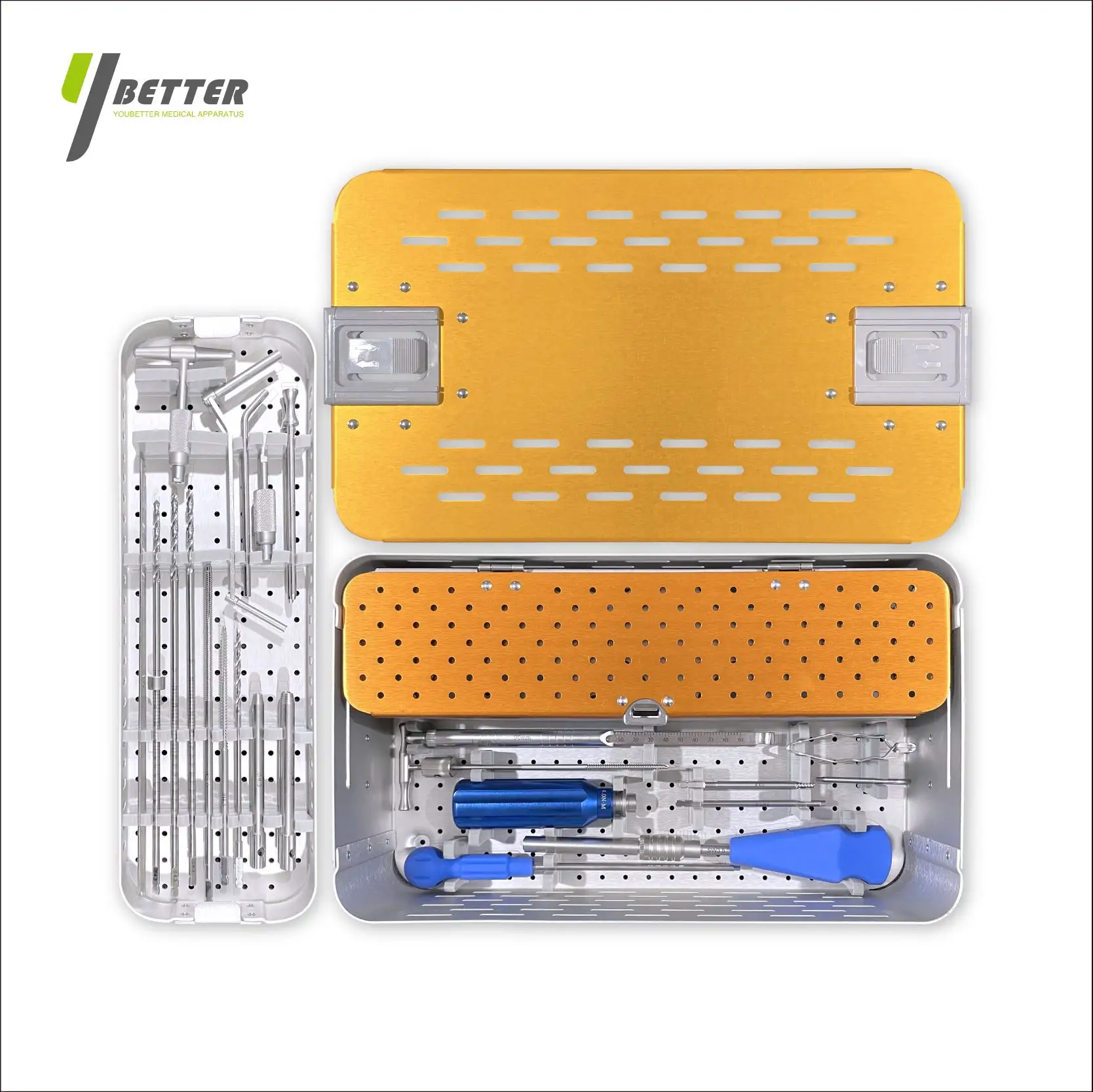
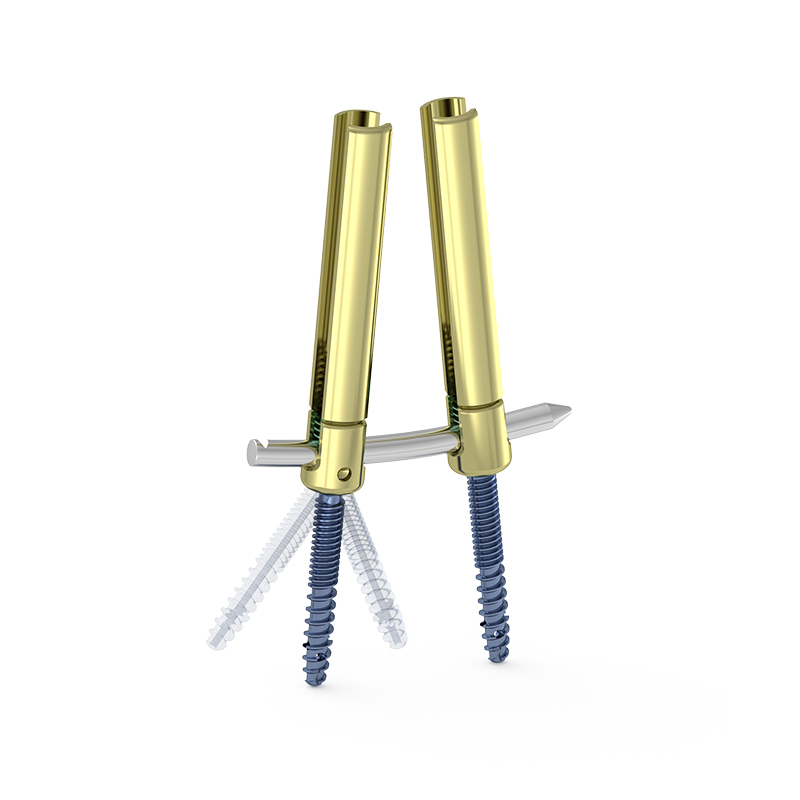
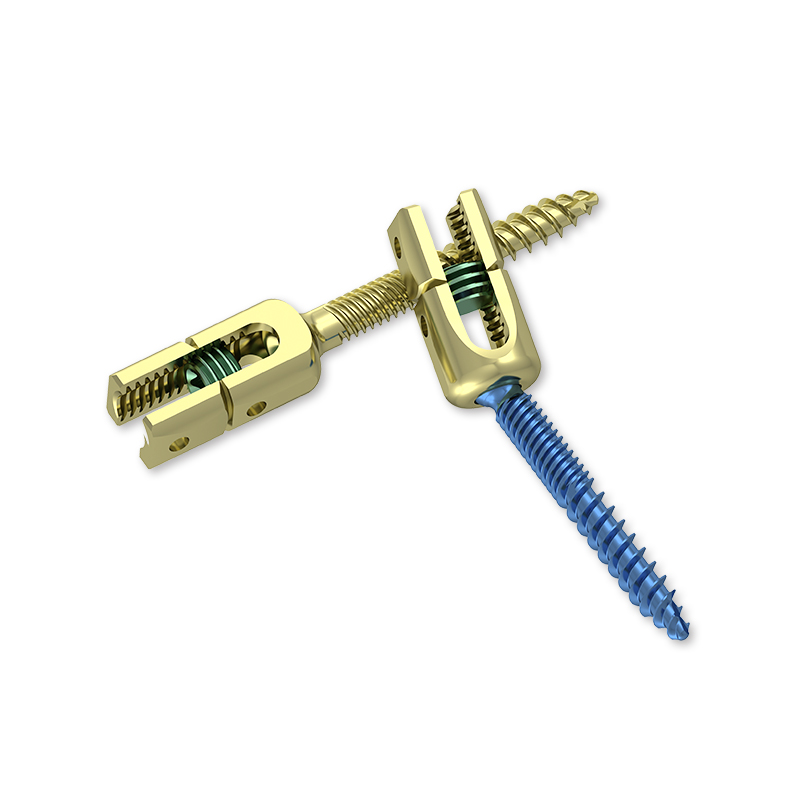
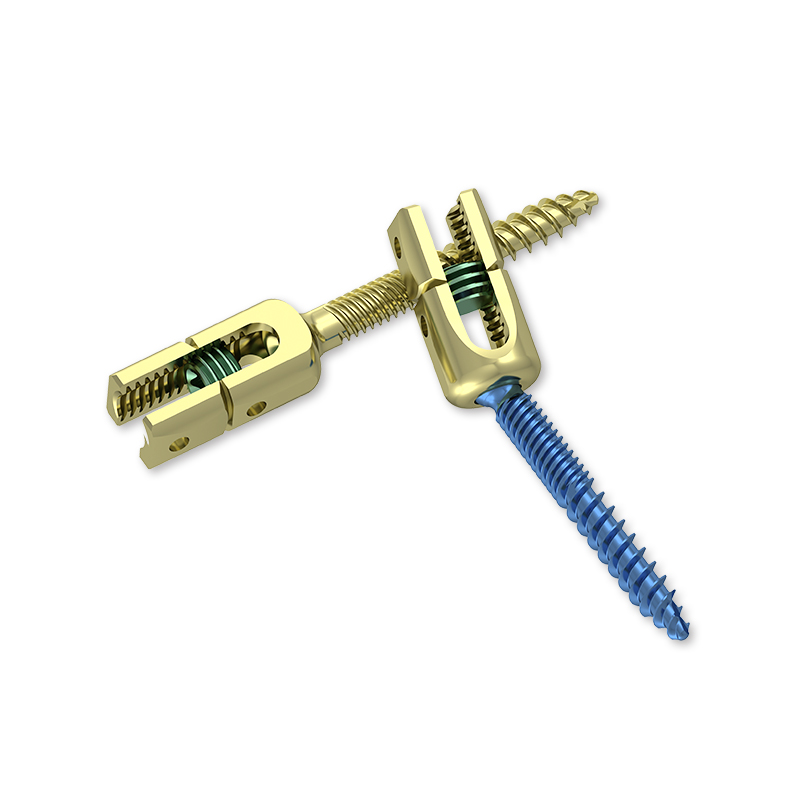
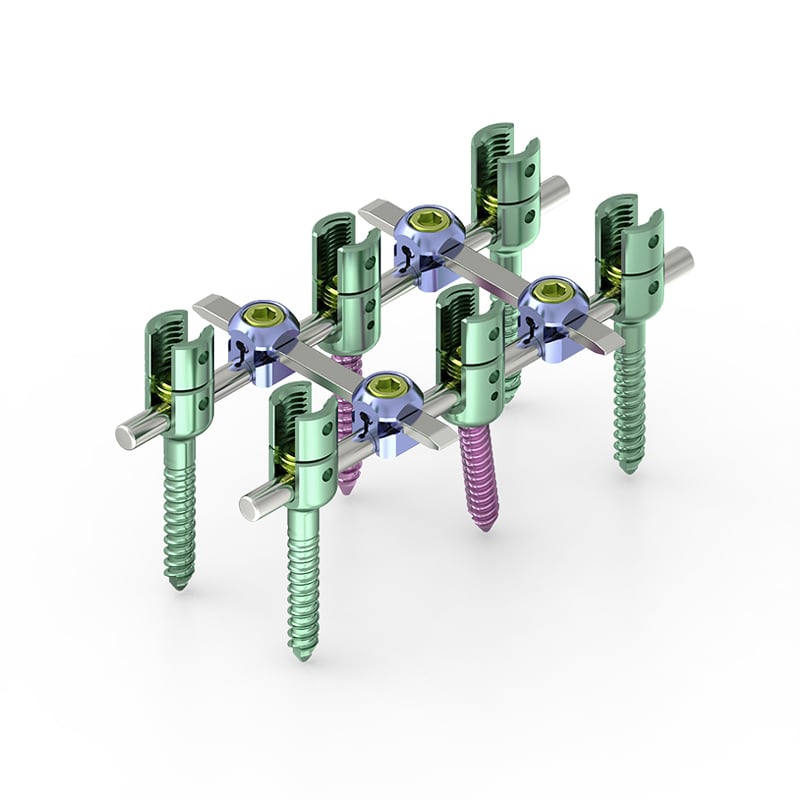
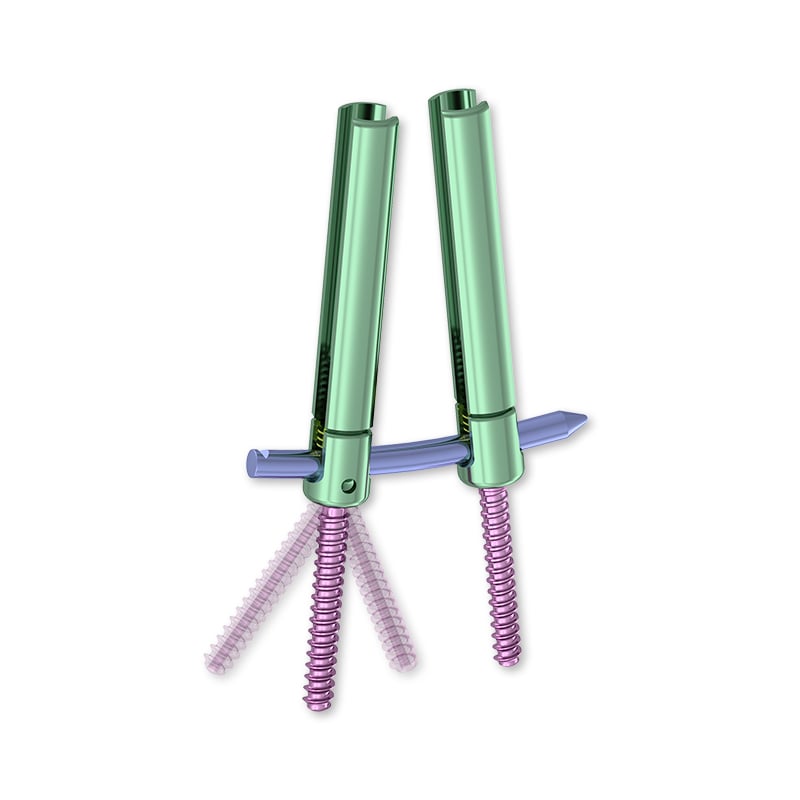
An orthopedic pedicle screw is a specialized surgical implant designed to stabilize and support the spinal column during corrective procedures. This medical device plays a crucial role in spinal fusion surgeries, trauma reconstruction, and deformity correction by anchoring into the pedicle portion of the vertebra. The orthopedic pedicle screw consists of a threaded shaft that integrates with bone tissue, providing robust fixation points for connecting rods and stabilization systems. These screws are manufactured from biocompatible materials such as titanium alloy or stainless steel, ensuring long-term durability and compatibility within the human body. The primary function of an orthopedic pedicle screw is to maintain proper spinal alignment while bone fusion occurs naturally over time. Surgeons rely on these precision-engineered devices to treat conditions including degenerative disc disease, scoliosis, spinal fractures, and vertebral instability. The technological design incorporates self-tapping threads that reduce insertion torque and minimize bone damage during placement. Modern orthopedic pedicle screw systems feature polyaxial heads that allow multi-directional positioning, enabling surgeons to achieve optimal rod placement and anatomical correction. The screw diameter and length are carefully selected based on patient-specific anatomy and surgical requirements. Clinical applications extend across various spinal regions, from cervical to lumbar vertebrae, with specialized designs addressing unique biomechanical demands of each spinal segment. The orthopedic pedicle screw represents a cornerstone technology in contemporary spine surgery, offering predictable outcomes and restoring patient mobility through effective spinal stabilization.

New Product Releases

Choosing an orthopedic pedicle screw for spinal procedures delivers significant practical benefits that directly impact patient recovery and surgical success. These devices provide immediate mechanical stability to the spine, allowing patients to begin rehabilitation sooner compared to traditional treatment methods that may require extended bed rest. The strong fixation achieved with an orthopedic pedicle screw reduces the risk of hardware failure and implant migration, which translates to fewer revision surgeries and lower overall healthcare costs for patients and medical facilities. Surgeons appreciate the versatility these screws offer, as they can be used across multiple spinal conditions and patient demographics, from young adults with traumatic injuries to elderly individuals requiring degenerative disease treatment. The minimally invasive surgical techniques compatible with modern orthopedic pedicle screw systems result in smaller incisions, reduced blood loss, and faster healing times, enabling patients to return to daily activities more quickly. Hospital stays are typically shorter when using these advanced fixation systems, reducing financial burden and infection risk associated with prolonged hospitalization. The biocompatible materials used in manufacturing ensure excellent tissue integration without triggering adverse immune responses, providing long-term safety and performance. Patients benefit from improved spinal alignment that alleviates chronic pain and prevents neurological complications caused by spinal instability. The orthopedic pedicle screw design accommodates anatomical variations, making it suitable for diverse patient populations regardless of bone density or spinal anatomy. Medical professionals can confidently select these devices knowing they meet rigorous international safety standards and have extensive clinical evidence supporting their effectiveness. The operational efficiency gained through standardized instrumentation and proven surgical techniques reduces procedure time, minimizing anesthesia exposure and associated risks for patients while optimizing operating room utilization for healthcare facilities.

Tips And Tricks

How Do Pedicle Screw Systems Support Scoliosis Correction Surgery?

02

Jun

How Do Pedicle Screw Systems Support Scoliosis Correction Surgery?

Scoliosis correction surgery is one of the most technically demanding procedures in modern spinal orthopedics. The ability to realign a severely curved spine, restore sagittal balance, and maintain long-term structural integrity depends heavily on th...
View More
How to Choose the Right Pedicle Screw Size for Lumbar Fusion Procedures?

02

Jun

How to Choose the Right Pedicle Screw Size for Lumbar Fusion Procedures?

Selecting the correct pedicle screw size for lumbar fusion procedures is one of the most consequential decisions a spine surgeon makes during operative planning. The diameter, length, and thread design of each pedicle screw directly influence fixatio...
View More
How Does Spinal Screw Improve Outcomes in Scoliosis Correction Surgery?

06

Jul

How Does Spinal Screw Improve Outcomes in Scoliosis Correction Surgery?

Scoliosis correction surgery is one of the most technically demanding procedures in spinal care, requiring precise instrumentation to restore alignment and maintain long-term stability. At the center of modern surgical technique, the spinal screw has...
View More
How to Optimize Pedicle Screw Placement for Better Surgical Outcomes?

06

Jul

How to Optimize Pedicle Screw Placement for Better Surgical Outcomes?

Achieving precise pedicle screw placement is one of the most critical skills in modern spinal surgery. When pedicle screw placement is performed accurately, it creates a stable fixation point that supports spinal fusion, corrects deformity, and reduc...
View More

Get a Free Quote

Our representative will contact you soon.
Email
Name
Company Name
Message
0/1000

orthopedic pedicle screw

Superior Biomechanical Stability

Superior Biomechanical Stability

The orthopedic pedicle screw delivers exceptional biomechanical stability through its strategic placement within the strongest portion of the vertebra. This unique positioning takes advantage of the pedicle's dense cortical bone structure, creating an anchor point capable of withstanding the complex forces acting on the spine during movement and load-bearing activities. The threaded design maximizes contact surface area between the implant and surrounding bone tissue, distributing mechanical stress evenly and preventing concentrated pressure points that could lead to bone resorption or hardware loosening. This superior fixation strength allows for immediate weight-bearing in many cases, accelerating patient rehabilitation and reducing complications associated with immobility. The robust connection established by the orthopedic pedicle screw maintains spinal alignment throughout the fusion process, creating optimal conditions for bone growth and permanent stability. Surgeons can confidently address severe deformities and unstable fractures knowing the fixation will hold under physiological loads. This biomechanical advantage translates directly to improved patient outcomes, with higher fusion rates and lower incidence of pseudarthrosis compared to alternative fixation methods.
Precision Engineering for Surgical Accuracy

Precision Engineering for Surgical Accuracy

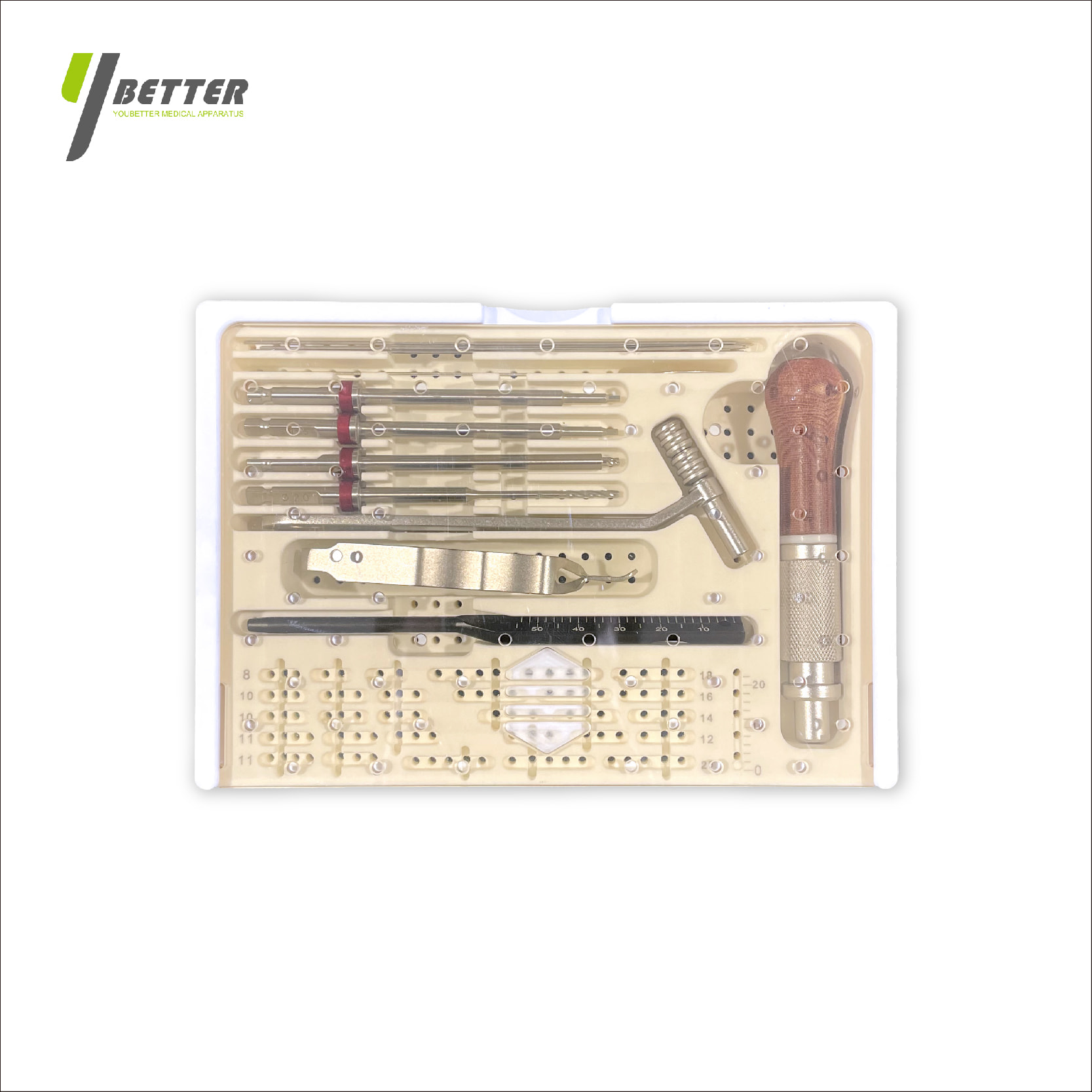
Modern orthopedic pedicle screw systems incorporate precision engineering features that enhance surgical accuracy and reduce procedural complications. The self-tapping thread design eliminates the need for pre-tapping in many applications, simplifying the insertion process and reducing operative time. Laser-etched depth markings on the screw shaft provide real-time visual feedback during placement, helping surgeons achieve optimal insertion depth without fluoroscopic guidance in every step. The tapered tip design facilitates easy entry into the pedicle corridor while minimizing the risk of cortical breach or neural structure injury. Polyaxial head mechanisms offer up to forty degrees of angular adjustment, accommodating anatomical variations and enabling precise rod positioning without compromising screw purchase strength. Color-coded instrumentation and standardized sizing systems reduce selection errors and streamline the surgical workflow. These engineering refinements make the orthopedic pedicle screw accessible to surgeons across varying experience levels while maintaining consistent performance. The result is predictable placement, reduced radiation exposure from imaging verification, and enhanced patient safety throughout the surgical procedure, ultimately contributing to better clinical outcomes and surgeon confidence.
Versatile Clinical Applications

Versatile Clinical Applications

The orthopedic pedicle screw demonstrates remarkable versatility across a broad spectrum of spinal pathologies and patient populations, making it an indispensable tool in modern spine surgery. These devices effectively address degenerative conditions such as spondylolisthesis and stenosis, traumatic injuries including burst fractures and dislocations, congenital deformities like scoliosis and kyphosis, and oncological cases requiring tumor resection and reconstruction. The same fundamental technology adapts to different spinal regions through size variations and design modifications, allowing treatment from the upper cervical spine through the lumbosacral junction with consistent fixation principles. Pediatric patients benefit from smaller diameter options that accommodate developing anatomy, while geriatric patients with osteoporotic bone can utilize augmented screws with enhanced purchase characteristics. The orthopedic pedicle screw integrates seamlessly with various surgical approaches, including open posterior techniques, minimally invasive procedures, and hybrid strategies combining multiple access routes. This adaptability reduces inventory complexity for hospitals while ensuring surgeons have appropriate solutions for diverse clinical scenarios. Whether addressing single-level degenerative disease or complex multi-level reconstructions, the orthopedic pedicle screw provides reliable fixation that supports successful surgical outcomes across the full range of spinal conditions encountered in clinical practice.

Get a Free Quote

Our representative will contact you soon.
Email
Name
Company Name
Message
0/1000
Newsletter
Please Leave A Message With Us