Orthopedic Surgical Implants Solutions

All Categories

Get a Free Quote

Our representative will contact you soon.
Email
Name
Company Name
Message
0/1000

orthopedic surgical implants

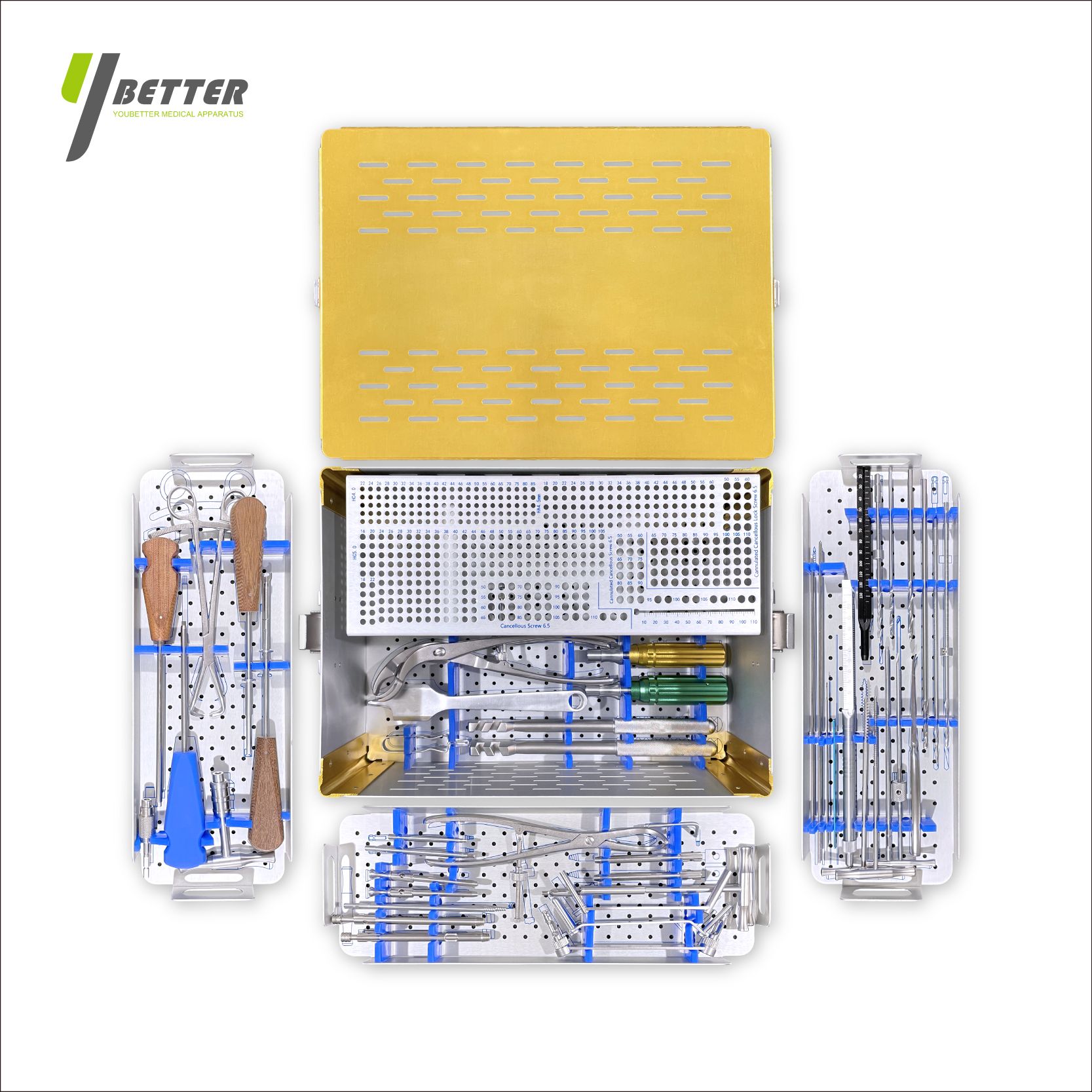
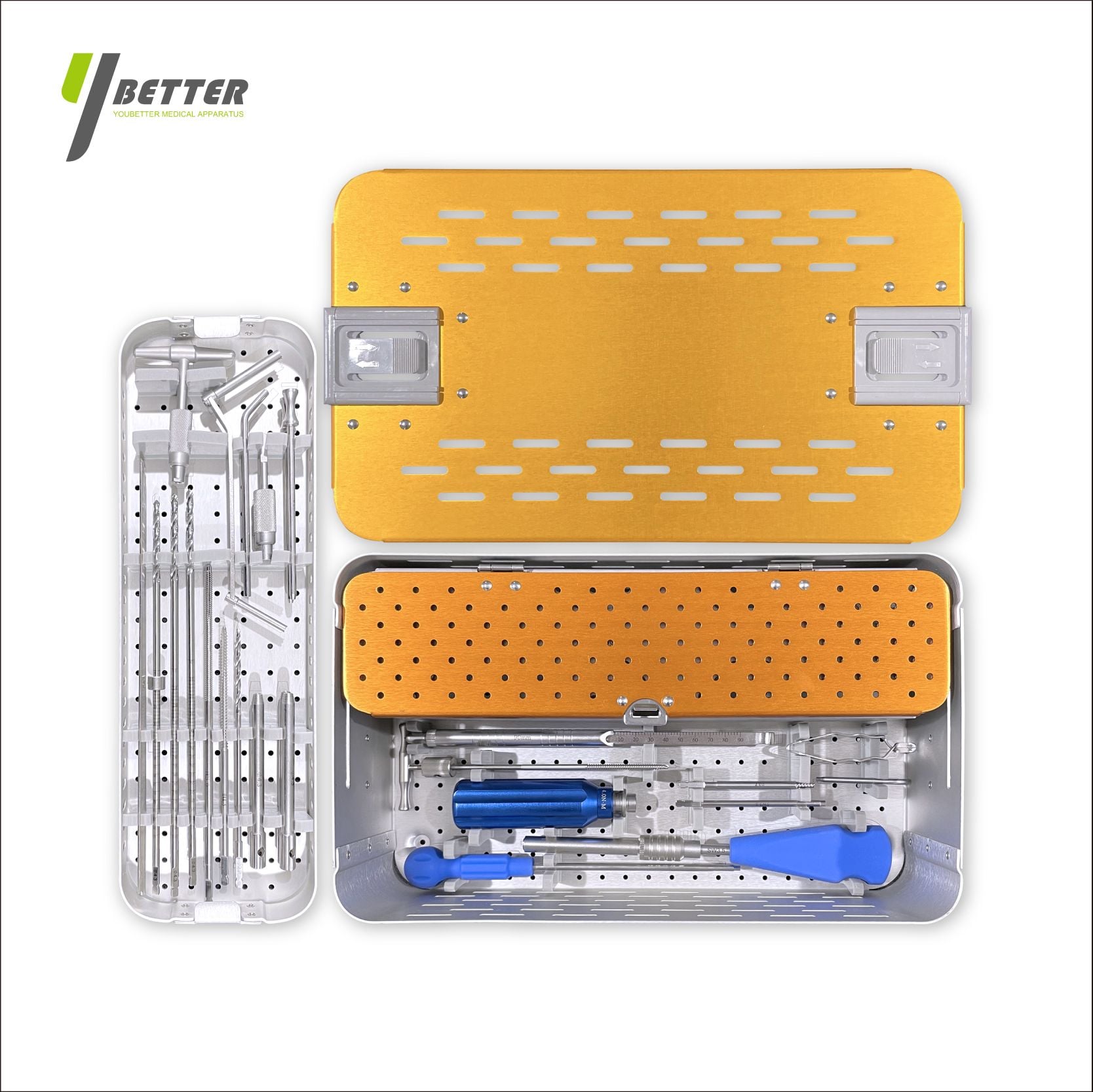
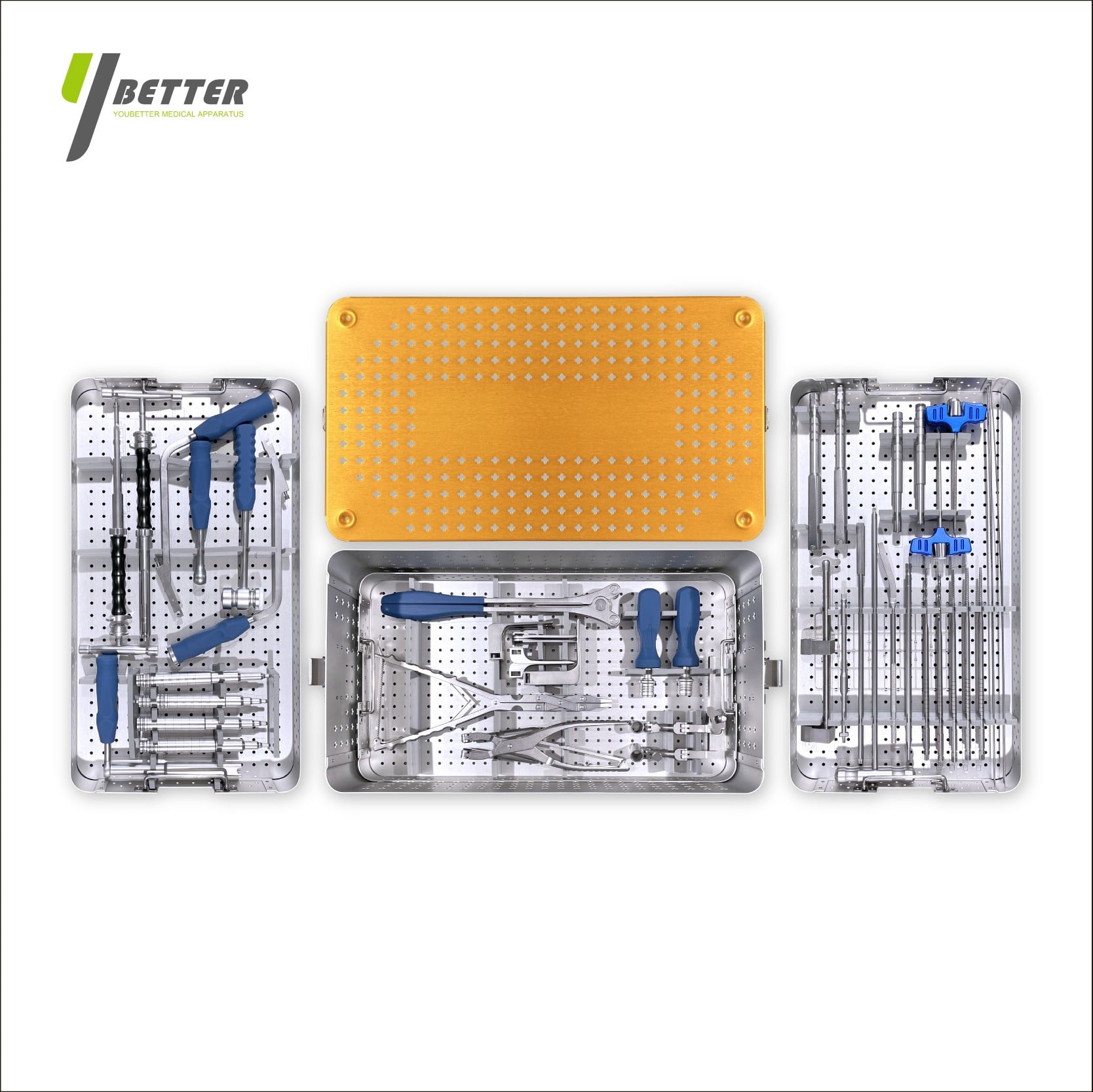
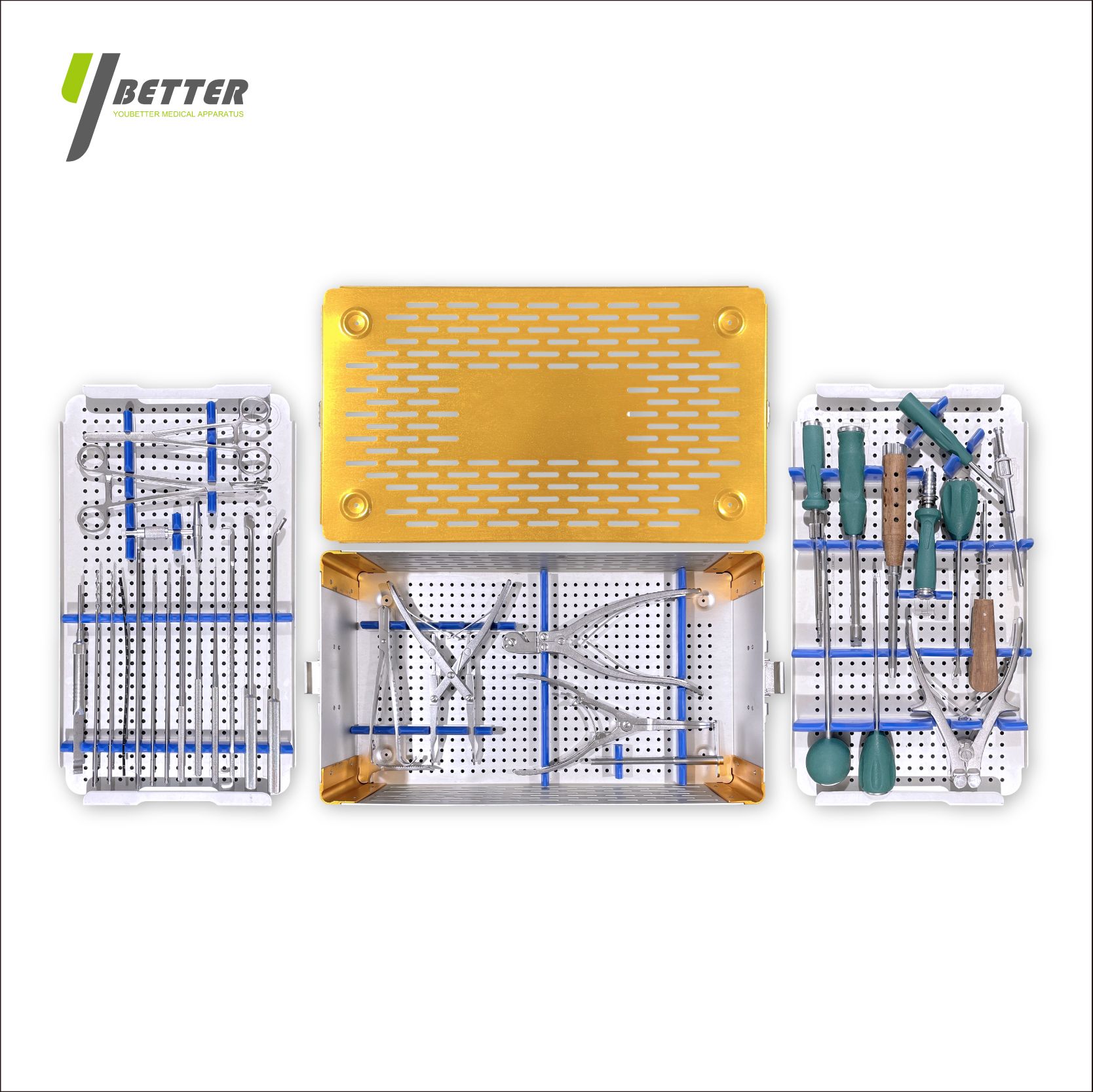
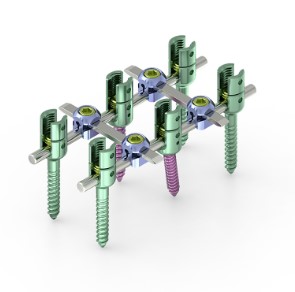
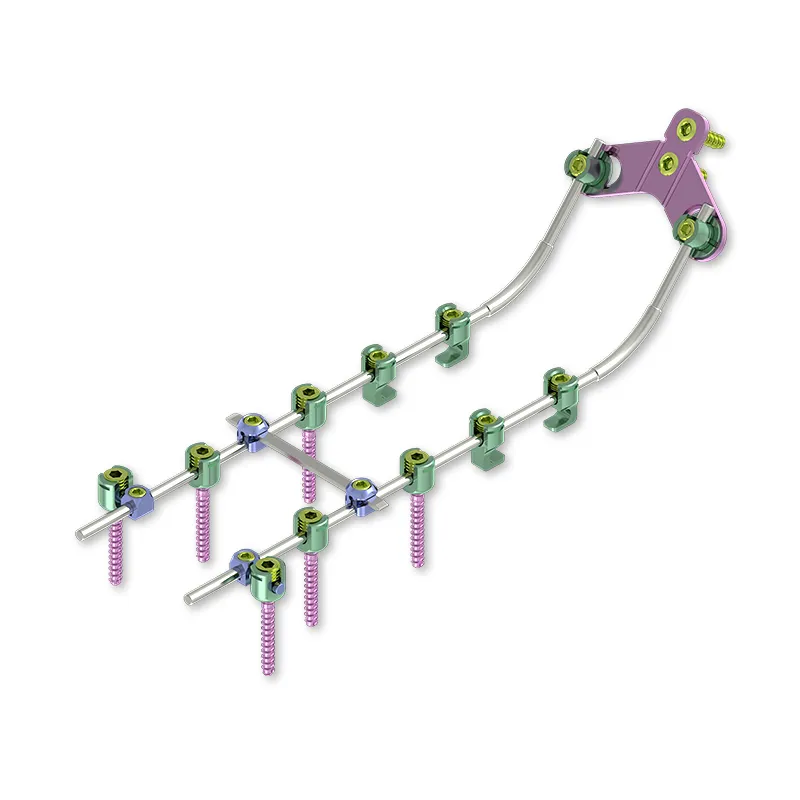
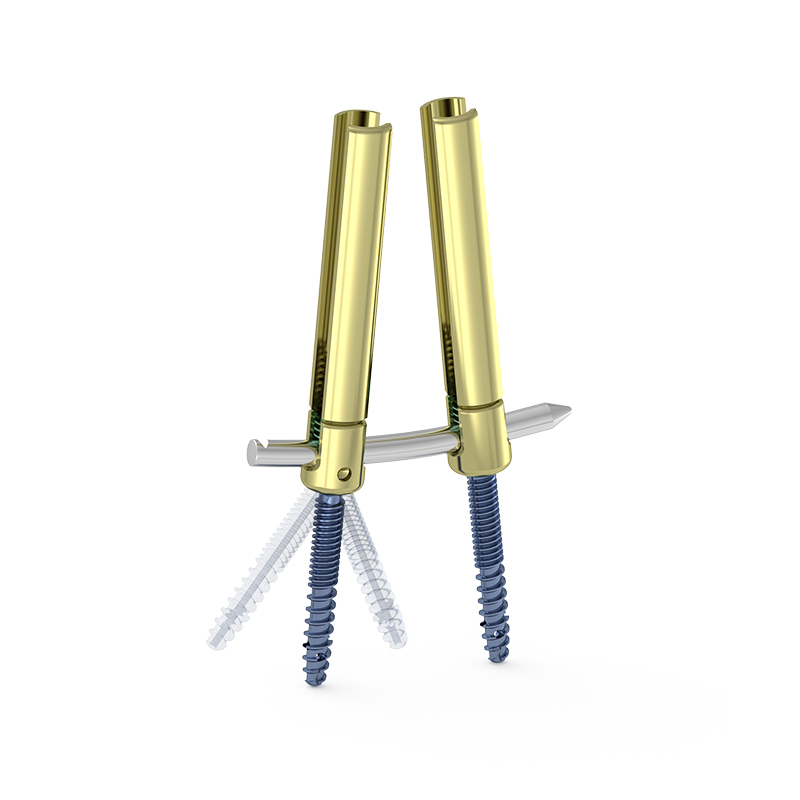
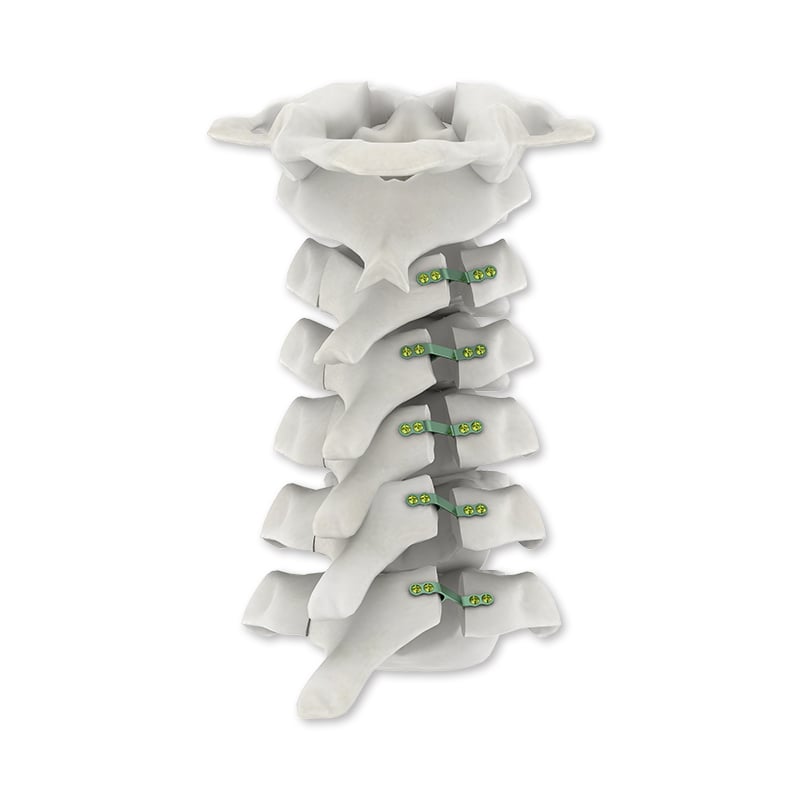
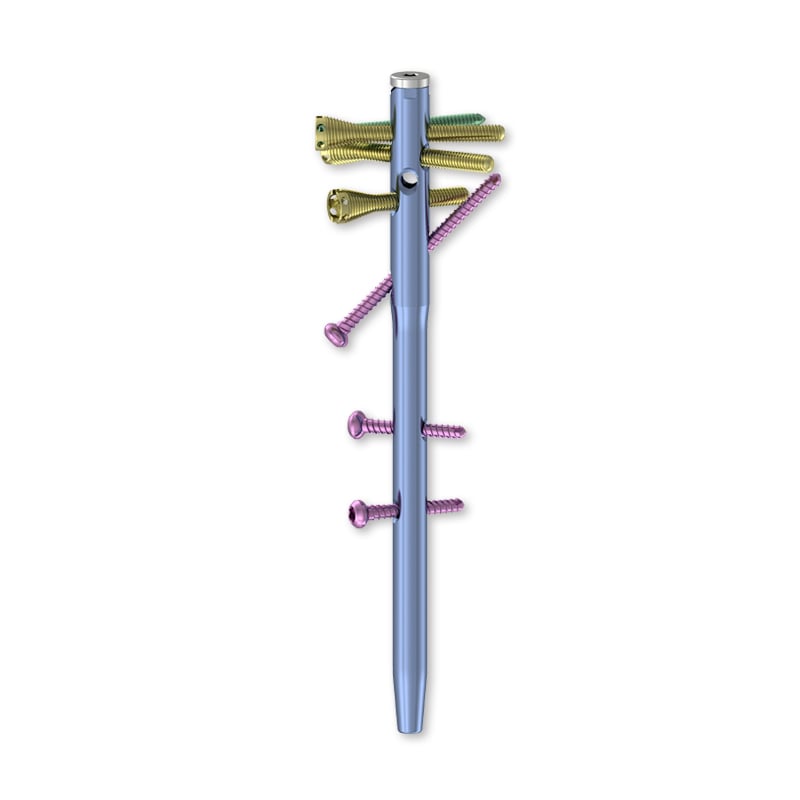
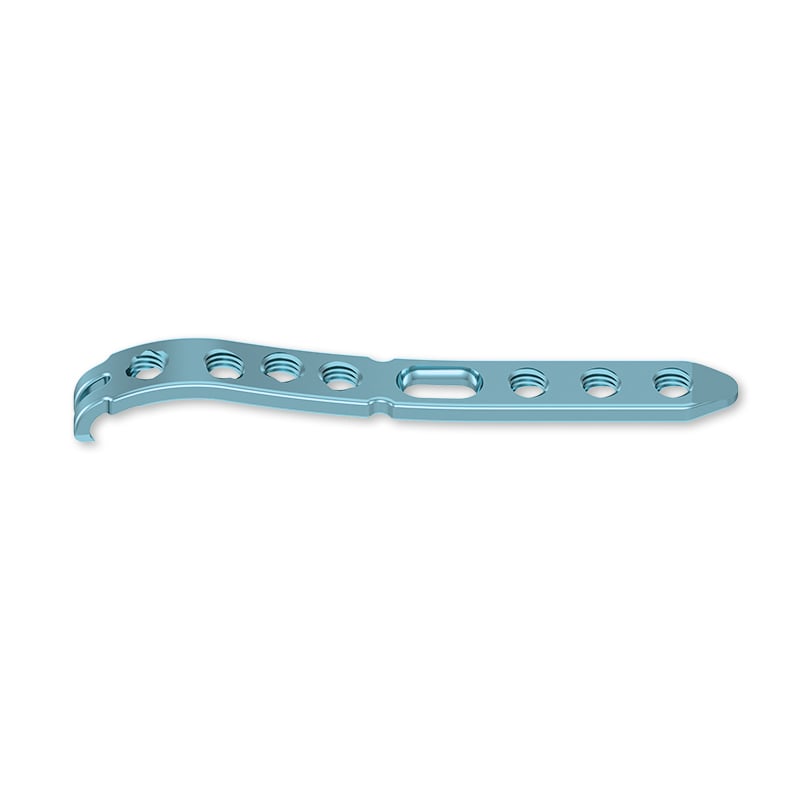
Orthopedic surgical implants are medical devices designed to replace, support, or stabilize damaged bones and joints within the human skeletal system. These precision-engineered components serve critical roles in restoring mobility, alleviating pain, and improving quality of life for patients suffering from injuries, degenerative conditions, or congenital abnormalities. Orthopedic surgical implants encompass a wide range of products including hip and knee replacements, spinal fusion devices, trauma fixation plates and screws, shoulder and elbow prostheses, and bone grafting materials. Modern orthopedic surgical implants utilize advanced biomaterials such as titanium alloys, cobalt-chromium compounds, medical-grade stainless steel, and biocompatible polymers that ensure durability and tissue integration. The technological features of these implants include anatomically contoured designs that mirror natural bone structure, porous surfaces that promote bone ingrowth, and modular components allowing surgeons to customize fit during procedures. Applications span traumatic injury repair where fractures require internal fixation, joint arthroplasty for arthritis patients experiencing chronic pain, spinal procedures addressing disc degeneration and vertebral instability, and reconstructive surgeries following tumor resection. The manufacturing process involves rigorous quality control standards, biocompatibility testing, and regulatory compliance to ensure patient safety. Orthopedic surgical implants represent the convergence of materials science, biomechanical engineering, and clinical expertise, providing surgeons with reliable tools to perform complex reconstructive procedures with predictable outcomes and long-term functionality.

Popular Products

Choosing high-quality orthopedic surgical implants delivers significant practical benefits that directly impact patient outcomes and healthcare efficiency. First, these devices offer exceptional durability, with many implants designed to function effectively for 15-25 years or longer, reducing the need for revision surgeries and associated costs. The biocompatible materials used minimize rejection risks and adverse tissue reactions, ensuring safer integration with the body's natural systems. For healthcare facilities, reliable orthopedic surgical implants streamline surgical workflows by providing consistent performance characteristics that surgeons can depend upon, reducing operation times and improving scheduling efficiency. Patients experience faster recovery periods due to minimally invasive implant designs that reduce tissue trauma during insertion, allowing earlier mobilization and return to daily activities. The anatomical precision of modern implants ensures proper biomechanical alignment, which translates to more natural movement patterns and reduced compensatory stress on surrounding structures. Decision-makers appreciate the comprehensive documentation and traceability that accompanies certified implants, supporting compliance requirements and quality assurance protocols. The versatility of modular implant systems allows surgeons to address diverse patient anatomies and pathologies with a single product platform, optimizing inventory management while maintaining surgical flexibility. Long-term cost-effectiveness emerges from reduced complication rates, lower revision surgery frequency, and improved patient satisfaction scores that enhance institutional reputation. For patients, the practical value includes pain relief, restored function, and independence in performing work and recreational activities. The advanced surface treatments on orthopedic surgical implants promote osseointegration, creating stable biological fixation that supports immediate weight-bearing in many applications. These combined advantages make modern implant technology an essential investment for facilities committed to delivering superior orthopedic care with measurable clinical and operational benefits.

Practical Tips

What Are the Main Types of Orthopedic Implants Used in Trauma Surgery?

02

Jun

What Are the Main Types of Orthopedic Implants Used in Trauma Surgery?

When a patient sustains a serious bone fracture or joint injury, the goal of trauma surgery is to restore stability, alignment, and function as efficiently and safely as possible. Central to achieving that goal are orthopedic implants — precisi...
View More
How Does Spinal Screw Design Enhance Mechanical Strength and Fixation?

06

Jul

How Does Spinal Screw Design Enhance Mechanical Strength and Fixation?

In modern spinal surgery, the pedicle screw is one of the most critical implants used to stabilize the vertebral column. Whether the procedure involves deformity correction, fracture management, or spinal fusion, the pedicle screw serves as the prima...
View More
How to Optimize Pedicle Screw Placement for Better Surgical Outcomes?

06

Jul

How to Optimize Pedicle Screw Placement for Better Surgical Outcomes?

Achieving precise pedicle screw placement is one of the most critical skills in modern spinal surgery. When pedicle screw placement is performed accurately, it creates a stable fixation point that supports spinal fusion, corrects deformity, and reduc...
View More
Why Is Accurate Spinal Screw Placement Crucial for Patient Safety?

06

Jul

Why Is Accurate Spinal Screw Placement Crucial for Patient Safety?

Pedicle screw placement is one of the most technically demanding steps in spinal surgery. When a surgeon positions each screw with precision, the entire construct gains stability, and the patient's recovery is protected from preventable complications...
View More

Get a Free Quote

Our representative will contact you soon.
Email
Name
Company Name
Message
0/1000

orthopedic surgical implants

Advanced Biomaterial Engineering for Long-Term Performance

Advanced Biomaterial Engineering for Long-Term Performance

The selection of premium biomaterials represents a fundamental advantage of contemporary orthopedic surgical implants, directly influencing both immediate surgical success and decades of post-operative function. Titanium alloys dominate many applications due to their exceptional strength-to-weight ratio, natural corrosion resistance, and proven biocompatibility that allows seamless integration with bone tissue. These materials undergo specialized surface treatments including plasma spraying, grit blasting, and hydroxyapatite coating that create microporous architectures encouraging bone cell attachment and proliferation. The resulting osseointegration establishes biological fixation superior to traditional cement methods in many applications. Cobalt-chromium formulations provide wear resistance essential for articulating joint surfaces, ensuring smooth movement throughout millions of loading cycles. Medical-grade polymers like ultra-high molecular weight polyethylene serve as bearing surfaces in joint replacements, engineered to withstand frictional forces while generating minimal debris. The material selection process considers mechanical properties including elastic modulus matching with bone to prevent stress shielding, fatigue resistance to avoid implant fracture, and imaging compatibility for post-operative monitoring. This sophisticated materials engineering ensures orthopedic surgical implants deliver predictable performance across diverse patient populations and activity levels.
Anatomical Design Precision for Optimal Fit and Function

Anatomical Design Precision for Optimal Fit and Function

Modern orthopedic surgical implants benefit from advanced anatomical design methodologies that utilize three-dimensional imaging data from thousands of patient scans to create components matching natural skeletal geometry. This population-based design approach ensures implants accommodate anatomical variations while maintaining optimal biomechanical alignment. Surgeons receive implant systems offering multiple size options and modular components, enabling intraoperative customization that addresses individual patient anatomy without requiring custom manufacturing delays. The contoured surfaces of these implants distribute mechanical loads physiologically, reducing stress concentrations that could lead to bone resorption or implant loosening. Femoral stems in hip replacements feature anatomical curvature matching the medullary canal, while knee implants incorporate asymmetric tibial plateaus replicating natural joint geometry. Spinal implants provide lordotic angles and endplate contours supporting proper sagittal balance. This design precision directly translates to improved range of motion, more natural gait patterns, and reduced compensatory strain on adjacent joints. The engineering investment in anatomical accuracy delivers measurable clinical benefits including lower revision rates, enhanced patient satisfaction scores, and faster rehabilitation timelines. For surgical teams, the predictable fit reduces operative complexity and allows focus on soft tissue balancing and alignment verification, ultimately improving procedural efficiency while supporting superior functional outcomes for patients receiving orthopedic surgical implants.
Comprehensive Regulatory Compliance and Quality Assurance

Comprehensive Regulatory Compliance and Quality Assurance

The stringent regulatory framework governing orthopedic surgical implants provides essential buyer confidence through documented safety and effectiveness validation. Manufacturers must demonstrate compliance with international standards including ISO 13485 quality management systems, FDA premarket approval requirements, and European Medical Device Regulations ensuring rigorous design controls, material testing, and clinical evaluation. Each implant undergoes extensive biocompatibility assessment following ISO 10993 protocols, examining cytotoxicity, sensitization potential, and systemic effects. Mechanical testing simulates decades of physiological loading through fatigue analysis and wear studies that predict long-term performance. Comprehensive documentation accompanies every product batch, including material certifications, sterilization validation, and unique device identification enabling complete traceability from manufacture through implantation. This quality infrastructure protects healthcare facilities from counterfeit products and substandard devices while supporting adverse event investigation and post-market surveillance obligations. For procurement decision-makers, verified regulatory compliance reduces institutional risk and demonstrates due diligence in vendor selection. Surgeons gain confidence from clinical data substantiating implant performance across diverse patient populations and follow-up periods. The investment in regulatory excellence that characterizes reputable orthopedic surgical implants manufacturers translates directly to patient safety, predictable outcomes, and medico-legal protection for all stakeholders in the care continuum.

Get a Free Quote

Our representative will contact you soon.
Email
Name
Company Name
Message
0/1000
Newsletter
Please Leave A Message With Us