Pedicle Screw Spinal Implant System Guide

All Categories

Get a Free Quote

Our representative will contact you soon.
Email
Name
Company Name
Message
0/1000

pedicle screw spinal implant system

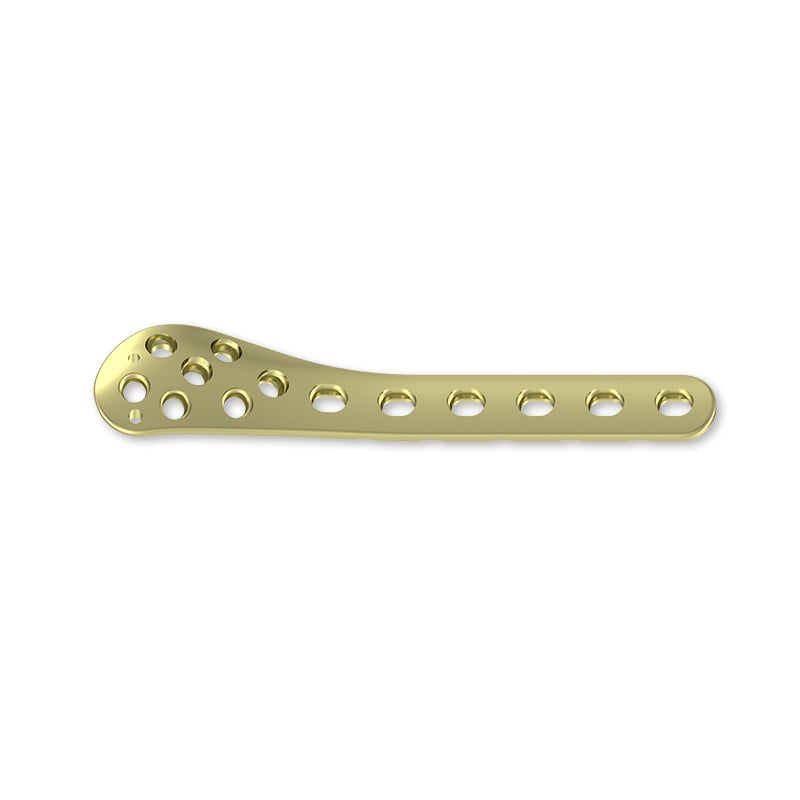
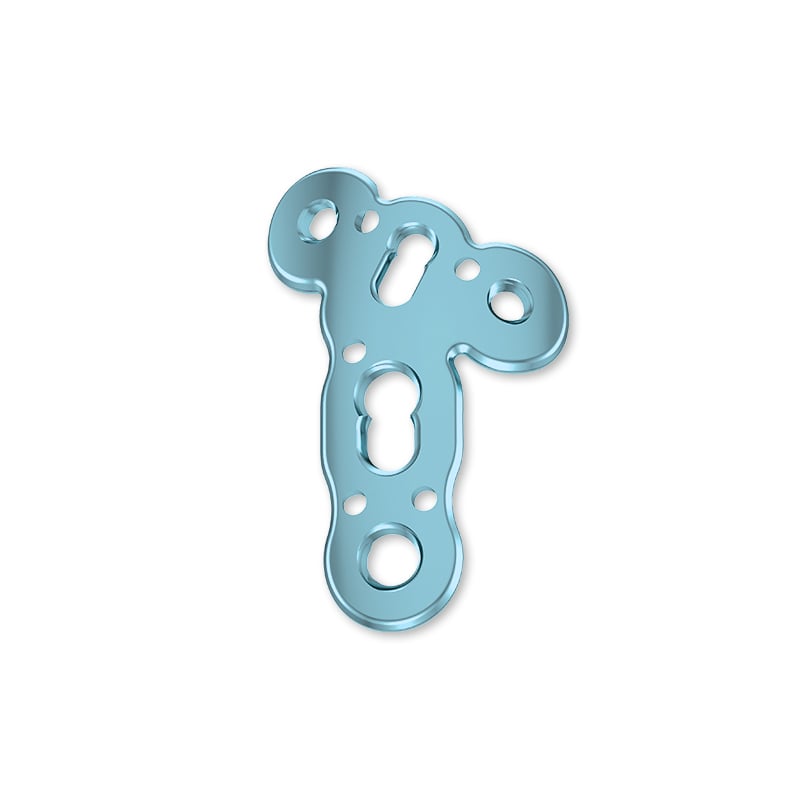
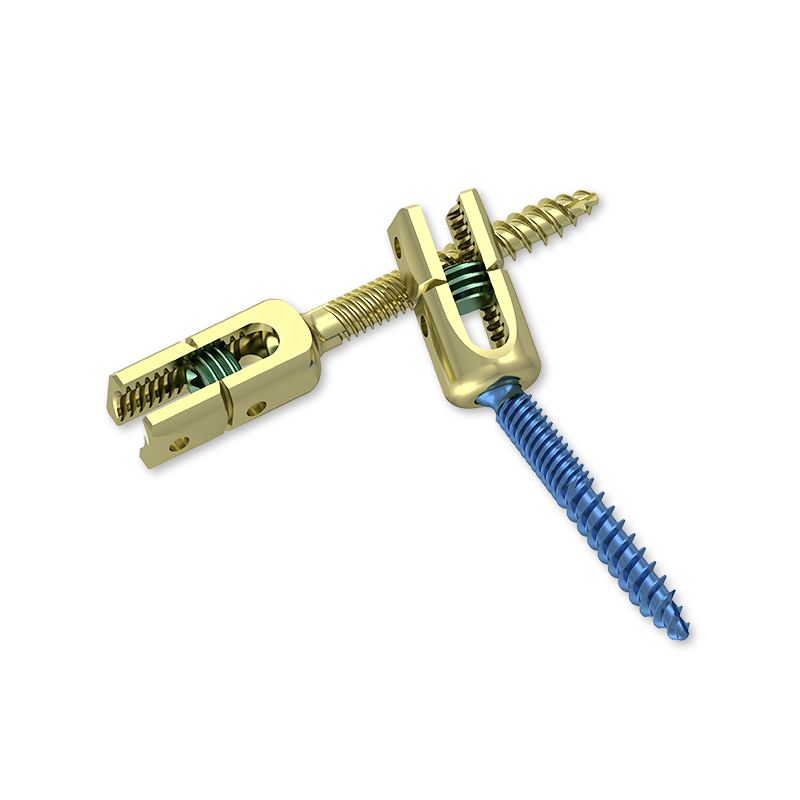
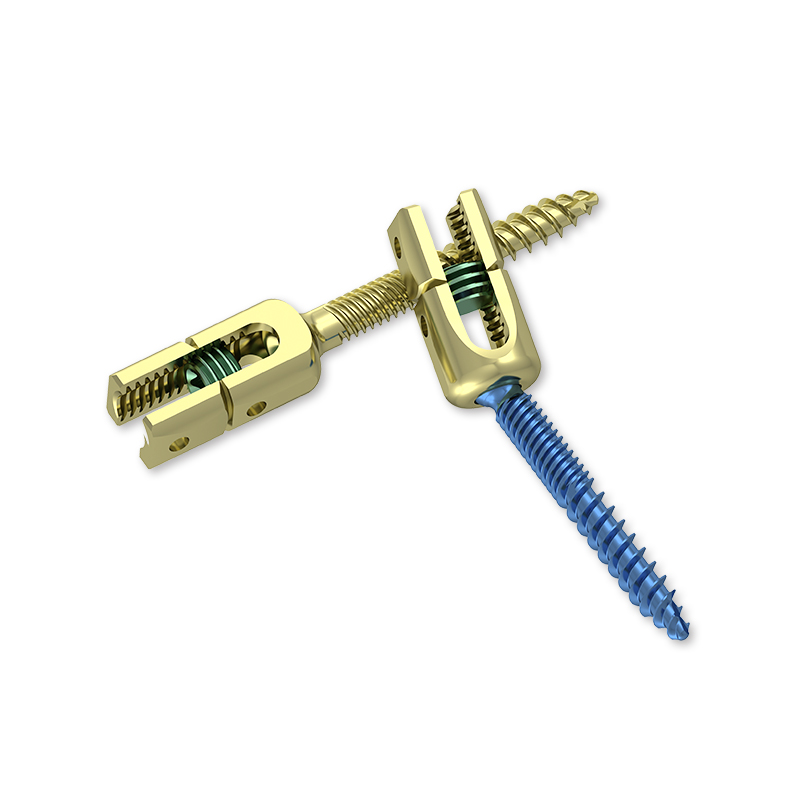
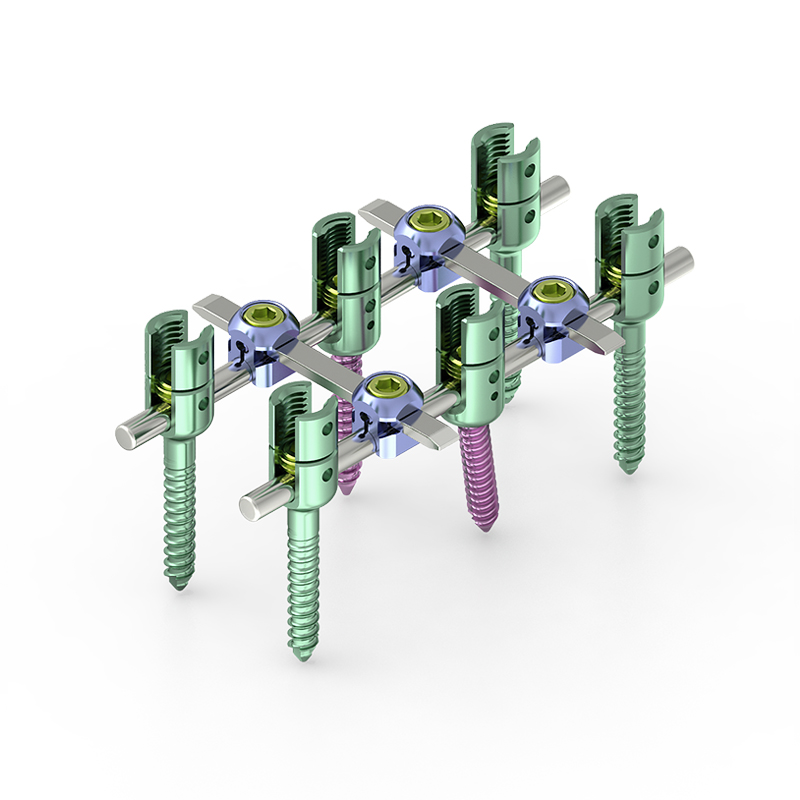
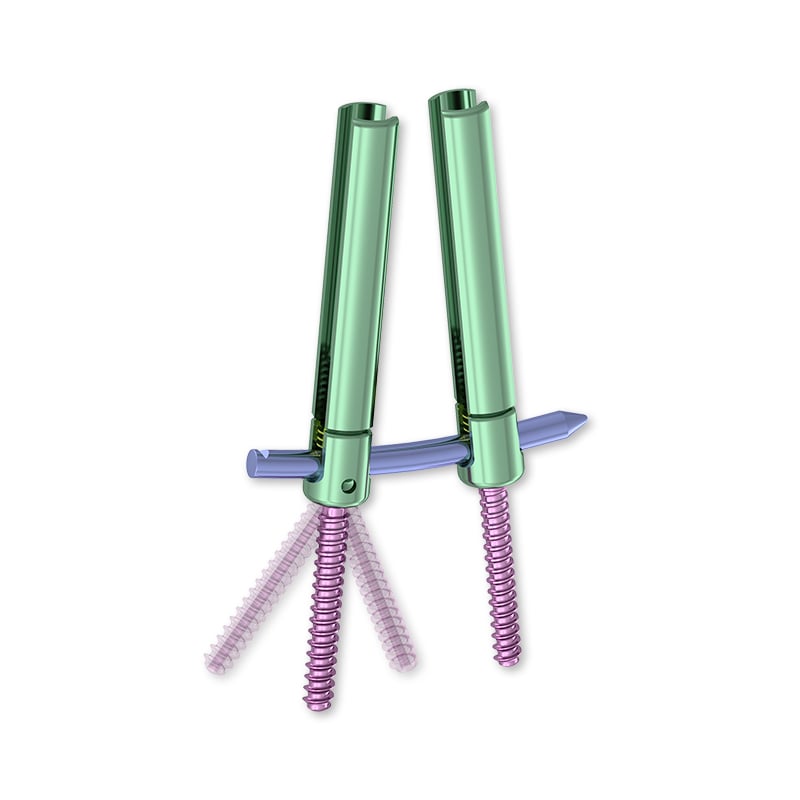
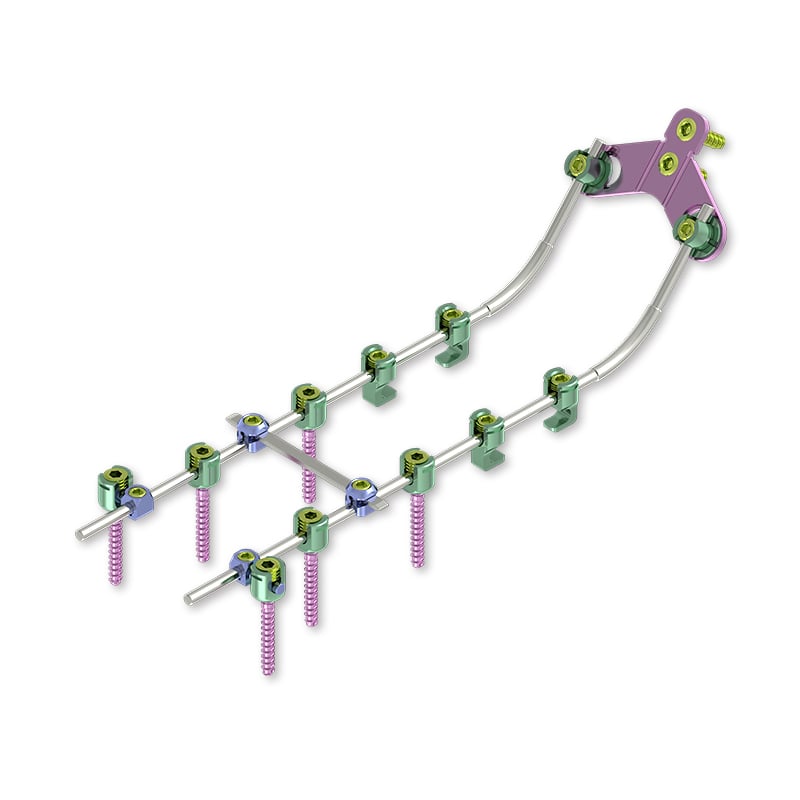
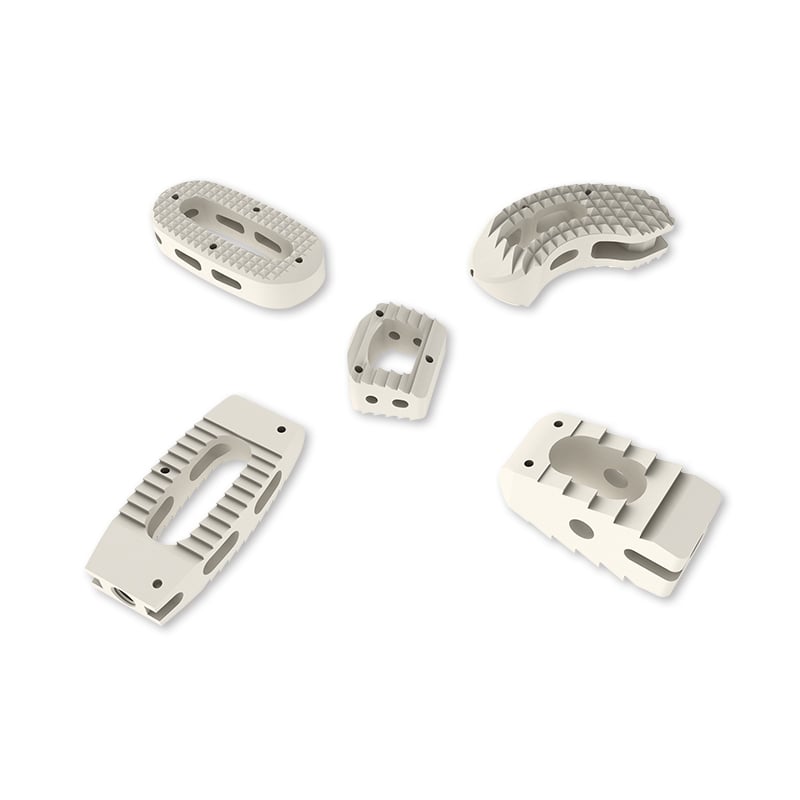
A pedicle screw spinal implant system represents an advanced orthopedic solution designed to provide stabilization and support for patients suffering from various spinal disorders and injuries. This sophisticated medical device consists of titanium or stainless steel screws that are surgically inserted through the pedicles of vertebrae, connected by rods to create a rigid or semi-rigid construct that immobilizes damaged spinal segments. The pedicle screw spinal implant system serves as the gold standard in spinal fusion procedures, offering superior biomechanical stability compared to traditional fixation methods. Its main functions include correcting spinal deformities such as scoliosis and kyphosis, stabilizing fractured vertebrae, treating degenerative disc disease, and supporting the spine during the natural fusion process. The technological features of the pedicle screw spinal implant system incorporate precision-engineered screw threads that ensure optimal purchase in bone tissue, polyaxial screw heads that allow multi-directional rod placement, and anatomically contoured rods that respect natural spinal curvature. Modern systems feature advanced locking mechanisms that prevent hardware loosening and maintain construct integrity throughout the healing period. Clinical applications span across trauma surgery for spinal fractures, degenerative conditions requiring fusion, tumor resection reconstruction, and complex revision surgeries. The pedicle screw spinal implant system accommodates various surgical approaches including posterior, anterior, and minimally invasive techniques, making it versatile for different patient anatomies and pathological conditions requiring surgical intervention.

New Product Recommendations

The pedicle screw spinal implant system delivers exceptional value through its proven ability to restore spinal stability while minimizing patient recovery time and improving long-term outcomes. Patients benefit from faster return to daily activities because the robust fixation provided by this system allows for earlier mobilization compared to older fusion techniques. The superior biomechanical strength of the pedicle screw spinal implant system means patients experience reduced risk of hardware failure, which translates to fewer revision surgeries and lower overall healthcare costs. Surgeons appreciate the operational benefits of working with a system that offers intuitive instrumentation and consistent performance across diverse anatomical challenges. The modular design allows surgical teams to customize each construct to match individual patient anatomy, ensuring optimal fit regardless of vertebral size or bone quality. This adaptability proves especially valuable when treating patients with osteoporosis or compromised bone density, where traditional fixation methods might fail. The pedicle screw spinal implant system suits applications ranging from single-level fusions to extensive multi-level reconstructions, making it a comprehensive solution for spinal surgery centers. Hospitals investing in this technology gain a reliable platform that supports both routine and complex cases, maximizing equipment utilization and surgical efficiency. The system's compatibility with advanced imaging technologies enables precise screw placement, reducing surgical complications and improving patient safety profiles. For decision-makers evaluating spinal implant options, this system represents a mature technology with extensive clinical evidence supporting its effectiveness, offering confidence in purchase decisions. The widespread adoption across global healthcare facilities demonstrates proven reliability, while ongoing innovations continue to enhance performance characteristics and expand clinical applications for emerging surgical techniques.

Latest News

What Are the Differences Between Monoaxial and Polyaxial Pedicle Screw?

02

Jun

What Are the Differences Between Monoaxial and Polyaxial Pedicle Screw?

In spinal surgery, choosing the right implant can directly influence surgical outcomes, patient recovery, and long-term construct stability. Among the most critical decisions a spine surgeon faces is selecting the appropriate type of pedicle screw fo...
View More
How Do Spinal Screw Systems Perform in Osteoporotic Patients?

06

Jul

How Do Spinal Screw Systems Perform in Osteoporotic Patients?

When a surgeon places a spinal screw into osteoporotic bone, the mechanical environment is fundamentally different from that of healthy vertebral bone. Osteoporosis reduces bone mineral density and disrupts trabecular architecture, leaving the cancel...
View More
How Does Spinal Screw Improve Outcomes in Scoliosis Correction Surgery?

06

Jul

How Does Spinal Screw Improve Outcomes in Scoliosis Correction Surgery?

Scoliosis correction surgery is one of the most technically demanding procedures in spinal care, requiring precise instrumentation to restore alignment and maintain long-term stability. At the center of modern surgical technique, the spinal screw has...
View More
What Are the Differences Between Spinal Screw and Pedicle Screw Systems?

06

Jul

What Are the Differences Between Spinal Screw and Pedicle Screw Systems?

When evaluating spinal implant instrumentation, one of the most common points of confusion is the distinction between a general spinal screw and a pedicle screw system. Both are used in spinal surgery, but they differ significantly in anatomy, biomec...
View More

Get a Free Quote

Our representative will contact you soon.
Email
Name
Company Name
Message
0/1000

pedicle screw spinal implant system

Three-Dimensional Stabilization Capability

Three-Dimensional Stabilization Capability

The pedicle screw spinal implant system excels in providing comprehensive three-dimensional spinal stabilization that addresses all planes of motion simultaneously. Unlike anterior plating systems that primarily resist flexion and extension, or traditional hook-rod constructs with limited rotational control, this system anchors directly into the strongest portion of each vertebra through the pedicle corridor. This anatomical approach creates a biomechanically superior construct that resists flexion, extension, lateral bending, and axial rotation with equal effectiveness. The polyaxial screw heads featured in modern pedicle screw spinal implant system designs allow surgeons to make fine adjustments to rod positioning without compromising screw placement accuracy. This flexibility proves critical when navigating complex spinal anatomy or correcting significant deformities where vertebral alignment varies substantially across multiple levels. The resulting construct maintains corrective forces throughout the fusion process, ensuring that alignment improvements achieved during surgery persist during bone healing. Patients experience improved pain relief and functional outcomes because the stable environment promotes reliable fusion while preventing micromotion that could delay healing or cause persistent discomfort. The three-dimensional control also enables surgeons to address complex pathologies involving multiple simultaneous deformity patterns, expanding treatment possibilities for challenging cases.
Minimally Invasive Surgical Compatibility

Minimally Invasive Surgical Compatibility

Modern pedicle screw spinal implant system designs have evolved to support minimally invasive surgical techniques that significantly reduce tissue trauma and accelerate patient recovery. Percutaneous screw insertion methods utilize specialized instruments that create narrow surgical corridors, preserving surrounding musculature and reducing blood loss compared to traditional open approaches. The pedicle screw spinal implant system components are engineered with profiles that accommodate these advanced delivery systems while maintaining the structural integrity necessary for effective spinal stabilization. Patients undergoing minimally invasive procedures experience less postoperative pain, shorter hospital stays, and faster return to normal activities because the surgical approach respects anatomical structures rather than extensively disrupting them. The system's compatibility with fluoroscopic and navigation-guided placement technologies enhances surgical precision even through limited exposure, ensuring accurate screw trajectories that avoid neural and vascular structures. This technological integration makes the pedicle screw spinal implant system suitable for outpatient surgical centers and ambulatory facilities seeking to expand their spinal surgery capabilities. Surgeons transitioning to minimally invasive techniques appreciate that the fundamental principles of construct design remain consistent with open procedures, reducing the learning curve. The reduced tissue disruption associated with these approaches also benefits elderly patients and those with medical comorbidities who face higher risks with extensive surgical exposure.
Comprehensive Material and Size Options

Comprehensive Material and Size Options

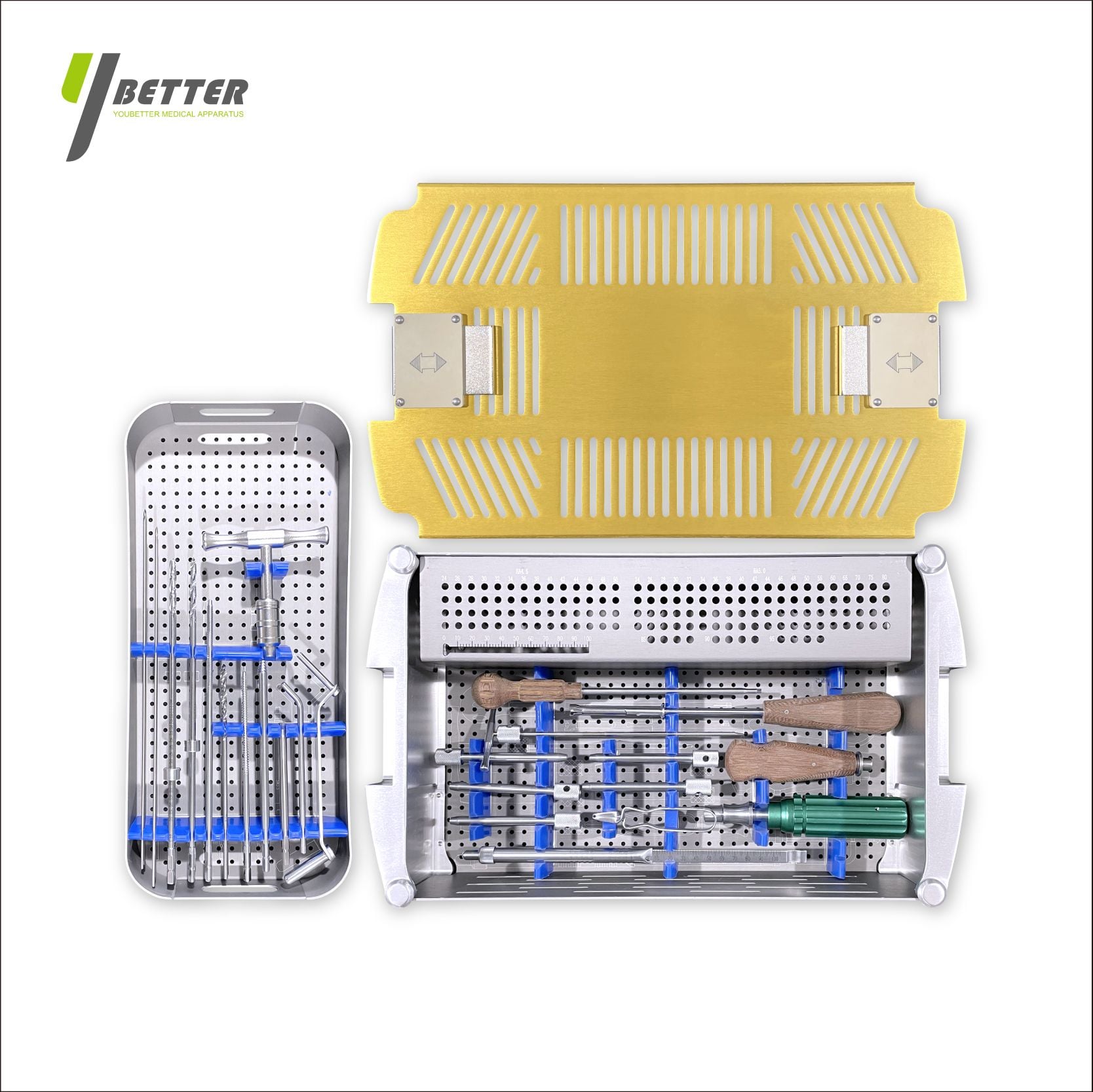
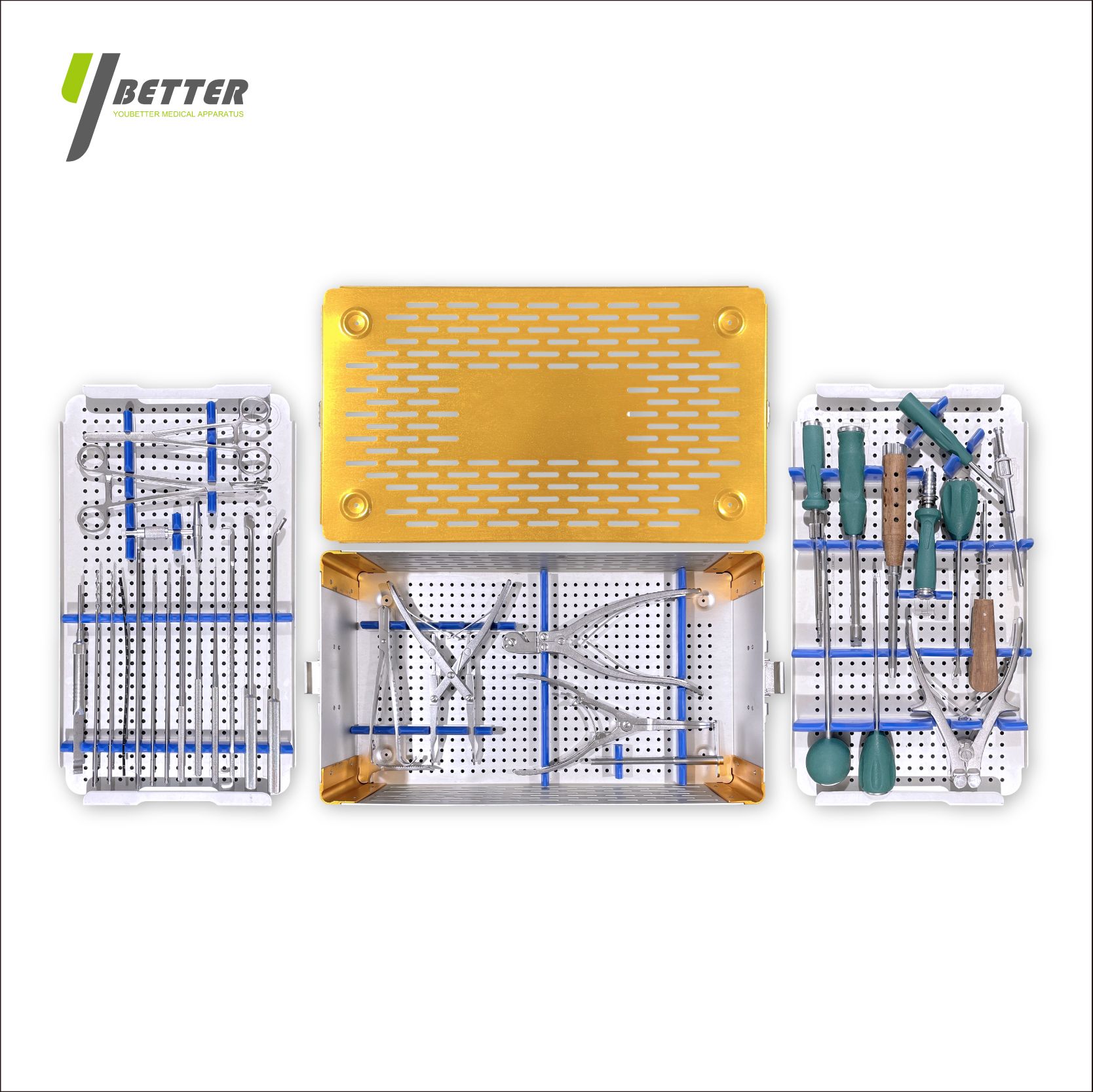
The pedicle screw spinal implant system offers extensive material choices and dimensional variations that accommodate diverse patient populations and clinical scenarios. Titanium alloy components provide excellent biocompatibility and osseointegration properties while offering sufficient strength for most applications, whereas stainless steel alternatives deliver enhanced rigidity for cases requiring maximum structural support. Surgeons can select from comprehensive screw diameter and length options, ensuring optimal fit across pediatric, adult, and bariatric patient populations with varying vertebral dimensions. This versatility means surgical teams can address cases ranging from minimally invasive single-level decompressions to extensive reconstructions spanning multiple spinal regions using components from a single pedicle screw spinal implant system platform. The availability of specialized screw designs including fenestrated versions for cement augmentation addresses the challenge of osteoporotic bone, expanding treatment options for elderly patients who might otherwise be poor candidates for instrumented fusion. Rod diameter options and material variations allow construct stiffness customization based on fusion length and patient activity expectations, optimizing the balance between stability and flexibility. Healthcare facilities benefit from inventory efficiency because the comprehensive component range within one system reduces the need for multiple vendor relationships and simplifies surgical tray management. The standardized instrumentation that works across all component sizes streamlines surgical team training and reduces procedural variability that could affect outcomes.

Get a Free Quote

Our representative will contact you soon.
Email
Name
Company Name
Message
0/1000
Newsletter
Please Leave A Message With Us