Titanium Pedicle Screw Solutions for Spine

All Categories

Get a Free Quote

Our representative will contact you soon.
Email
Name
Company Name
Message
0/1000

titanium pedicle screw

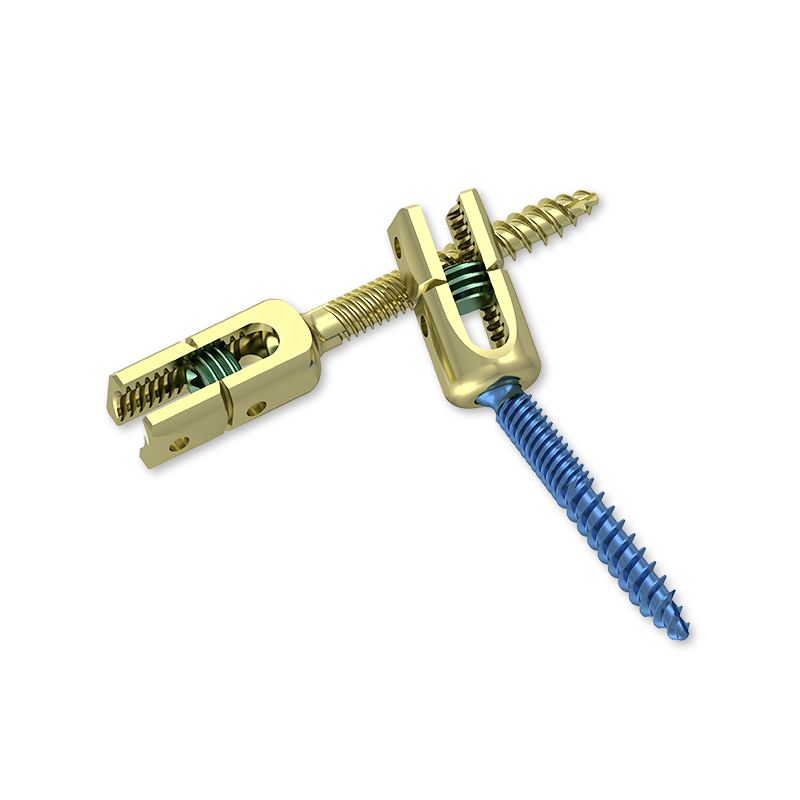
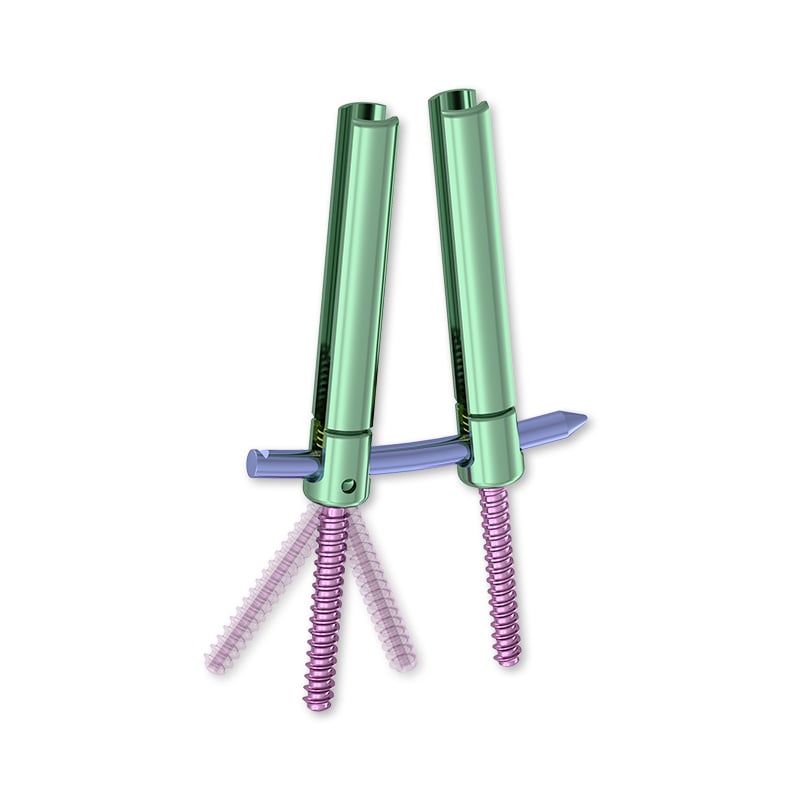
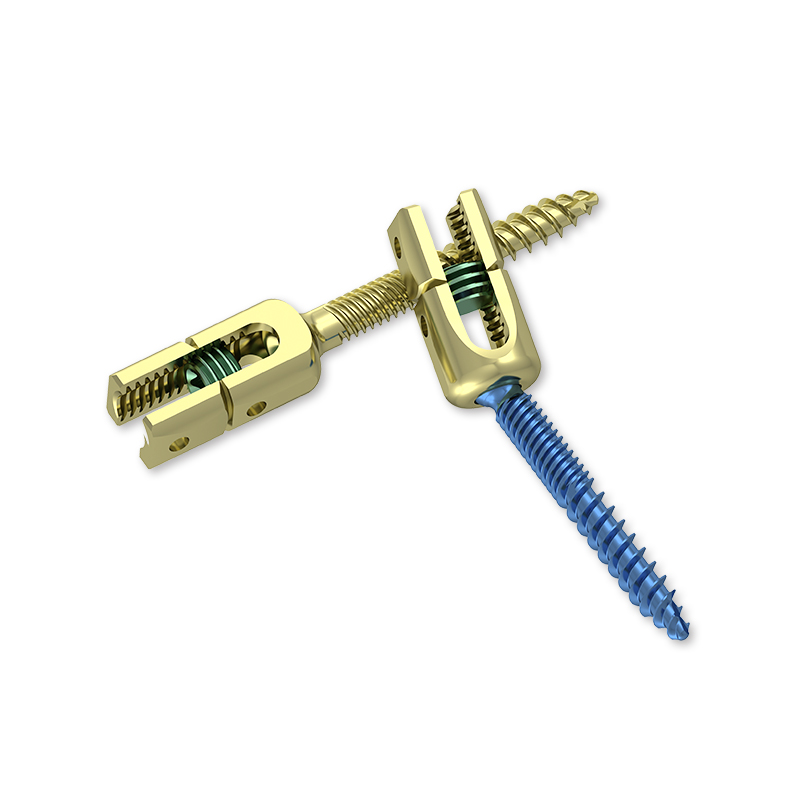
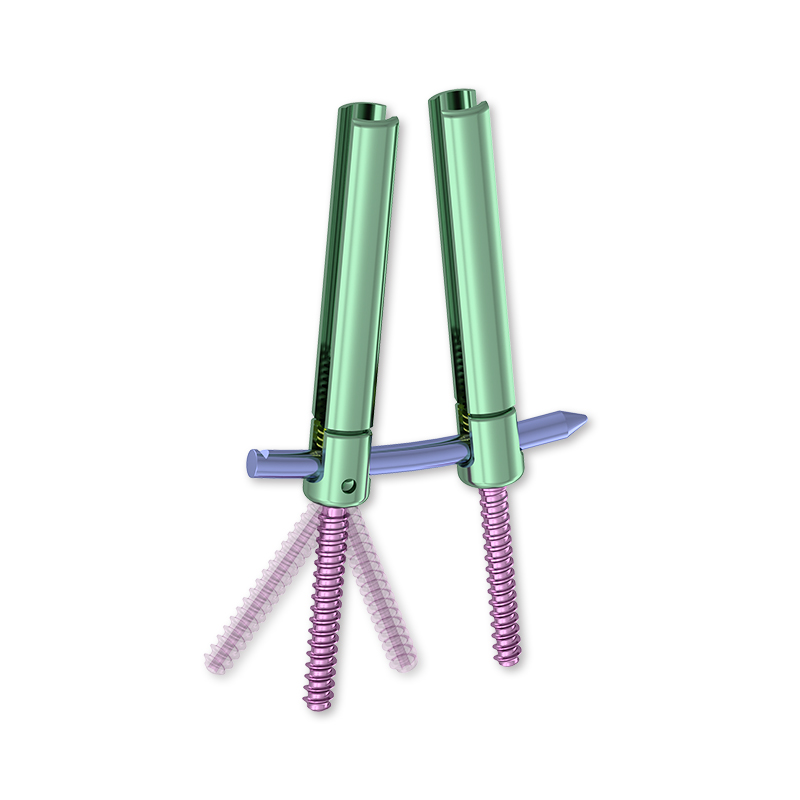
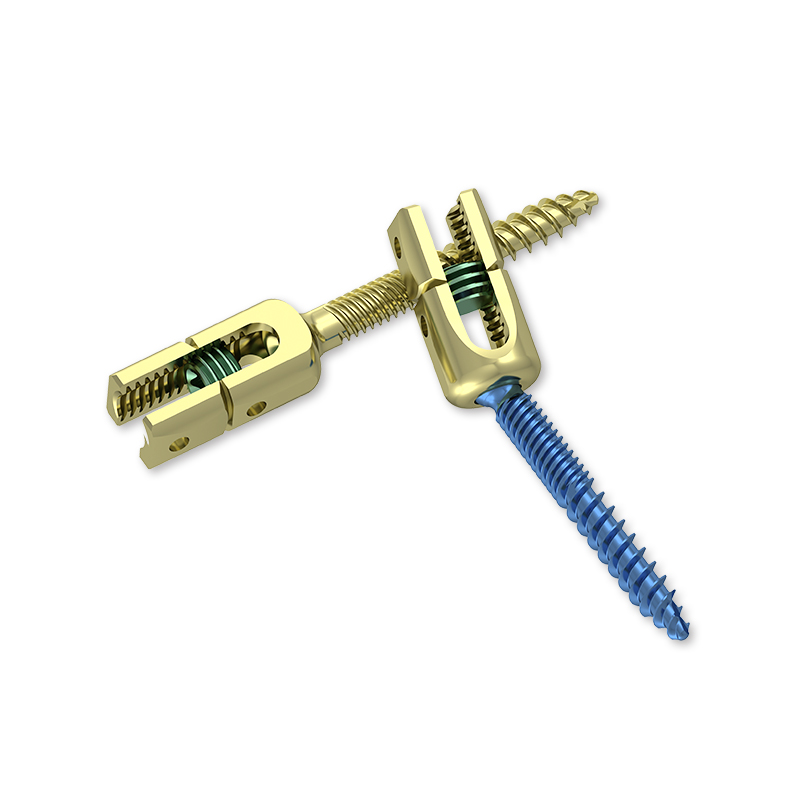
The titanium pedicle screw is a specialized orthopedic implant designed for spinal fusion and stabilization procedures. This medical device is surgically inserted through the pedicle of the vertebra to provide rigid fixation and support to the spinal column. Manufactured from medical-grade titanium alloy, the titanium pedicle screw offers exceptional biocompatibility and strength, making it an essential component in treating various spinal conditions including degenerative disc disease, scoliosis, spinal fractures, and tumor-related instability. The primary function of the titanium pedicle screw is to anchor rods and connecting elements that hold vertebrae in proper alignment during the healing process. These screws feature advanced thread designs that maximize bone purchase and pullout resistance, ensuring secure fixation even in osteoporotic bone. The technological features include self-tapping capabilities, various head designs for polyaxial or monoaxial rod connection, and precise manufacturing tolerances that guarantee consistent performance. Applications span across posterior lumbar interbody fusion, transforaminal lumbar interbody fusion, and complex spinal deformity corrections. Surgeons rely on the titanium pedicle screw for its predictable insertion mechanics and reliable long-term stability. The material properties of titanium provide an optimal balance between mechanical strength and flexibility, reducing stress shielding while maintaining structural integrity. With comprehensive size ranges and configurations available, the titanium pedicle screw can be adapted to diverse patient anatomies and surgical requirements, making it a cornerstone of modern spinal instrumentation.

New Product Releases

Choosing the titanium pedicle screw delivers significant practical benefits that directly impact patient outcomes and surgical success. The primary advantage lies in the superior biocompatibility of titanium, which minimizes the risk of allergic reactions and promotes natural bone integration around the implant. This compatibility means patients experience fewer complications and faster recovery times compared to alternative materials. The corrosion resistance of titanium ensures the implant maintains its structural integrity throughout the patient's lifetime, eliminating concerns about material degradation or weakening over time. From an operational perspective, the titanium pedicle screw offers surgeons excellent visibility under imaging systems, making placement verification straightforward and accurate during procedures. The material's radiolucent properties allow clear postoperative assessment without significant image artifacts, enabling healthcare providers to monitor healing progress effectively. The mechanical strength-to-weight ratio of these screws provides robust spinal support while keeping the overall construct lightweight, reducing unnecessary stress on adjacent vertebrae. This balance helps prevent adjacent segment disease, a common concern in spinal fusion procedures. Application suitability extends across diverse patient populations, from young adults requiring trauma fixation to elderly patients with compromised bone quality. The various surface treatments and coatings available enhance osseointegration, promoting faster bone growth and more secure fixation. For medical facilities and surgeons, the titanium pedicle screw represents a cost-effective investment due to its reliability and reduced revision rates. The proven track record of titanium implants provides decision-makers with confidence in long-term performance. Patients benefit from shorter hospital stays and quicker return to daily activities, while healthcare systems see improved resource utilization and better overall value delivery.

Practical Tips

How Does Pedicle Screw Design Enhance Pullout Strength and Stability?

02

Jun

How Does Pedicle Screw Design Enhance Pullout Strength and Stability?

In modern spinal surgery, fixation reliability is not a secondary consideration — it is the foundation upon which patient outcomes are built. The pedicle screw has become the cornerstone of posterior spinal instrumentation, offering surgeons a ...
View More
What Role Does Spinal Screw Play in Complex Spinal Reconstruction?

06

Jul

What Role Does Spinal Screw Play in Complex Spinal Reconstruction?

In complex spinal reconstruction procedures, every implant must perform with precision and reliability. The spinal screw is one of the most critical components in these surgeries, serving as the primary anchor that holds rods, connectors, and bone se...
View More
How Does Spinal Screw Improve Outcomes in Scoliosis Correction Surgery?

06

Jul

How Does Spinal Screw Improve Outcomes in Scoliosis Correction Surgery?

Scoliosis correction surgery is one of the most technically demanding procedures in spinal care, requiring precise instrumentation to restore alignment and maintain long-term stability. At the center of modern surgical technique, the spinal screw has...
View More
How Does Spinal Screw Fixation Improve Stability in Spinal Fusion Surgery?

06

Jul

How Does Spinal Screw Fixation Improve Stability in Spinal Fusion Surgery?

Spinal fusion surgery is one of the most common and technically demanding procedures in orthopedic and neurosurgical practice. At the heart of this procedure lies a critical mechanical principle: the spine must be held in precise alignment while bone...
View More

Get a Free Quote

Our representative will contact you soon.
Email
Name
Company Name
Message
0/1000

titanium pedicle screw

Exceptional Biocompatibility and Osseointegration

Exceptional Biocompatibility and Osseointegration

The titanium pedicle screw stands out for its remarkable biocompatibility, a critical factor that directly influences surgical outcomes and patient safety. Titanium naturally forms a stable oxide layer when exposed to bodily fluids, creating a bioactive surface that encourages bone cells to attach and proliferate around the implant. This property facilitates superior osseointegration, the process where bone tissue bonds directly to the implant surface without fibrous tissue formation. For patients, this means the titanium pedicle screw becomes securely anchored within the vertebra, creating a stable foundation for spinal fusion. The material's inert nature virtually eliminates the risk of metal sensitivity reactions, making it suitable for patients with known allergies to other metals. Clinical studies consistently demonstrate that titanium implants exhibit lower infection rates and inflammatory responses compared to stainless steel alternatives. The enhanced integration reduces the likelihood of implant loosening or migration, complications that often necessitate revision surgery. From a healing perspective, the titanium pedicle screw actively supports the body's natural repair mechanisms, allowing faster bone remodeling around the fixation site. This biological advantage translates to improved fusion rates and more predictable long-term stability, giving patients confidence in their treatment outcomes and surgeons assurance in their technique.
Superior Mechanical Strength and Durability

Superior Mechanical Strength and Durability

The mechanical properties of the titanium pedicle screw provide an optimal combination of strength, flexibility, and fatigue resistance essential for long-term spinal stabilization. Titanium alloys used in these screws possess a tensile strength comparable to stainless steel while being approximately 45 percent lighter, reducing the overall load on the spine. This strength allows the titanium pedicle screw to withstand the complex biomechanical forces acting on the spine during movement, including compression, rotation, and bending stresses. The material's elastic modulus more closely matches that of natural bone compared to other metals, minimizing stress shielding effects that can lead to bone resorption around the implant. Durability is further enhanced by titanium's exceptional corrosion resistance, maintaining structural integrity even in the challenging biochemical environment of the human body. The titanium pedicle screw resists cyclic loading without developing fatigue fractures, a crucial characteristic considering the millions of loading cycles the spine experiences over years. Advanced manufacturing processes ensure consistent material properties throughout each screw, eliminating weak points that could compromise performance. For active patients, this durability means freedom to resume physical activities without fear of implant failure. The proven longevity of titanium constructs provides lasting spinal support, often for the remainder of the patient's life without requiring replacement or revision.
Versatile Design and Surgical Adaptability

Versatile Design and Surgical Adaptability

The titanium pedicle screw system offers exceptional versatility through comprehensive size ranges and innovative design features that accommodate diverse anatomical variations and surgical approaches. Available in multiple diameters and lengths, the titanium pedicle screw can be precisely matched to individual patient anatomy, from petite pediatric cases to large adult frames. Polyaxial head designs allow surgeons to adjust rod placement angles after screw insertion, compensating for anatomical irregularities and simplifying rod contouring during multi-level constructs. This flexibility reduces surgical time and improves the accuracy of spinal alignment correction. The self-tapping thread geometry of the titanium pedicle screw facilitates smooth insertion through bone while maximizing pullout resistance, particularly valuable in patients with osteoporosis or poor bone quality. Various surface treatments, including plasma spray coatings and roughened finishes, enhance initial fixation strength and promote faster bone integration. Color-coded instrumentation and standardized insertion techniques allow surgical teams to work efficiently across different spinal regions, from cervical to sacral applications. The titanium pedicle screw's compatibility with minimally invasive surgical approaches enables percutaneous placement through small incisions, reducing tissue trauma and accelerating patient recovery. This adaptability extends the benefits of spinal fusion to patients who might not tolerate traditional open procedures, expanding treatment options and improving access to advanced spinal care.

Get a Free Quote

Our representative will contact you soon.
Email
Name
Company Name
Message
0/1000
Newsletter
Please Leave A Message With Us