High Strength Pedicle Screw Solutions

All Categories

Get a Free Quote

Our representative will contact you soon.
Email
Name
Company Name
Message
0/1000

high strength pedicle screw

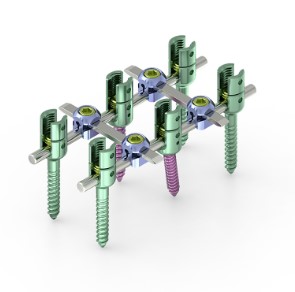
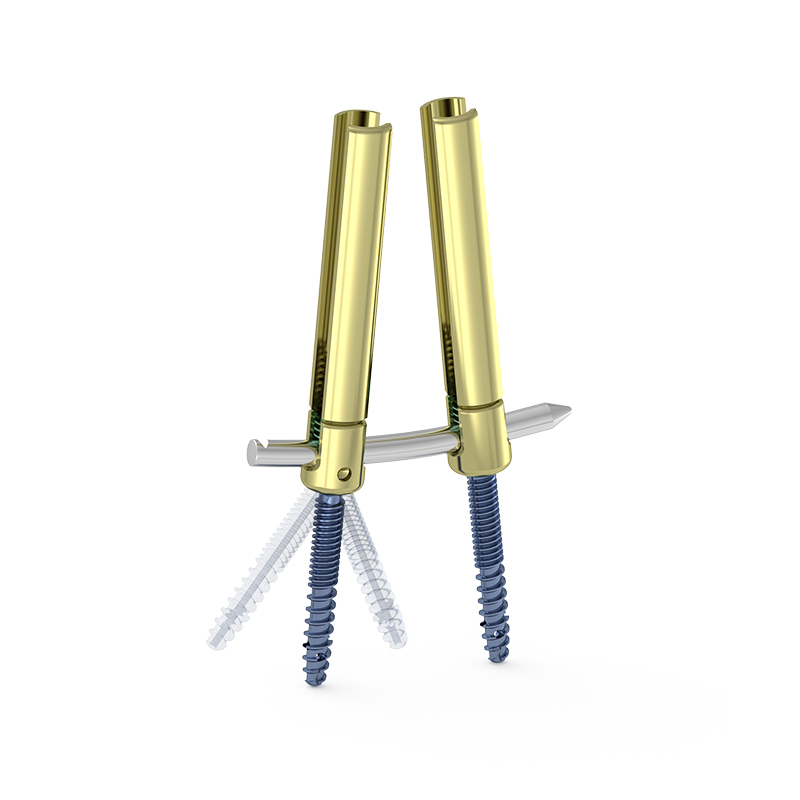
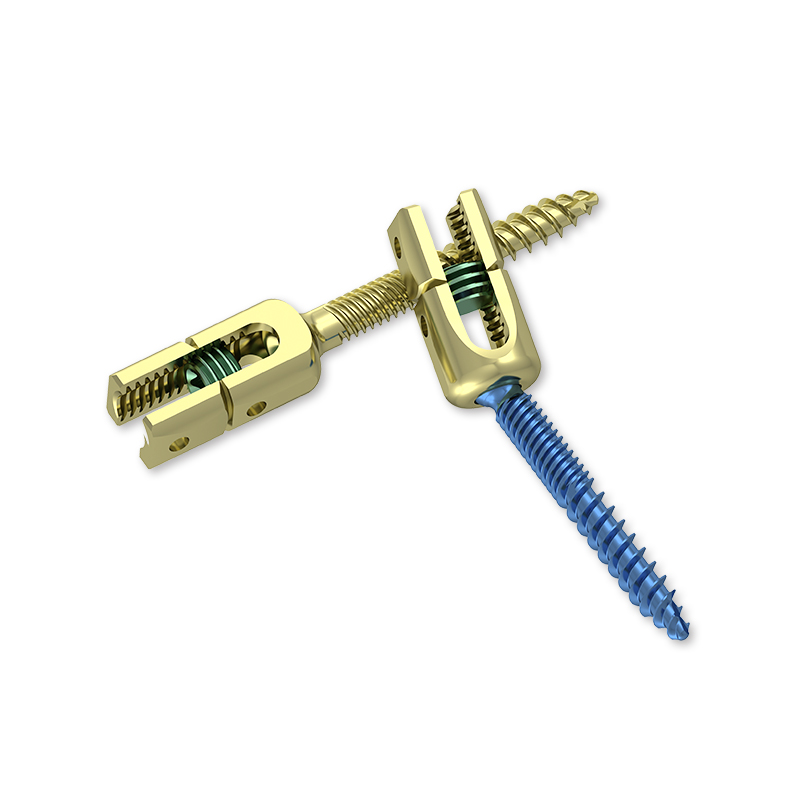
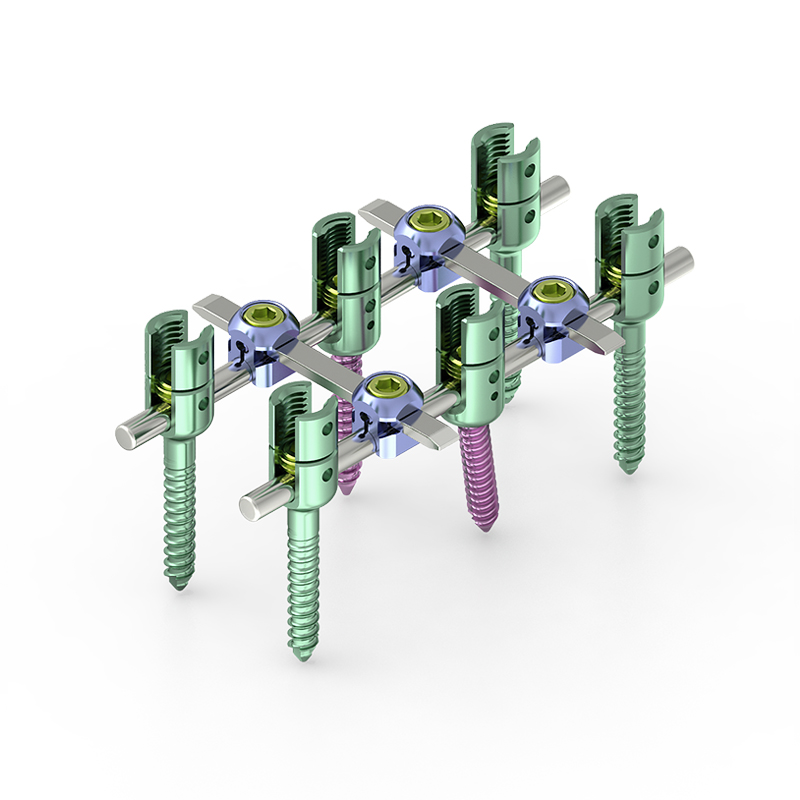
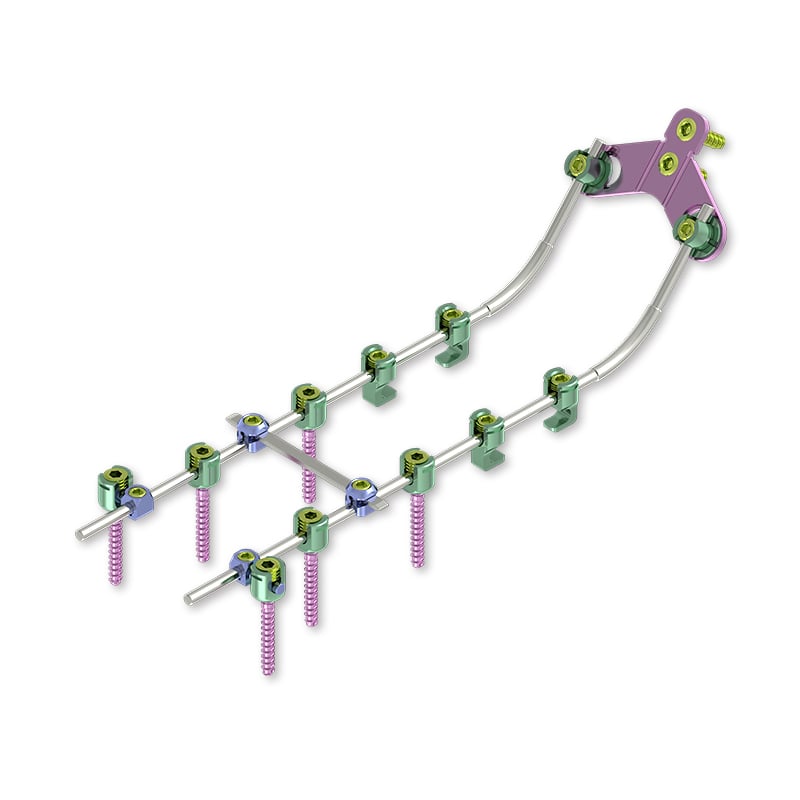
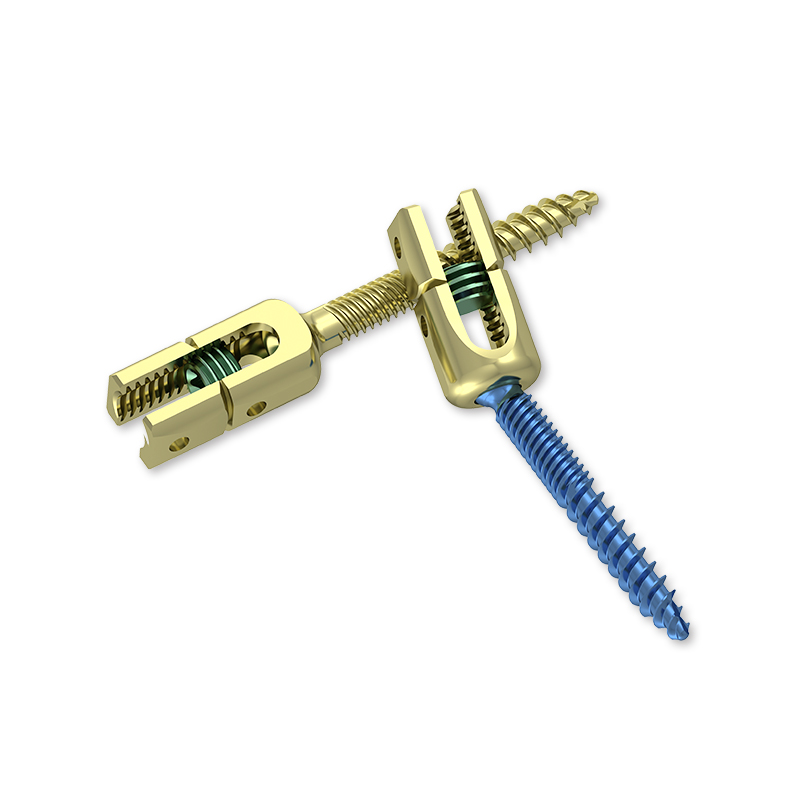
The high strength pedicle screw represents a critical advancement in spinal surgery instrumentation, designed to provide superior fixation and stability during vertebral fusion procedures. This specialized orthopedic implant is engineered to anchor securely into the pedicle portion of the vertebra, creating a robust foundation for spinal stabilization systems. The high strength pedicle screw incorporates advanced metallurgical compositions and precision manufacturing techniques to deliver exceptional biomechanical performance. Its primary function involves connecting spinal rods to vertebrae, forming a rigid construct that immobilizes damaged or unstable spinal segments during the healing process. The technological features of the high strength pedicle screw include enhanced thread design for improved pull-out resistance, optimized core diameter for structural integrity, and biocompatible titanium alloy construction that promotes osseointegration. These screws are available in various lengths and diameters to accommodate different anatomical requirements and patient-specific needs. Clinical applications span degenerative disc disease treatment, spondylolisthesis correction, spinal deformity management, trauma reconstruction, and tumor-related spinal instability. Surgeons rely on the high strength pedicle screw for procedures ranging from single-level fusions to complex multi-level reconstructions. The screw's design facilitates polyaxial or monoaxial rod attachment options, providing surgical flexibility while maintaining fixation strength. With proven clinical outcomes and regulatory approvals, the high strength pedicle screw has become an essential component in modern spinal instrumentation systems worldwide.

New Product Releases

Choosing the high strength pedicle screw delivers multiple practical benefits that directly impact surgical outcomes and patient recovery. The enhanced durability ensures implants withstand physiological loads throughout the fusion process, reducing the risk of hardware failure and revision surgery. This reliability translates to lower overall healthcare costs and improved patient satisfaction. The superior pull-out strength of the high strength pedicle screw allows surgeons to achieve secure fixation even in compromised bone quality situations, such as osteoporotic vertebrae. This capability expands treatment options for elderly patients who previously faced limited surgical choices. The precision-engineered thread patterns facilitate easier insertion while maximizing bone purchase, reducing operative time and minimizing tissue trauma. Shorter surgical duration benefits patients through decreased anesthesia exposure and faster recovery timelines. The biocompatible materials used in the high strength pedicle screw promote natural bone healing around the implant, creating a biological bond that enhances long-term stability. This osseointegration property supports successful fusion rates and sustained spinal alignment correction. The versatile sizing options enable personalized treatment approaches, ensuring optimal fit across diverse patient anatomies and pathological conditions. Surgeons appreciate the consistent performance characteristics that simplify preoperative planning and intraoperative decision-making. The high strength pedicle screw's proven track record in clinical studies provides confidence for both medical professionals and patients considering spinal surgery. The standardized instrumentation systems compatible with these screws streamline surgical workflow and reduce learning curves for operating room teams. Long-term follow-up data demonstrates excellent survivorship rates, confirming that investments in quality spinal implants yield sustained therapeutic value. The reduced complication rates associated with the high strength pedicle screw contribute to better functional outcomes and improved quality of life for patients undergoing spinal reconstruction procedures.

Latest News

What Are the Main Types of Orthopedic Implants Used in Trauma Surgery?

02

Jun

What Are the Main Types of Orthopedic Implants Used in Trauma Surgery?

When a patient sustains a serious bone fracture or joint injury, the goal of trauma surgery is to restore stability, alignment, and function as efficiently and safely as possible. Central to achieving that goal are orthopedic implants — precisi...
View More
How to Choose the Right Pedicle Screw Size for Lumbar Fusion Procedures?

02

Jun

How to Choose the Right Pedicle Screw Size for Lumbar Fusion Procedures?

Selecting the correct pedicle screw size for lumbar fusion procedures is one of the most consequential decisions a spine surgeon makes during operative planning. The diameter, length, and thread design of each pedicle screw directly influence fixatio...
View More
How Does Spinal Screw Improve Outcomes in Scoliosis Correction Surgery?

06

Jul

How Does Spinal Screw Improve Outcomes in Scoliosis Correction Surgery?

Scoliosis correction surgery is one of the most technically demanding procedures in spinal care, requiring precise instrumentation to restore alignment and maintain long-term stability. At the center of modern surgical technique, the spinal screw has...
View More
What Are the Differences Between Spinal Screw and Pedicle Screw Systems?

06

Jul

What Are the Differences Between Spinal Screw and Pedicle Screw Systems?

When evaluating spinal implant instrumentation, one of the most common points of confusion is the distinction between a general spinal screw and a pedicle screw system. Both are used in spinal surgery, but they differ significantly in anatomy, biomec...
View More

Get a Free Quote

Our representative will contact you soon.
Email
Name
Company Name
Message
0/1000

high strength pedicle screw

Advanced Material Engineering for Maximum Durability

Advanced Material Engineering for Maximum Durability

The high strength pedicle screw utilizes aerospace-grade titanium alloys that undergo specialized heat treatment processes to achieve exceptional mechanical properties. This advanced material engineering ensures the implant can withstand cyclic loading forces encountered during daily activities without experiencing fatigue failure or deformation. The carefully controlled manufacturing process creates a microstructure that balances strength with flexibility, preventing brittle fracture while maintaining rigid fixation. The corrosion-resistant surface finish protects against bodily fluid exposure, ensuring long-term implant integrity. These material advantages become particularly important in dynamic spinal segments where repetitive motion generates sustained stress on fixation hardware. The enhanced yield strength allows for thinner screw profiles without compromising load-bearing capacity, reducing the invasiveness of implantation while preserving structural performance. Patients benefit from implants that maintain their fixation properties throughout the extended healing period required for solid bony fusion. The biocompatibility of these advanced alloys minimizes inflammatory responses and supports favorable tissue integration. Surgeons can confidently apply the high strength pedicle screw in demanding clinical scenarios, knowing the material properties provide a safety margin against unexpected loading conditions or patient non-compliance with activity restrictions.
Optimized Thread Geometry for Superior Fixation

Optimized Thread Geometry for Superior Fixation

The thread design of the high strength pedicle screw incorporates cutting-edge biomechanical principles to maximize bone engagement and resistance to pull-out forces. The variable pitch thread pattern increases surface area contact with cancellous bone while facilitating self-tapping insertion that preserves surrounding bone structure. This intelligent geometry reduces insertion torque requirements, decreasing the risk of pedicle fracture during implantation. The thread depth and flank angle are precisely calculated to distribute stress evenly across the bone-implant interface, preventing localized stress concentrations that could lead to bone resorption or screw loosening. The high strength pedicle screw's thread configuration also creates microchannels that promote bone ingrowth, accelerating the biological fixation process. In osteoporotic bone, the enhanced thread engagement compensates for reduced bone density, maintaining adequate purchase strength. The tip geometry features a sharp cutting edge that enables accurate trajectory control during insertion, critical for avoiding neural or vascular structures in the spinal canal. Surgeons experience improved tactile feedback during screw placement, allowing real-time assessment of fixation quality. The optimized thread design of the high strength pedicle screw represents years of research and clinical validation, resulting in a product that addresses the complex biomechanical challenges of spinal fixation.
Versatile Surgical Applications Across Spinal Pathologies

Versatile Surgical Applications Across Spinal Pathologies

The high strength pedicle screw system demonstrates remarkable adaptability across a wide spectrum of spinal conditions and surgical approaches. From minimally invasive percutaneous techniques to open posterior fusion procedures, these screws integrate seamlessly into various surgical workflows. The comprehensive size matrix accommodates pediatric to adult anatomies and addresses pathologies from cervical through lumbosacral regions. In deformity correction surgeries, the high strength pedicle screw provides the robust anchorage necessary to apply corrective forces while maintaining vertebral alignment throughout the healing process. Trauma cases benefit from the rapid fixation capabilities that stabilize fractures and prevent neurological deterioration. Revision surgery scenarios, where bone quality may be compromised from previous instrumentation, particularly demand the enhanced fixation characteristics of the high strength pedicle screw. The polyaxial head options allow rod placement at variable angles, accommodating complex anatomical variations and facilitating restoration of sagittal and coronal balance. Surgeons performing hybrid constructs can combine these screws with other fixation modalities, creating customized solutions for challenging clinical presentations. The high strength pedicle screw's proven performance in diverse applications makes it a reliable foundation for surgical planning, reducing uncertainty and supporting predictable outcomes across patient populations with varying anatomical and pathological characteristics.

Get a Free Quote

Our representative will contact you soon.
Email
Name
Company Name
Message
0/1000
Newsletter
Please Leave A Message With Us