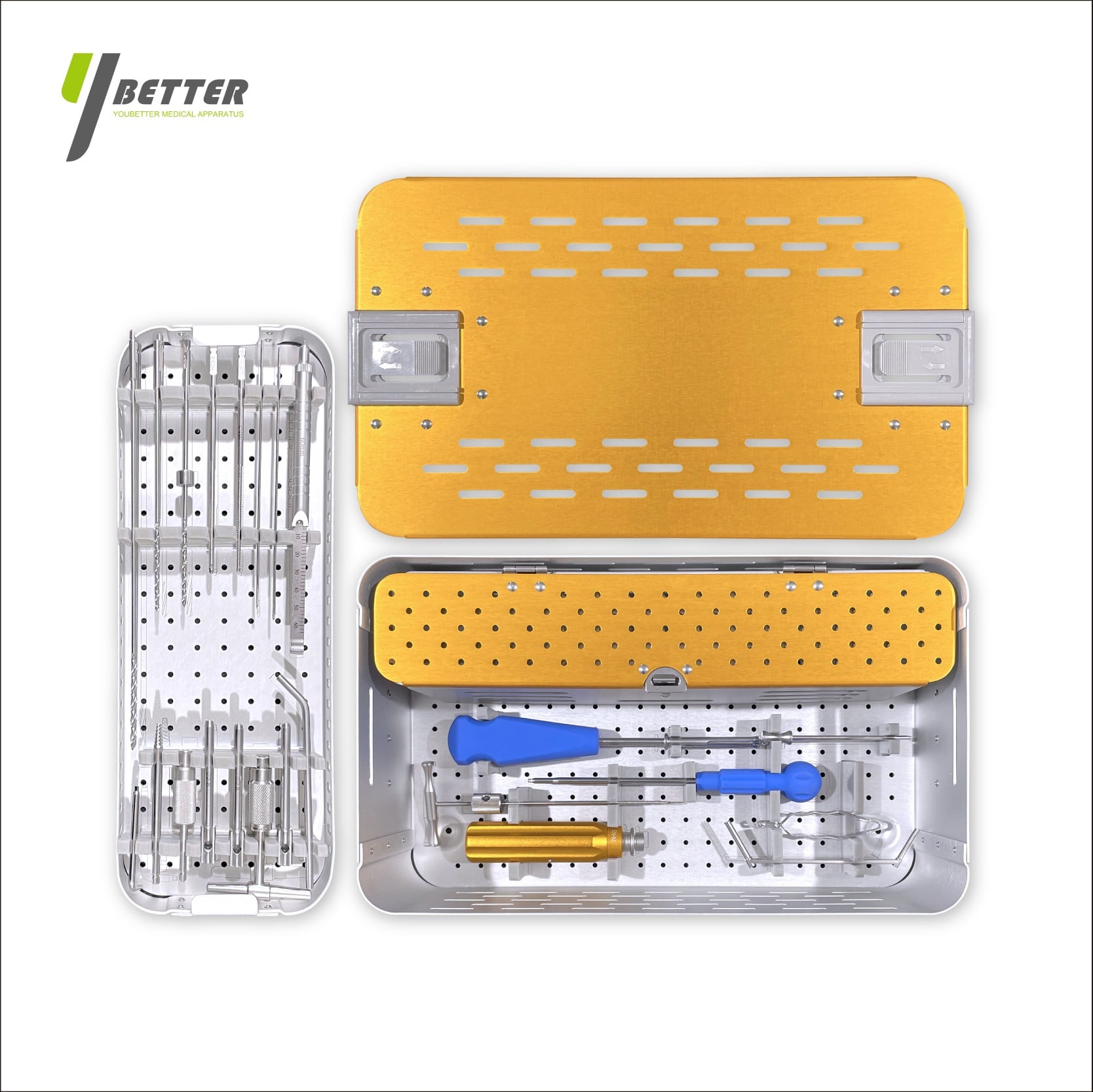
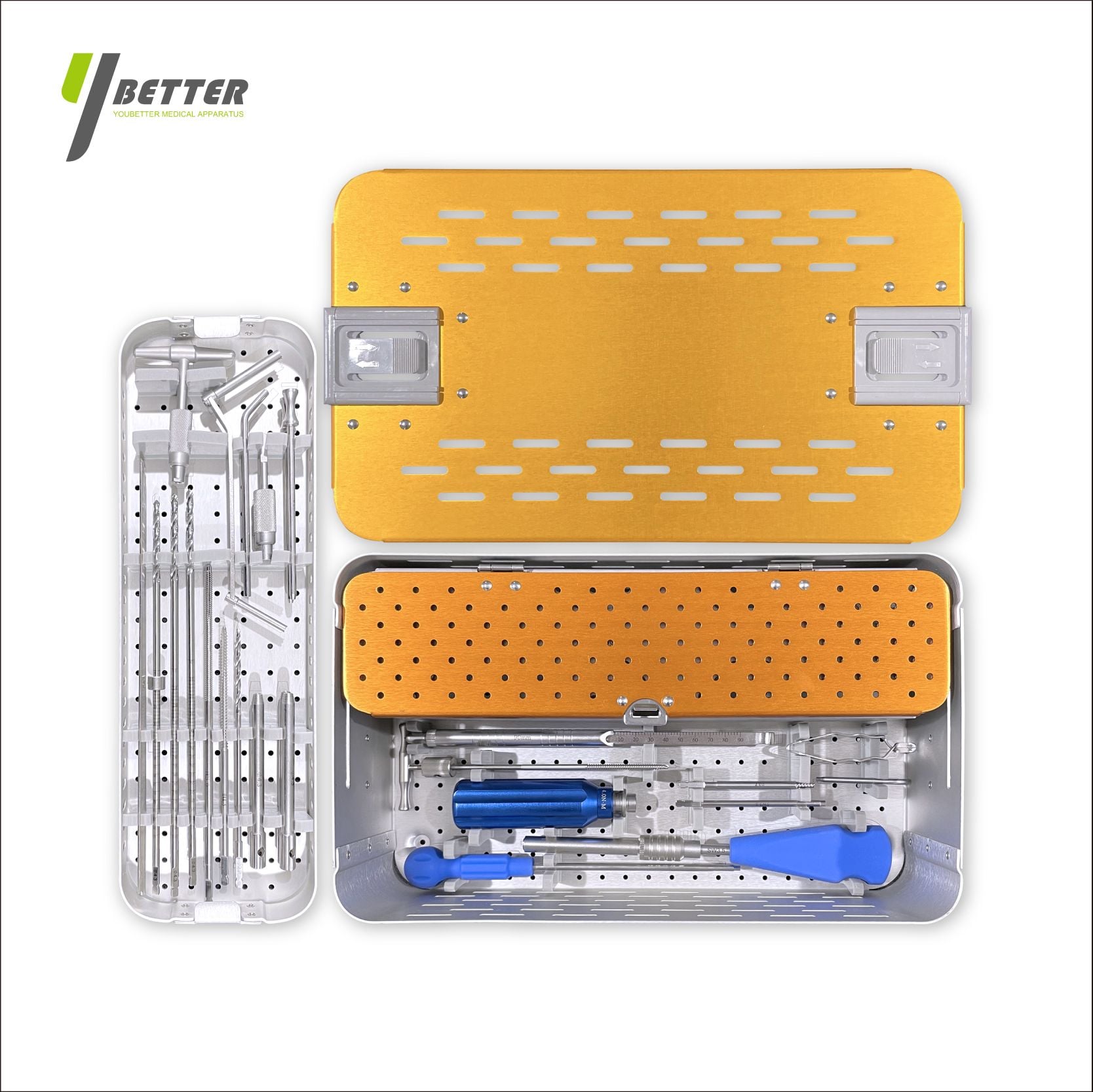
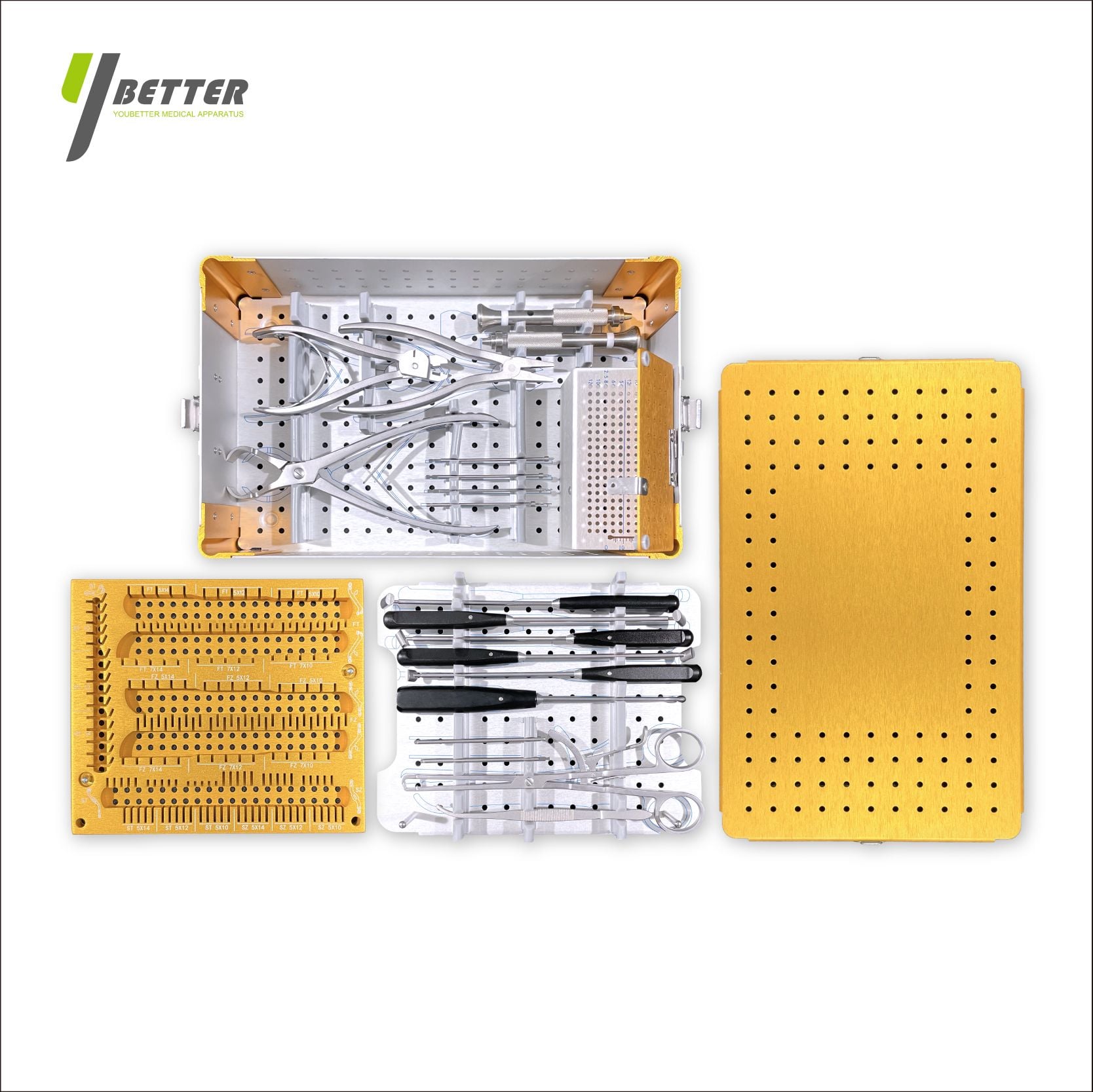
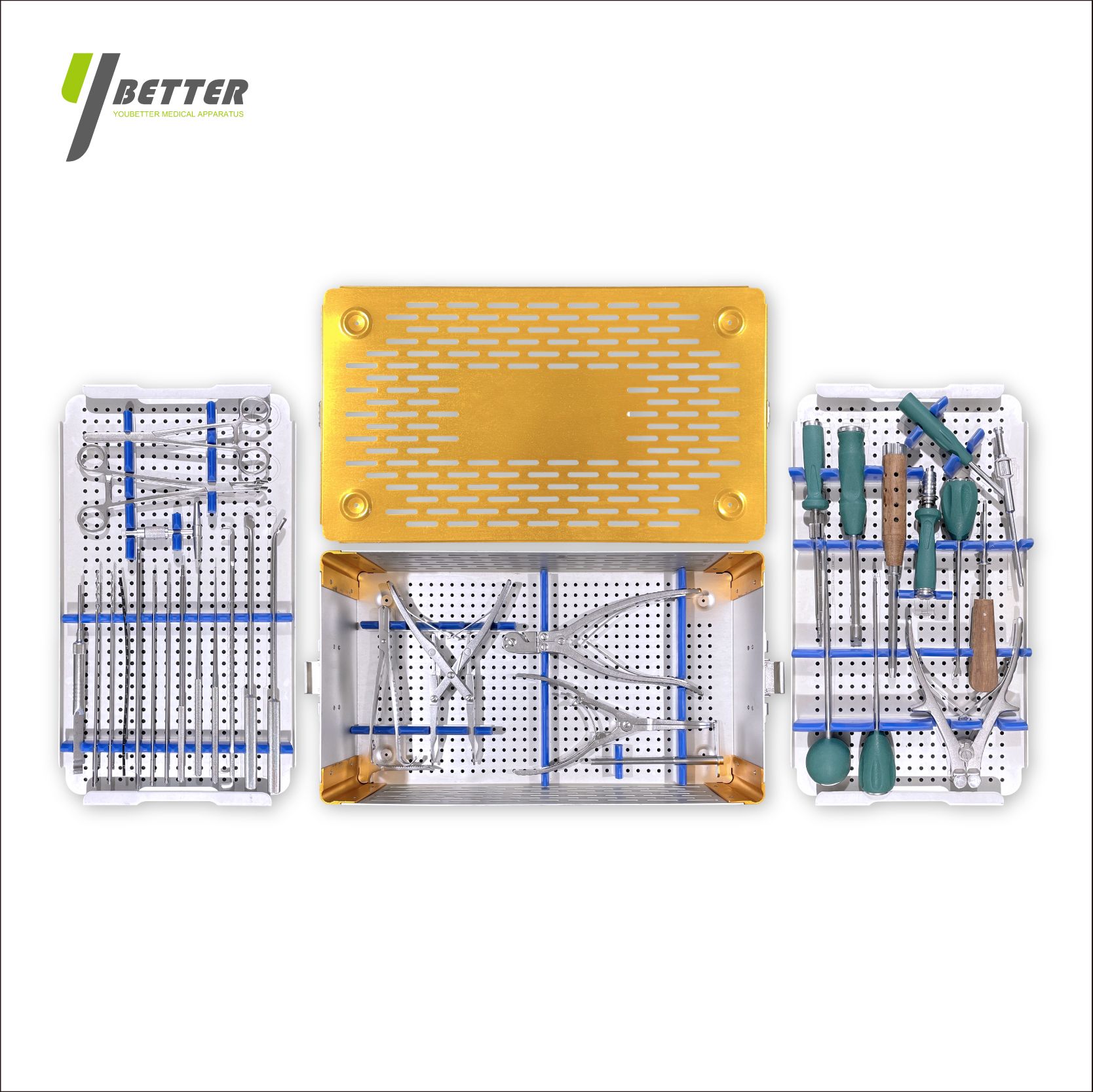
Pedicle Screw Spinal System Solutions

All Categories

Get a Free Quote

Our representative will contact you soon.
Email
Name
Company Name
Message
0/1000

pedicle screw spinal system

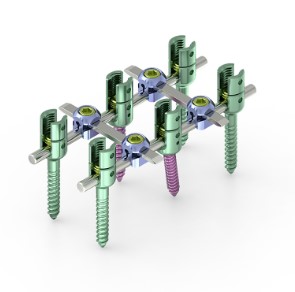
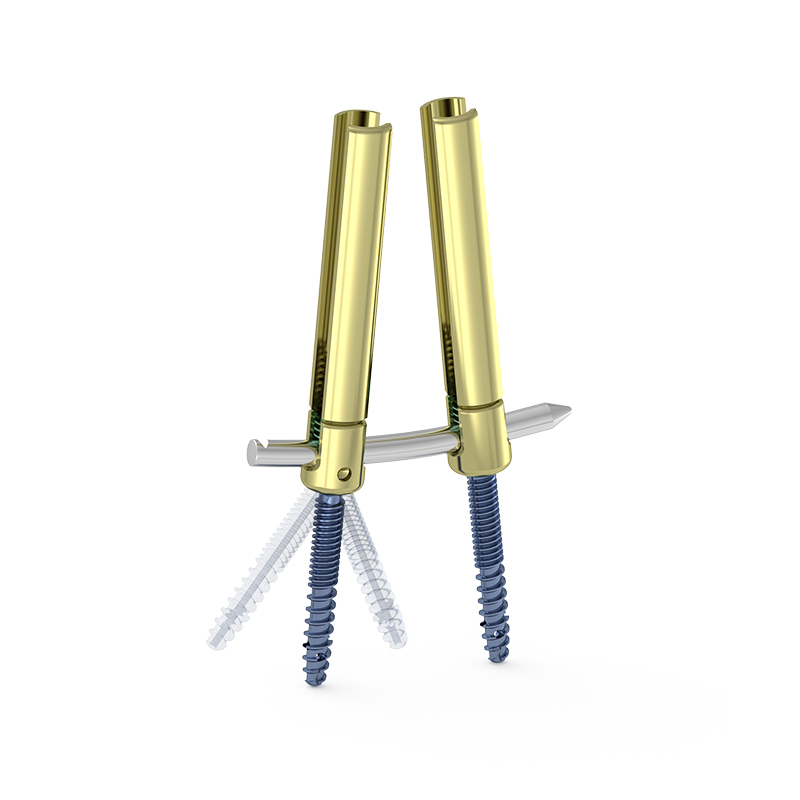
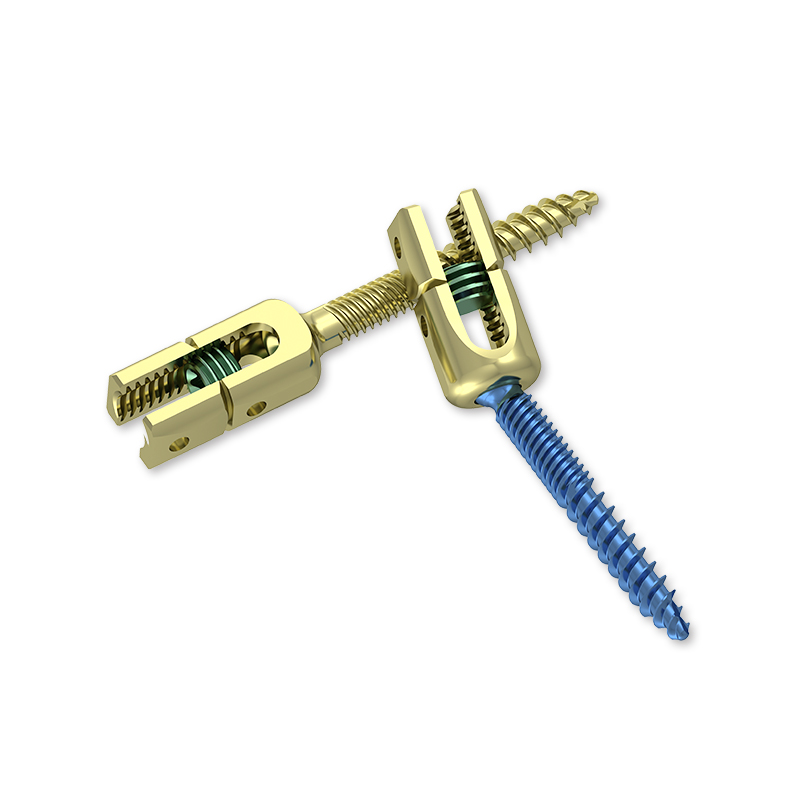
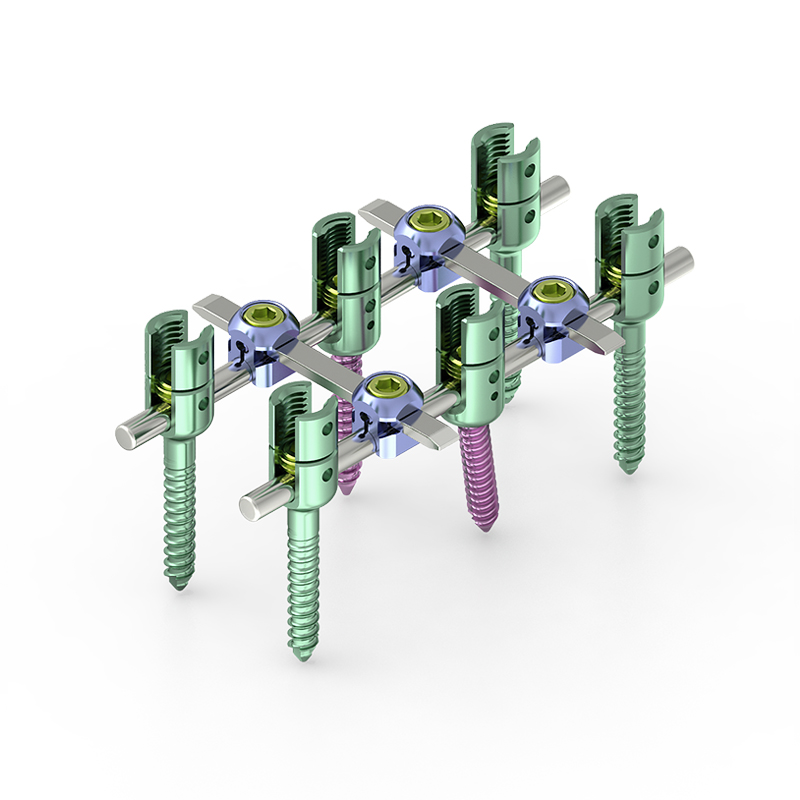
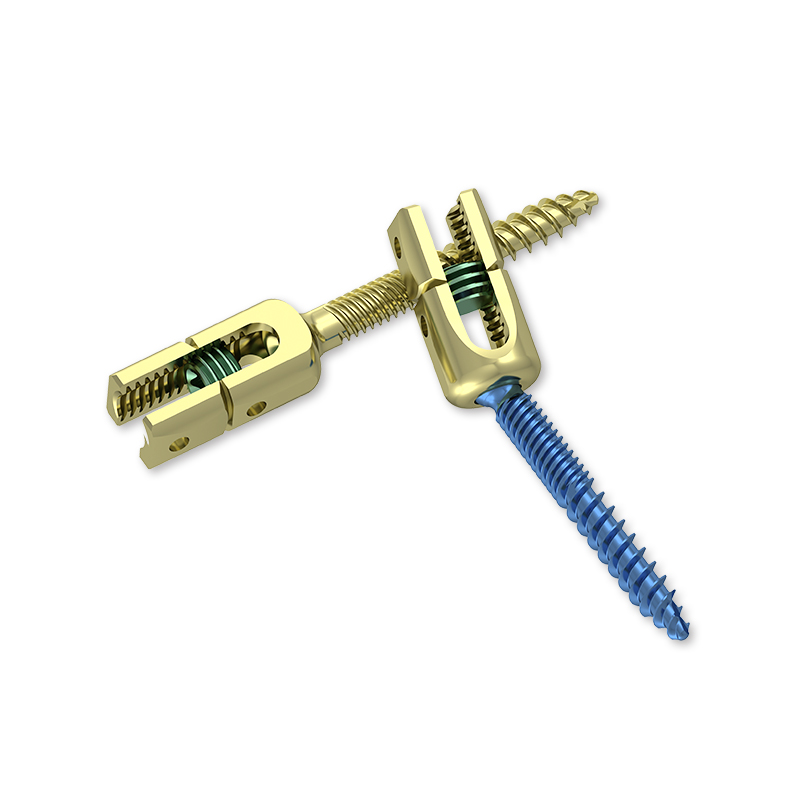
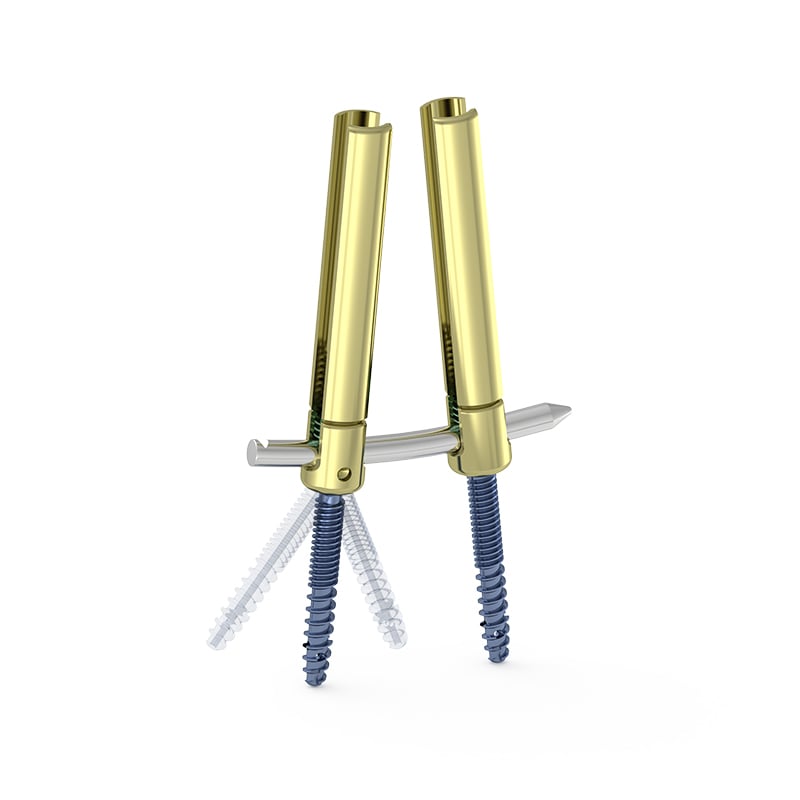
The pedicle screw spinal system represents a sophisticated medical device designed to stabilize and support the spine during surgical procedures addressing various spinal disorders. This advanced system consists of precisely engineered screws that are inserted through the pedicles of vertebrae, connected by rods and other fixation components to create a robust construct that promotes spinal fusion and correction. The pedicle screw spinal system serves as the gold standard for treating conditions including degenerative disc disease, scoliosis, spinal fractures, and spinal instability. Its main functions encompass providing immediate mechanical stability, maintaining proper spinal alignment during the healing process, and facilitating bone fusion across affected spinal segments. The technological features of the pedicle screw spinal system include multi-axial screw heads that allow surgeons flexibility in rod placement, various screw diameters and lengths to accommodate different anatomical variations, and biocompatible materials such as titanium alloy that ensure long-term durability and patient safety. Modern systems incorporate innovative thread designs that maximize purchase in bone, reducing the risk of loosening or failure. Applications of the pedicle screw spinal system extend across multiple spinal regions, from cervical to lumbar segments, making it versatile for treating diverse pathologies. Surgeons utilize this system in both open and minimally invasive approaches, adapting techniques to individual patient needs while maintaining the core benefits of secure fixation and reliable outcomes.

Popular Products

When considering spinal treatment options, the pedicle screw spinal system offers substantial practical benefits that directly impact patient recovery and long-term outcomes. This system provides superior biomechanical stability compared to alternative fixation methods, meaning patients experience better support during the critical healing phase after surgery. The enhanced stability translates to earlier mobilization, allowing individuals to begin rehabilitation sooner and return to daily activities more quickly. From an operational perspective, the pedicle screw spinal system enables surgeons to achieve precise three-dimensional correction of spinal deformities, which is particularly valuable when addressing complex cases involving multiple levels or severe misalignment. The versatility of the system means it can be customized to match individual anatomy, ensuring optimal fit and function for each patient regardless of their specific condition or body structure. Hospitals and surgical centers benefit from the streamlined instrumentation sets that reduce procedure time while maintaining high standards of accuracy and safety. For patients, the modular design of the pedicle screw spinal system means fewer revision surgeries are needed, as the construct maintains its integrity over extended periods. The biocompatible materials minimize the risk of adverse reactions, promoting natural bone growth around the implants and facilitating successful fusion. Decision-makers will appreciate that the pedicle screw spinal system has decades of clinical evidence supporting its effectiveness, with millions of successful procedures documented worldwide. This proven track record provides confidence when selecting treatment approaches, knowing that the technology has been refined through extensive research and real-world application. The system's adaptability across different surgical techniques gives medical teams flexibility to choose the approach best suited to each situation, whether open surgery or minimally invasive methods are most appropriate.

Tips And Tricks

What Are the Main Types of Orthopedic Implants Used in Trauma Surgery?

02

Jun

What Are the Main Types of Orthopedic Implants Used in Trauma Surgery?

When a patient sustains a serious bone fracture or joint injury, the goal of trauma surgery is to restore stability, alignment, and function as efficiently and safely as possible. Central to achieving that goal are orthopedic implants — precisi...
View More
How to Choose the Right Pedicle Screw Size for Lumbar Fusion Procedures?

02

Jun

How to Choose the Right Pedicle Screw Size for Lumbar Fusion Procedures?

Selecting the correct pedicle screw size for lumbar fusion procedures is one of the most consequential decisions a spine surgeon makes during operative planning. The diameter, length, and thread design of each pedicle screw directly influence fixatio...
View More
How Does Spinal Screw Improve Outcomes in Scoliosis Correction Surgery?

06

Jul

How Does Spinal Screw Improve Outcomes in Scoliosis Correction Surgery?

Scoliosis correction surgery is one of the most technically demanding procedures in spinal care, requiring precise instrumentation to restore alignment and maintain long-term stability. At the center of modern surgical technique, the spinal screw has...
View More
What Are the Differences Between Spinal Screw and Pedicle Screw Systems?

06

Jul

What Are the Differences Between Spinal Screw and Pedicle Screw Systems?

When evaluating spinal implant instrumentation, one of the most common points of confusion is the distinction between a general spinal screw and a pedicle screw system. Both are used in spinal surgery, but they differ significantly in anatomy, biomec...
View More

Get a Free Quote

Our representative will contact you soon.
Email
Name
Company Name
Message
0/1000

pedicle screw spinal system

Advanced Multi-Axial Technology for Surgical Precision

Advanced Multi-Axial Technology for Surgical Precision

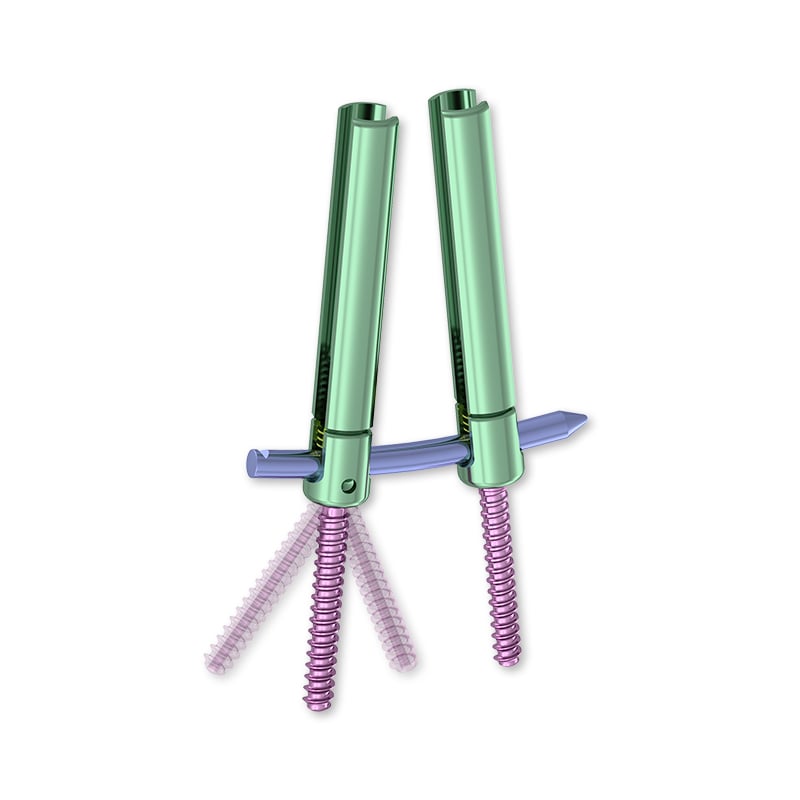
The pedicle screw spinal system incorporates cutting-edge multi-axial screw head technology that revolutionizes surgical precision and adaptability during spinal procedures. This innovative feature allows the connecting rods to be positioned at various angles relative to the screw, accommodating the natural contours and individual variations of each patient's spine. Unlike fixed-angle systems that restrict placement options, the multi-axial capability gives surgeons the freedom to optimize rod trajectory without compromising screw placement accuracy. This flexibility is particularly crucial when treating complex deformities or navigating challenging anatomical situations where standard approaches may be limited. The technology reduces surgical time by eliminating the need for extensive contouring of rods, as the adjustable screw heads compensate for angular differences. Patients benefit from this advancement through smaller incisions, reduced tissue disruption, and more anatomically accurate corrections that preserve natural spinal motion in adjacent segments. The multi-axial design also distributes mechanical loads more evenly across the construct, minimizing stress concentrations that could lead to hardware failure or patient discomfort. This engineering excellence in the pedicle screw spinal system demonstrates how thoughtful design directly translates to improved surgical outcomes and enhanced patient satisfaction.
Comprehensive Size Range for Anatomical Compatibility

Comprehensive Size Range for Anatomical Compatibility

Understanding that every patient presents unique anatomical characteristics, the pedicle screw spinal system offers an extensive range of screw sizes, diameters, and lengths to ensure optimal fit across diverse patient populations. This comprehensive selection enables surgeons to select components that perfectly match the size and density of each vertebral pedicle, from pediatric patients with smaller bone structures to larger adults requiring robust fixation. The availability of multiple diameter options is particularly important for patients with osteoporosis or compromised bone quality, as larger diameter screws can improve purchase and stability in weaker bone. Similarly, the variety of screw lengths allows precise engagement of the anterior vertebral cortex without risking over-penetration that could damage surrounding structures. This customization capability of the pedicle screw spinal system significantly reduces the risk of complications such as screw loosening, pull-out, or fracture during the critical healing period. Medical facilities benefit from having a complete inventory that prepares them for any surgical scenario without delays or compromises. The standardized instrumentation across different sizes streamlines the surgical workflow, as the same insertion tools and techniques apply regardless of which specific screw dimensions are selected, promoting consistency and efficiency in the operating room while maintaining the highest standards of patient care.
Biocompatible Materials Supporting Long-Term Integration

Biocompatible Materials Supporting Long-Term Integration

The pedicle screw spinal system utilizes premium-grade titanium alloy and other biocompatible materials specifically selected for their exceptional strength, corrosion resistance, and ability to integrate harmoniously with human bone tissue. Titanium's unique properties make it the ideal choice for permanent spinal implants, as it combines the mechanical robustness necessary to withstand daily biomechanical loads with a low elastic modulus that reduces stress shielding effects on surrounding bone. This material compatibility encourages natural bone growth directly onto and around the implant surfaces, a process known as osseointegration that enhances long-term stability and reduces the likelihood of loosening over time. Patients with metal sensitivities can often tolerate titanium implants without adverse reactions, broadening the applicability of the pedicle screw spinal system to a wider patient population. The corrosion-resistant nature of these materials ensures that the implants maintain their structural integrity throughout the patient's lifetime, eliminating concerns about degradation or metal ion release that could trigger inflammatory responses. Advanced surface treatments applied to the screws further promote bone bonding while inhibiting bacterial adhesion, contributing to lower infection rates. The material science behind the pedicle screw spinal system represents a critical factor in achieving successful fusion outcomes and patient satisfaction, demonstrating how quality materials directly influence clinical success.

Get a Free Quote

Our representative will contact you soon.
Email
Name
Company Name
Message
0/1000
Newsletter
Please Leave A Message With Us