polyaxial vs monoaxial pedicle screw
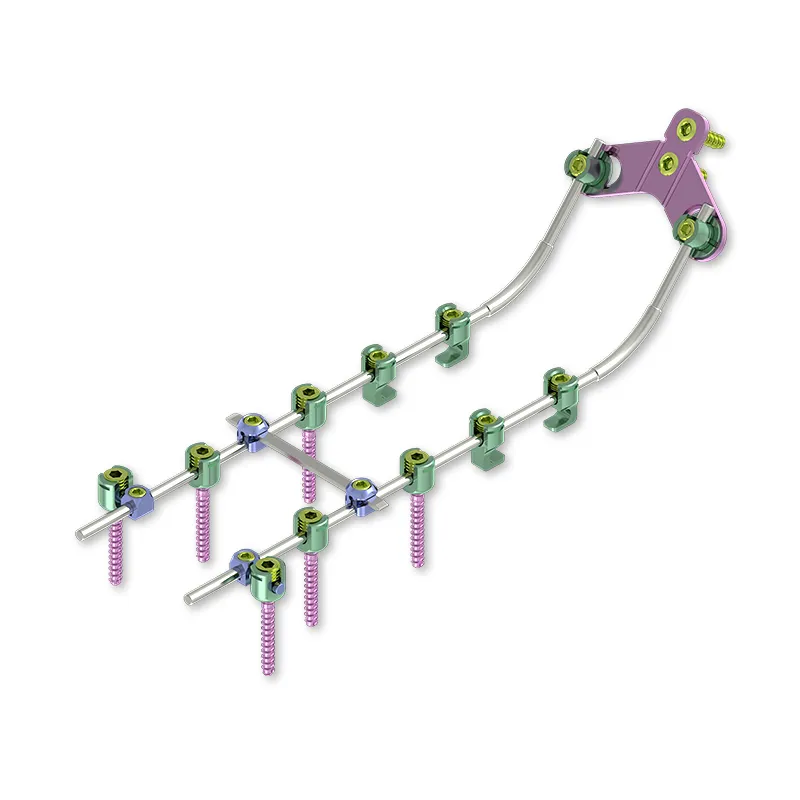
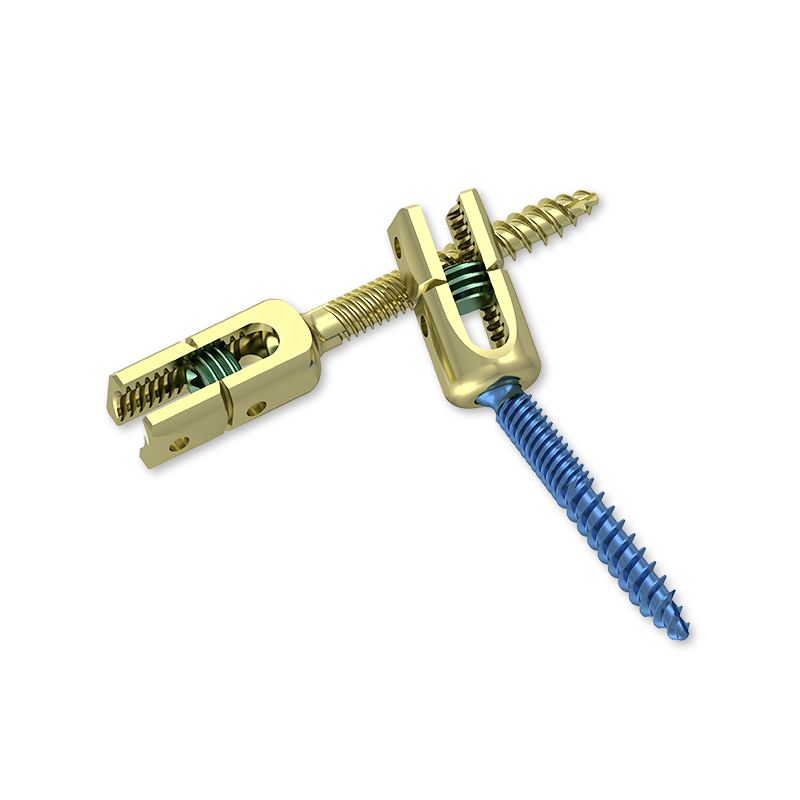
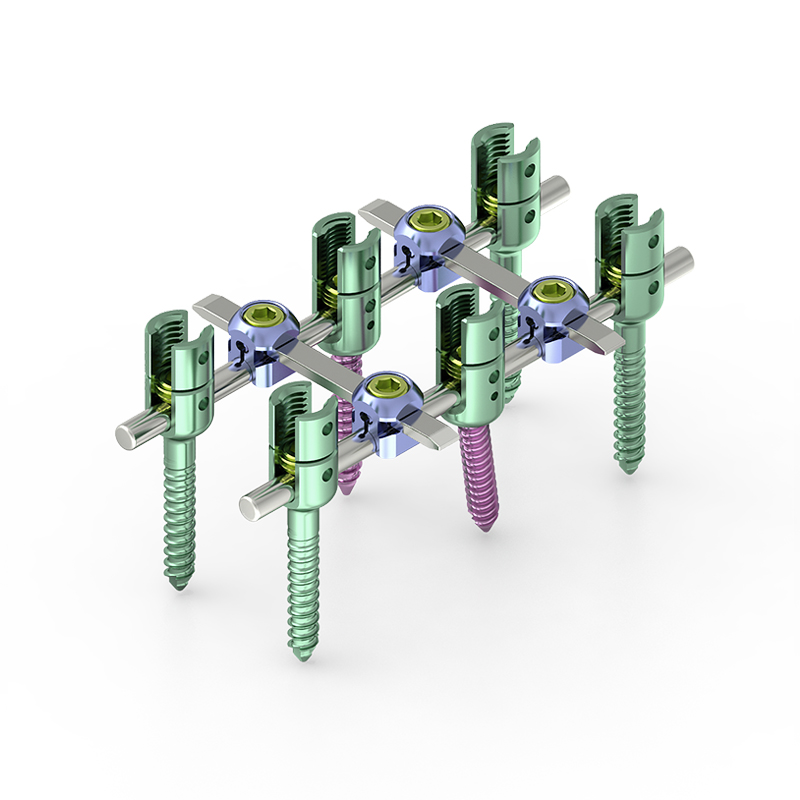
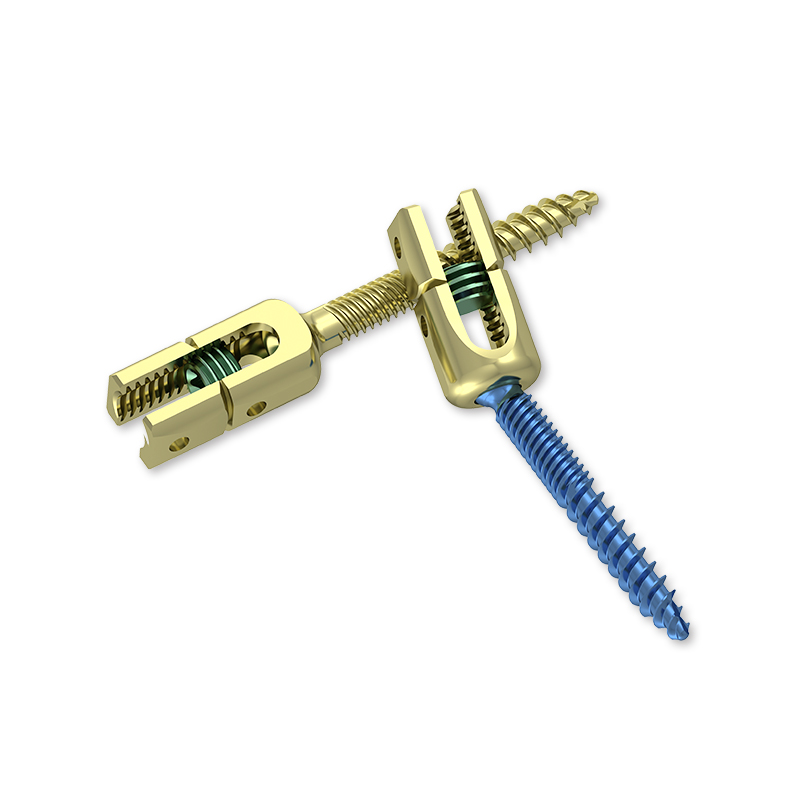
Understanding the differences between polyaxial vs monoaxial pedicle screw systems is essential for spine surgeons and healthcare facilities making informed decisions about spinal instrumentation. Pedicle screws serve as anchoring devices in spinal fusion procedures, providing stable fixation to correct deformities, stabilize fractures, and treat degenerative conditions. The primary distinction lies in their mechanical design and range of motion capabilities. Monoaxial pedicle screws feature a fixed head design where the screw and rod connection angle cannot be adjusted after insertion, offering rigid fixation in a predetermined trajectory. This fixed-angle design provides maximum stability but requires precise placement during surgery. Conversely, polyaxial pedicle screws incorporate a ball-and-socket mechanism that allows multi-directional angulation of the screw head, typically ranging from 25 to 40 degrees in multiple planes. This adjustability enables surgeons to accommodate anatomical variations and achieve optimal rod placement even when screw trajectories vary. The polyaxial vs monoaxial pedicle screw decision significantly impacts surgical workflow, procedural complexity, and patient outcomes. Technological advances have enhanced both designs with features like self-tapping threads, cannulated options for guidewire insertion, and low-profile heads to minimize soft tissue irritation. Applications span various spinal pathologies including scoliosis correction, spondylolisthesis stabilization, trauma reconstruction, and multi-level fusion procedures. Choosing between polyaxial vs monoaxial pedicle screw systems depends on surgical approach, spinal anatomy, correction requirements, and surgeon preference, with each offering distinct advantages for specific clinical scenarios.

 EN
EN