Pedicle Screw System: Advanced Spinal Fixation

All Categories

Get a Free Quote

Our representative will contact you soon.
Email
Name
Company Name
Message
0/1000

pedicle screw system

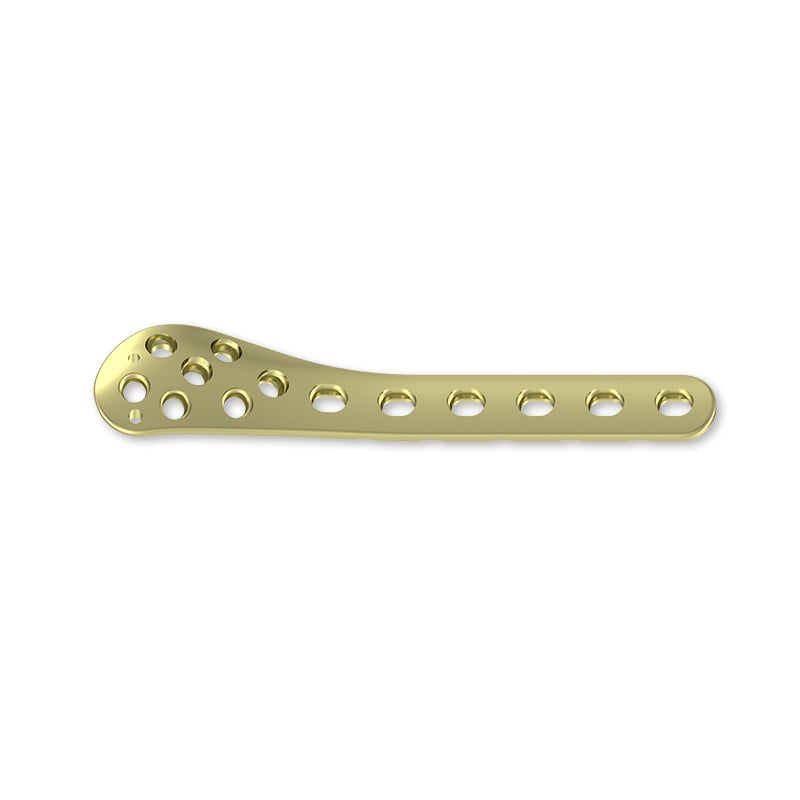
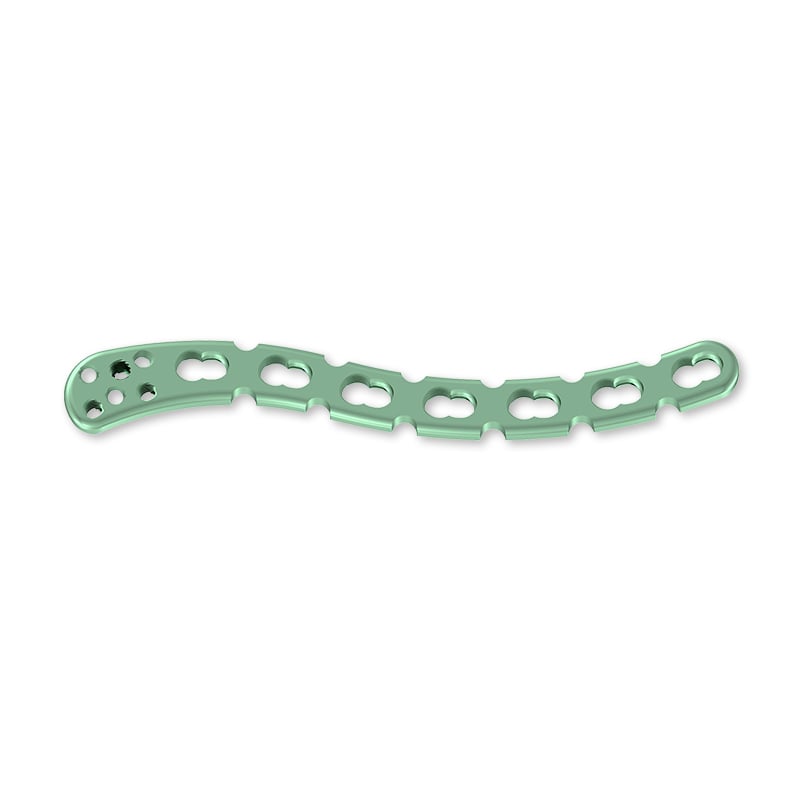
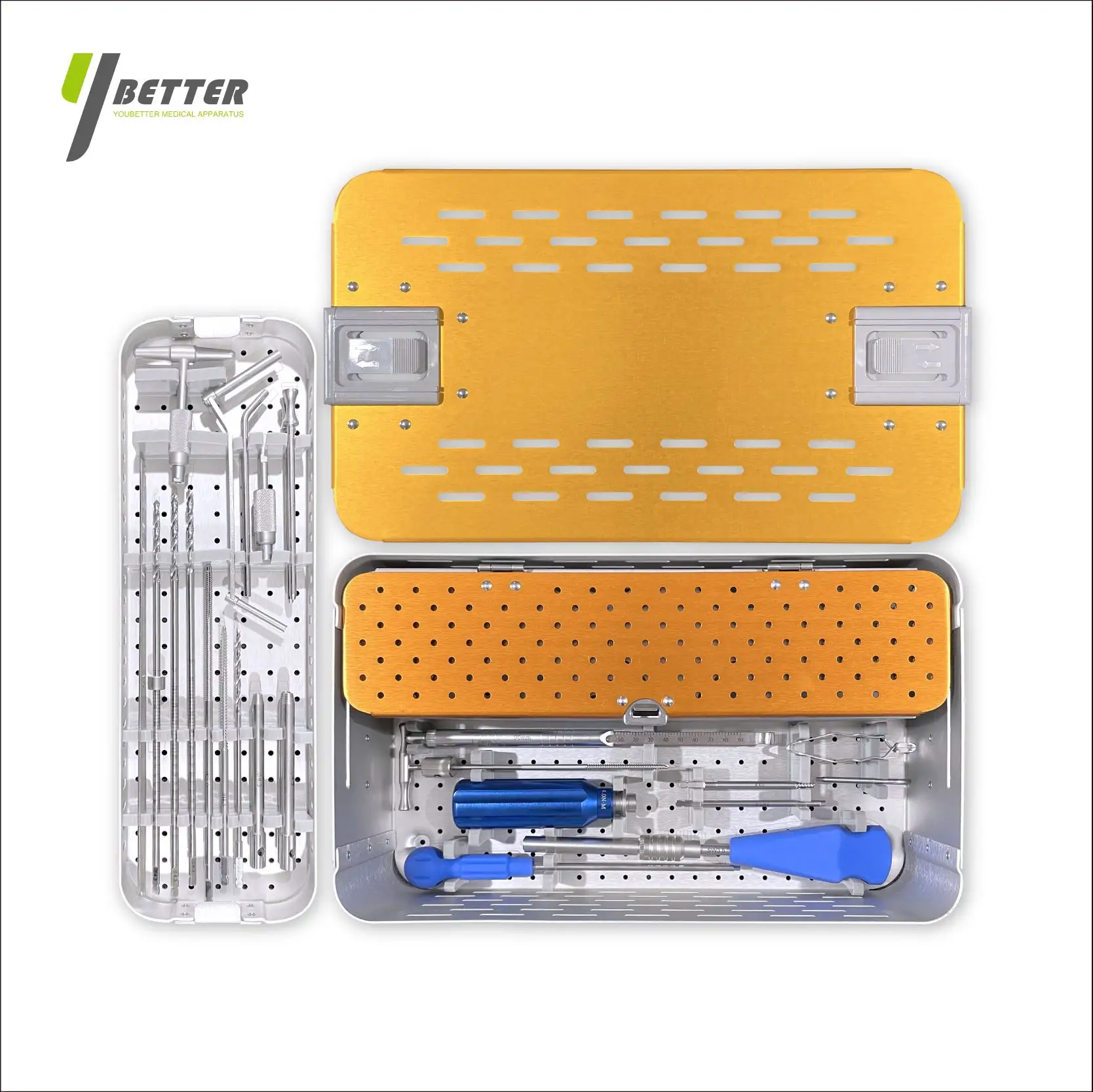
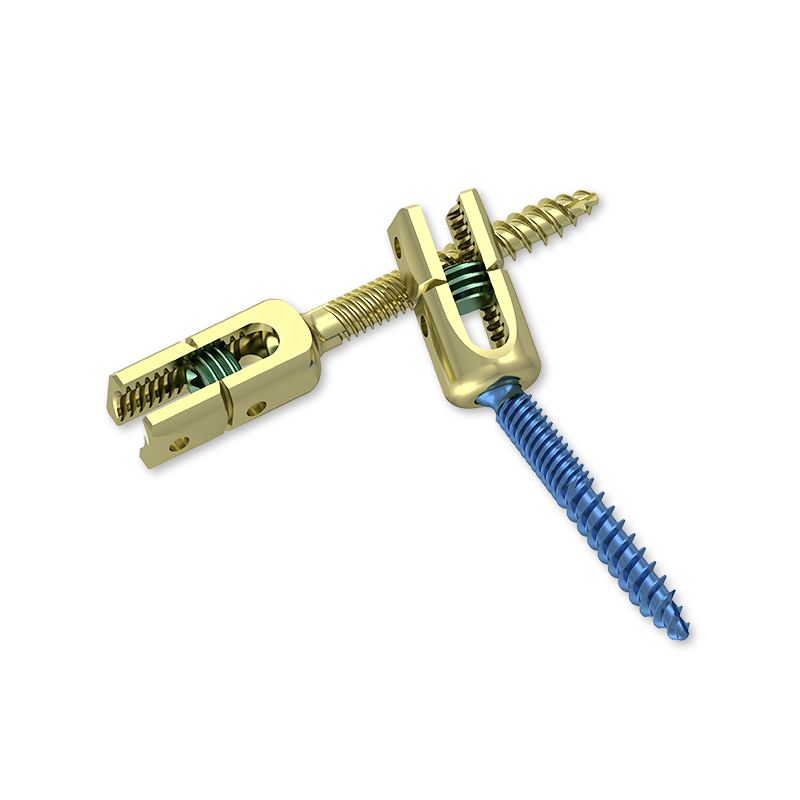
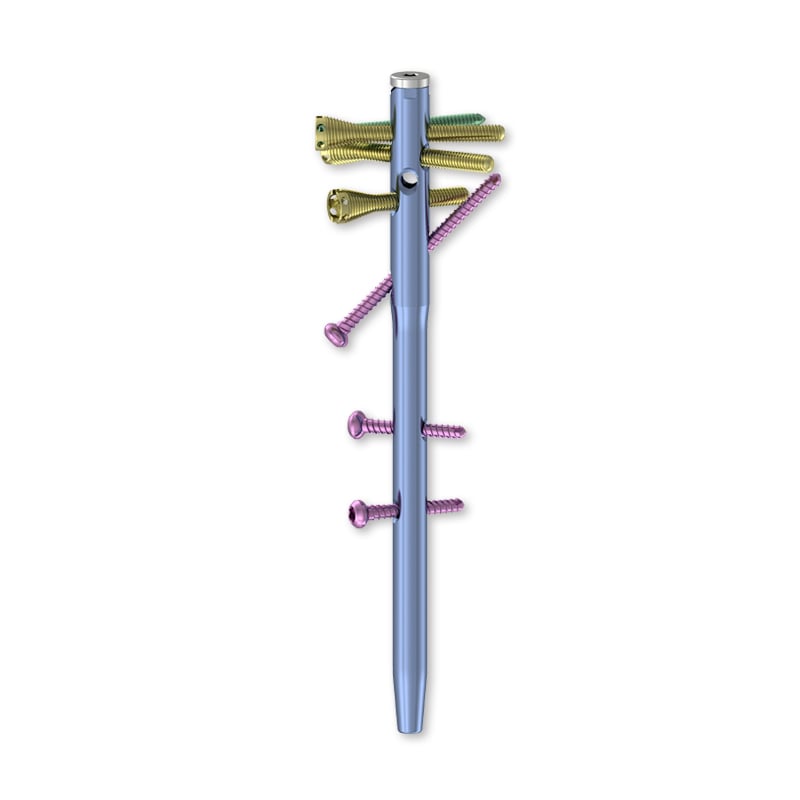
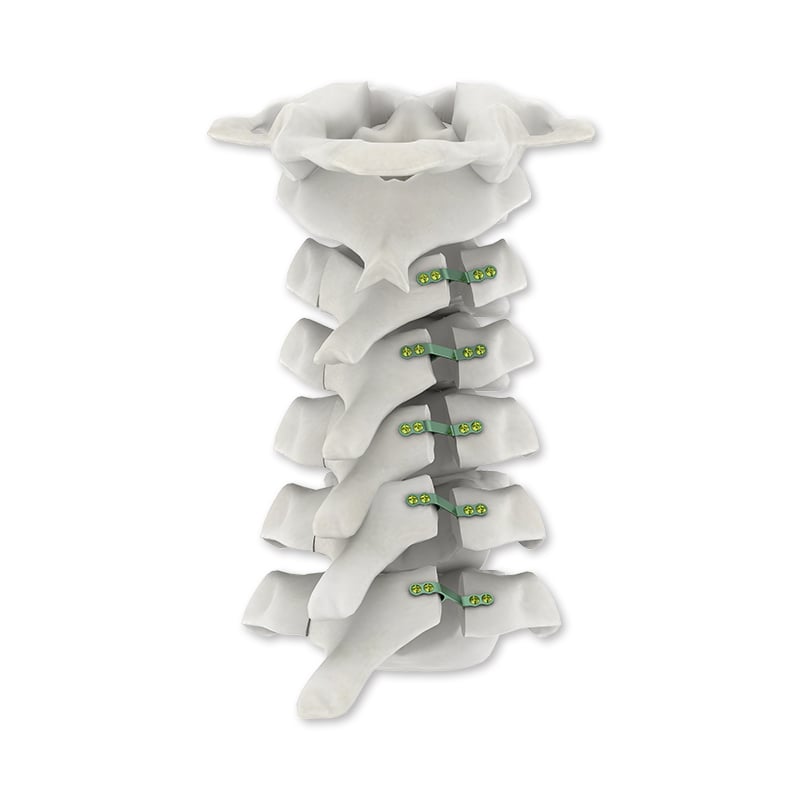
The pedicle screw system represents a revolutionary advancement in spinal surgery, designed to provide robust stabilization and correction for various spinal conditions. This sophisticated surgical solution consists of precision-engineered screws that are inserted through the pedicles of vertebrae, connected by rods to create a stable framework that supports the spine during healing. The pedicle screw system has become the gold standard in spinal fusion procedures, offering surgeons unparalleled control and fixation strength. Its main functions include correcting spinal deformities, stabilizing fractured vertebrae, and facilitating bone fusion in degenerative conditions. The technological features of the pedicle screw system incorporate advanced materials such as titanium alloys and stainless steel, ensuring biocompatibility and long-term durability. Modern designs feature anatomically contoured screw heads, polyaxial connections that allow multi-directional adjustment, and self-tapping threads for easier insertion. Applications span a wide range of spinal pathologies including scoliosis correction, spondylolisthesis treatment, traumatic spine injuries, degenerative disc disease, and spinal tumor stabilization. The pedicle screw system enables minimally invasive surgical approaches through percutaneous techniques, reducing tissue damage and accelerating patient recovery. With continuous innovations in screw design, instrumentation, and surgical navigation technologies, the pedicle screw system continues to evolve, offering enhanced safety profiles and improved clinical outcomes for patients requiring spinal stabilization across thoracic, lumbar, and sacral regions.

New Products

The pedicle screw system delivers exceptional value through its superior biomechanical stability, which translates directly into better patient outcomes and reduced revision surgery rates. For healthcare facilities, this reliability means fewer complications and enhanced reputation for surgical excellence. The three-column fixation capability provides surgeons with the strongest possible anchor point in the vertebra, enabling successful treatment of even the most challenging spinal conditions. Patients benefit from faster mobilization after surgery because the robust fixation allows earlier weight-bearing and physical activity, shortening hospital stays and reducing overall healthcare costs. The versatility of the pedicle screw system makes it suitable for diverse applications, from simple single-level fusions to complex multi-level reconstructions, eliminating the need for multiple inventory systems. Modern systems feature intuitive instrumentation that streamlines surgical workflow, reducing operating room time and associated expenses while minimizing patient exposure to anesthesia. The modular design allows surgeons to customize constructs intraoperatively, adapting to individual patient anatomy without compromise. Minimally invasive options within the pedicle screw system portfolio enable smaller incisions, less muscle disruption, and significantly reduced postoperative pain, leading to higher patient satisfaction scores. The proven track record spanning decades demonstrates consistent fusion rates exceeding traditional methods, giving decision-makers confidence in long-term performance. Enhanced imaging compatibility ensures clear visualization during postoperative monitoring, facilitating accurate assessment of fusion progress. For purchasing managers, the comprehensive nature of the pedicle screw system reduces vendor complexity while the widespread adoption means readily available training resources and technical support, ensuring smooth implementation and sustained surgical team competence.

Practical Tips

How Do Pedicle Screw Systems Support Scoliosis Correction Surgery?

02

Jun

How Do Pedicle Screw Systems Support Scoliosis Correction Surgery?

Scoliosis correction surgery is one of the most technically demanding procedures in modern spinal orthopedics. The ability to realign a severely curved spine, restore sagittal balance, and maintain long-term structural integrity depends heavily on th...
View More
How Does Pedicle Screw Design Enhance Pullout Strength and Stability?

02

Jun

How Does Pedicle Screw Design Enhance Pullout Strength and Stability?

In modern spinal surgery, fixation reliability is not a secondary consideration — it is the foundation upon which patient outcomes are built. The pedicle screw has become the cornerstone of posterior spinal instrumentation, offering surgeons a ...
View More
How to Choose the Right Pedicle Screw Size for Lumbar Fusion Procedures?

02

Jun

How to Choose the Right Pedicle Screw Size for Lumbar Fusion Procedures?

Selecting the correct pedicle screw size for lumbar fusion procedures is one of the most consequential decisions a spine surgeon makes during operative planning. The diameter, length, and thread design of each pedicle screw directly influence fixatio...
View More
Why Is Accurate Spinal Screw Placement Crucial for Patient Safety?

06

Jul

Why Is Accurate Spinal Screw Placement Crucial for Patient Safety?

Pedicle screw placement is one of the most technically demanding steps in spinal surgery. When a surgeon positions each screw with precision, the entire construct gains stability, and the patient's recovery is protected from preventable complications...
View More

Get a Free Quote

Our representative will contact you soon.
Email
Name
Company Name
Message
0/1000

pedicle screw system

Advanced Polyaxial Screw Head Technology

Advanced Polyaxial Screw Head Technology

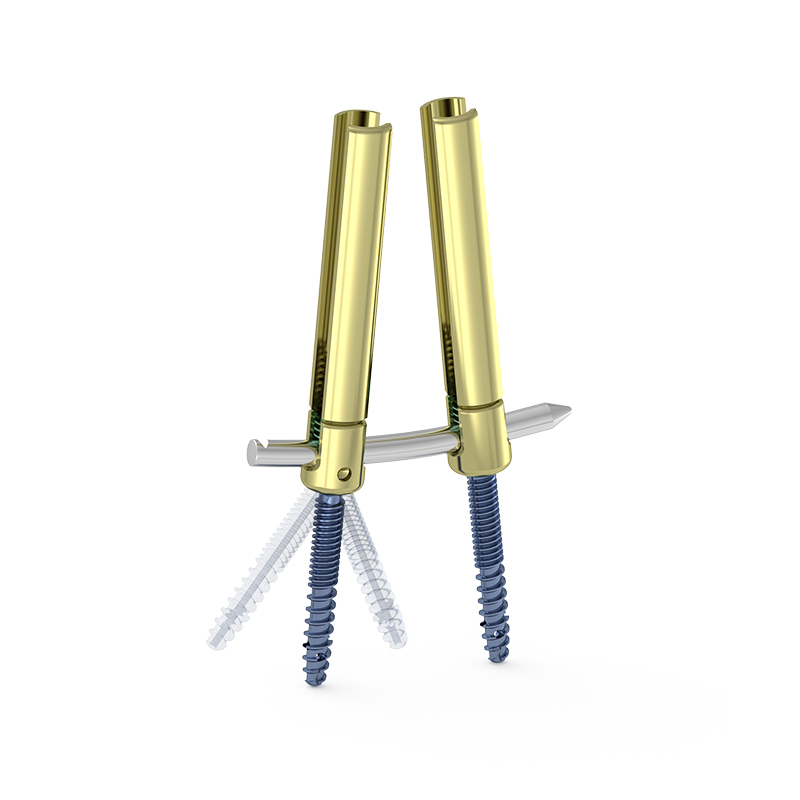
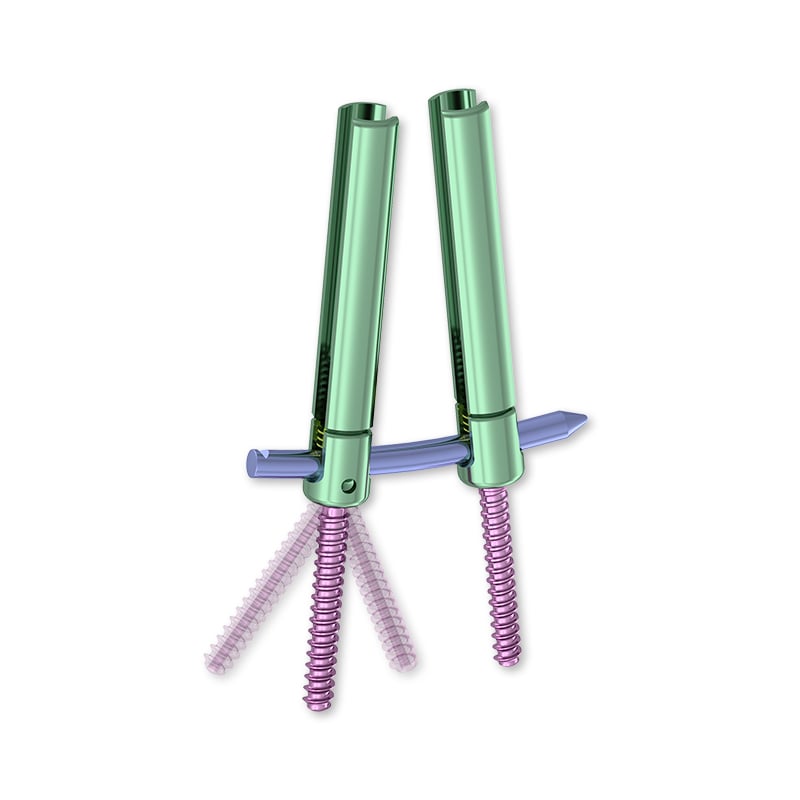
The polyaxial capability represents one of the most significant innovations in the pedicle screw system, offering surgeons unprecedented flexibility during spinal reconstruction procedures. Unlike fixed-angle screws, polyaxial designs allow the screw head to pivot in multiple directions after insertion, accommodating anatomical variations and facilitating rod placement even in challenging spinal alignments. This adaptability is crucial when treating complex deformities or managing cases where vertebral anatomy deviates from standard parameters. The freedom of movement provided by polyaxial mechanisms reduces the need for screw repositioning, minimizing bone damage and surgical trauma. For surgical teams, this translates to shorter procedure times and reduced technical difficulty, particularly in revision surgeries where anatomy may be distorted. The locking mechanism in modern polyaxial pedicle screw systems ensures that once the rod is seated and the set screw tightened, the construct achieves rigid fixation comparable to monoaxial designs. This combination of intraoperative flexibility and postoperative stability represents optimal engineering, delivering both surgical convenience and biomechanical performance that supports successful fusion outcomes across diverse patient populations.
Minimally Invasive Percutaneous Delivery Options

Minimally Invasive Percutaneous Delivery Options

The evolution of the pedicle screw system to include minimally invasive percutaneous techniques has transformed spinal surgery by dramatically reducing surgical morbidity while maintaining fixation strength. Percutaneous pedicle screw systems utilize specialized instrumentation that allows screws to be placed through small skin incisions, preserving the paraspinal muscles that traditional open approaches would divide. This muscle-sparing technique results in significantly less postoperative pain, reduced blood loss, and faster functional recovery for patients. Clinical evidence demonstrates that patients treated with percutaneous pedicle screw systems often mobilize within hours of surgery and experience shorter hospital stays compared to traditional open procedures. The technological sophistication includes cannulated screws that slide over guide wires, ensuring accurate trajectory even through minimal access points. Fluoroscopic guidance or navigation integration provides real-time visualization, enhancing placement accuracy and safety. For healthcare providers, the reduced tissue trauma translates to lower infection rates and decreased need for pain medication, improving patient satisfaction metrics while reducing overall treatment costs. The minimally invasive pedicle screw system approach is particularly valuable for elderly patients or those with medical comorbidities who may not tolerate extensive open surgery well.
Comprehensive Construct Modularity and Compatibility

Comprehensive Construct Modularity and Compatibility

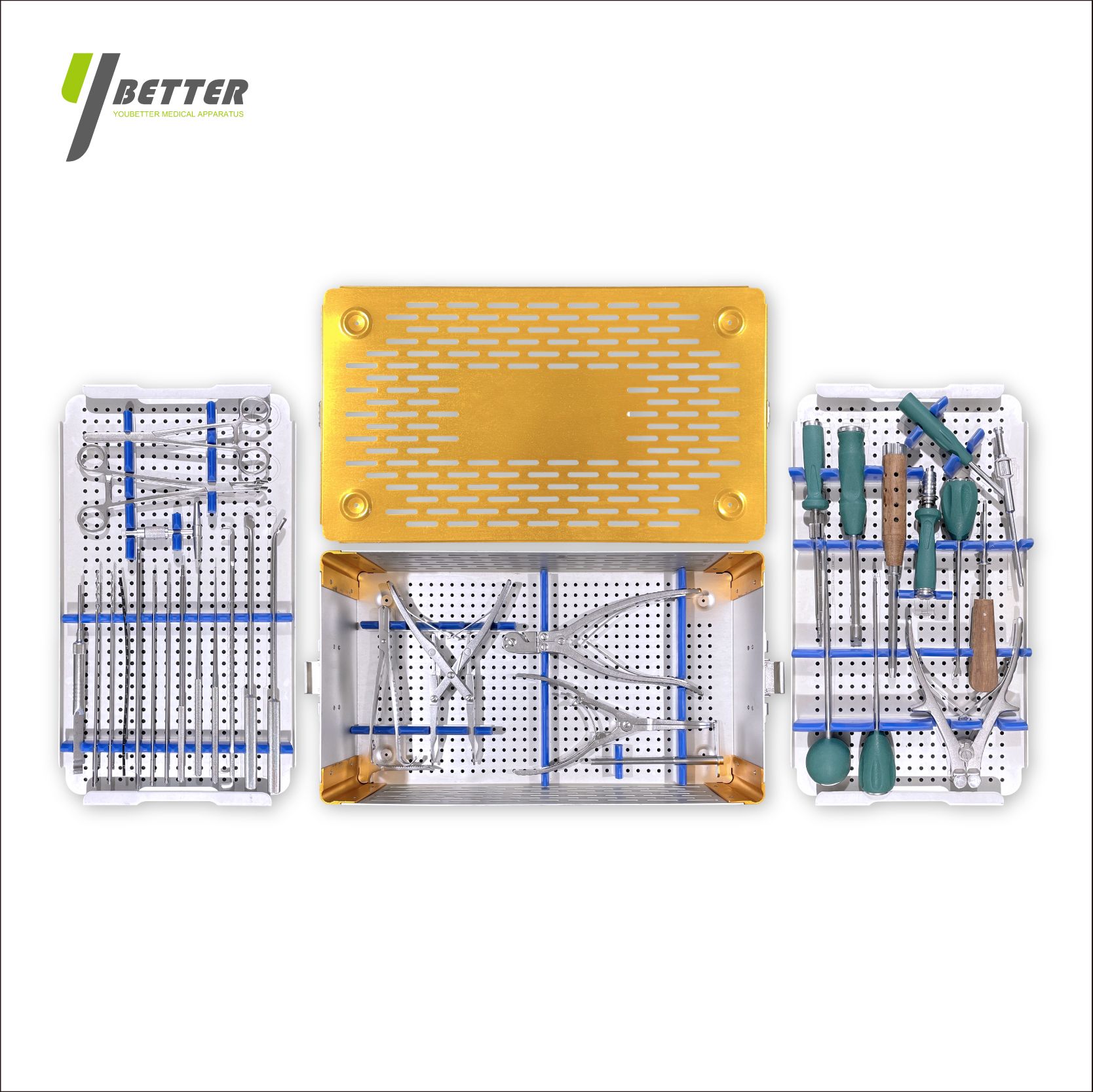
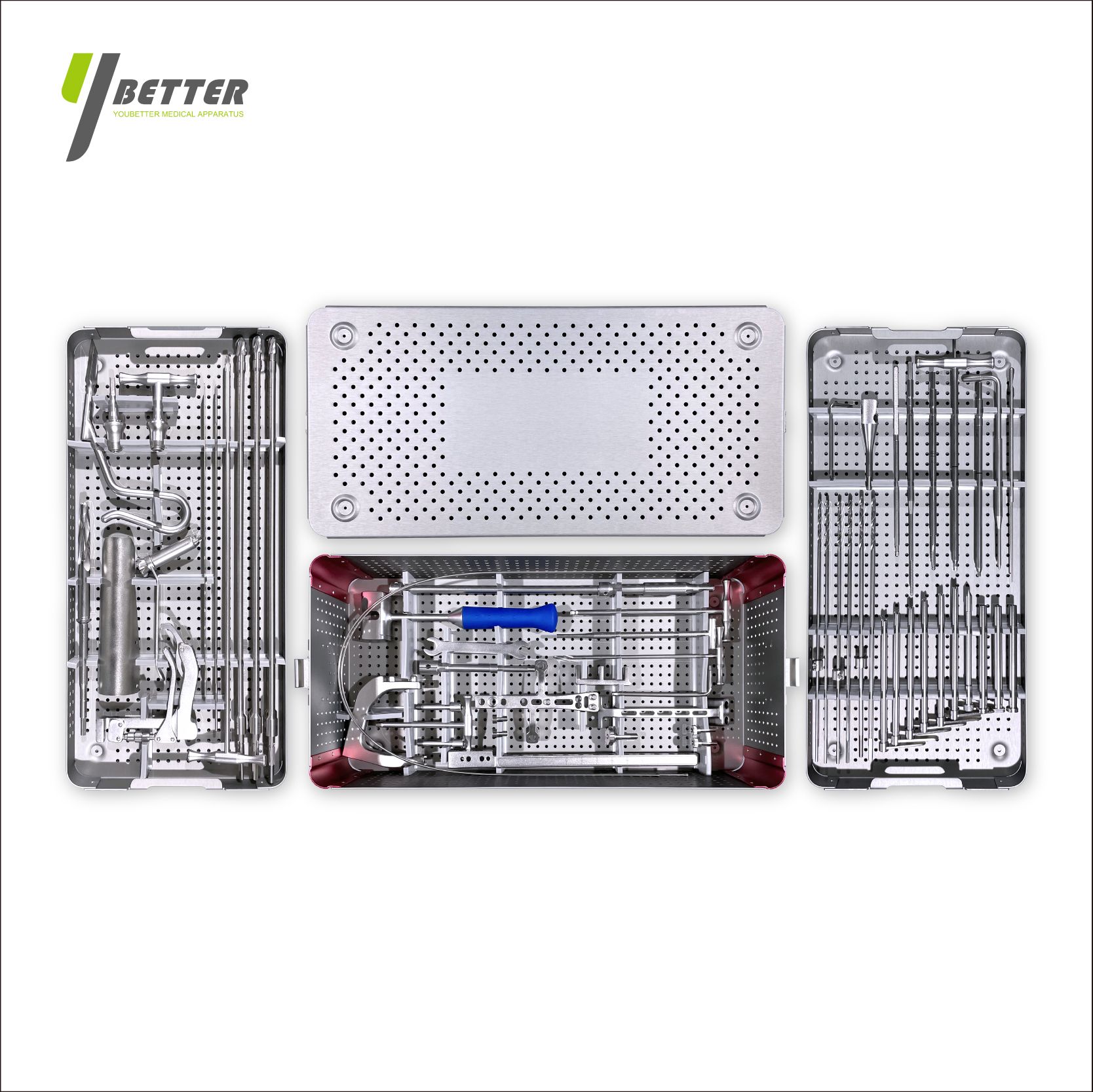
The modular architecture of contemporary pedicle screw systems provides exceptional versatility, enabling surgeons to build customized spinal constructs tailored to each patient's unique anatomical and pathological requirements. This modularity encompasses various screw diameters, lengths, and head types that can be mixed within a single construct to optimize fixation across different vertebral levels and bone quality zones. The rod system offers multiple diameter options, materials including titanium and cobalt-chrome alloys, and both rigid and semi-rigid configurations to control the biomechanical environment at the fusion site. Cross-connectors and offset connectors expand construct possibilities, allowing surgeons to address complex three-dimensional deformities and enhance torsional stability. The compatibility between components from the same pedicle screw system family ensures that hospitals can maintain efficient inventory while still offering comprehensive surgical solutions. This standardization reduces instrument tray complexity and streamlines surgical setup, improving operating room efficiency. For revision procedures, the ability to integrate new components with previously implanted hardware from compatible systems provides valuable options without requiring complete construct removal. The comprehensive modularity ultimately translates to better patient-specific solutions, improved surgical outcomes, and greater value for healthcare institutions investing in advanced spinal instrumentation.

Get a Free Quote

Our representative will contact you soon.
Email
Name
Company Name
Message
0/1000
Newsletter
Please Leave A Message With Us