plate for broken leg
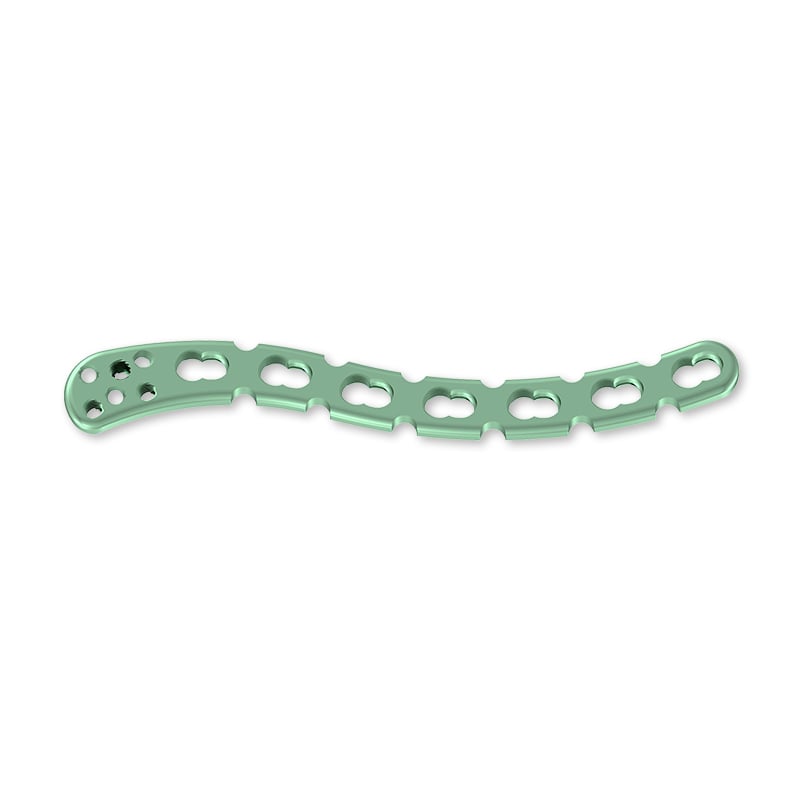
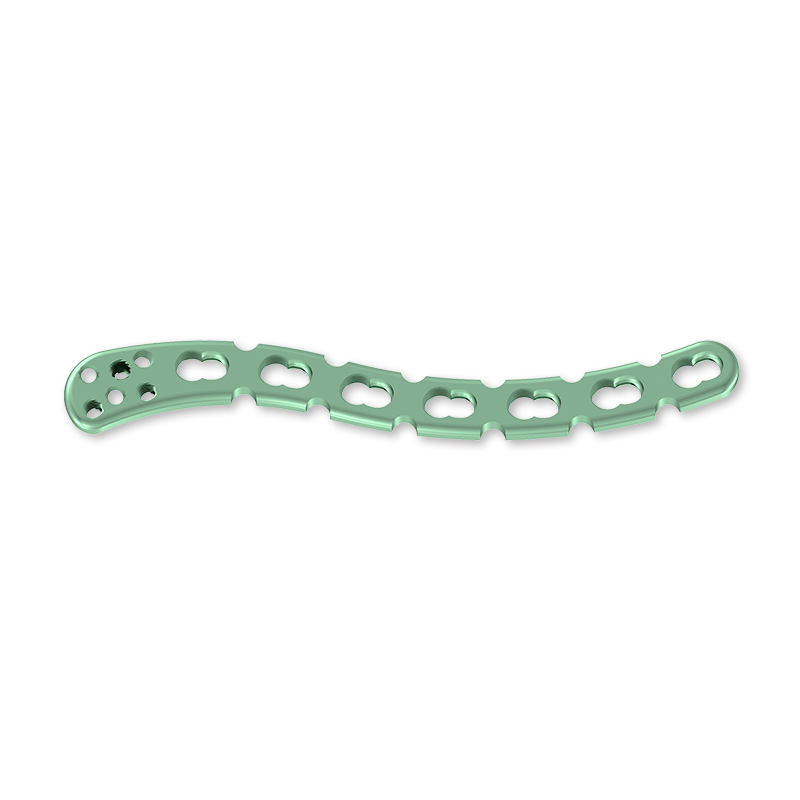
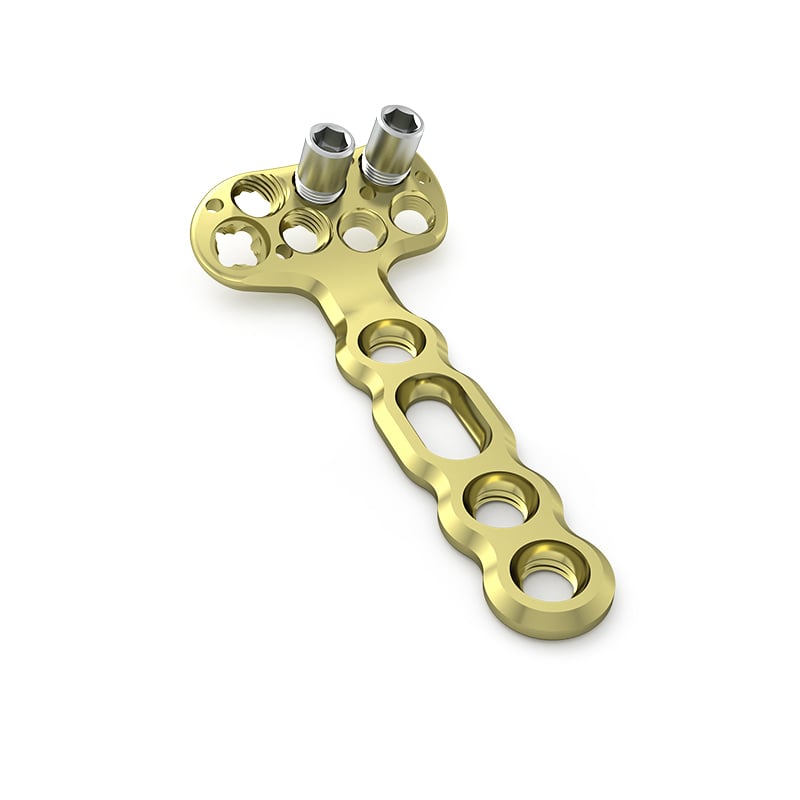
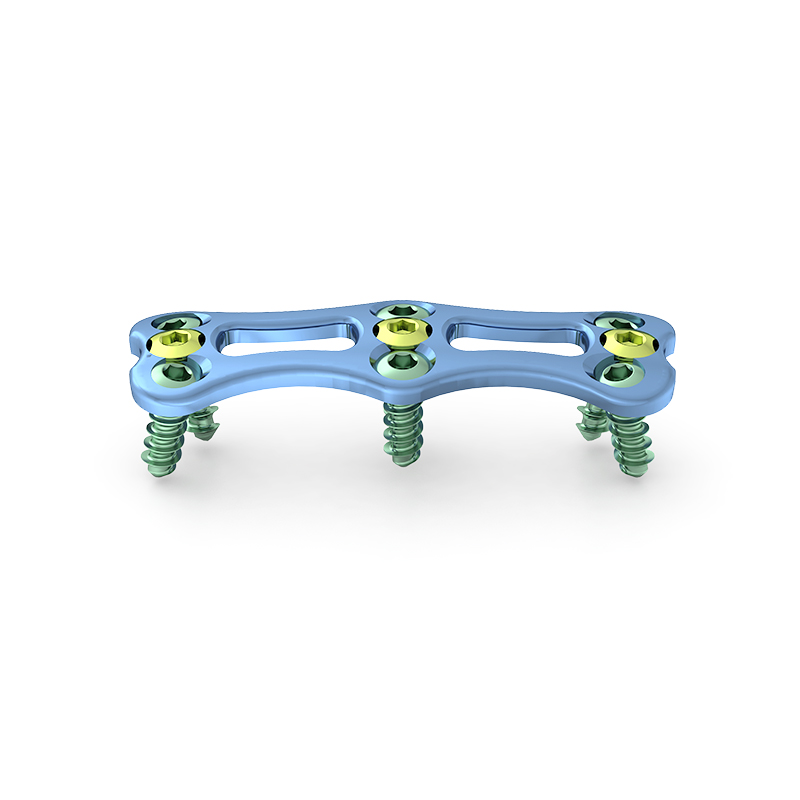
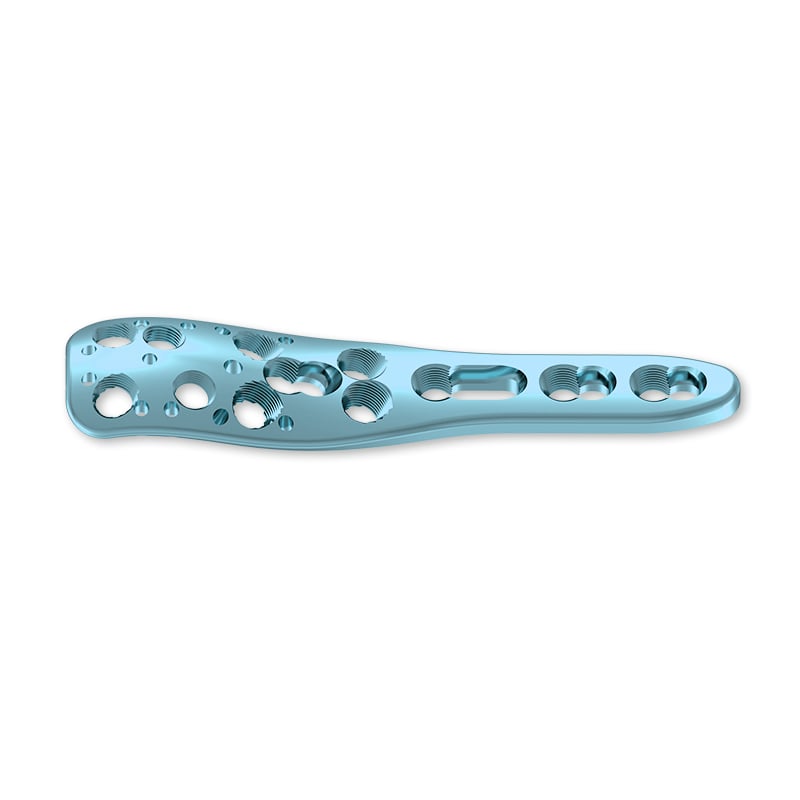
A plate for broken leg is a specialized orthopedic implant designed to stabilize and support fractured bones during the healing process. This medical device serves as an internal fixation system that surgeons attach directly to the bone surface using screws, providing rigid stabilization that allows fractured segments to heal properly. The plate for broken leg is typically manufactured from biocompatible materials such as titanium alloy or stainless steel, ensuring durability and compatibility with human tissue. These plates come in various sizes, shapes, and configurations to accommodate different fracture patterns and anatomical locations throughout the leg, including the femur, tibia, and fibula. The primary function of a plate for broken leg is to maintain precise alignment of bone fragments while reducing movement at the fracture site, which promotes faster and more effective bone union. Modern designs incorporate advanced technological features such as locking screw mechanisms that create a fixed-angle construct, providing superior stability compared to traditional compression plates. The anatomically contoured design ensures optimal fit against bone surfaces, minimizing soft tissue irritation and improving patient comfort. Surgeons select the appropriate plate for broken leg based on fracture complexity, bone quality, patient age, and expected load-bearing requirements. These implants play a critical role in restoring mobility and function after serious leg injuries, enabling patients to return to normal activities with reduced recovery time and improved outcomes.

 EN
EN