When Is External Fixation Used? Complete Guide

All Categories

Get a Free Quote

Our representative will contact you soon.
Email
Name
Company Name
Message
0/1000

when is external fixation used

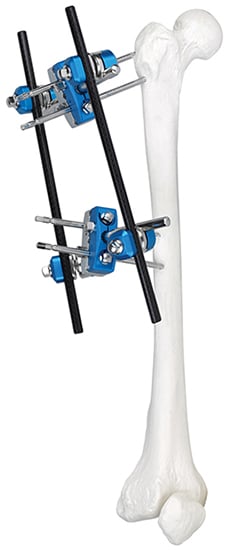
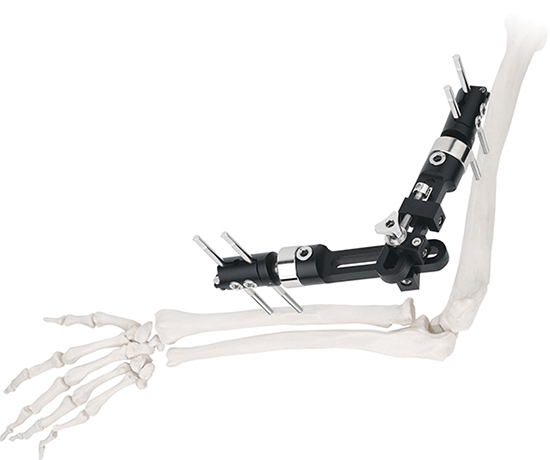
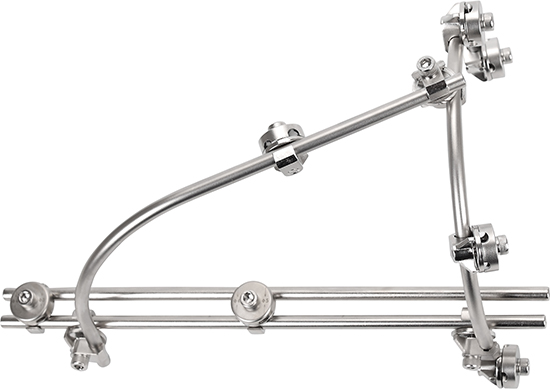
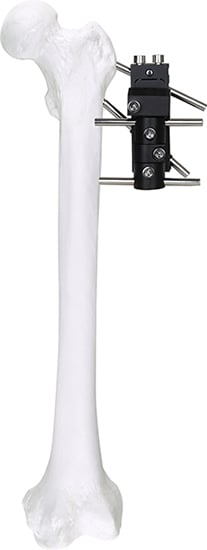
External fixation is a surgical technique that stabilizes fractured or damaged bones using a framework of pins, wires, and rods positioned outside the body. Understanding when is external fixation used is essential for patients and healthcare professionals dealing with complex orthopedic injuries. This method provides rigid support while allowing access to surrounding soft tissues for treatment and monitoring. The main function of external fixation involves maintaining proper bone alignment during the healing process without requiring large surgical incisions. Technological features include adjustable frames that can be modified post-operatively, radiolucent materials for clear imaging, and modular components that accommodate various bone sizes and fracture patterns. When is external fixation used most commonly? It is applied in cases of open fractures with significant soft tissue damage, comminuted fractures with multiple bone fragments, infected fractures requiring wound management, limb lengthening procedures, and temporary stabilization before definitive surgery. Applications extend to trauma settings where immediate stabilization is crucial, reconstructive surgery for bone deformities, and situations where internal fixation poses excessive infection risk. The device allows surgeons to address both skeletal and soft tissue injuries simultaneously, making it invaluable in polytrauma cases. External fixation serves as either a temporary measure until swelling subsides or a definitive treatment for complex cases where traditional internal hardware would compromise healing or increase complications.

Popular Products

The practical benefits of understanding when is external fixation used extend beyond medical knowledge to real-world patient outcomes and treatment efficiency. For patients facing severe fractures, this technique offers immediate stabilization with minimal additional trauma to already damaged tissues. Unlike internal fixation requiring extensive surgical exposure, external fixation allows surgeons to stabilize bones through small incisions, reducing blood loss and operative time significantly. This approach proves especially valuable when soft tissue conditions prevent safe internal hardware placement. Operational benefits include the ability to adjust alignment without returning to the operating room, as the external frame components can be modified at bedside. This flexibility reduces costs associated with repeat surgeries and anesthesia exposure. Healthcare facilities benefit from shorter initial surgical times, enabling treatment of more patients during mass casualty events or in resource-limited settings. When is external fixation used strategically, it preserves treatment options by avoiding permanent hardware insertion that might complicate future surgeries. For infected fractures, external fixation provides stable support while allowing complete access for wound care, irrigation, and antibiotic delivery without hardware removal. Patients experience faster return to partial weight-bearing activities compared to prolonged immobilization in casts. The decision to use external fixation becomes particularly valuable in pediatric cases where growth plate preservation is critical, or in elderly patients with compromised bone quality where internal screws might fail. Cost-effectiveness emerges in complex cases where external fixation prevents multiple revision surgeries, hospital readmissions, and prolonged disability periods that impact patient productivity and quality of life.

Latest News

How Do Orthopedic Implants Contribute to Minimally Invasive Surgery?

02

Jun

How Do Orthopedic Implants Contribute to Minimally Invasive Surgery?

The evolution of surgical medicine has brought forward one of the most significant shifts in patient care: the widespread adoption of minimally invasive surgery. At the heart of this transformation lies the role of orthopedic implants, which have bee...
View More
What Are the Main Types of Orthopedic Implants Used in Trauma Surgery?

02

Jun

What Are the Main Types of Orthopedic Implants Used in Trauma Surgery?

When a patient sustains a serious bone fracture or joint injury, the goal of trauma surgery is to restore stability, alignment, and function as efficiently and safely as possible. Central to achieving that goal are orthopedic implants — precisi...
View More
How Do Pedicle Screw Systems Support Scoliosis Correction Surgery?

02

Jun

How Do Pedicle Screw Systems Support Scoliosis Correction Surgery?

Scoliosis correction surgery is one of the most technically demanding procedures in modern spinal orthopedics. The ability to realign a severely curved spine, restore sagittal balance, and maintain long-term structural integrity depends heavily on th...
View More
How Does Spinal Screw Improve Outcomes in Scoliosis Correction Surgery?

06

Jul

How Does Spinal Screw Improve Outcomes in Scoliosis Correction Surgery?

Scoliosis correction surgery is one of the most technically demanding procedures in spinal care, requiring precise instrumentation to restore alignment and maintain long-term stability. At the center of modern surgical technique, the spinal screw has...
View More

Get a Free Quote

Our representative will contact you soon.
Email
Name
Company Name
Message
0/1000

when is external fixation used

Optimal Applications for Severe Trauma Situations

Optimal Applications for Severe Trauma Situations

Understanding when is external fixation used in trauma settings reveals its life-saving potential for patients with catastrophic injuries. Emergency departments rely on this technique when treating open fractures where bone protrudes through skin, creating high infection risk that contraindicates immediate internal hardware. The external framework provides immediate skeletal stability while allowing complete visualization and treatment of contaminated wounds, torn muscles, and damaged blood vessels. Surgeons can perform serial debridement procedures to remove dead tissue without disturbing bone alignment. In polytrauma patients with multiple injuries, external fixation enables rapid stabilization of extremity fractures so medical teams can address life-threatening chest, abdominal, or head injuries without delay. The technique proves essential when fractures involve extensive bone loss from gunshot wounds or crush injuries, as the adjustable frame maintains limb length until bone grafting or reconstruction becomes feasible. Combat and disaster medicine particularly benefit from external fixation capabilities, as the devices can be applied quickly under austere conditions and modified during patient evacuation to higher-level care facilities without requiring complete hardware replacement.
Superior Soft Tissue Management and Infection Control

Superior Soft Tissue Management and Infection Control

Recognizing when is external fixation used for infection prevention demonstrates this technology's unique advantage in managing compromised tissues. Traditional internal plates and screws create foreign body environments that bacteria colonize easily, leading to chronic osteomyelitis requiring hardware removal and prolonged antibiotic therapy. External fixation eliminates this risk by keeping all hardware components outside the body while maintaining fracture stability. The open wound access afforded by external frames allows healthcare providers to perform daily dressing changes, apply negative pressure wound therapy, and monitor healing progress without compromising skeletal alignment. In cases where fractures occur through infected tissues or in immunocompromised patients with diabetes or vascular disease, external fixation serves as the safest stabilization method. The technique enables aggressive infection management through repeated surgical washouts without losing reduction quality. Furthermore, when is external fixation used for patients with severe burns or degloving injuries, it protects damaged skin areas from additional trauma while supporting underlying bone structure. Plastic surgeons can perform skin grafting, flap coverage, or tissue expansion procedures with stable skeletal foundation, optimizing functional and cosmetic outcomes. This approach significantly reduces amputation rates in limb-threatening injuries by preserving tissue viability during the critical healing period.
Adjustable Correction for Complex Deformities and Lengthening

Adjustable Correction for Complex Deformities and Lengthening

Determining when is external fixation used for reconstructive purposes showcases its versatility beyond acute trauma management. Orthopedic surgeons employ specialized circular external fixation systems for gradual bone lengthening through distraction osteogenesis, where controlled separation of bone segments stimulates new bone formation. Patients with limb length discrepancies from congenital conditions, growth plate injuries, or previous fracture malunion benefit tremendously from this technique that can achieve several centimeters of length gain. The external frame allows precise daily adjustments of one millimeter or less, promoting healthy bone regeneration without overstressing surrounding soft tissues. When is external fixation used for angular deformity correction, hexapod systems provide six-axis control enabling simultaneous correction of multiple deformity planes through computerized strut adjustments. This technological advancement eliminates need for multiple corrective surgeries and achieves results previously impossible with conventional methods. Pediatric orthopedics particularly values external fixation for treating congenital abnormalities like clubfoot or skeletal dysplasias where growth-friendly fixation preserves future development potential. Adults with post-traumatic malunions or arthritis-related deformities regain function and reduce pain through gradual realignment procedures. The psychological benefit of visible progress as patients and families observe daily frame adjustments cannot be understated, increasing treatment compliance and satisfaction throughout lengthy reconstructive processes.

Get a Free Quote

Our representative will contact you soon.
Email
Name
Company Name
Message
0/1000
Newsletter
Please Leave A Message With Us