Bone External Fixator - Advanced Orthopedic Care

All Categories

Get a Free Quote

Our representative will contact you soon.
Email
Name
Company Name
Message
0/1000

bone external fixator

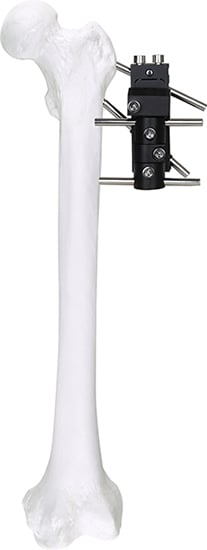
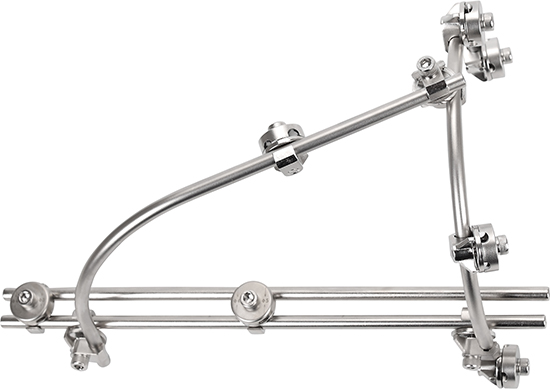
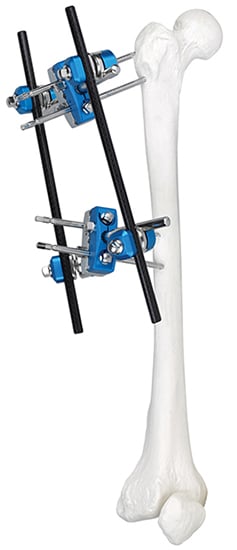
A bone external fixator is a sophisticated orthopedic device designed to stabilize and align fractured or damaged bones from outside the body. This medical apparatus consists of metal pins or wires that penetrate the skin and bone, connected to an external frame made of carbon fiber or stainless steel rods. The bone external fixator provides rigid support while allowing healthcare professionals to make precise adjustments throughout the healing process. This versatile treatment solution addresses complex fractures, limb lengthening procedures, bone deformity corrections, and severe open fractures where internal fixation methods prove unsuitable. The device operates by maintaining proper bone alignment through mechanical stability, creating optimal conditions for natural bone regeneration. Modern bone external fixator systems incorporate modular components that enable surgeons to customize configurations based on specific patient needs and injury patterns. The technology features adjustable connecting rods, multi-planar correction capabilities, and lightweight materials that enhance patient comfort during extended treatment periods. Healthcare facilities worldwide rely on the bone external fixator for managing traumatic injuries, congenital deformities, non-union fractures, and post-surgical complications. The system's non-invasive approach to bone stabilization minimizes soft tissue damage while providing immediate mechanical support. Clinical applications span emergency trauma care, reconstructive surgery, pediatric orthopedics, and complex limb salvage procedures, making this device an indispensable tool in contemporary orthopedic practice.

New Products

The bone external fixator delivers exceptional value by offering immediate fracture stabilization without requiring extensive surgical incisions or prolonged operating room time. Patients benefit from reduced infection risks compared to internal fixation methods because the device stays outside the body while supporting damaged bones effectively. Medical teams appreciate the adjustability features that allow real-time modifications to bone positioning without additional surgeries, saving costs and reducing patient stress. The device permits full access to injured soft tissues, enabling doctors to monitor wounds, change dressings, and address complications promptly throughout recovery. Hospitals find the bone external fixator economically advantageous because it suits emergency situations where patient conditions prevent lengthy anesthetic procedures. The system supports early patient mobilization, allowing individuals to begin physical therapy sooner and maintain better muscle strength during healing periods. Surgical teams value the versatility of treating multiple fracture types with one adaptable system rather than maintaining numerous specialized implants. Patients experience shorter initial hospital stays because the bone external fixator application requires less invasive procedures than traditional internal fixation surgeries. The transparent treatment process lets patients and families visually monitor healing progress, building confidence and compliance with medical recommendations. Healthcare providers rely on the bone external fixator for managing infected fractures where implanting internal hardware would prove dangerous. The device accommodates gradual correction of bone deformities through controlled daily adjustments, achieving results impossible with static fixation methods. Recovery timelines improve because the system maintains blood supply to bone fragments better than some internal fixation approaches. Medical facilities benefit from the reusable frame components that reduce per-case costs while maintaining high treatment standards across diverse patient populations and injury severities.

Latest News

How Does Pedicle Screw Design Enhance Pullout Strength and Stability?

02

Jun

How Does Pedicle Screw Design Enhance Pullout Strength and Stability?

In modern spinal surgery, fixation reliability is not a secondary consideration — it is the foundation upon which patient outcomes are built. The pedicle screw has become the cornerstone of posterior spinal instrumentation, offering surgeons a ...
View More
How Do Spinal Screw Systems Perform in Osteoporotic Patients?

06

Jul

How Do Spinal Screw Systems Perform in Osteoporotic Patients?

When a surgeon places a spinal screw into osteoporotic bone, the mechanical environment is fundamentally different from that of healthy vertebral bone. Osteoporosis reduces bone mineral density and disrupts trabecular architecture, leaving the cancel...
View More
Why Is Accurate Spinal Screw Placement Crucial for Patient Safety?

06

Jul

Why Is Accurate Spinal Screw Placement Crucial for Patient Safety?

Pedicle screw placement is one of the most technically demanding steps in spinal surgery. When a surgeon positions each screw with precision, the entire construct gains stability, and the patient's recovery is protected from preventable complications...
View More
How Does Spinal Screw Fixation Improve Stability in Spinal Fusion Surgery?

06

Jul

How Does Spinal Screw Fixation Improve Stability in Spinal Fusion Surgery?

Spinal fusion surgery is one of the most common and technically demanding procedures in orthopedic and neurosurgical practice. At the heart of this procedure lies a critical mechanical principle: the spine must be held in precise alignment while bone...
View More

Get a Free Quote

Our representative will contact you soon.
Email
Name
Company Name
Message
0/1000

bone external fixator

Versatile Multi-Application Treatment System

Versatile Multi-Application Treatment System

The bone external fixator stands out as a comprehensive solution capable of addressing an extensive range of orthopedic challenges that would otherwise require multiple specialized devices. This adaptability makes it invaluable for trauma centers and orthopedic departments handling diverse patient cases. The system effectively manages simple fractures, complex multi-fragmentary breaks, infected non-unions, and severe open wounds with bone exposure. Surgeons can configure the bone external fixator for limb lengthening procedures that gradually distract bone segments, correcting congenital shortness or traumatic length discrepancies. The device excels in treating pelvic fractures, providing stable support for these critical injuries without interfering with abdominal assessments or surgical access. Pediatric applications benefit from the adjustable nature that accommodates growing bones and allows modifications as children develop. The system handles temporary stabilization during damage control surgeries and definitive long-term treatment with equal effectiveness. This versatility translates into significant inventory advantages for medical facilities, reducing the need to stock numerous single-purpose fixation devices while ensuring readiness for any orthopedic emergency.
Enhanced Patient Safety and Comfort Features

Enhanced Patient Safety and Comfort Features

Modern bone external fixator designs prioritize patient wellbeing through ergonomic innovations and biocompatible materials that minimize discomfort during extended wear periods. The lightweight carbon fiber frames significantly reduce the burden patients carry compared to older heavy metal systems, making daily activities more manageable and improving quality of life during recovery. Pin site designs incorporate smooth interfaces that reduce skin irritation and lower infection risks at penetration points. The open architecture of the bone external fixator allows patients to maintain personal hygiene more easily than with bulky casts, promoting better skin health and psychological comfort. Radiolucent frame materials enable clear X-ray imaging without removing the device, eliminating painful transfers and repositioning during diagnostic procedures. Patients appreciate the unobstructed wound access that facilitates at-home care and reduces anxiety about hidden complications. The system's modular construction means healthcare providers can remove portions of the frame as healing progresses, gradually reducing the device's footprint rather than requiring sudden complete removal. These patient-centered design elements contribute to better treatment compliance, fewer complications, and more positive recovery experiences that benefit both individuals and healthcare systems managing orthopedic care.
Precision Adjustment and Correction Capabilities

Precision Adjustment and Correction Capabilities

The bone external fixator provides unmatched control over bone positioning through sophisticated adjustment mechanisms that enable millimeter-level precision throughout the healing process. This technological advantage allows surgeons to implement gradual correction protocols that gently reshape deformed bones or lengthen shortened limbs at optimal biological rates. Healthcare providers can make these adjustments in outpatient settings without anesthesia, dramatically reducing treatment costs and patient inconvenience compared to revision surgeries. The system's multi-planar correction capability addresses complex three-dimensional deformities that challenge traditional fixation methods, achieving anatomical restoration previously impossible without multiple operations. Doctors can monitor healing through regular imaging and immediately adjust compression or distraction forces to optimize bone regeneration speed and quality. The bone external fixator supports dynamic fixation protocols where controlled micromotion at fracture sites stimulates callus formation and accelerates union. This adjustability proves essential when treating non-union fractures that failed previous treatments, offering renewed hope through customized mechanical environments. Medical teams value the documented precision that creates reproducible outcomes and supports evidence-based treatment protocols. The graduated adjustment process distributes mechanical stress gradually, minimizing patient discomfort while achieving substantial corrections that transform both function and appearance for individuals with severe skeletal abnormalities.

Get a Free Quote

Our representative will contact you soon.
Email
Name
Company Name
Message
0/1000
Newsletter
Please Leave A Message With Us