cannulated screw for fracture fixation
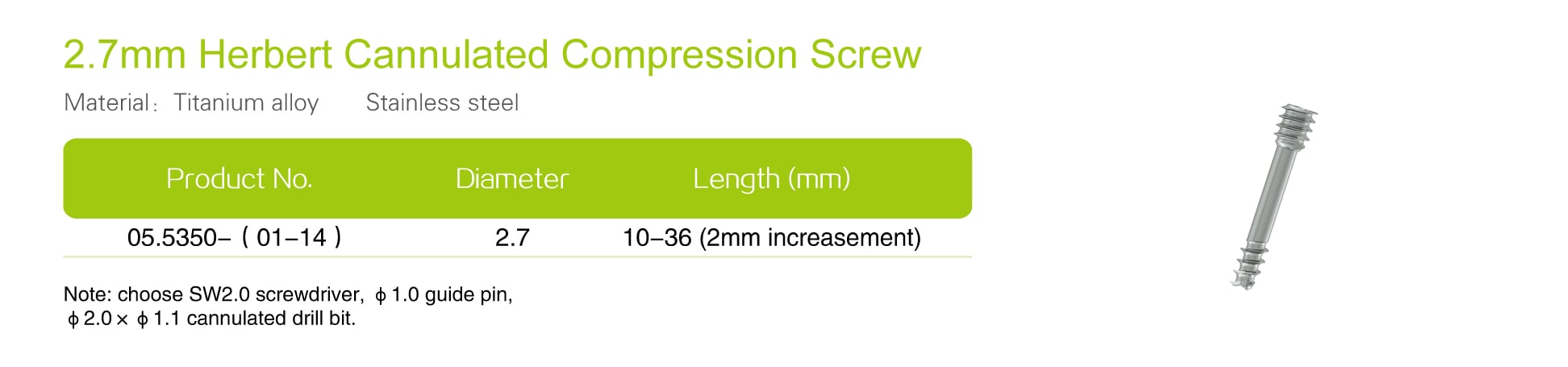
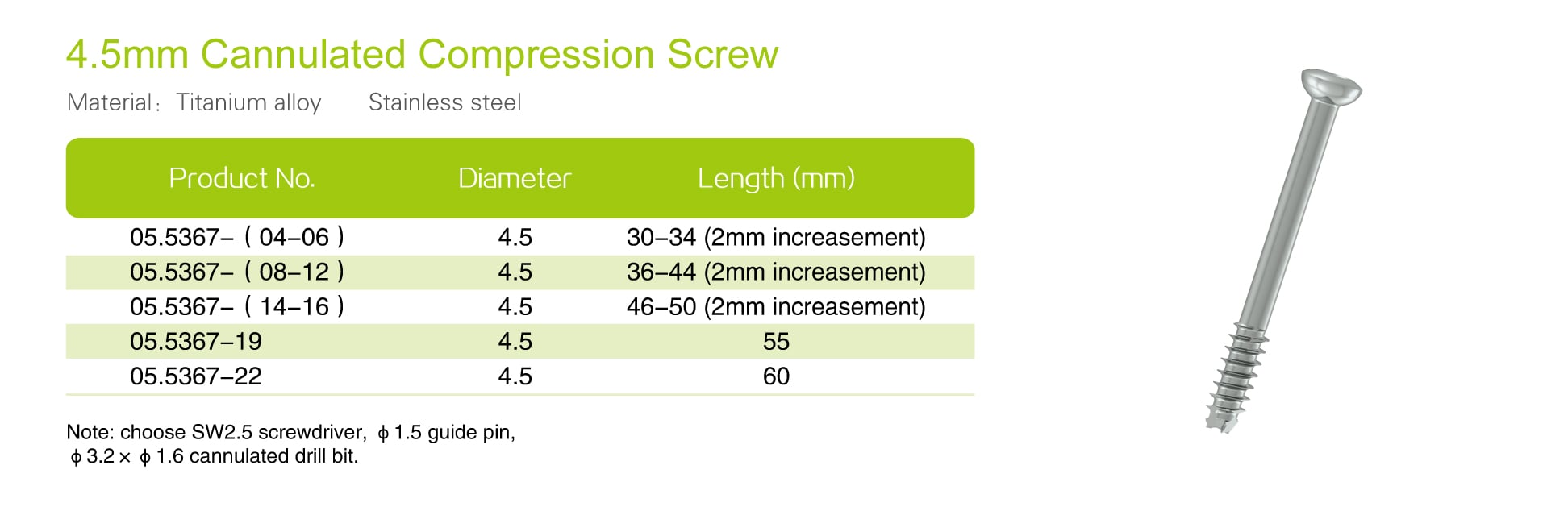
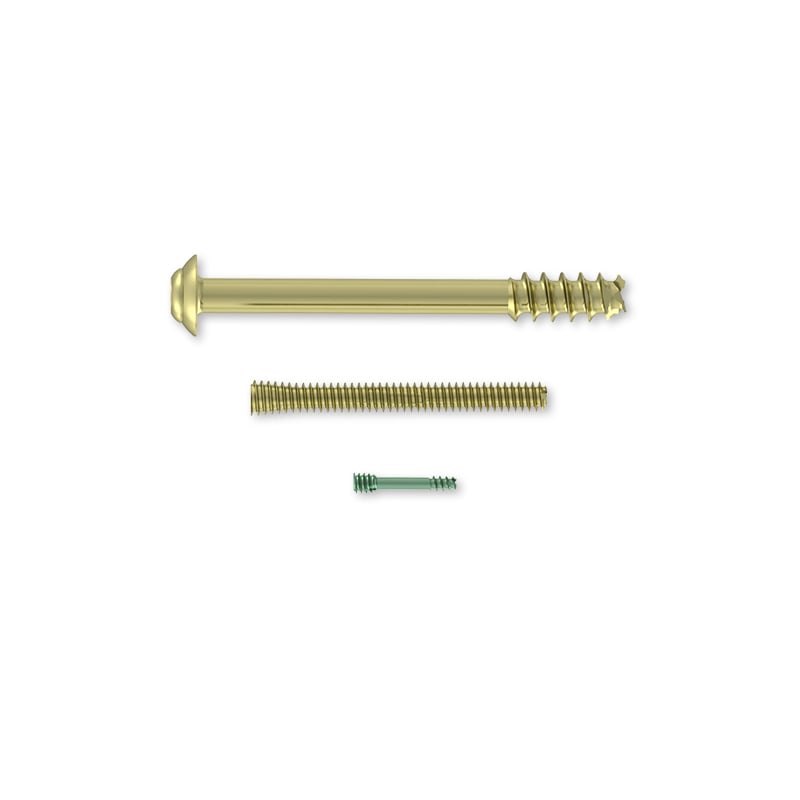
A cannulated screw for fracture fixation is a specialized orthopedic implant designed to stabilize and secure bone fragments during the healing process. This innovative surgical device features a hollow central channel running through its entire length, allowing surgeons to insert it over a guidewire for precise placement. The cannulated screw for fracture fixation serves as a critical component in modern orthopedic surgery, providing internal fixation that promotes optimal bone alignment and fusion. The primary function of this implant is to compress fracture fragments together, maintaining reduction while bone healing occurs naturally. Technologically, the cannulated screw for fracture fixation incorporates advanced manufacturing processes that ensure consistent thread patterns, optimal pitch design, and biocompatible materials such as titanium alloy or stainless steel. The hollow core design distinguishes it from traditional solid screws, enabling surgeons to verify positioning through fluoroscopy before final insertion. These screws come in various diameters, lengths, and thread configurations to accommodate different anatomical locations and fracture patterns. Common applications include hip fractures, scaphoid fractures, ankle fractures, and small bone fixation throughout the skeletal system. The cannulated screw for fracture fixation is particularly valuable in minimally invasive procedures where precision is paramount. Surgeons rely on this technology for femoral neck fractures, displaced fractures requiring compression, and situations where accurate screw trajectory is essential for patient outcomes. The design allows for easy removal if necessary while providing robust mechanical stability during critical healing phases.

 EN
EN