Custom Cannulated Screw Solutions | Precision

All Categories

Get a Free Quote

Our representative will contact you soon.
Email
Name
Company Name
Message
0/1000

custom cannulated screw

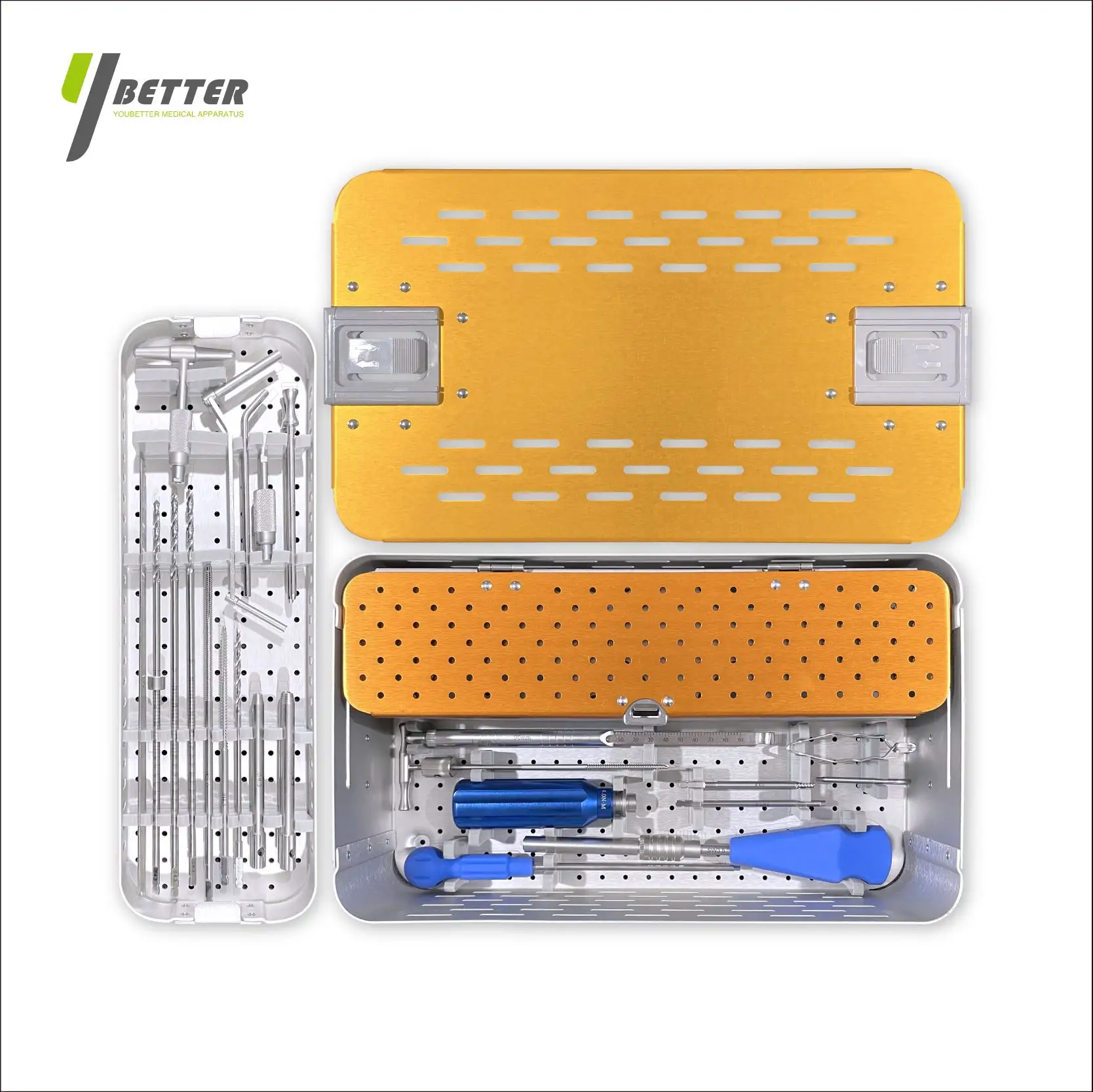
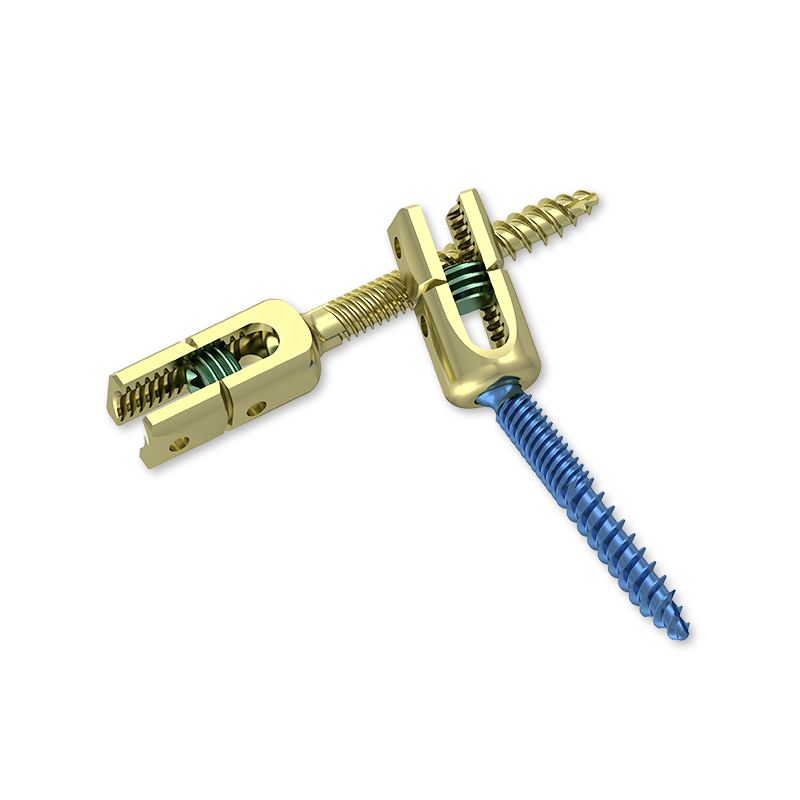
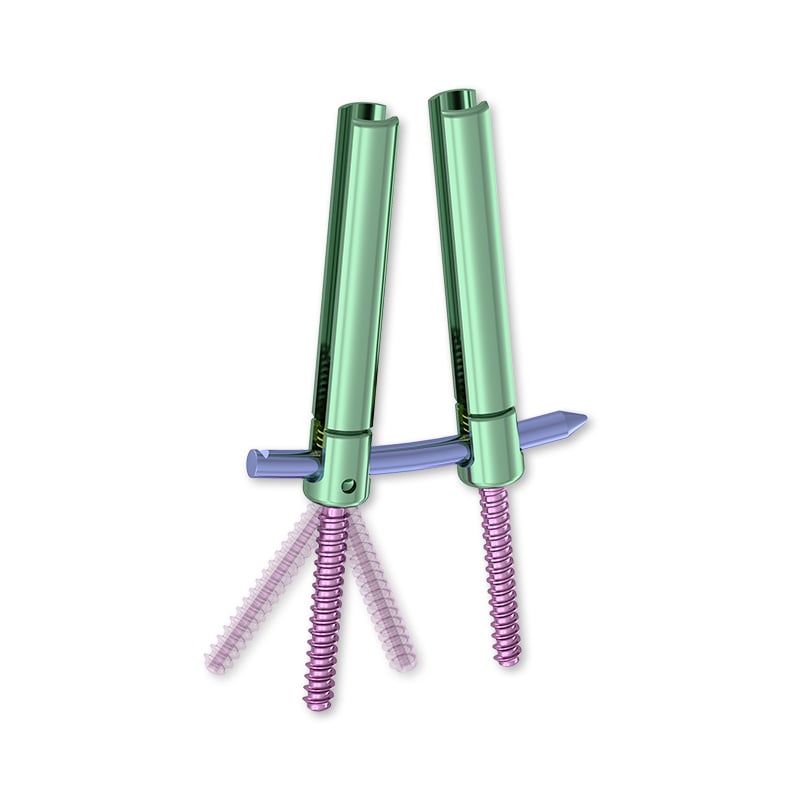
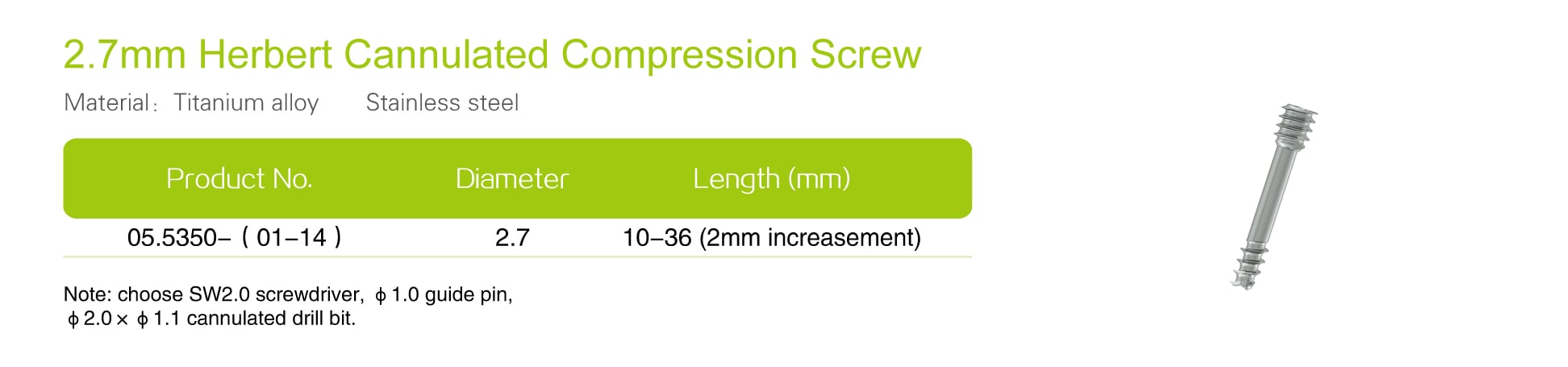
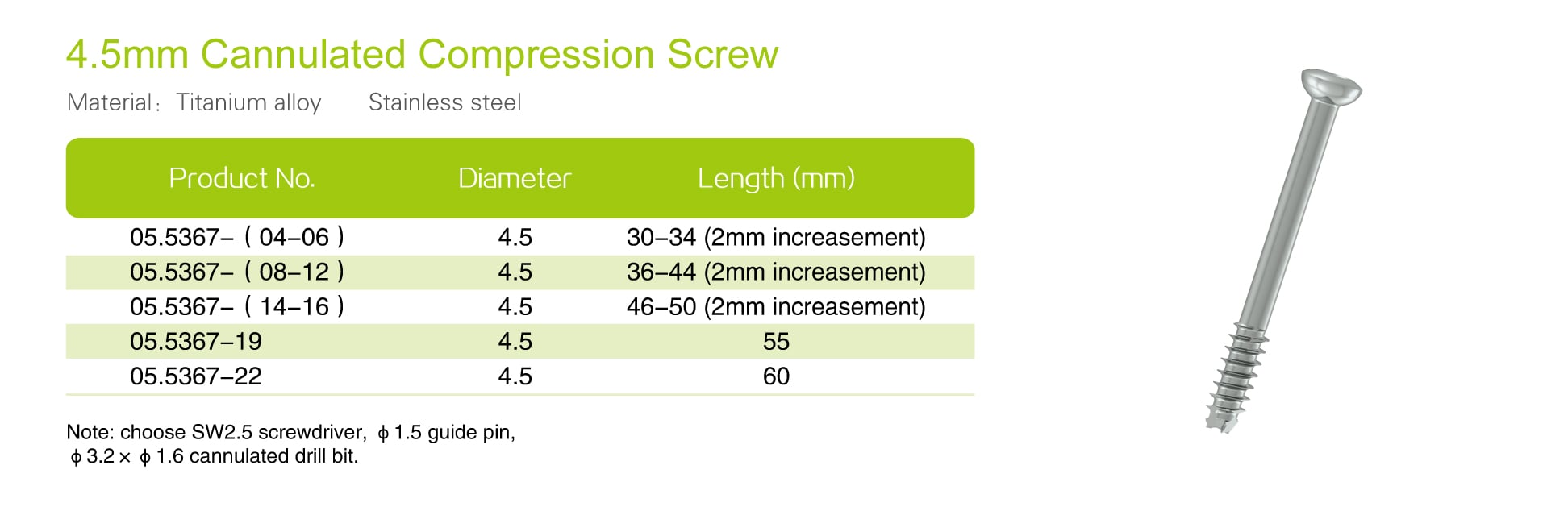
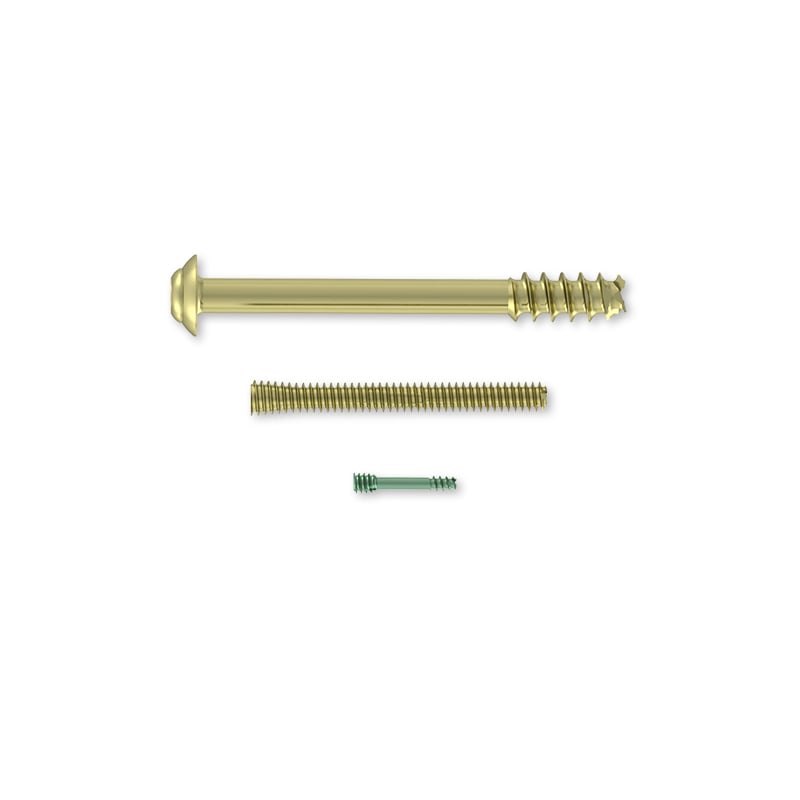
A custom cannulated screw is a specialized orthopedic fastening device designed with a hollow central channel that allows for precise guided insertion over a guidewire during surgical procedures. This innovative implant combines the structural integrity of traditional bone screws with enhanced placement accuracy, making it an essential component in modern fracture fixation and reconstructive surgery. The hollow core design of the custom cannulated screw enables surgeons to navigate complex anatomical structures with confidence, reducing surgical time and improving patient outcomes. These screws are tailored to meet specific clinical requirements, accommodating variations in bone density, fracture patterns, and patient anatomy. Manufacturing processes involve advanced materials such as titanium alloys and stainless steel, ensuring biocompatibility and optimal mechanical strength. The custom cannulated screw finds extensive applications across multiple orthopedic specialties, including trauma surgery for fracture stabilization, joint reconstruction procedures, spinal fusion operations, and sports medicine interventions. Its versatility extends to treating conditions ranging from simple bone fractures to complex deformity corrections. The customization aspect allows healthcare providers to specify thread design, diameter, length, and head configuration to match individual patient needs precisely. This personalized approach maximizes fixation stability while minimizing tissue disruption. As surgical techniques continue to evolve toward minimally invasive approaches, the custom cannulated screw remains at the forefront of orthopedic innovation, delivering reliable performance across diverse clinical scenarios and patient populations.

New Products

Choosing a custom cannulated screw offers significant practical benefits that directly impact surgical success and patient recovery. The primary advantage lies in surgical precision—the hollow channel allows surgeons to position the screw exactly where needed by following a pre-placed guidewire, dramatically reducing placement errors and the need for revision procedures. This guided insertion technique translates to shorter operating room times, which means reduced anesthesia exposure for patients and lower overall procedure costs for healthcare facilities. The customization capability ensures perfect matching to individual patient anatomy, accommodating variations in bone quality, fracture complexity, and anatomical challenges that standard off-the-shelf screws cannot address. For medical professionals, this translates to greater surgical confidence and improved clinical outcomes. Patients benefit from faster healing times because properly customized screws provide optimal biomechanical stability at the fracture site, promoting natural bone union. The materials used in manufacturing these screws offer excellent biocompatibility, minimizing rejection risks and inflammatory responses that could compromise healing. From a facility management perspective, investing in custom cannulated screw solutions reduces complication rates, shortens hospital stays, and decreases readmission statistics—all critical factors for operational efficiency and quality ratings. The versatility of these devices means surgical teams can handle a broader range of cases with a single implant platform, simplifying inventory management and reducing training requirements. For purchasing decision-makers, the long-term value becomes evident through improved patient satisfaction scores, reduced litigation risks from complications, and enhanced institutional reputation for surgical excellence. The ability to precisely tailor each screw to specific clinical requirements eliminates the compromise inherent in using standard sizes, delivering superior fixation strength and optimal load distribution across the bone interface.

Tips And Tricks

How Do Pedicle Screw Systems Support Scoliosis Correction Surgery?

02

Jun

How Do Pedicle Screw Systems Support Scoliosis Correction Surgery?

Scoliosis correction surgery is one of the most technically demanding procedures in modern spinal orthopedics. The ability to realign a severely curved spine, restore sagittal balance, and maintain long-term structural integrity depends heavily on th...
View More
How Does Pedicle Screw Design Enhance Pullout Strength and Stability?

02

Jun

How Does Pedicle Screw Design Enhance Pullout Strength and Stability?

In modern spinal surgery, fixation reliability is not a secondary consideration — it is the foundation upon which patient outcomes are built. The pedicle screw has become the cornerstone of posterior spinal instrumentation, offering surgeons a ...
View More
What Role Does Spinal Screw Play in Complex Spinal Reconstruction?

06

Jul

What Role Does Spinal Screw Play in Complex Spinal Reconstruction?

In complex spinal reconstruction procedures, every implant must perform with precision and reliability. The spinal screw is one of the most critical components in these surgeries, serving as the primary anchor that holds rods, connectors, and bone se...
View More
How Does Spinal Screw Fixation Improve Stability in Spinal Fusion Surgery?

06

Jul

How Does Spinal Screw Fixation Improve Stability in Spinal Fusion Surgery?

Spinal fusion surgery is one of the most common and technically demanding procedures in orthopedic and neurosurgical practice. At the heart of this procedure lies a critical mechanical principle: the spine must be held in precise alignment while bone...
View More

Get a Free Quote

Our representative will contact you soon.
Email
Name
Company Name
Message
0/1000

custom cannulated screw

Precision-Guided Insertion Technology

Precision-Guided Insertion Technology

The defining feature of a custom cannulated screw is its hollow central channel, which revolutionizes surgical placement accuracy. This innovative design allows surgeons to insert a guidewire first, mapping the exact trajectory through bone tissue before introducing the screw itself. The guidewire acts as a precise navigation system, ensuring the custom cannulated screw follows the optimal path through complex anatomical structures without deviation. This technology proves particularly valuable in procedures involving small bone fragments, areas with limited surgical access, or regions where critical neurovascular structures lie nearby. Surgeons can verify guidewire positioning using fluoroscopy or other imaging modalities before committing to final screw placement, virtually eliminating costly positioning errors. The channel diameter is engineered to maintain smooth guidewire passage while preserving maximum screw core strength, striking an optimal balance between functionality and structural integrity. This precision-guided approach reduces soft tissue trauma during insertion, as the controlled pathway minimizes wandering or skiving that occurs with traditional solid screws. For patients, this translates to less postoperative pain, reduced swelling, and faster return to normal activities. The technology enables minimally invasive surgical techniques that were previously impossible, expanding treatment options for conditions once requiring extensive open procedures.
Tailored Biomechanical Performance

Tailored Biomechanical Performance

Customization transforms the custom cannulated screw from a generic implant into a patient-specific solution engineered for optimal biomechanical performance. Each screw can be manufactured with precise specifications for thread pitch, core diameter, outer diameter, length, and head design to match individual bone characteristics and loading requirements. This tailored approach addresses the significant variability in bone density found across different patients, anatomical locations, and age groups. In osteoporotic bone, thread designs can be optimized for maximum purchase in weaker trabecular structures, while denser cortical bone applications benefit from different thread geometries that prevent stripping during insertion. The ability to specify exact lengths eliminates problems associated with screws that are too short, providing insufficient fixation, or too long, risking damage to opposite cortex or surrounding tissues. Custom head configurations accommodate various plating systems and surgical techniques, ensuring perfect integration with comprehensive fixation constructs. Material selection can be tailored to specific applications, with options ranging from pure titanium for maximum biocompatibility to specialized alloys offering enhanced strength for high-load scenarios. This individualized engineering approach delivers fixation stability that standard screws simply cannot match, directly improving fusion rates and reducing hardware failure complications that necessitate revision surgery.
Streamlined Clinical Workflow Integration

Streamlined Clinical Workflow Integration

Beyond its technical specifications, the custom cannulated screw system is designed to integrate seamlessly into existing surgical workflows, delivering operational advantages that extend throughout the care continuum. Modern manufacturing technologies enable rapid production of customized specifications without the extended lead times traditionally associated with custom medical devices, ensuring availability matches clinical scheduling demands. Standardized instrumentation platforms work across different custom cannulated screw configurations, eliminating the need for extensive specialized tool sets and reducing surgical tray complexity. This standardization simplifies staff training, as surgical teams learn one technique applicable to numerous clinical scenarios rather than mastering multiple proprietary systems. The preoperative planning process benefits from digital templating tools that allow surgeons to specify exact custom cannulated screw parameters using patient imaging data, creating a precise surgical blueprint before entering the operating room. This preparation reduces intraoperative decision-making uncertainty and contributes to more predictable procedure durations. Inventory management becomes more efficient as facilities can stock a streamlined selection of commonly used configurations while maintaining rapid access to specialized custom options when needed. Documentation and tracking systems integrate with hospital information platforms, supporting regulatory compliance and quality assurance initiatives. For healthcare administrators, these workflow efficiencies translate to improved operating room utilization, reduced case cancellations due to implant availability issues, and better resource allocation across surgical services.

Get a Free Quote

Our representative will contact you soon.
Email
Name
Company Name
Message
0/1000
Newsletter
Please Leave A Message With Us