High Strength Cannulated Screw - Precision Fixation

All Categories

Get a Free Quote

Our representative will contact you soon.
Email
Name
Company Name
Message
0/1000

high strength cannulated screw

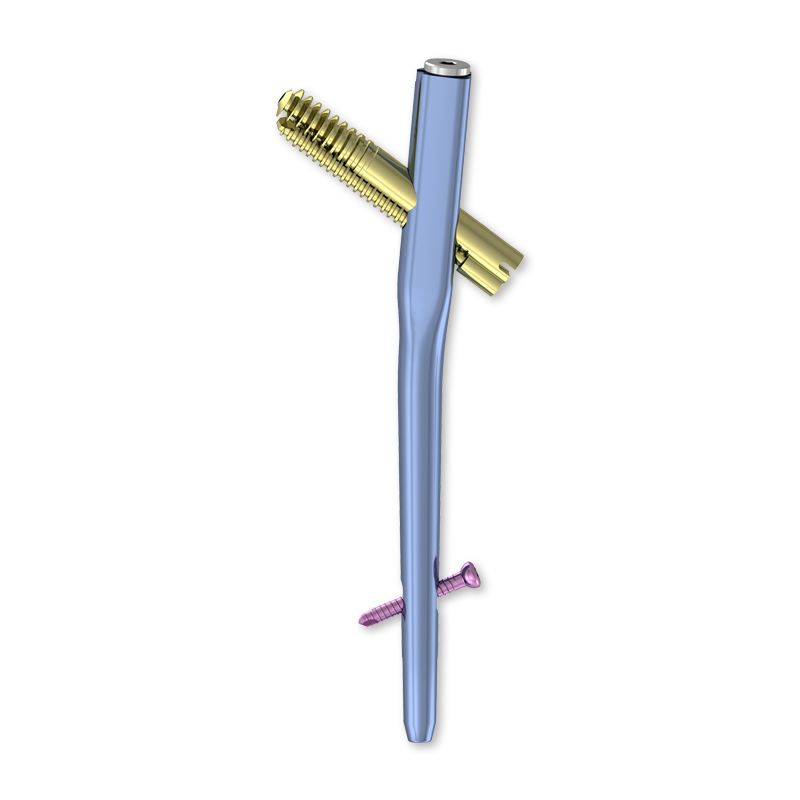
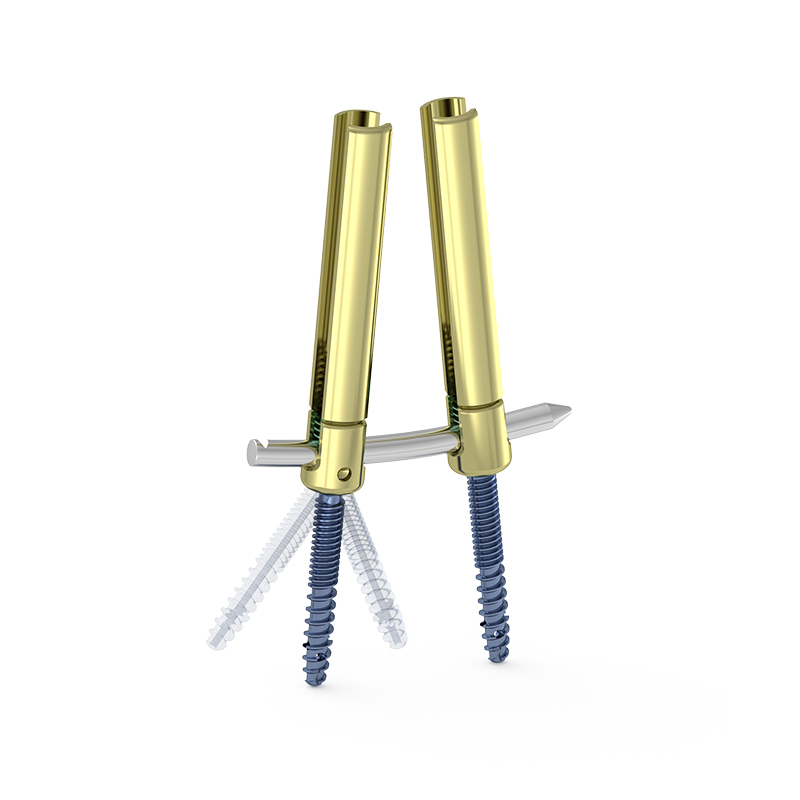
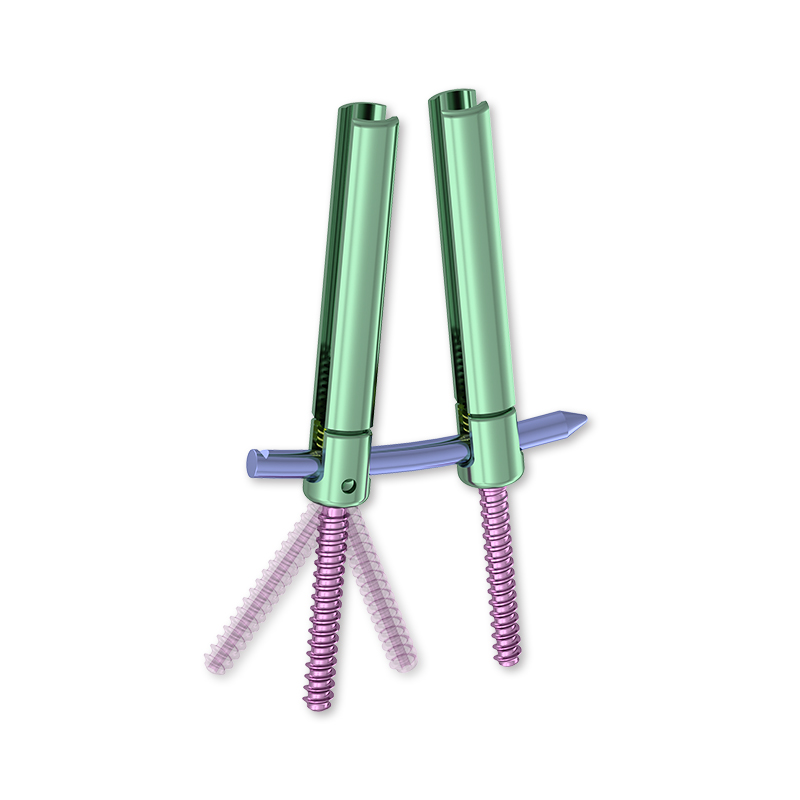
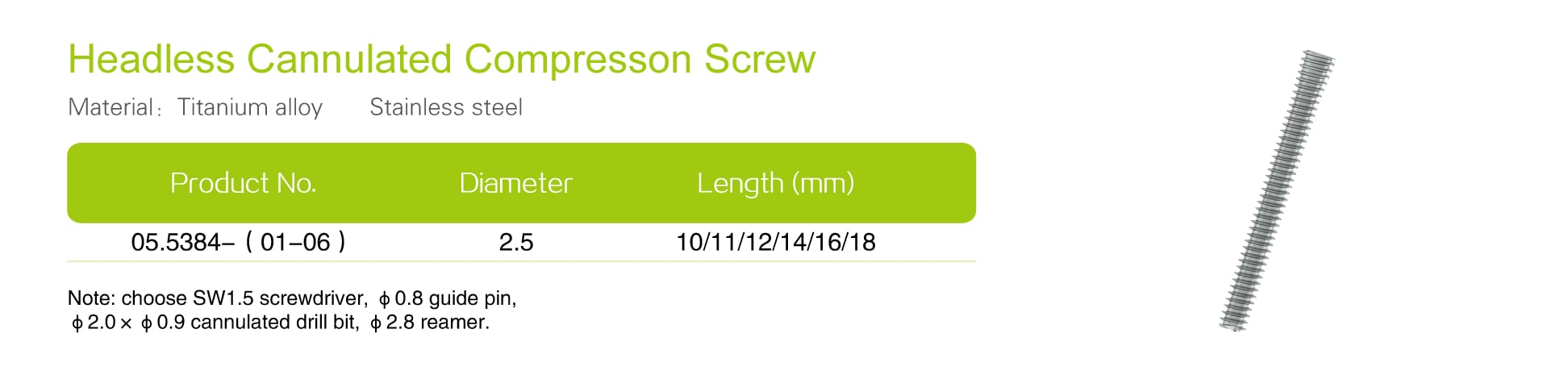
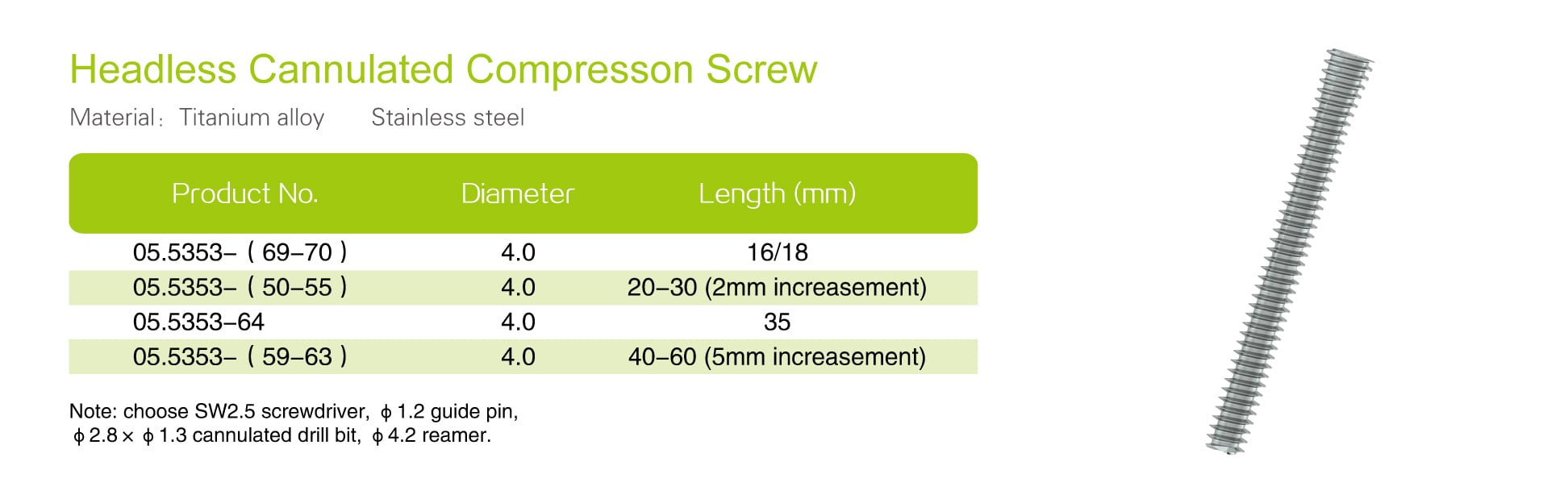
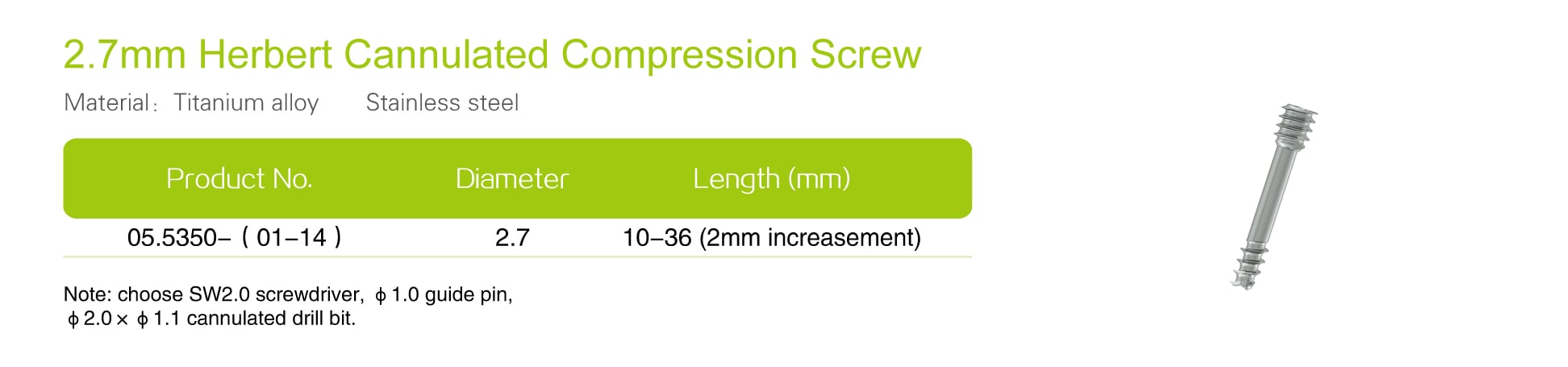
The high strength cannulated screw represents a revolutionary advancement in orthopedic fixation technology, designed to provide superior bone stabilization in fracture repair and reconstructive procedures. This specialized medical device features a hollow center channel that runs through its entire length, allowing surgeons to insert the screw over a guide wire for precise placement during surgical procedures. The high strength cannulated screw combines exceptional mechanical strength with advanced surgical precision, making it an essential tool in modern orthopedic surgery. Manufactured from premium medical-grade materials such as titanium alloy or stainless steel, these screws deliver outstanding load-bearing capacity while maintaining biocompatibility with human tissue. The cannulated design enables minimally invasive surgical techniques, reducing tissue trauma and accelerating patient recovery times. These screws are engineered with advanced thread patterns that ensure optimal purchase in both cortical and cancellous bone, providing reliable fixation across diverse anatomical locations. The high strength cannulated screw finds extensive application in hip fracture repairs, particularly femoral neck fractures, as well as ankle, wrist, and small bone fixations. The hollow core architecture not only facilitates guided insertion but also allows for bone grafting procedures when necessary. With various diameter options, thread configurations, and length specifications available, the high strength cannulated screw can be customized to meet specific surgical requirements. This versatility, combined with proven clinical outcomes, has established these screws as a preferred choice among orthopedic surgeons worldwide for achieving stable, long-lasting bone fixation in both trauma and elective procedures.

Popular Products

Choosing the high strength cannulated screw delivers multiple practical benefits that directly impact surgical outcomes and patient satisfaction. The guided insertion capability significantly reduces surgical complexity, allowing surgeons to achieve accurate screw placement with minimal tissue disruption. This precision translates into shorter operation times, reduced blood loss, and lower infection risks compared to traditional solid screw systems. Patients benefit from smaller incisions, less postoperative pain, and faster return to normal activities, making the high strength cannulated screw an excellent choice for both young active individuals and elderly patients requiring gentle intervention. The superior mechanical strength of these screws provides reliable fixation even in compromised bone quality, such as osteoporotic conditions common in aging populations. This robustness ensures stable healing environments, reducing the likelihood of fixation failure and the need for revision surgeries. Healthcare facilities appreciate the operational efficiency gained through standardized surgical protocols and reduced complication rates, which contribute to improved resource utilization and patient throughput. The versatility of the high strength cannulated screw across multiple anatomical sites means hospitals can maintain a streamlined inventory while addressing diverse fracture patterns and surgical needs. The hollow design enables innovative surgical techniques, including percutaneous procedures that further minimize soft tissue damage and scarring. From a decision-making perspective, the proven track record of the high strength cannulated screw in clinical literature provides confidence in product reliability and performance. Cost-effectiveness emerges through reduced surgical time, decreased complication management expenses, and improved patient outcomes that enhance institutional reputation. For surgeons, the tactile feedback during insertion and the visual confirmation of placement through fluoroscopy create a surgical experience that balances control with efficiency. The biocompatible materials ensure long-term integration without adverse reactions, supporting both immediate fixation stability and enduring bone healing. These combined advantages make the high strength cannulated screw a strategic investment for modern orthopedic practice.

Latest News

Why Is Innovation Important for Competitive Orthopedic Implants Suppliers?

02

Jun

Why Is Innovation Important for Competitive Orthopedic Implants Suppliers?

The medical device industry is undergoing rapid transformation, and nowhere is this change more consequential than in the field of orthopedic surgery. For orthopedic implants suppliers, staying competitive is no longer simply a matter of offering rel...
View More
Why Is Pedicle Screw Accuracy Critical in Minimally Invasive Spine Surgery?

02

Jun

Why Is Pedicle Screw Accuracy Critical in Minimally Invasive Spine Surgery?

In the evolving landscape of spinal surgery, precision is not merely a technical preference — it is a clinical imperative. The pedicle screw has become the cornerstone of modern spinal fixation systems, offering surgeons a reliable anchor point...
View More
Why Is Accurate Spinal Screw Placement Crucial for Patient Safety?

06

Jul

Why Is Accurate Spinal Screw Placement Crucial for Patient Safety?

Pedicle screw placement is one of the most technically demanding steps in spinal surgery. When a surgeon positions each screw with precision, the entire construct gains stability, and the patient's recovery is protected from preventable complications...
View More
How Does Spinal Screw Fixation Improve Stability in Spinal Fusion Surgery?

06

Jul

How Does Spinal Screw Fixation Improve Stability in Spinal Fusion Surgery?

Spinal fusion surgery is one of the most common and technically demanding procedures in orthopedic and neurosurgical practice. At the heart of this procedure lies a critical mechanical principle: the spine must be held in precise alignment while bone...
View More

Get a Free Quote

Our representative will contact you soon.
Email
Name
Company Name
Message
0/1000

high strength cannulated screw

Precision-Guided Surgical Placement

Precision-Guided Surgical Placement

The defining characteristic of the high strength cannulated screw lies in its hollow central channel, which revolutionizes surgical accuracy and safety. This innovative design allows surgeons to first position a thin guide wire at the exact desired location using fluoroscopic imaging, then slide the cannulated screw over this wire to achieve perfect placement. This guided approach eliminates the guesswork associated with traditional solid screws, particularly in complex anatomical regions where millimeter-level precision determines success or failure. The technique proves especially valuable in femoral neck fractures, where incorrect screw trajectory can penetrate the joint space or miss optimal bone purchase. Surgeons gain unprecedented control over screw direction, depth, and final position, even in minimally invasive procedures where direct visualization is limited. The guide wire remains in place throughout insertion, preventing deviation and ensuring the screw follows the predetermined path exactly. This precision reduces the risk of neurovascular injury, protects adjacent structures, and optimizes biomechanical stability by placing screws along ideal load-bearing axes. For complex cases involving multiple screws, the high strength cannulated screw enables parallel placement with consistent spacing, creating robust fixation constructs. The result is enhanced surgical confidence, improved patient safety, and superior clinical outcomes that justify the adoption of this advanced fixation technology.
Exceptional Mechanical Strength and Durability

Exceptional Mechanical Strength and Durability

Despite its hollow architecture, the high strength cannulated screw delivers mechanical performance that matches or exceeds solid screw alternatives, thanks to advanced metallurgical engineering and optimized design parameters. Manufacturers employ premium titanium alloys or medical-grade stainless steel with carefully controlled composition to maximize tensile strength, fatigue resistance, and bending rigidity. The thread geometry is precisely engineered to distribute loads effectively across the bone interface, preventing stress concentration that could lead to bone resorption or screw loosening. Sophisticated manufacturing processes ensure uniform material properties throughout the screw body, eliminating weak points that might compromise structural integrity. Laboratory testing demonstrates that the high strength cannulated screw withstands physiological loading conditions encountered during weight-bearing activities, maintaining fixation stability throughout the critical healing period. The material strength also allows for thinner wall thickness in the cannulated design without sacrificing performance, preserving more bone stock during insertion. Surface treatments such as anodization or specialized coatings enhance corrosion resistance and promote osseointegration, further contributing to long-term fixation durability. This mechanical excellence proves particularly important in high-demand applications like active young patients returning to sports or workers resuming physically demanding occupations. The high strength cannulated screw provides the robust foundation necessary for aggressive rehabilitation protocols that accelerate functional recovery while maintaining fixation security.
Versatile Application Across Surgical Specialties

Versatile Application Across Surgical Specialties

The high strength cannulated screw demonstrates remarkable adaptability across diverse orthopedic procedures, anatomical locations, and patient populations, making it an invaluable tool in comprehensive fracture care. From small bone fixations in hand and foot surgery to large fragment stabilization in hip fractures, these screws accommodate varying clinical demands through extensive size ranges and configuration options. Orthopedic trauma surgeons rely on the high strength cannulated screw for emergency fracture fixation, while reconstructive specialists utilize them in planned osteotomies and joint preservation procedures. The minimally invasive capability proves advantageous in soft tissue-sensitive areas where traditional open approaches risk healing complications. Pediatric applications benefit from the precision placement that respects growth plates and developing bone architecture. Sports medicine practitioners value the strong fixation that supports early mobilization protocols essential for athletic recovery. The screw design accommodates both compression and lag techniques, enabling surgeons to apply biomechanically appropriate fixation strategies for different fracture patterns. Availability in various thread pitches, head styles, and length increments ensures optimal matching to specific surgical requirements. The high strength cannulated screw even supports adjunct procedures, with the hollow channel permitting bone graft injection to enhance healing in challenging cases. This versatility streamlines hospital inventory management while ensuring surgeons have appropriate fixation options readily available for unexpected intraoperative findings, ultimately improving surgical flexibility and patient care quality.

Get a Free Quote

Our representative will contact you soon.
Email
Name
Company Name
Message
0/1000
Newsletter
Please Leave A Message With Us