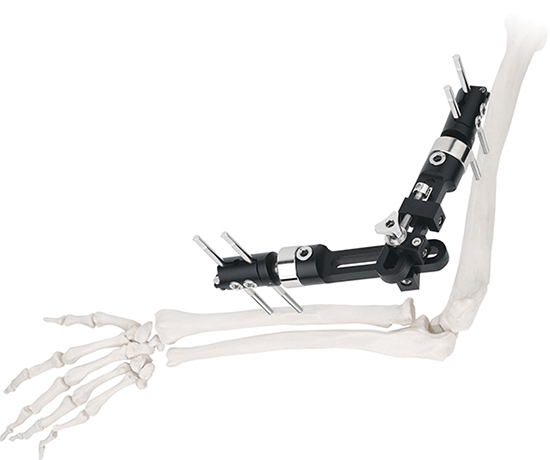
Fracture External Fixator - Advanced Bone Healing

All Categories

Get a Free Quote

Our representative will contact you soon.
Email
Name
Company Name
Message
0/1000

fracture external fixator

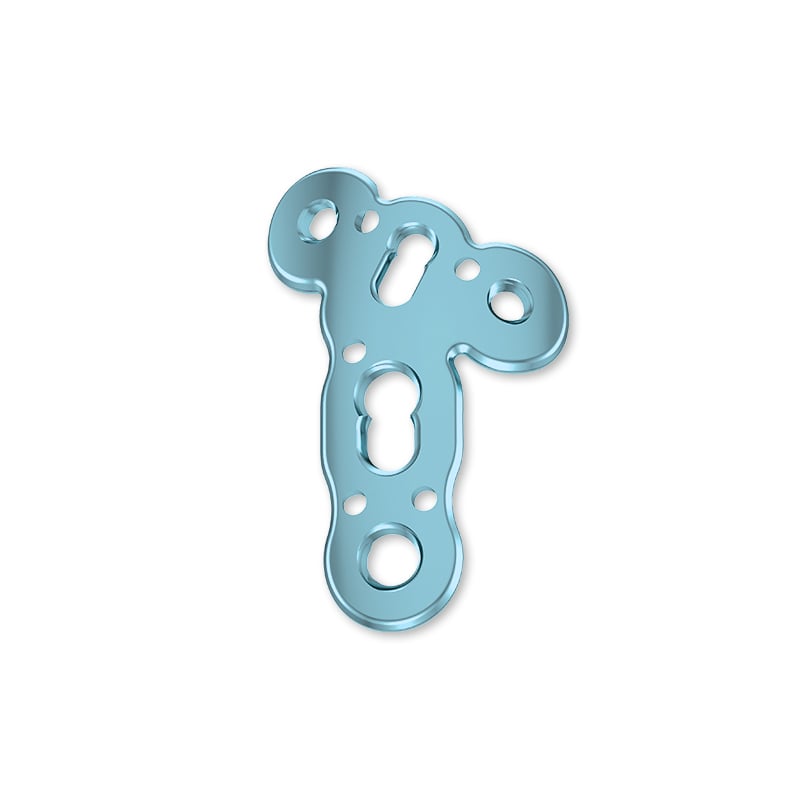
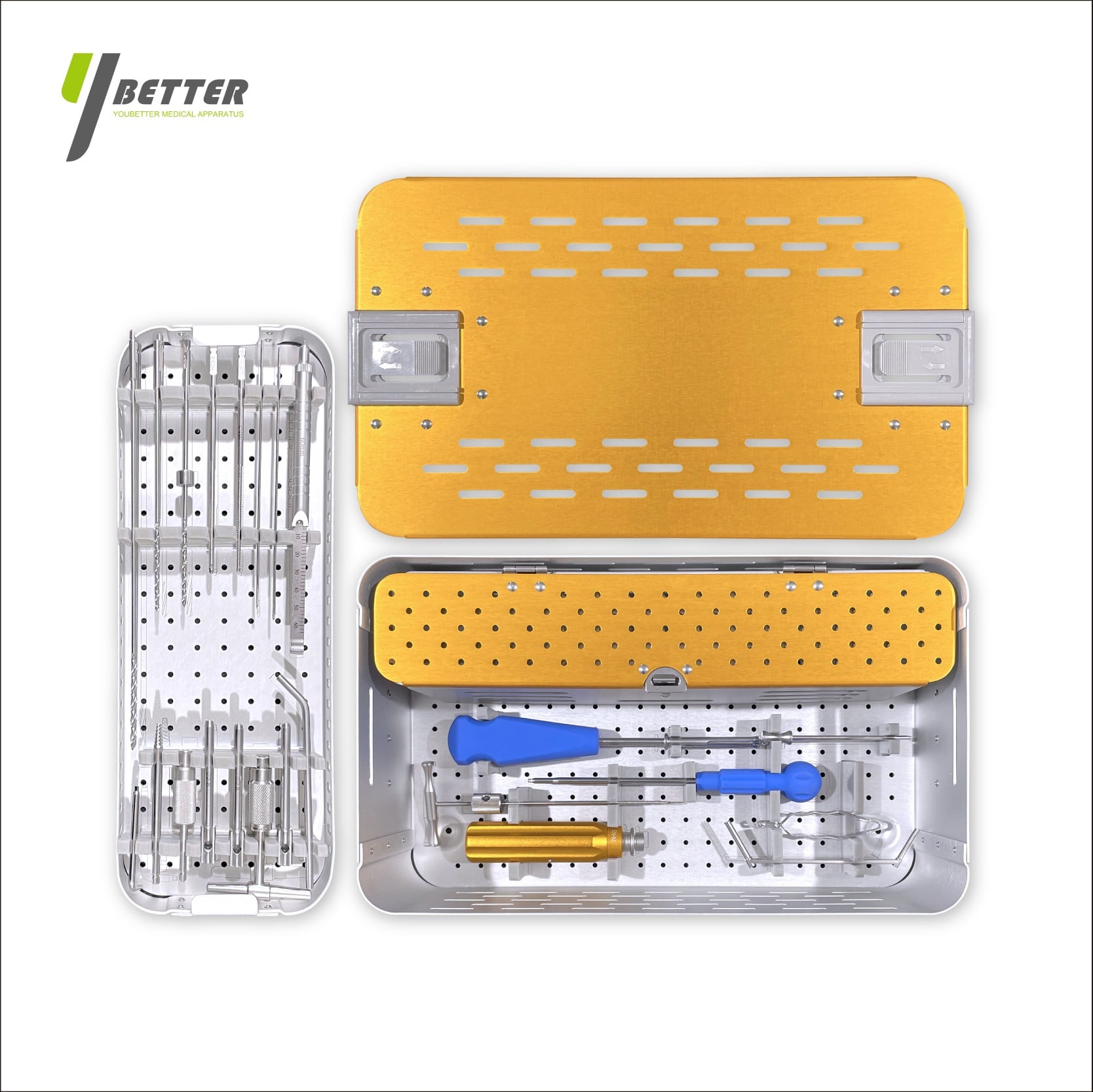
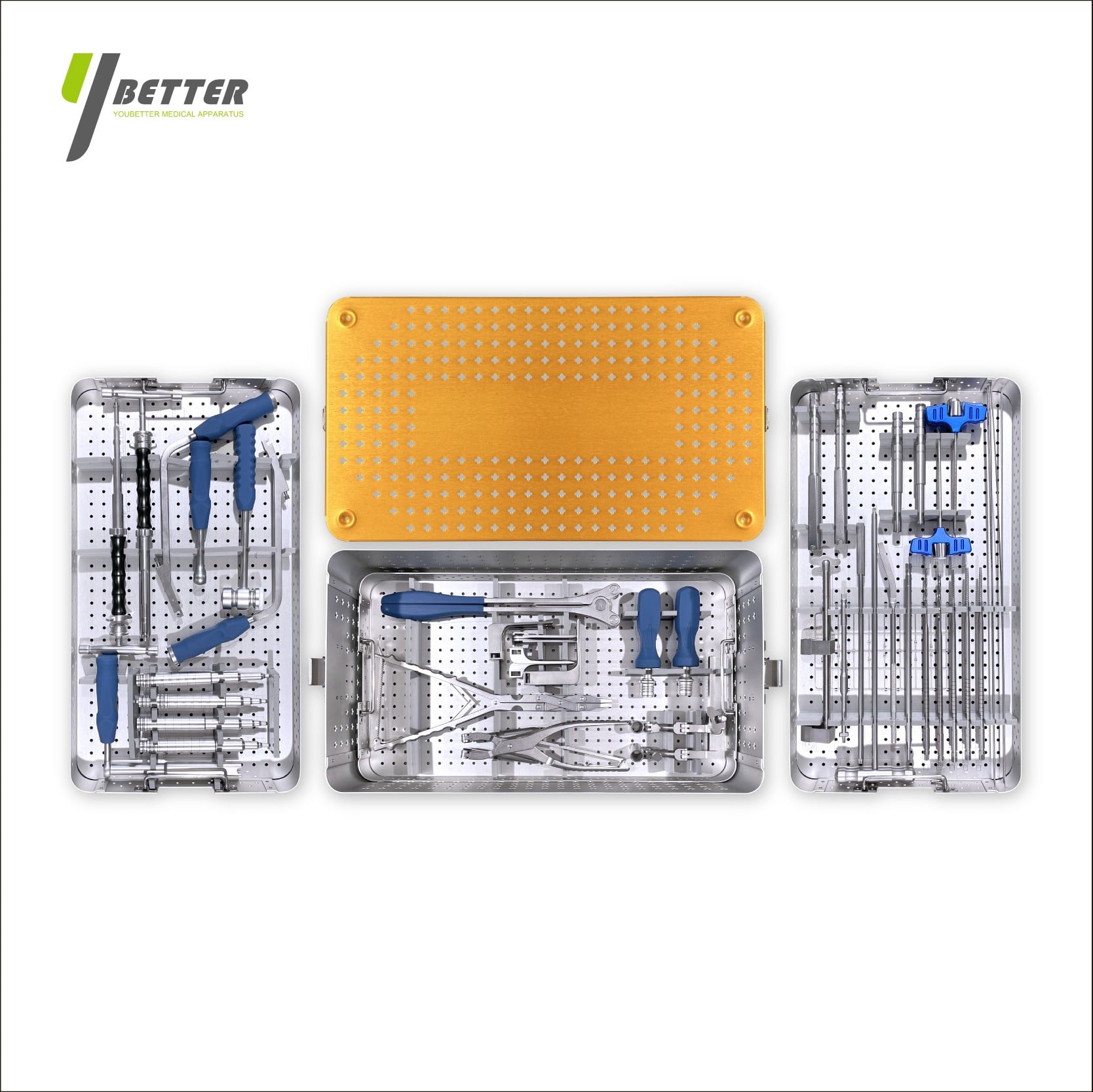
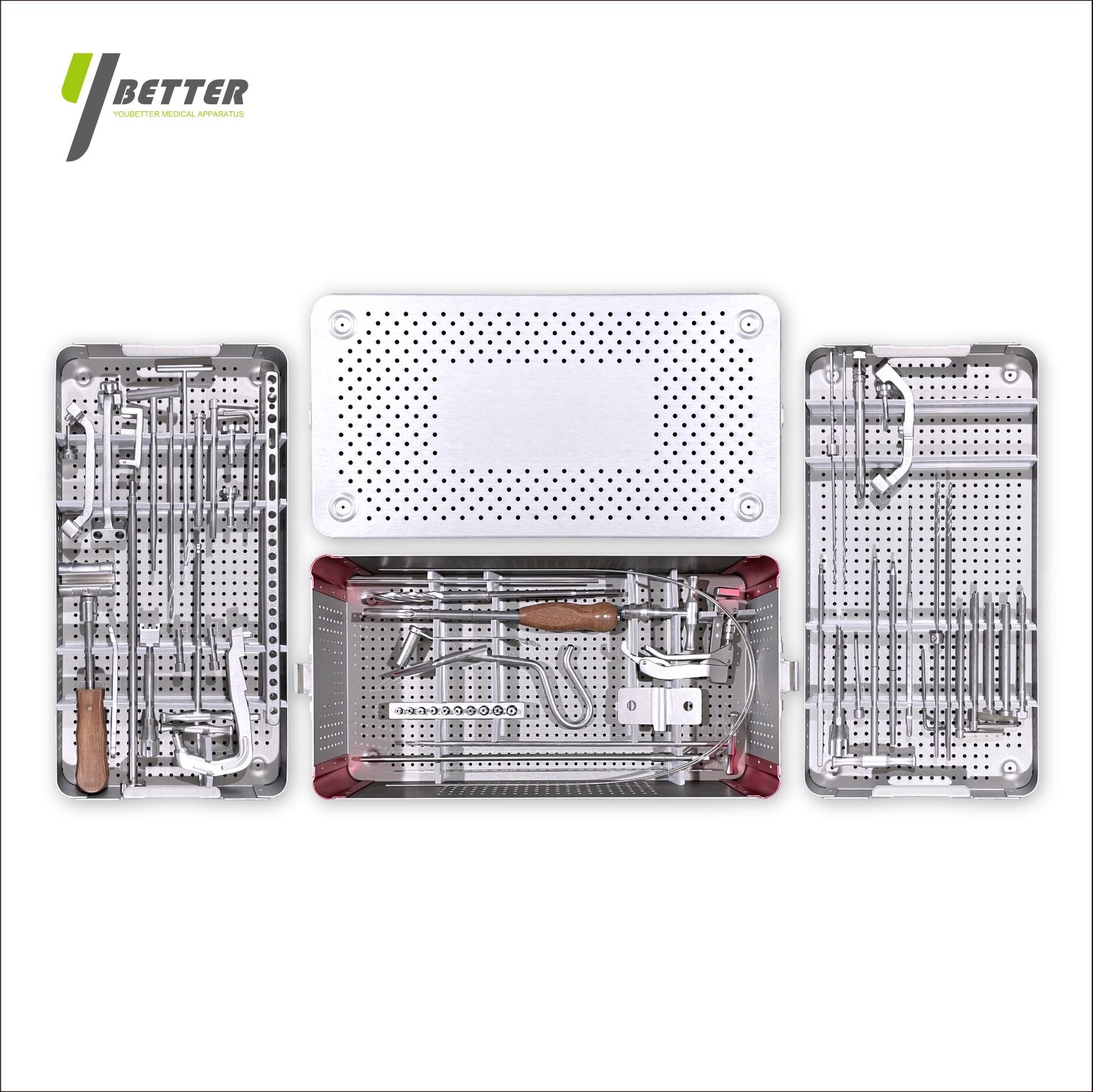
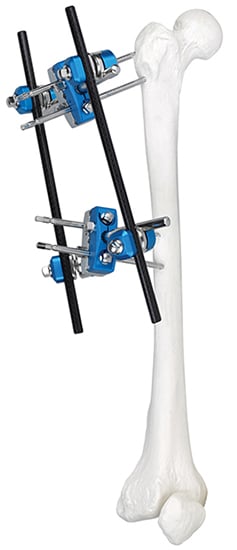
A fracture external fixator is a specialized orthopedic device designed to stabilize and align broken bones from outside the body during the healing process. This advanced medical apparatus consists of metal pins or wires that penetrate the skin and bone, connected to an external frame made of carbon fiber or stainless steel rods. The fracture external fixator provides rigid support while allowing healthcare professionals to adjust bone positioning without additional surgical procedures. This innovative system proves particularly valuable when treating complex fractures, open wounds, severe soft tissue damage, or cases where internal fixation methods are not suitable. The device maintains proper bone alignment through mechanical stability, promoting natural healing while minimizing infection risks associated with open fractures. Modern fracture external fixator designs incorporate modular components that enable customization for different anatomical locations including limbs, pelvis, and facial bones. The technology features precise adjustment mechanisms that allow controlled compression or distraction of bone fragments, facilitating optimal healing conditions. Clinical applications span emergency trauma care, reconstructive surgery, limb lengthening procedures, and correction of bone deformities. The external nature of this fixation method permits direct wound access for cleaning and monitoring, making the fracture external fixator an essential tool in contemporary orthopedic practice where patient safety and surgical outcomes remain paramount considerations for medical teams worldwide.

New Products

The fracture external fixator delivers exceptional benefits that directly impact patient recovery and clinical efficiency. Primary advantages include minimally invasive application that reduces surgical trauma compared to traditional internal fixation methods, resulting in shorter operation times and decreased anesthesia exposure. Patients experience faster initial recovery periods because the procedure requires smaller incisions, limiting tissue disruption and preserving blood supply to injured areas. The adjustability feature represents a significant operational benefit, enabling doctors to modify bone alignment post-operatively without returning patients to the operating room, thereby reducing healthcare costs and patient discomfort. This flexibility proves invaluable when treating fractures with soft tissue complications, as the fracture external fixator allows simultaneous wound management and bone stabilization. The device maintains accessibility to injured areas, permitting regular cleaning, dressing changes, and visual monitoring of healing progress without compromising bone stability. Clinical versatility makes the fracture external fixator suitable for diverse applications including emergency stabilization of multiple trauma patients, definitive treatment of complex fractures, and planned orthopedic corrections. The system accommodates various patient demographics from pediatric to geriatric populations, with adjustable components fitting different body sizes and anatomical requirements. Decision-making becomes clearer for healthcare facilities considering this technology because the fracture external fixator offers cost-effective solutions for challenging cases that might otherwise require multiple surgeries or prolonged hospitalization. Reduced infection rates compared to open fracture management with internal hardware provide additional value, as external components can be removed easily once healing progresses sufficiently, eliminating the need for secondary implant removal surgery that internal fixation typically requires.

Tips And Tricks

What Are the Main Types of Orthopedic Implants Used in Trauma Surgery?

02

Jun

What Are the Main Types of Orthopedic Implants Used in Trauma Surgery?

When a patient sustains a serious bone fracture or joint injury, the goal of trauma surgery is to restore stability, alignment, and function as efficiently and safely as possible. Central to achieving that goal are orthopedic implants — precisi...
View More
How Do Orthopedic Implants Enhance Fracture Healing and Recovery?

02

Jun

How Do Orthopedic Implants Enhance Fracture Healing and Recovery?

When a bone fractures, the body initiates a complex biological cascade aimed at restoring structural integrity and function. However, in many cases, this natural process requires mechanical support to succeed. This is precisely where orthopedic impla...
View More
How Do Spinal Screw Systems Perform in Osteoporotic Patients?

06

Jul

How Do Spinal Screw Systems Perform in Osteoporotic Patients?

When a surgeon places a spinal screw into osteoporotic bone, the mechanical environment is fundamentally different from that of healthy vertebral bone. Osteoporosis reduces bone mineral density and disrupts trabecular architecture, leaving the cancel...
View More
How to Optimize Pedicle Screw Placement for Better Surgical Outcomes?

06

Jul

How to Optimize Pedicle Screw Placement for Better Surgical Outcomes?

Achieving precise pedicle screw placement is one of the most critical skills in modern spinal surgery. When pedicle screw placement is performed accurately, it creates a stable fixation point that supports spinal fusion, corrects deformity, and reduc...
View More

Get a Free Quote

Our representative will contact you soon.
Email
Name
Company Name
Message
0/1000

fracture external fixator

Versatile Adjustment Capabilities

Versatile Adjustment Capabilities

The fracture external fixator stands out through its exceptional post-operative adjustment capabilities that revolutionize bone healing management. Unlike permanent internal fixation devices, this system allows orthopedic surgeons to fine-tune bone positioning throughout the recovery period without subjecting patients to additional invasive procedures. The external frame incorporates precision adjustment mechanisms that enable controlled modifications in bone fragment alignment, compression, distraction, and rotational positioning. These capabilities prove particularly valuable when treating complex fractures where initial alignment may require optimization as swelling subsides and healing progresses. Medical professionals can gradually correct deformities, lengthen bones incrementally in reconstruction cases, or adjust compression forces to stimulate bone formation. This dynamic treatment approach significantly improves outcomes for patients with complicated fractures, nonunions, or bone defects. The ability to modify treatment parameters based on radiographic feedback and clinical progress represents a substantial advantage over static fixation methods, ultimately leading to better functional results and reduced complication rates. Patients benefit from personalized treatment adjustments that respond to their individual healing patterns without the risks, costs, and recovery time associated with revision surgeries.
Enhanced Infection Control and Wound Management

Enhanced Infection Control and Wound Management

The fracture external fixator provides superior infection prevention and wound care capabilities that make it indispensable for treating open fractures and injuries with compromised soft tissues. By stabilizing bones externally rather than placing metal implants directly within contaminated wound environments, this device significantly reduces infection risks that commonly complicate open fracture treatment. The external positioning allows complete access to wounds for thorough cleaning, debridement, and antimicrobial treatment while maintaining stable bone fixation throughout the healing process. Healthcare providers can monitor wound conditions continuously, apply topical treatments, change dressings frequently, and identify complications early without disturbing bone alignment. This accessibility proves crucial when treating high-energy trauma, crush injuries, or fractures complicated by vascular damage requiring reconstructive procedures. The fracture external fixator accommodates plastic surgery interventions such as skin grafting or flap coverage while providing skeletal stability necessary for soft tissue healing. Pin sites remain isolated from primary wound areas, minimizing contamination pathways and enabling independent management of each site. This separation of fixation points from traumatized tissues creates optimal conditions for both bone consolidation and soft tissue recovery, resulting in lower complication rates and improved overall outcomes compared to alternative treatment approaches.
Rapid Emergency Application and Damage Control

Rapid Emergency Application and Damage Control

The fracture external fixator excels in emergency trauma situations where rapid stabilization proves critical for patient survival and limb preservation. Emergency physicians and trauma surgeons can apply this device quickly in damage control scenarios, providing immediate skeletal stability for polytrauma patients who cannot tolerate lengthy surgical procedures due to hemodynamic instability or life-threatening injuries requiring prioritization. The straightforward application process involves percutaneous pin insertion and external frame assembly, typically completed within minutes compared to hours required for definitive internal fixation surgery. This speed advantage allows medical teams to stabilize multiple fractures efficiently, control hemorrhage from bone ends, reduce pain through immobilization, and facilitate safe patient transport for imaging or additional interventions. The fracture external fixator serves as an excellent temporary or definitive solution depending on injury severity and patient condition, offering flexibility in treatment planning. For mass casualty incidents or resource-limited settings, this technology enables effective fracture management without requiring extensive surgical infrastructure or prolonged operating room occupation. The device maintains stability during patient transfers between facilities, intensive care procedures, or subsequent surgeries addressing other injuries, ensuring continuous bone protection throughout the critical initial treatment phase.

Get a Free Quote

Our representative will contact you soon.
Email
Name
Company Name
Message
0/1000
Newsletter
Please Leave A Message With Us