External Fixator Orthopedic Applications Guide

All Categories

Get a Free Quote

Our representative will contact you soon.
Email
Name
Company Name
Message
0/1000

external fixator orthopedic applications

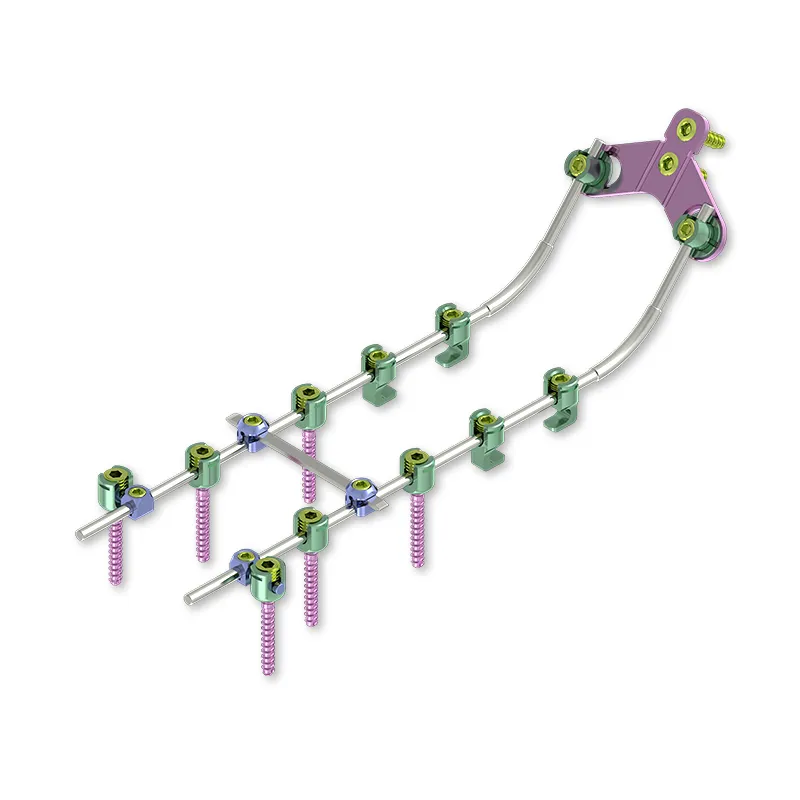
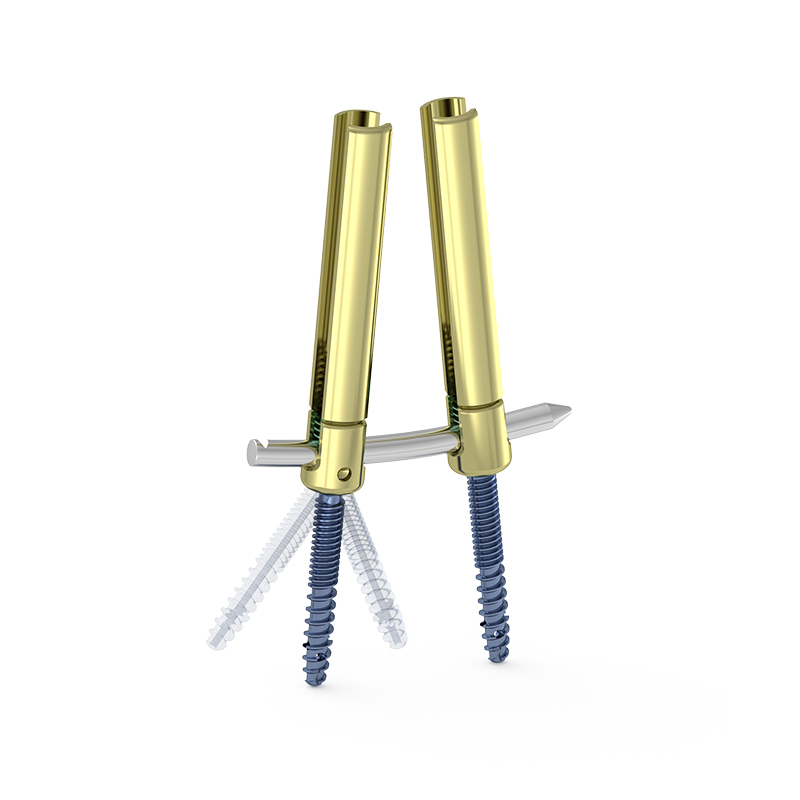
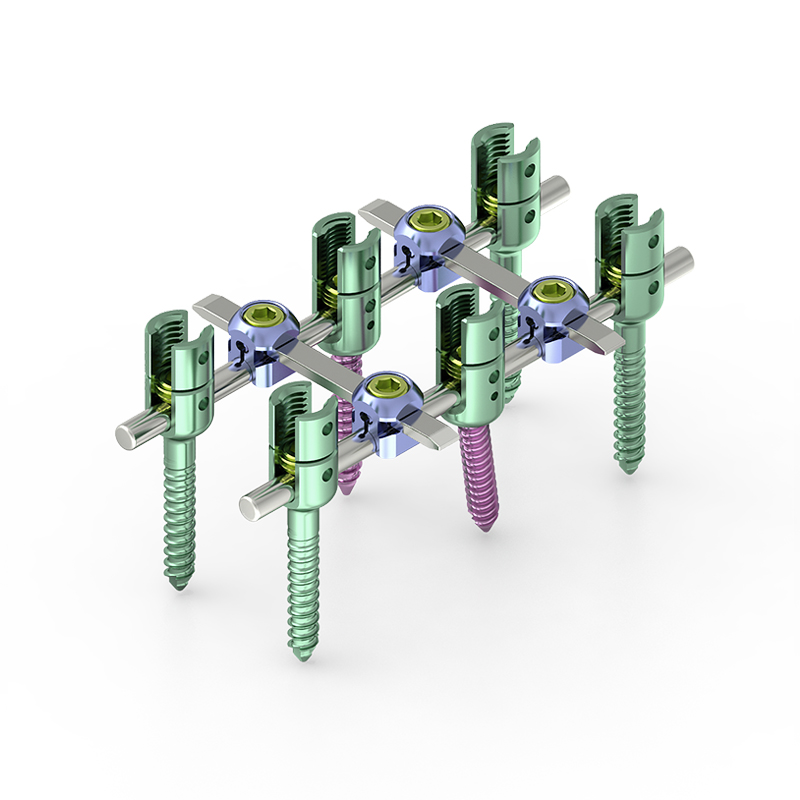
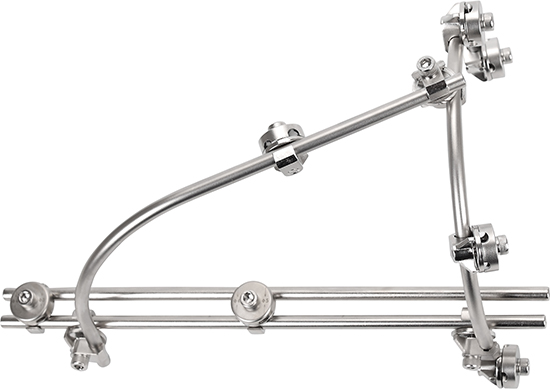
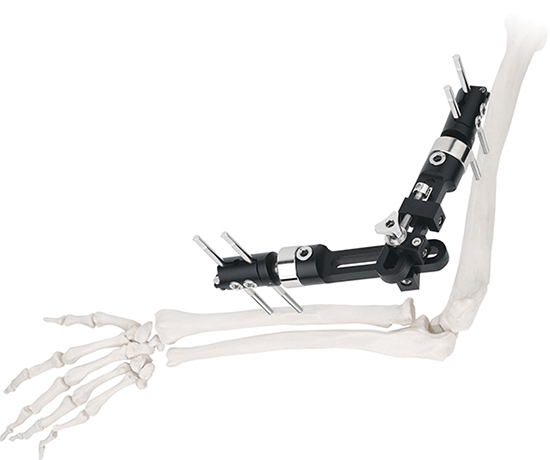
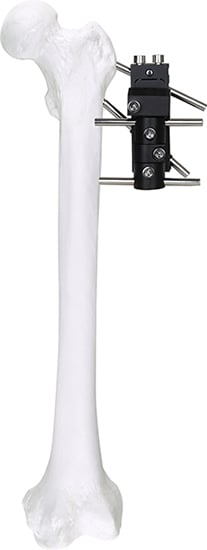
External fixator orthopedic applications represent a critical advancement in modern bone fracture treatment and limb reconstruction surgery. These specialized medical devices consist of metal bars, pins, and rings that are positioned outside the body to stabilize fractured or damaged bones from the exterior. The main functions of external fixator orthopedic applications include providing stable skeletal support, enabling precise bone alignment, facilitating gradual correction of deformities, and allowing healthcare professionals to monitor and adjust treatment progress without additional invasive procedures. Technological features of these systems incorporate modular construction designs that offer flexibility in configuration, radiolucent materials that permit clear radiographic imaging during treatment, and adjustable components that enable micro-movements for bone healing optimization. External fixator orthopedic applications serve multiple clinical purposes across trauma surgery, reconstructive procedures, limb lengthening interventions, and complex fracture management. These devices prove particularly valuable when treating open fractures with severe soft tissue damage, infected bone conditions, polytrauma cases requiring damage control orthopedics, and pediatric growth-related deformities. The versatility of external fixator orthopedic applications extends to treating pelvic fractures, joint stabilization, and temporary fracture stabilization before definitive internal fixation. Modern systems integrate biomechanical engineering principles with clinical requirements, offering surgeons reliable tools for managing challenging orthopedic conditions while minimizing surgical trauma and preserving blood supply to healing tissues.

Popular Products

The primary advantages of external fixator orthopedic applications center on their minimally invasive approach to bone stabilization, which significantly reduces surgical trauma compared to traditional internal fixation methods. Patients benefit from shorter operating times and decreased anesthesia exposure, leading to faster recovery periods and reduced hospital stays. The external positioning allows medical teams to access and treat soft tissue injuries without removing hardware, making external fixator orthopedic applications ideal for managing complex wounds and preventing infection complications. Operational benefits include the ability to make post-operative adjustments without additional surgery, enabling surgeons to fine-tune bone alignment as healing progresses. This adjustability proves invaluable when treating growth-related conditions in pediatric patients or correcting angular deformities through gradual manipulation. Healthcare facilities appreciate the cost-effectiveness of external fixator orthopedic applications in emergency trauma situations where immediate stabilization is critical but definitive treatment must be delayed. The application suitability spans diverse patient populations, from elderly individuals with compromised bone quality to active young patients requiring sports injury management. External fixator orthopedic applications excel in situations involving contaminated wounds, vascular injuries requiring monitoring, or cases where compartment syndrome risk necessitates frequent assessment. Decision-makers value these systems for their proven track record in salvaging severely damaged limbs that might otherwise require amputation. The transparent treatment process allows patients and families to visualize healing progress, improving compliance and understanding. From a practical standpoint, external fixator orthopedic applications reduce the need for extensive soft tissue dissection, preserve periosteal blood supply essential for bone regeneration, and accommodate staged reconstruction protocols that optimize long-term functional outcomes while maintaining treatment flexibility throughout the recovery journey.

Latest News

What Are the Main Types of Orthopedic Implants Used in Trauma Surgery?

02

Jun

What Are the Main Types of Orthopedic Implants Used in Trauma Surgery?

When a patient sustains a serious bone fracture or joint injury, the goal of trauma surgery is to restore stability, alignment, and function as efficiently and safely as possible. Central to achieving that goal are orthopedic implants — precisi...
View More
What Are the Indications for Using Pedicle Screw in Degenerative Spine Disease?

02

Jun

What Are the Indications for Using Pedicle Screw in Degenerative Spine Disease?

Degenerative spine disease encompasses a broad spectrum of conditions that progressively compromise spinal stability, alignment, and neurological function. As these conditions advance, conservative management often fails to provide adequate relief, a...
View More
How to Choose the Right Pedicle Screw Size for Lumbar Fusion Procedures?

02

Jun

How to Choose the Right Pedicle Screw Size for Lumbar Fusion Procedures?

Selecting the correct pedicle screw size for lumbar fusion procedures is one of the most consequential decisions a spine surgeon makes during operative planning. The diameter, length, and thread design of each pedicle screw directly influence fixatio...
View More
What Are the Differences Between Spinal Screw and Pedicle Screw Systems?

06

Jul

What Are the Differences Between Spinal Screw and Pedicle Screw Systems?

When evaluating spinal implant instrumentation, one of the most common points of confusion is the distinction between a general spinal screw and a pedicle screw system. Both are used in spinal surgery, but they differ significantly in anatomy, biomec...
View More

Get a Free Quote

Our representative will contact you soon.
Email
Name
Company Name
Message
0/1000

external fixator orthopedic applications

Versatile Stabilization Across Complex Fracture Patterns

Versatile Stabilization Across Complex Fracture Patterns

External fixator orthopedic applications deliver unmatched versatility when managing complicated fracture scenarios that challenge conventional treatment methods. The modular design philosophy underlying these systems allows orthopedic surgeons to configure frames in countless arrangements tailored to specific anatomical requirements and injury patterns. This adaptability becomes particularly crucial when treating comminuted fractures with multiple bone fragments, periarticular fractures near joints, or fractures accompanied by significant bone loss. The external framework provides three-dimensional control over bone segments while simultaneously allowing soft tissue management and wound care access. Surgeons can apply compression, distraction, or neutral positioning depending on healing requirements, adjusting mechanical forces to stimulate optimal bone formation. External fixator orthopedic applications accommodate hybrid constructs combining rings and linear bars, enabling treatment of fractures in anatomically challenging locations such as the pelvis, tibial plateau, or distal radius. The system's flexibility extends to managing bone transport procedures where segments are gradually moved to fill defects, demonstrating the sophisticated control these devices provide over skeletal reconstruction processes that would be impossible with internal hardware alone.
Enhanced Patient Safety and Infection Prevention

Enhanced Patient Safety and Infection Prevention

Patient safety constitutes a paramount advantage of external fixator orthopedic applications, particularly regarding infection prevention in high-risk clinical scenarios. Open fractures where bone penetrates skin create significant contamination risks that traditional internal fixation would exacerbate by introducing foreign material into compromised tissue environments. External fixator orthopedic applications minimize infection potential by keeping major hardware components outside the wound zone while providing necessary stability through percutaneous pins. This approach proves essential in austere environments, military medicine, and disaster response situations where sterile operating conditions are unavailable. The external positioning facilitates frequent wound inspection, dressing changes, and serial debridement procedures without disturbing fracture stability. Healthcare providers can culture wounds, apply topical antimicrobials, and employ negative pressure therapy while maintaining skeletal alignment. For immunocompromised patients, diabetics, or individuals with peripheral vascular disease, external fixator orthopedic applications offer safer alternatives to extensive surgical dissection that could compromise already vulnerable tissues. The reduced surgical footprint translates to decreased blood loss, lower transfusion requirements, and minimized physiological stress, making these systems particularly suitable for polytrauma patients whose overall condition cannot tolerate prolonged anesthesia or extensive tissue manipulation during initial management phases.
Dynamic Adjustment Capabilities for Optimal Healing

Dynamic Adjustment Capabilities for Optimal Healing

The dynamic adjustment capabilities inherent in external fixator orthopedic applications represent a transformative feature that fundamentally distinguishes these systems from static internal fixation methods. Surgeons can modify alignment, length, and mechanical environment throughout the healing process without subjecting patients to additional operative procedures. This non-invasive adjustability enables correction of deformities through gradual, controlled distraction that stimulates new bone formation according to Ilizarov principles. External fixator orthopedic applications allow precise millimeter-level adjustments performed in outpatient settings, eliminating hospitalization costs and anesthesia risks associated with revision surgeries. The ability to apply controlled micro-motion at fracture sites promotes callus formation and accelerates healing through mechanobiological stimulation. For limb length discrepancies, external fixator orthopedic applications facilitate gradual lengthening at rates optimized for individual patient response, with real-time monitoring preventing complications. Angular corrections for congenital deformities or malunions can be executed progressively, allowing tissues to adapt gradually rather than through abrupt surgical realignment. This incremental correction approach reduces neurovascular complications and improves final functional outcomes. Clinicians value the feedback loop these adjustable systems provide, where treatment modifications respond directly to radiographic evidence and clinical assessment, creating truly personalized medicine approaches that optimize results for each unique patient presentation and healing trajectory.

Get a Free Quote

Our representative will contact you soon.
Email
Name
Company Name
Message
0/1000
Newsletter
Please Leave A Message With Us