High Precision Cannulated Screw Solutions

All Categories

Get a Free Quote

Our representative will contact you soon.
Email
Name
Company Name
Message
0/1000

high precision cannulated screw

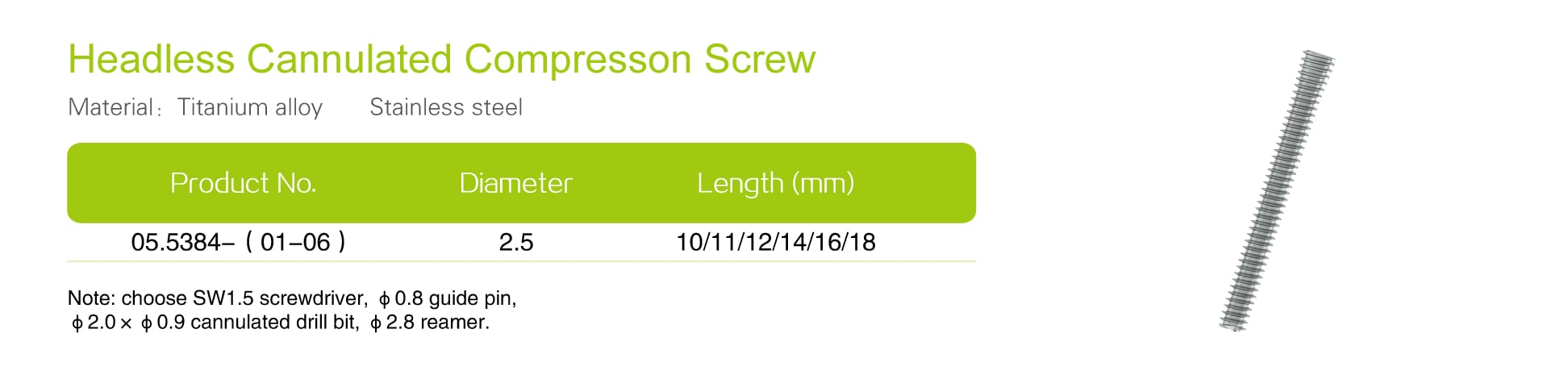
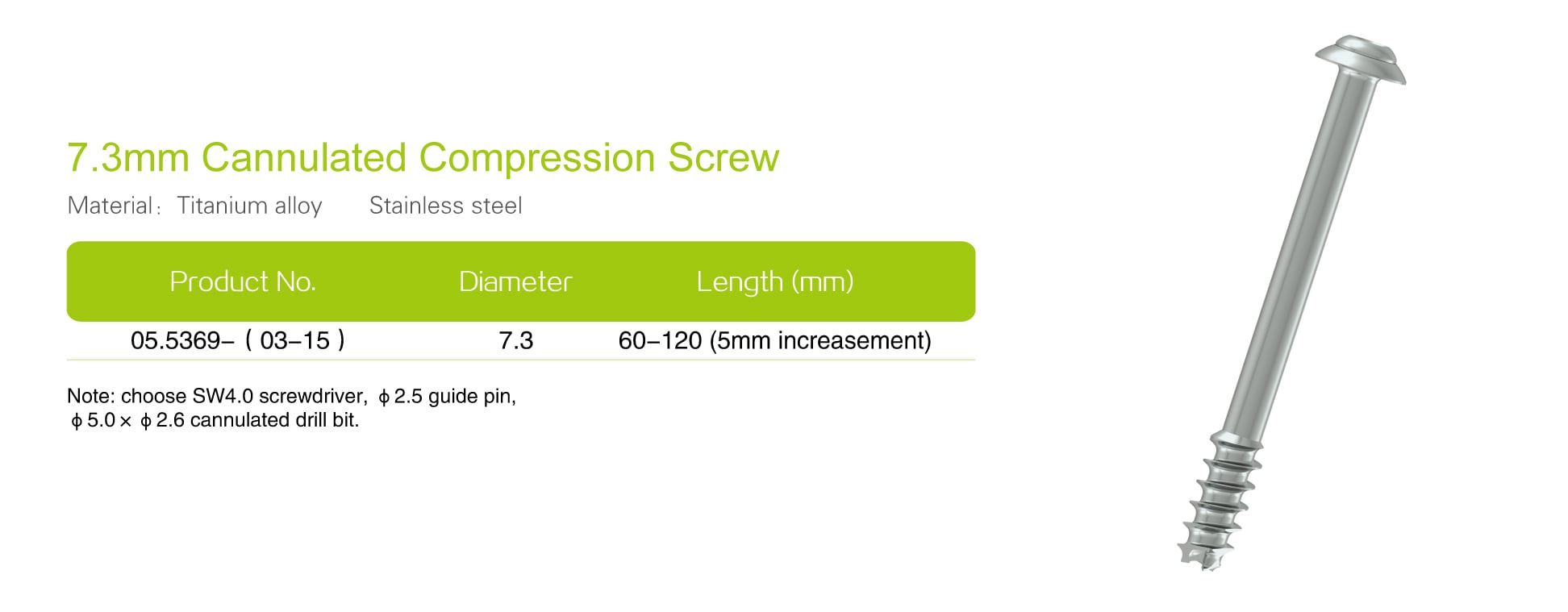
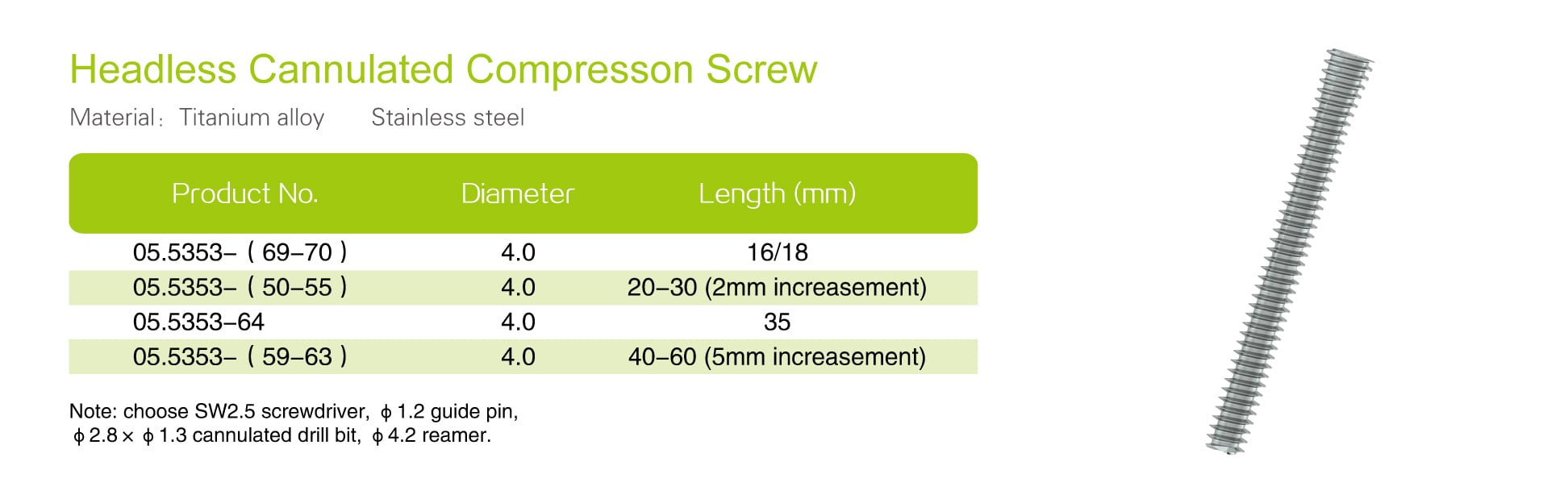
The high precision cannulated screw represents a breakthrough in orthopedic and surgical fixation technology, designed to deliver exceptional accuracy and reliability in bone stabilization procedures. This specialized medical device features a hollow central channel that allows guidewire insertion, enabling surgeons to achieve precise placement during minimally invasive procedures. The high precision cannulated screw is manufactured using advanced CNC machining and premium-grade titanium alloy or stainless steel materials, ensuring superior strength and biocompatibility. Its primary functions include fracture fixation, joint fusion, and bone reconstruction across various anatomical sites. The technological features of the high precision cannulated screw include self-tapping threads for easier insertion, a precisely engineered cannulation for guidewire compatibility, and an optimized thread design that maximizes purchase in both cortical and cancellous bone. The screw's surface undergoes specialized treatment to enhance osseointegration and reduce infection risks. Applications span multiple medical specialties, including trauma surgery, sports medicine, foot and ankle procedures, hand surgery, and spinal fusion operations. The high precision cannulated screw is particularly valuable in treating hip fractures, ACL reconstruction, ankle arthrodesis, and small bone fixations. Its versatility makes it an essential component in modern surgical practice, where accuracy and patient outcomes are paramount. Medical facilities worldwide rely on this technology to improve surgical success rates and reduce recovery times for patients requiring internal fixation solutions.

New Product Releases

Choosing the high precision cannulated screw delivers tangible benefits that directly impact surgical outcomes and operational efficiency. The hollow design allows surgeons to use guidewires for exact positioning before screw insertion, dramatically reducing placement errors and revision surgery rates. This precision translates to faster procedures, less tissue damage, and improved patient recovery times, ultimately lowering overall healthcare costs. The self-tapping feature eliminates the need for pre-drilling in many applications, cutting procedure time by up to thirty percent and reducing patient exposure to anesthesia risks. For medical facilities, this efficiency means increased surgical throughput and better resource utilization. The high precision cannulated screw's superior material composition ensures exceptional strength-to-weight ratios, allowing smaller profile implants that minimize soft tissue irritation while maintaining structural integrity. Patients experience less postoperative pain and faster return to normal activities. The biocompatible materials reduce allergic reactions and promote natural bone healing, decreasing complication rates that burden both patients and healthcare systems. From a practical standpoint, the high precision cannulated screw adapts to diverse anatomical challenges, from delicate small bone fixations to load-bearing applications in major joints. This versatility means surgical teams can standardize their approach across multiple procedure types, simplifying inventory management and staff training requirements. The consistent threading and precise manufacturing tolerances ensure predictable performance, giving surgeons confidence during critical procedures. For purchasing decision-makers, investing in the high precision cannulated screw means partnering with proven technology that balances clinical excellence with economic value, supporting both patient care objectives and facility operational goals through reduced complications, shorter procedure times, and improved long-term outcomes that enhance institutional reputation.

Practical Tips

How Do Orthopedic Implants Contribute to Minimally Invasive Surgery?

02

Jun

How Do Orthopedic Implants Contribute to Minimally Invasive Surgery?

The evolution of surgical medicine has brought forward one of the most significant shifts in patient care: the widespread adoption of minimally invasive surgery. At the heart of this transformation lies the role of orthopedic implants, which have bee...
View More
How Do Orthopedic Implants Enhance Fracture Healing and Recovery?

02

Jun

How Do Orthopedic Implants Enhance Fracture Healing and Recovery?

When a bone fractures, the body initiates a complex biological cascade aimed at restoring structural integrity and function. However, in many cases, this natural process requires mechanical support to succeed. This is precisely where orthopedic impla...
View More
How Does Pedicle Screw Design Enhance Pullout Strength and Stability?

02

Jun

How Does Pedicle Screw Design Enhance Pullout Strength and Stability?

In modern spinal surgery, fixation reliability is not a secondary consideration — it is the foundation upon which patient outcomes are built. The pedicle screw has become the cornerstone of posterior spinal instrumentation, offering surgeons a ...
View More
What Role Does Spinal Screw Play in Complex Spinal Reconstruction?

06

Jul

What Role Does Spinal Screw Play in Complex Spinal Reconstruction?

In complex spinal reconstruction procedures, every implant must perform with precision and reliability. The spinal screw is one of the most critical components in these surgeries, serving as the primary anchor that holds rods, connectors, and bone se...
View More

Get a Free Quote

Our representative will contact you soon.
Email
Name
Company Name
Message
0/1000

high precision cannulated screw

Advanced Cannulation Technology for Superior Surgical Precision

Advanced Cannulation Technology for Superior Surgical Precision

The defining characteristic of the high precision cannulated screw is its expertly engineered hollow core that accommodates guidewire placement throughout the insertion process. This cannulation feature fundamentally changes surgical workflow by allowing surgeons to establish the exact trajectory before committing to screw placement. The guidewire acts as a roadmap, ensuring the high precision cannulated screw follows the optimal path through bone fragments or across joint spaces. This technology is particularly valuable in complex anatomical regions where millimeter-level accuracy determines success or failure. The cannulation diameter is precisely calibrated to accept standard guidewire sizes while maintaining maximum screw strength, representing an optimal balance between functionality and structural integrity. Surgeons can verify positioning through fluoroscopy with the guidewire in place, making real-time adjustments before final implant insertion. This capability virtually eliminates the costly and traumatic complications associated with misplaced screws, including nerve damage, vascular injury, and inadequate fracture reduction. The smooth internal bore prevents guidewire binding, allowing seamless insertion even in dense cortical bone. For teaching hospitals and training programs, the high precision cannulated screw provides an additional safety margin that supports skill development while protecting patient welfare, making advanced surgical techniques more accessible across experience levels.
Optimized Thread Design for Maximum Bone Purchase and Stability

Optimized Thread Design for Maximum Bone Purchase and Stability

The high precision cannulated screw incorporates a scientifically optimized thread geometry that maximizes grip across diverse bone densities and qualities. Unlike standard screws, this design features variable thread pitch and depth calculations based on biomechanical research and clinical feedback from thousands of procedures. The self-tapping thread configuration cuts its own path during insertion, eliminating the need for separate tapping instruments in most applications. This streamlined approach reduces surgical steps, shortens procedure duration, and minimizes trauma to surrounding tissues. The thread profile of the high precision cannulated screw creates compressive forces that draw bone fragments together, promoting natural healing while maintaining rigid fixation throughout the critical early healing phase. The engineered thread angle optimizes the balance between insertion torque and pullout strength, ensuring surgeons can achieve secure placement without risking bone damage from excessive force. In osteoporotic or compromised bone, the increased surface area contact distributes loads more effectively, reducing the risk of screw loosening or catastrophic failure. The precision manufacturing tolerances ensure every thread is perfectly formed, eliminating weak points that could compromise performance. This attention to detail transforms the high precision cannulated screw from a simple fastener into a sophisticated fixation system that actively contributes to healing and long-term stability.
Premium Materials and Surface Treatment for Enhanced Biocompatibility

Premium Materials and Surface Treatment for Enhanced Biocompatibility

The high precision cannulated screw is manufactured exclusively from medical-grade titanium alloy or surgical stainless steel, materials selected for their exceptional strength, corrosion resistance, and biological compatibility. These premium materials undergo rigorous quality testing to meet international medical device standards, ensuring consistent performance and safety. The titanium variants offer superior biocompatibility with bone tissue, promoting faster osseointegration and reducing inflammatory responses that can delay healing. The lightweight nature of titanium reduces stress on healing bone while maintaining the structural strength necessary for load-bearing applications. For patients with metal sensitivities, titanium options minimize allergic reaction risks. The high precision cannulated screw surface receives specialized treatment processes that enhance bone cell adhesion and growth, accelerating the biological fixation that complements mechanical stability. This surface technology creates a micro-textured finish that provides optimal conditions for osteoblast attachment and proliferation. The corrosion-resistant properties ensure the implant maintains integrity throughout its functional life, whether intended for temporary fixation or permanent placement. The material selection also facilitates compatibility with modern imaging technologies, allowing clear post-operative assessment without significant artifact interference. These material advantages position the high precision cannulated screw as a premium solution that justifies investment through superior clinical outcomes and reduced complication rates.

Get a Free Quote

Our representative will contact you soon.
Email
Name
Company Name
Message
0/1000
Newsletter
Please Leave A Message With Us