Locking Pedicle Screw Solutions | Spinal Fixation

All Categories

Get a Free Quote

Our representative will contact you soon.
Email
Name
Company Name
Message
0/1000

locking pedicle screw

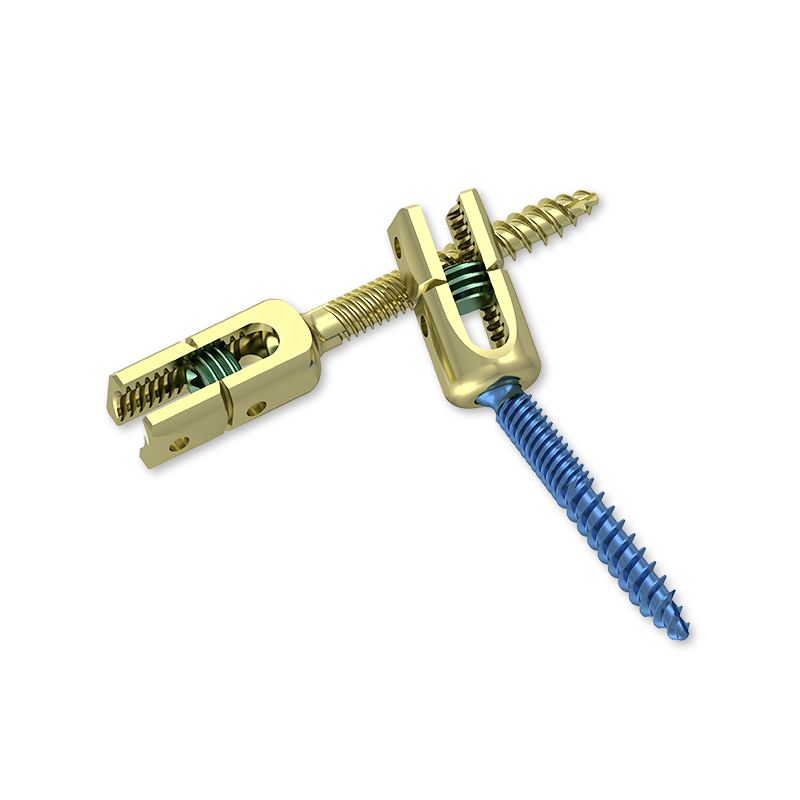
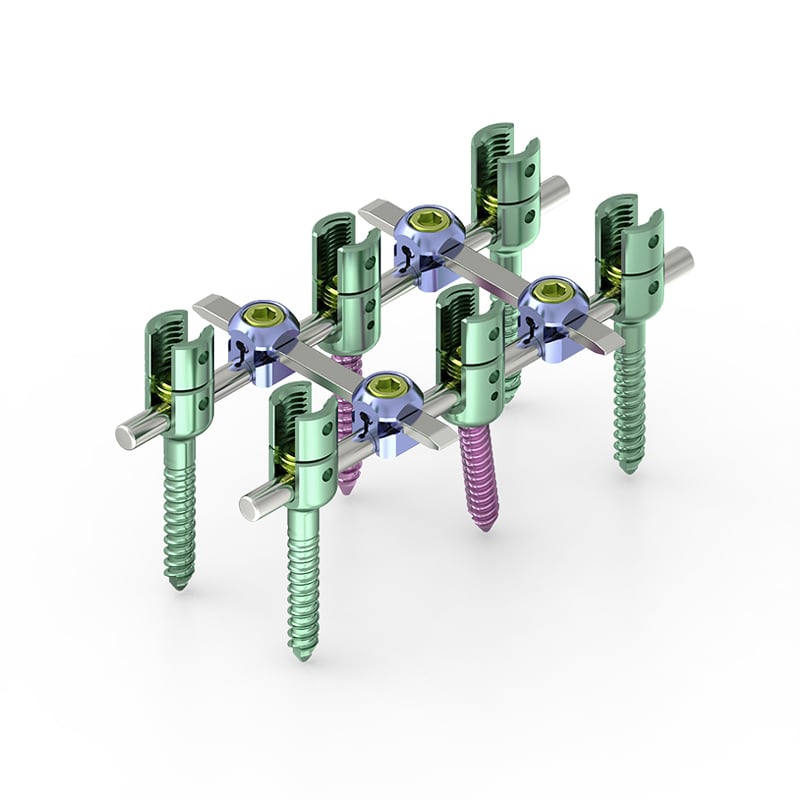
The locking pedicle screw represents a critical advancement in spinal fixation technology, designed to provide superior stability and secure attachment in vertebral surgeries. This specialized orthopedic implant features an innovative locking mechanism that prevents screw back-out and maintains consistent compression throughout the healing process. The locking pedicle screw is engineered with precision threads that ensure optimal purchase in the pedicle bone, while the integrated locking cap creates a rigid connection between the screw head and the spinal rod. This medical device serves as the foundation for spinal fusion procedures, trauma reconstruction, and degenerative spine treatments. The primary function of the locking pedicle screw is to establish a stable three-column fixation that immobilizes vertebral segments during bone healing. Technological features include advanced surface treatments that promote osseointegration, various diameter and length options to accommodate different anatomical requirements, and compatibility with polyaxial or monoaxial head designs. The locking pedicle screw finds extensive applications in treating scoliosis, spondylolisthesis, spinal fractures, and degenerative disc disease. Surgeons rely on this implant for both minimally invasive and open surgical approaches, making it versatile across multiple spinal pathologies. The device's ability to withstand physiological loads while maintaining alignment makes the locking pedicle screw an essential component in modern spinal instrumentation systems, contributing to improved patient outcomes and reduced revision surgery rates.

New Product Releases

Choosing the locking pedicle screw provides surgeons and patients with multiple practical benefits that directly impact surgical success and recovery outcomes. The primary advantage lies in the superior fixation stability that prevents implant migration and maintains spinal alignment throughout the critical healing period. This enhanced security means fewer complications and reduced risk of requiring additional corrective procedures, translating to cost savings and faster patient recovery. The locking mechanism eliminates the concern of screw loosening during daily activities, giving patients confidence to participate in rehabilitation exercises without fear of hardware failure. From an operational perspective, the locking pedicle screw streamlines surgical workflow by offering straightforward insertion techniques and reliable engagement with spinal rods. Surgeons appreciate the tactile feedback during the locking process, which confirms proper assembly and reduces operative time. The device's compatibility with various rod diameters and connector systems provides flexibility in construct design, allowing customization based on individual patient anatomy and pathology. Application suitability extends across a wide range of spinal conditions, from traumatic injuries requiring immediate stabilization to planned fusion procedures for chronic degenerative conditions. The locking pedicle screw performs effectively in osteoporotic bone when paired with augmentation techniques, expanding treatment options for elderly patients who previously faced limited surgical choices. Decision-making becomes clearer when considering the proven track record of reduced revision rates and improved fusion success associated with locking screw technology. The long-term durability and biocompatibility of materials used in manufacturing ensure the locking pedicle screw remains functional throughout the entire healing process and beyond, providing lasting structural support that enables patients to return to meaningful activities with restored spinal function.

Latest News

What Are the Differences Between Monoaxial and Polyaxial Pedicle Screw?

02

Jun

What Are the Differences Between Monoaxial and Polyaxial Pedicle Screw?

In spinal surgery, choosing the right implant can directly influence surgical outcomes, patient recovery, and long-term construct stability. Among the most critical decisions a spine surgeon faces is selecting the appropriate type of pedicle screw fo...
View More
How Do Pedicle Screw Systems Support Scoliosis Correction Surgery?

02

Jun

How Do Pedicle Screw Systems Support Scoliosis Correction Surgery?

Scoliosis correction surgery is one of the most technically demanding procedures in modern spinal orthopedics. The ability to realign a severely curved spine, restore sagittal balance, and maintain long-term structural integrity depends heavily on th...
View More
What Are the Indications for Using Pedicle Screw in Degenerative Spine Disease?

02

Jun

What Are the Indications for Using Pedicle Screw in Degenerative Spine Disease?

Degenerative spine disease encompasses a broad spectrum of conditions that progressively compromise spinal stability, alignment, and neurological function. As these conditions advance, conservative management often fails to provide adequate relief, a...
View More
How Can Distributors Assess Pedicle Screw Supplier Reliability?

06

Jul

How Can Distributors Assess Pedicle Screw Supplier Reliability?

Choosing the right pedicle screw supplier is one of the most consequential decisions a medical device distributor can make. A pedicle screw supplier directly affects patient safety, regulatory standing, and the commercial reputation of every distribu...
View More

Get a Free Quote

Our representative will contact you soon.
Email
Name
Company Name
Message
0/1000

locking pedicle screw

Advanced Locking Mechanism for Unmatched Stability

Advanced Locking Mechanism for Unmatched Stability

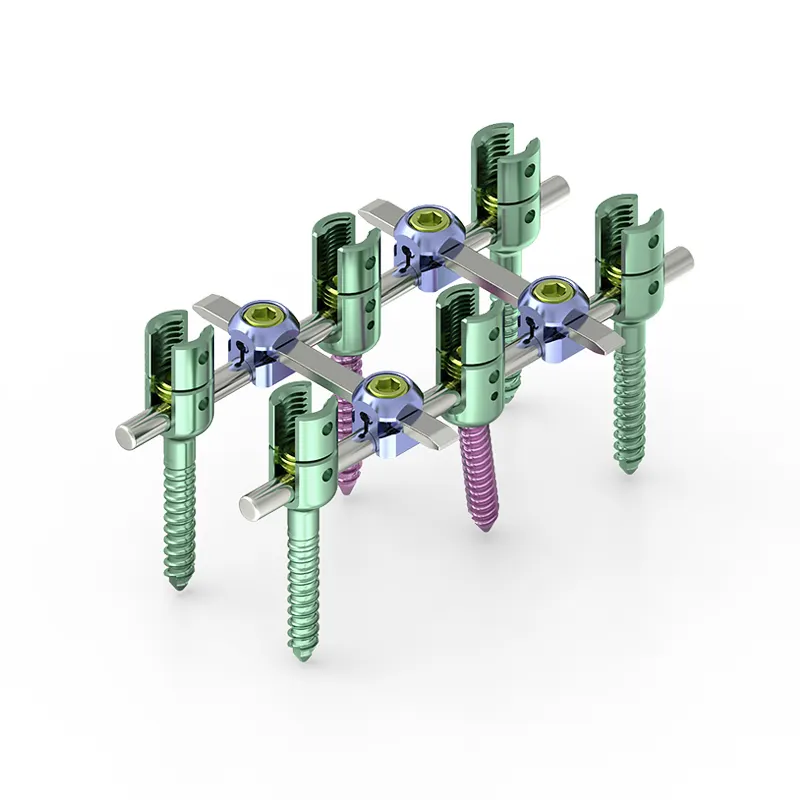
The locking pedicle screw incorporates a sophisticated locking mechanism that fundamentally changes how spinal instrumentation maintains stability over time. Unlike traditional screws that rely solely on friction, this system employs a dedicated locking cap or set screw that creates a mechanically locked interface between the screw head and spinal rod. This design prevents micro-motion at the screw-rod junction, which is critical for promoting solid fusion and preventing pseudarthrosis. The locking feature resists the dynamic forces generated during patient movement, including bending, rotation, and axial loading that occur with everyday activities. Surgeons benefit from the assurance that once properly tightened, the locking pedicle screw maintains its position without requiring secondary procedures to address loosening. This reliability is particularly valuable in complex multi-level constructs where maintaining rod position across several vertebrae is essential for achieving the desired spinal alignment. Patients experience fewer activity restrictions during recovery because the robust fixation tolerates early mobilization, which contributes to better rehabilitation outcomes and reduced hospital stays.
Precision Engineering for Optimal Bone Integration

Precision Engineering for Optimal Bone Integration

Manufacturing precision distinguishes the locking pedicle screw from conventional fixation devices, with design features specifically engineered to maximize bone purchase and biological integration. The thread geometry is carefully calculated to provide optimal holding strength while minimizing stress concentration that could lead to bone fracture during insertion. Advanced surface treatments, including titanium coating and specialized texturing, promote cellular attachment and accelerate the osseointegration process that bonds the implant to living bone. The locking pedicle screw is available in comprehensive size ranges, enabling surgeons to select the ideal diameter and length that matches patient-specific pedicle anatomy revealed through preoperative imaging. This customization ensures maximum cortical engagement without breaching the pedicle walls, which is crucial for avoiding neurovascular complications. The tapered core design reduces insertion torque requirements while maintaining high pull-out strength, making the locking pedicle screw suitable even in compromised bone quality situations. Biocompatible materials used throughout manufacturing eliminate concerns about adverse tissue reactions, while the corrosion-resistant properties ensure long-term structural integrity that supports patients throughout their lifetime.
Versatile Application Across Multiple Surgical Approaches

Versatile Application Across Multiple Surgical Approaches

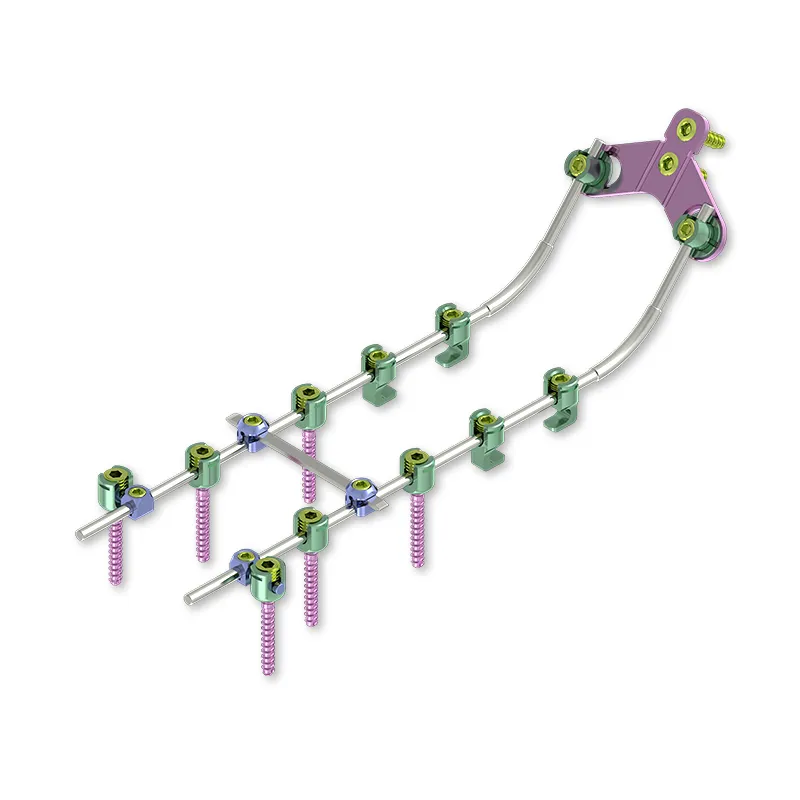
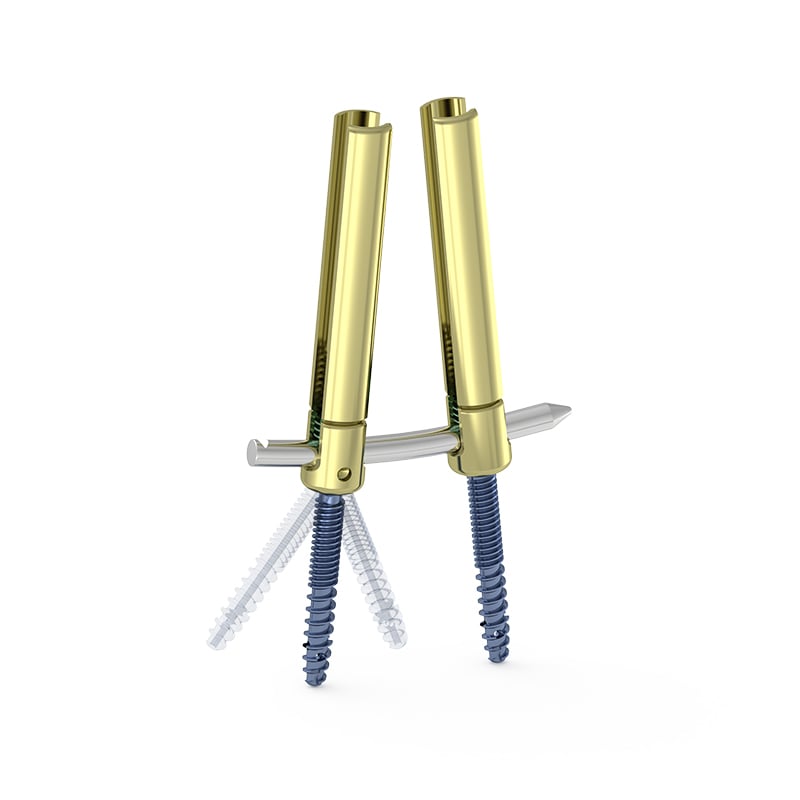
The locking pedicle screw demonstrates exceptional versatility that accommodates diverse surgical techniques and clinical scenarios encountered in modern spine surgery. This adaptability extends to both open traditional approaches and minimally invasive percutaneous techniques, with specialized instrumentation available for each method. The polyaxial head design found in many locking pedicle screw systems allows multi-directional rod placement, simplifying construct assembly when dealing with complex spinal deformities or anatomical variations that make parallel screw trajectories difficult. Surgeons performing revision surgery appreciate how the locking pedicle screw can be integrated with existing hardware or used to establish new fixation points when previous implants have failed. The device's compatibility with various rod materials, including titanium and cobalt-chromium alloys, provides flexibility in matching construct stiffness to specific clinical requirements. Whether addressing acute traumatic injuries requiring urgent stabilization, progressive deformities like adolescent idiopathic scoliosis, or degenerative conditions in aging populations, the locking pedicle screw adapts to meet the mechanical demands of each unique situation, making it a reliable choice for spine surgeons across all subspecialty areas and practice settings.

Get a Free Quote

Our representative will contact you soon.
Email
Name
Company Name
Message
0/1000
Newsletter
Please Leave A Message With Us