pedicle screw indications
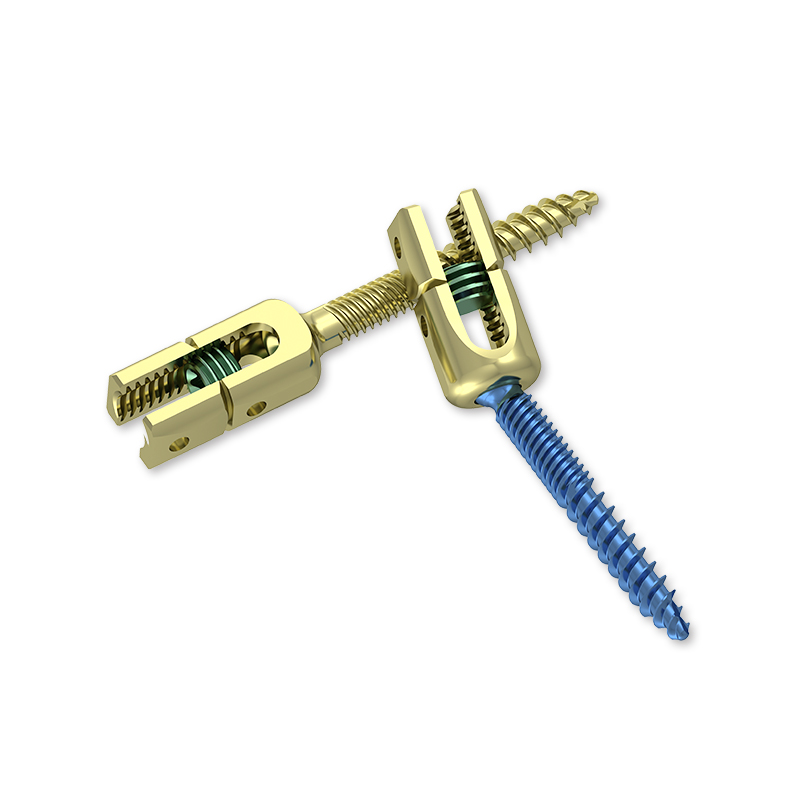
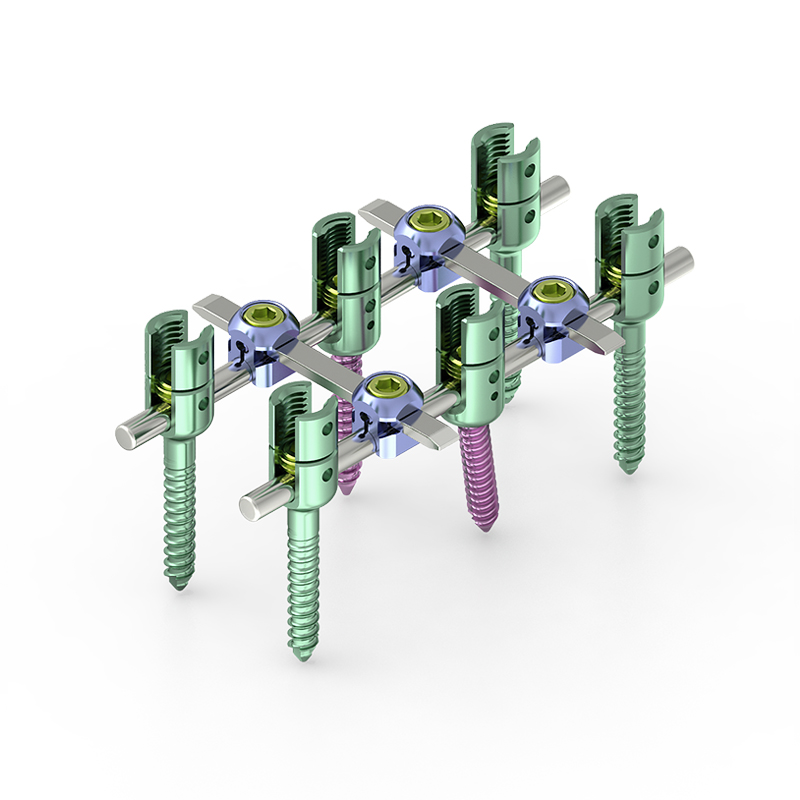
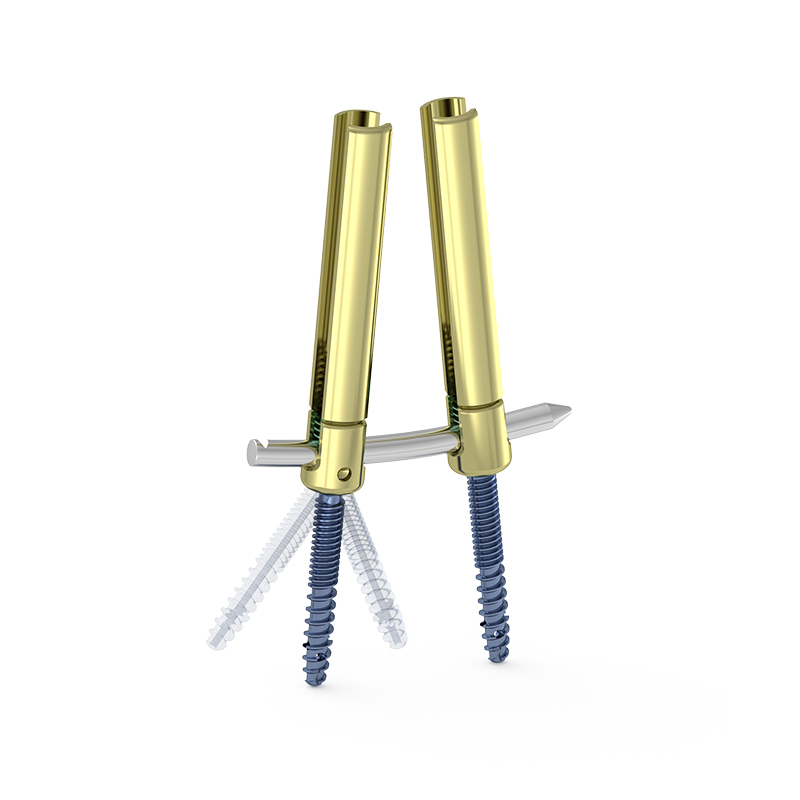
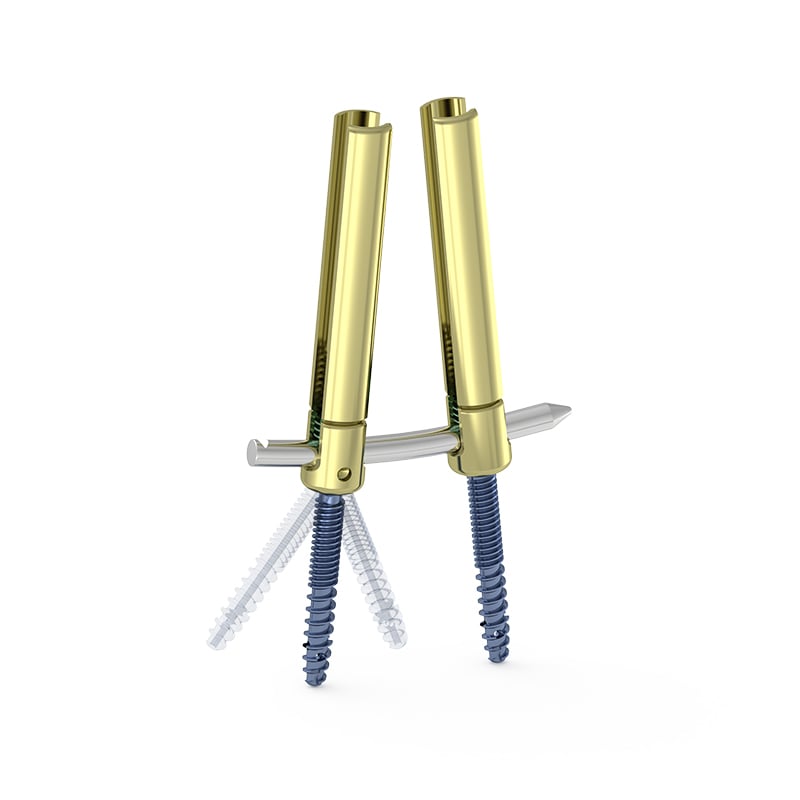
Pedicle screw indications encompass a wide range of spinal conditions requiring stabilization and fusion procedures. These specialized orthopedic devices are primarily indicated for treating degenerative disc disease, spondylolisthesis, spinal deformities including scoliosis and kyphosis, spinal fractures, and tumor-related vertebral instability. Understanding pedicle screw indications is essential for surgeons selecting appropriate fixation methods for complex spinal pathologies. The main function of pedicle screws involves providing three-column spinal fixation by anchoring into the pedicle, the strongest part of the vertebra, creating a stable foundation for spinal reconstruction. Technological features include various screw designs with polyaxial or monoaxial heads, cannulated or solid core construction, and materials such as titanium alloy or stainless steel that ensure biocompatibility and strength. Pedicle screw indications extend to revision surgeries where previous fusion attempts have failed, as well as trauma cases requiring immediate stabilization. The applications span thoracic, lumbar, and sacral spine segments, with specialized designs available for cervical spine use in select cases. Modern pedicle screw systems incorporate advanced features like self-tapping threads, dual-core technology for enhanced pullout strength, and low-profile head designs that minimize soft tissue irritation. Clinical applications of pedicle screw indications also include minimally invasive spine surgery techniques, where percutaneous placement reduces muscle damage and accelerates recovery. The versatility of these devices makes them indispensable in contemporary spine surgery, addressing both simple and complex spinal pathologies with reliable biomechanical stability.

 EN
EN