Locking Spinal Screw: Advanced Fixation Solution

All Categories

Get a Free Quote

Our representative will contact you soon.
Email
Name
Company Name
Message
0/1000

locking spinal screw

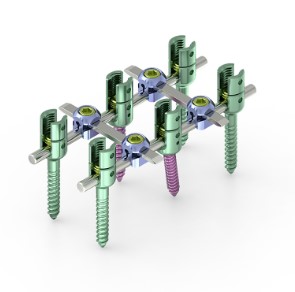
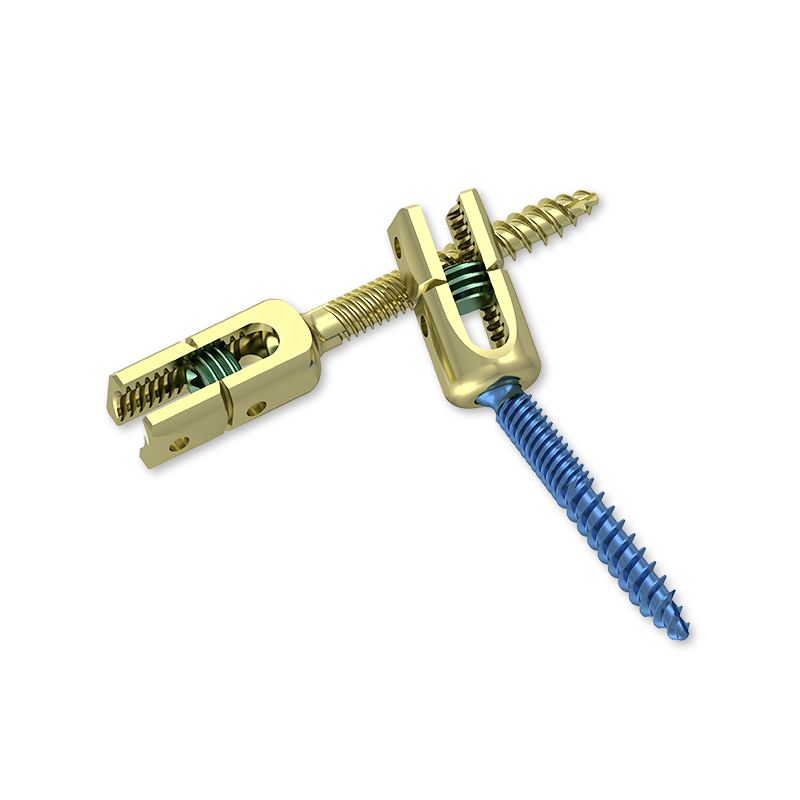
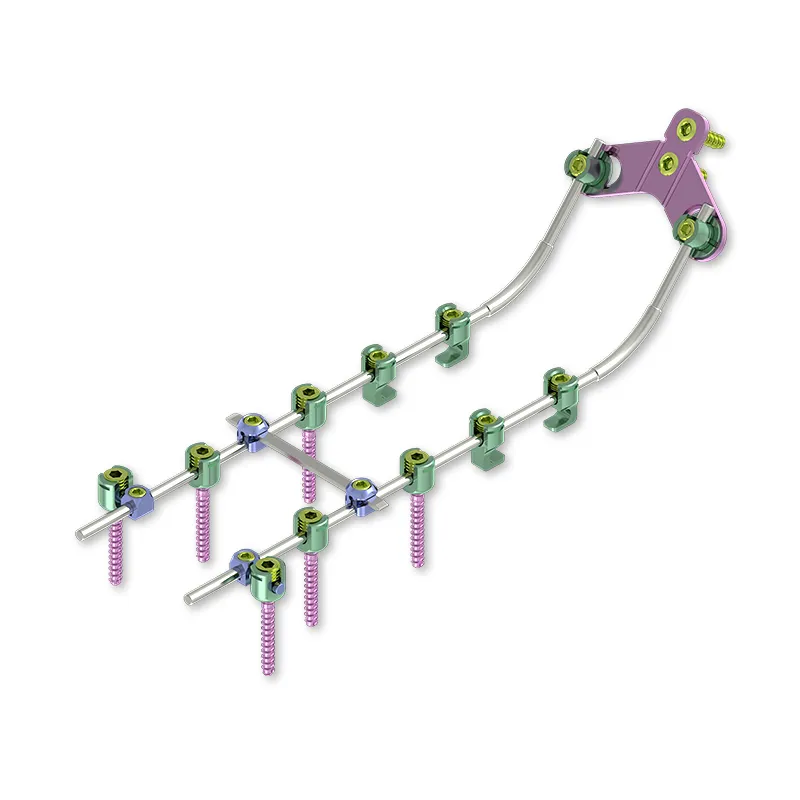
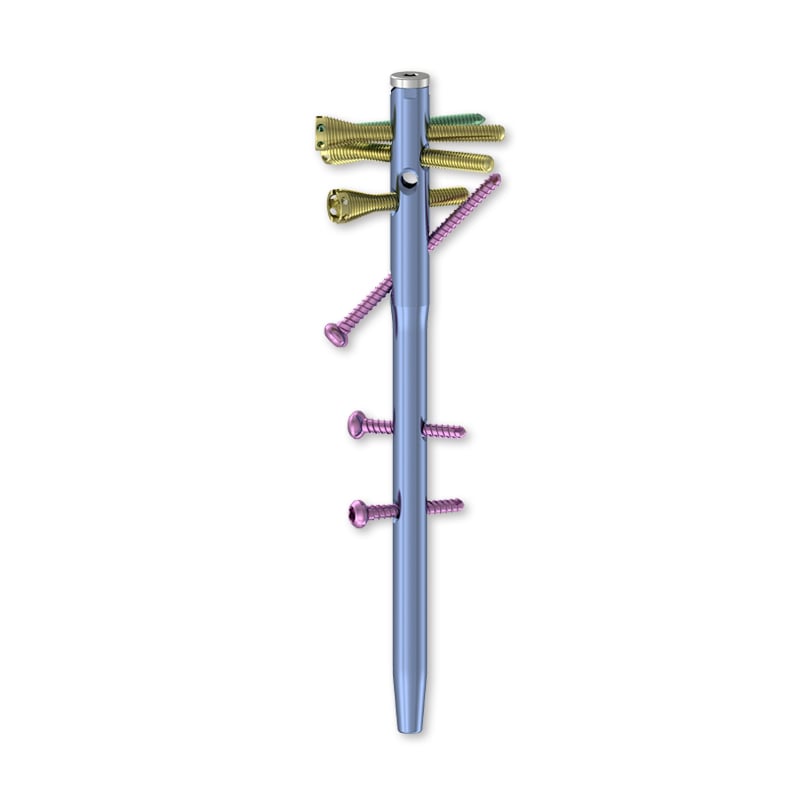
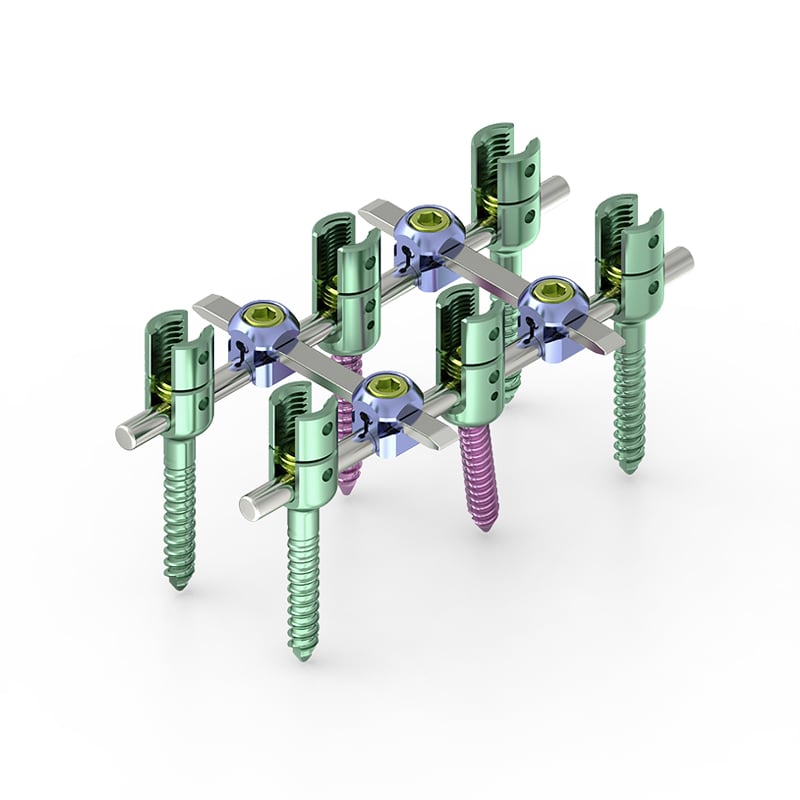
A locking spinal screw is an advanced orthopedic implant designed to provide secure fixation in spinal fusion and stabilization procedures. This specialized medical device features a unique locking mechanism that creates a fixed-angle connection between the screw and the spinal rod, ensuring exceptional stability during the healing process. The locking spinal screw is engineered with precision threading and a head design that accommodates set screws or caps, which lock the rod firmly in place once positioned. This technology represents a significant advancement in spinal surgery, offering surgeons enhanced control during implantation and patients improved outcomes through reliable spinal alignment. The primary functions of the locking spinal screw include anchoring into vertebral bone, securing spinal rods for construct rigidity, and maintaining corrected spinal alignment throughout the fusion process. Technological features encompass biocompatible materials such as titanium alloy or stainless steel, polyaxial or monoaxial head designs for versatile placement angles, and self-tapping capabilities that facilitate insertion. Applications span various spinal conditions including degenerative disc disease, spondylolisthesis, spinal deformities, trauma-related injuries, and tumor-related instability. The locking spinal screw system is utilized across cervical, thoracic, and lumbar spine regions, making it an essential component in modern spinal instrumentation. Surgeons rely on this device to reconstruct spinal integrity, distribute mechanical loads effectively, and create the stable environment necessary for successful bone fusion and patient recovery.

New Products

The locking spinal screw delivers substantial benefits that directly impact surgical outcomes and patient recovery. First, the fixed-angle locking mechanism prevents screw-rod micro-motion, which significantly reduces the risk of construct failure and ensures consistent spinal alignment throughout the healing period. This stability translates to higher fusion rates and fewer revision surgeries, providing tangible value for healthcare facilities managing treatment costs and patient satisfaction. The operational benefits are equally compelling, as the locking spinal screw system simplifies surgical technique by allowing surgeons to lock the rod position definitively once optimal alignment is achieved. This eliminates concerns about rod slippage during final tightening, reducing operative time and intraoperative stress. The versatility of polyaxial locking spinal screw designs accommodates varying anatomical conditions and surgical approaches, making the technology suitable for complex deformity corrections, minimally invasive procedures, and revision surgeries where precise rod positioning is challenging. For patients, the practical advantages include reduced post-operative pain due to superior construct stability, earlier mobilization because the secure fixation supports safe movement, and improved long-term outcomes with maintained spinal alignment that prevents adjacent segment degeneration. Healthcare decision-makers appreciate that the locking spinal screw reduces overall treatment costs by minimizing complications and revision rates while improving patient throughput. The device suits applications ranging from single-level fusions in elderly patients with osteoporotic bone to multi-level reconstructions in younger patients with traumatic injuries. The combination of mechanical reliability, surgical efficiency, and proven clinical performance makes the locking spinal screw an intelligent investment for facilities committed to delivering superior spinal care with measurable outcomes that benefit both patients and institutional quality metrics.

Tips And Tricks

What Are the Main Types of Orthopedic Implants Used in Trauma Surgery?

02

Jun

What Are the Main Types of Orthopedic Implants Used in Trauma Surgery?

When a patient sustains a serious bone fracture or joint injury, the goal of trauma surgery is to restore stability, alignment, and function as efficiently and safely as possible. Central to achieving that goal are orthopedic implants — precisi...
View More
What Are the Differences Between Monoaxial and Polyaxial Pedicle Screw?

02

Jun

What Are the Differences Between Monoaxial and Polyaxial Pedicle Screw?

In spinal surgery, choosing the right implant can directly influence surgical outcomes, patient recovery, and long-term construct stability. Among the most critical decisions a spine surgeon faces is selecting the appropriate type of pedicle screw fo...
View More
What Are the Indications for Using Pedicle Screw in Degenerative Spine Disease?

02

Jun

What Are the Indications for Using Pedicle Screw in Degenerative Spine Disease?

Degenerative spine disease encompasses a broad spectrum of conditions that progressively compromise spinal stability, alignment, and neurological function. As these conditions advance, conservative management often fails to provide adequate relief, a...
View More
How Does Spinal Screw Improve Outcomes in Scoliosis Correction Surgery?

06

Jul

How Does Spinal Screw Improve Outcomes in Scoliosis Correction Surgery?

Scoliosis correction surgery is one of the most technically demanding procedures in spinal care, requiring precise instrumentation to restore alignment and maintain long-term stability. At the center of modern surgical technique, the spinal screw has...
View More

Get a Free Quote

Our representative will contact you soon.
Email
Name
Company Name
Message
0/1000

locking spinal screw

Fixed-Angle Locking Mechanism for Superior Stability

Fixed-Angle Locking Mechanism for Superior Stability

The defining feature of the locking spinal screw is its fixed-angle locking mechanism, which creates an immovable connection between the screw head and the spinal rod. Unlike traditional systems where the rod can potentially shift within the screw head, the locking spinal screw uses a set screw or locking cap that compresses against the rod with precisely calibrated force, eliminating any degree of freedom once locked. This mechanical advantage is crucial in maintaining the exact spinal alignment achieved during surgery throughout the entire healing process. The importance of this feature becomes evident when considering the forces acting on spinal constructs during patient movement, weight-bearing, and muscle activity. Without secure locking, micro-motion can occur at the rod-screw interface, leading to construct loosening, loss of correction, and ultimately fusion failure. The locking spinal screw eliminates these risks by providing rigid fixation that withstands physiological loads. For patients, this translates to confidence in their surgical repair and reduced anxiety about hardware failure. For surgeons, it means predictable outcomes and fewer post-operative adjustments. The value extends to healthcare systems through reduced revision surgery rates and improved patient satisfaction scores, making the locking spinal screw technology an essential component of modern spinal instrumentation standards.
Biocompatible Materials and Bone-Preserving Design

Biocompatible Materials and Bone-Preserving Design

The locking spinal screw is manufactured from premium biocompatible materials, typically medical-grade titanium alloy or stainless steel, which have been extensively tested for long-term implantation safety and osseointegration properties. Titanium alloys offer an optimal balance of strength, corrosion resistance, and compatibility with imaging modalities like MRI, allowing post-operative monitoring without artifact interference. The thread design of the locking spinal screw is engineered to maximize purchase in both healthy and compromised bone, featuring aggressive cutting flutes for self-tapping insertion and thread geometries that distribute loads across a larger bone surface area. This bone-preserving approach is particularly valuable in patients with osteoporosis or poor bone quality, where traditional screws may strip or loosen. The core diameter and thread pitch are optimized through biomechanical testing to provide maximum pullout resistance while minimizing bone removal during insertion. The smooth surface finish undergoes specialized treatments to promote bone apposition and integration, creating a biological bond that enhances long-term fixation strength. These material and design considerations ensure the locking spinal screw performs reliably across diverse patient populations, from elderly individuals with fragile bone to active younger patients who place higher mechanical demands on their spinal constructs, ultimately providing dependable fixation that supports successful fusion outcomes.
Versatile Polyaxial Design for Complex Anatomies

Versatile Polyaxial Design for Complex Anatomies

Advanced locking spinal screw systems incorporate polyaxial head designs that allow multidirectional angulation before final locking, providing surgeons with critical flexibility when addressing complex spinal anatomies and deformities. The polyaxial mechanism enables the screw to pivot within a cone of angles, typically ranging from 25 to 40 degrees depending on the specific design, allowing the rod to be positioned along the optimal biomechanical axis even when screw trajectories vary due to anatomical constraints. This adaptability is invaluable in cases of severe scoliosis, kyphosis, or revision surgeries where previous hardware or bone loss creates challenging fixation scenarios. The locking spinal screw with polyaxial capability allows surgeons to place screws along the safest paths that avoid neural structures and vascular elements, then converge the rod to the desired position without compromising screw placement. Once the optimal configuration is achieved, the locking mechanism secures the chosen angle permanently, converting the polyaxial system into a fixed construct with all the stability benefits. This combination of intraoperative flexibility and post-locking rigidity represents a significant technological advancement. For surgical teams, it reduces procedure complexity and operating room time. For patients, it means safer screw placement with lower neurological complication risks and better overall alignment correction, contributing to improved functional outcomes and quality of life following spinal reconstruction procedures.

Get a Free Quote

Our representative will contact you soon.
Email
Name
Company Name
Message
0/1000
Newsletter
Please Leave A Message With Us