medical orthopedic implants
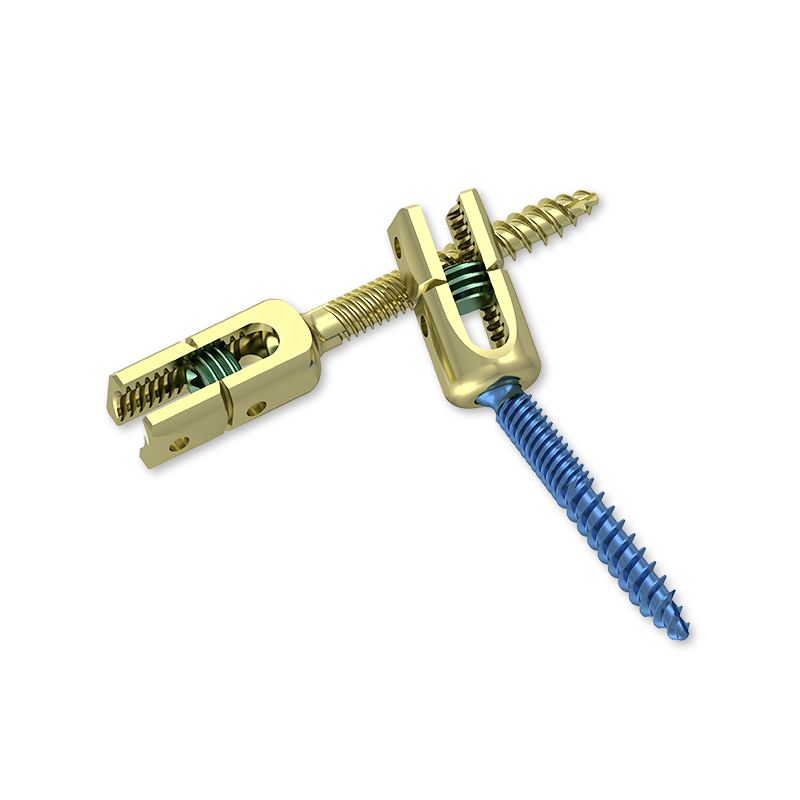
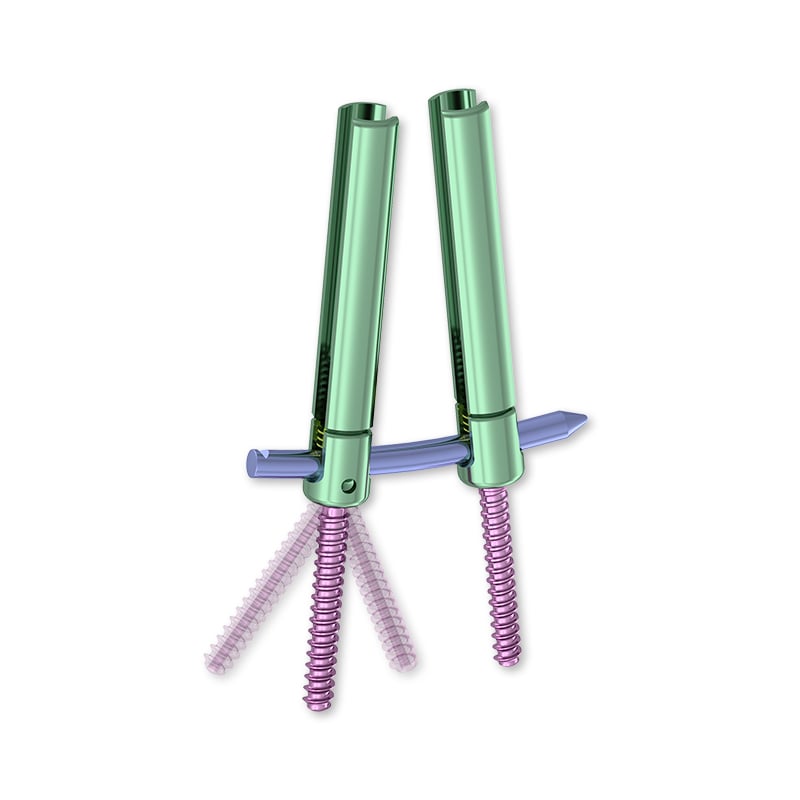
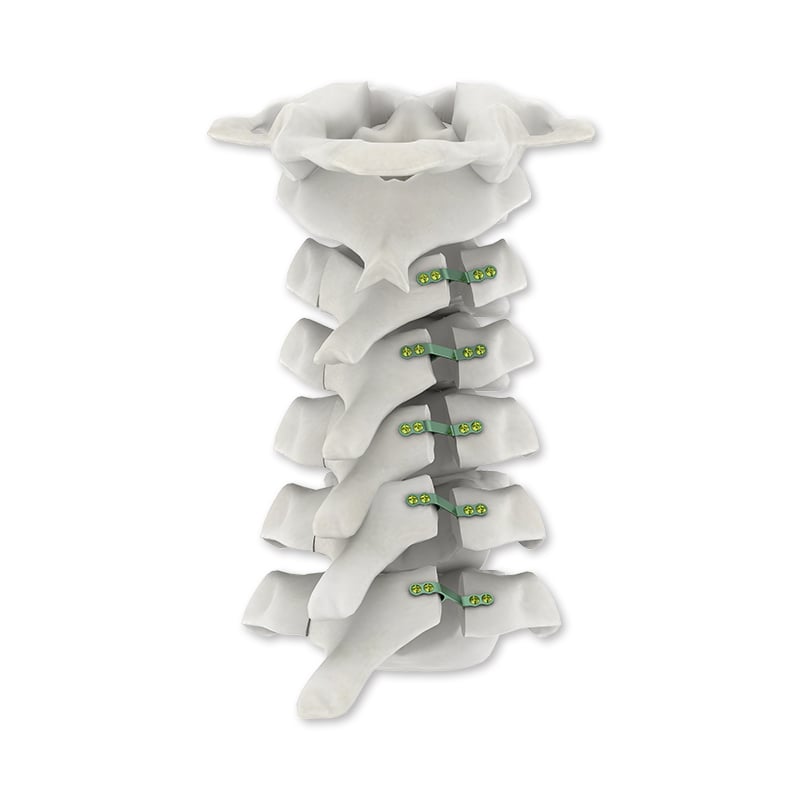
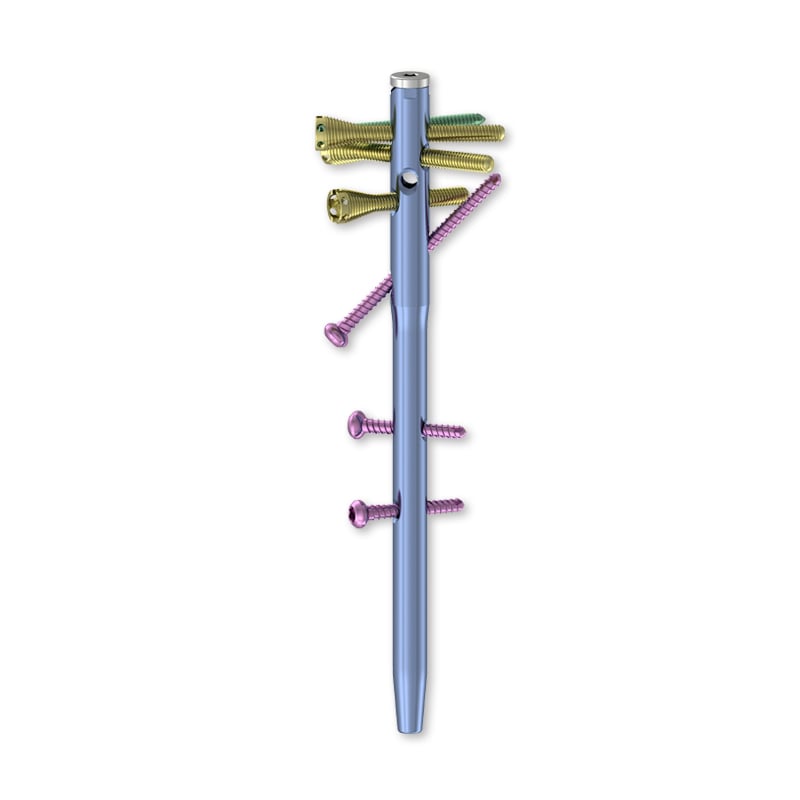
Medical orthopedic implants are specialized surgical devices designed to replace, support, or enhance damaged bones and joints within the human musculoskeletal system. These precision-engineered devices restore mobility, alleviate pain, and improve the quality of life for patients suffering from degenerative diseases, traumatic injuries, or congenital abnormalities. Medical orthopedic implants encompass a wide range of products including hip and knee replacements, spinal fusion devices, trauma plates and screws, shoulder implants, and bone grafting materials. The main functions of these implants include structural support for weakened or fractured bones, joint replacement to restore natural movement, and stabilization of damaged skeletal structures during the healing process. Technologically, modern medical orthopedic implants utilize advanced biocompatible materials such as titanium alloys, cobalt-chromium compounds, stainless steel, and high-grade polymers that integrate seamlessly with human tissue. Many implants feature porous surface coatings that encourage bone ingrowth, ensuring long-term stability and durability. Computer-aided design and three-dimensional printing technologies enable customized implant solutions tailored to individual patient anatomy. Applications span across various medical specialties including orthopedic surgery, sports medicine, trauma care, and reconstructive procedures. These devices serve patients of all ages, from elderly individuals requiring joint replacements due to arthritis to younger athletes recovering from severe sports injuries. Medical orthopedic implants represent a critical advancement in modern healthcare, combining materials science, biomechanics, and surgical innovation to deliver effective solutions for complex skeletal problems.

 EN
EN