Orthopedic Cannulated Screw Solutions

All Categories

Get a Free Quote

Our representative will contact you soon.
Email
Name
Company Name
Message
0/1000

orthopedic cannulated screw

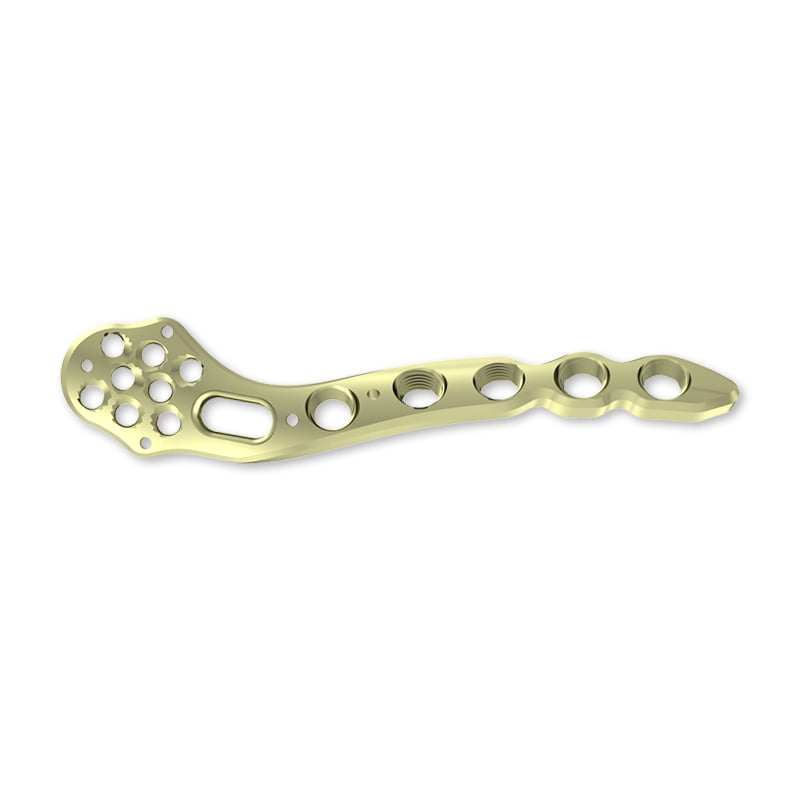
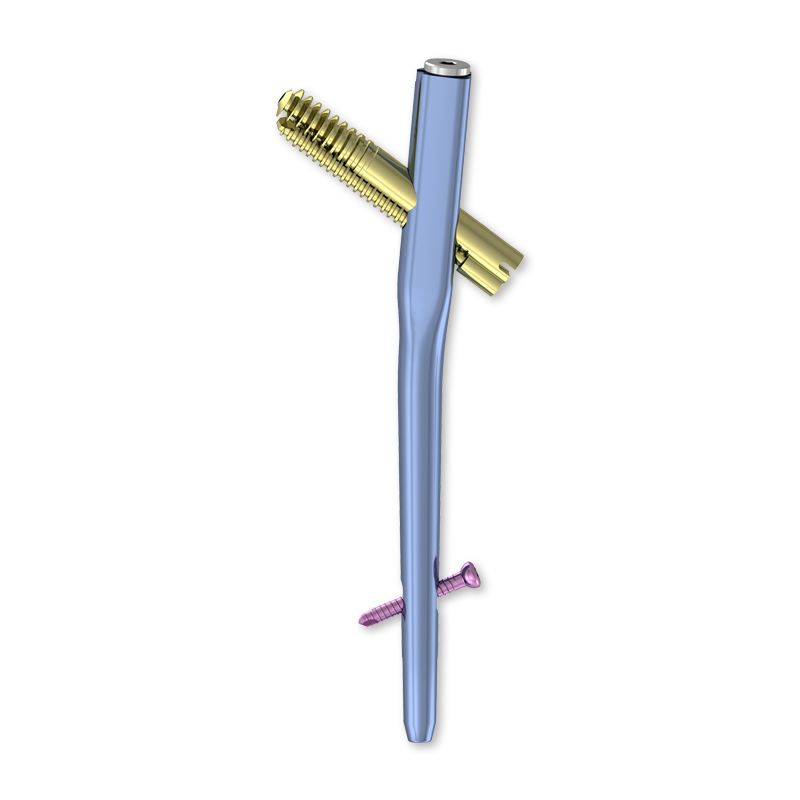
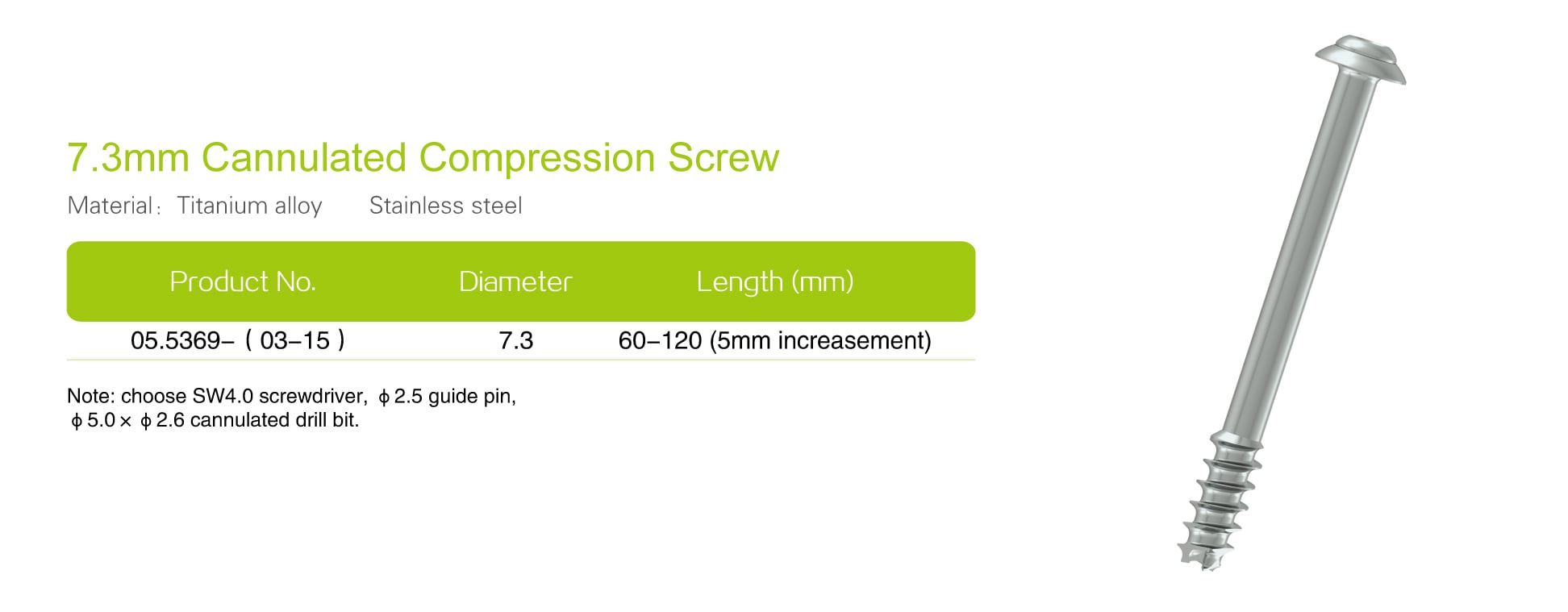
An orthopedic cannulated screw is a specialized surgical implant designed with a hollow core that runs through its entire length, enabling precise placement over a guide wire during orthopedic procedures. This innovative design distinguishes it from traditional solid screws and provides surgeons with enhanced control and accuracy when stabilizing fractures and securing bone fragments. The orthopedic cannulated screw serves as a critical fixation device in treating various skeletal injuries, offering reliable compression and stability to promote optimal bone healing. The hollow channel allows surgeons to insert the screw over a pre-positioned guide wire, ensuring accurate trajectory and placement even in challenging anatomical locations. Manufactured from biocompatible materials such as titanium alloy or stainless steel, these screws feature threads that engage bone tissue effectively while minimizing tissue damage during insertion. The orthopedic cannulated screw finds extensive application in treating hip fractures, ankle fractures, hand and foot injuries, and cruciate ligament reconstructions. Its versatility makes it indispensable in both trauma surgery and elective orthopedic procedures. The self-tapping design of many cannulated screws reduces insertion torque and prevents thermal necrosis of surrounding bone. Available in various diameters, lengths, and thread configurations, the orthopedic cannulated screw can be customized to match specific anatomical requirements and fracture patterns. This adaptability ensures that surgeons can select the optimal implant for each unique clinical situation, maximizing patient outcomes and supporting successful bone union across diverse orthopedic applications.

New Products

The primary advantage of an orthopedic cannulated screw lies in its ability to deliver superior placement accuracy through guide wire navigation, which significantly reduces surgical complications and improves patient outcomes. This precision-guided approach allows surgeons to verify the exact screw path before final insertion, minimizing the risk of damaging surrounding soft tissues, nerves, or blood vessels. Patients benefit from shorter surgical times because the orthopedic cannulated screw technique streamlines the procedure, reducing anesthesia exposure and accelerating recovery. The hollow design does not compromise structural integrity, as advanced engineering ensures these screws maintain excellent load-bearing capacity comparable to solid alternatives. Healthcare facilities appreciate the cost-effectiveness of these implants, as the reduced surgical time translates to lower operating room expenses and improved resource utilization. The orthopedic cannulated screw demonstrates remarkable versatility across multiple applications, from simple fracture fixation to complex reconstructive procedures, making it a valuable addition to any surgical inventory. Patients experience less postoperative pain and faster return to normal activities because the minimally invasive insertion technique preserves healthy tissue and promotes natural healing processes. The biocompatible materials used in manufacturing these screws ensure excellent osseointegration, where bone tissue grows around and bonds with the implant surface for long-term stability. Surgeons gain confidence from the reproducible results and predictable performance of the orthopedic cannulated screw across various bone densities and patient populations. The standardized instrumentation and straightforward insertion technique reduce the learning curve for medical professionals, enabling consistent application across different surgical teams. These combined benefits make the orthopedic cannulated screw an intelligent choice for medical institutions seeking to optimize surgical outcomes while maintaining patient safety and satisfaction.

Practical Tips

Why Is Innovation Important for Competitive Orthopedic Implants Suppliers?

02

Jun

Why Is Innovation Important for Competitive Orthopedic Implants Suppliers?

The medical device industry is undergoing rapid transformation, and nowhere is this change more consequential than in the field of orthopedic surgery. For orthopedic implants suppliers, staying competitive is no longer simply a matter of offering rel...
View More
How Do Pedicle Screw Systems Support Scoliosis Correction Surgery?

02

Jun

How Do Pedicle Screw Systems Support Scoliosis Correction Surgery?

Scoliosis correction surgery is one of the most technically demanding procedures in modern spinal orthopedics. The ability to realign a severely curved spine, restore sagittal balance, and maintain long-term structural integrity depends heavily on th...
View More
How to Optimize Pedicle Screw Placement for Better Surgical Outcomes?

06

Jul

How to Optimize Pedicle Screw Placement for Better Surgical Outcomes?

Achieving precise pedicle screw placement is one of the most critical skills in modern spinal surgery. When pedicle screw placement is performed accurately, it creates a stable fixation point that supports spinal fusion, corrects deformity, and reduc...
View More
Why Is Accurate Spinal Screw Placement Crucial for Patient Safety?

06

Jul

Why Is Accurate Spinal Screw Placement Crucial for Patient Safety?

Pedicle screw placement is one of the most technically demanding steps in spinal surgery. When a surgeon positions each screw with precision, the entire construct gains stability, and the patient's recovery is protected from preventable complications...
View More

Get a Free Quote

Our representative will contact you soon.
Email
Name
Company Name
Message
0/1000

orthopedic cannulated screw

Precision Guide Wire Technology

Precision Guide Wire Technology

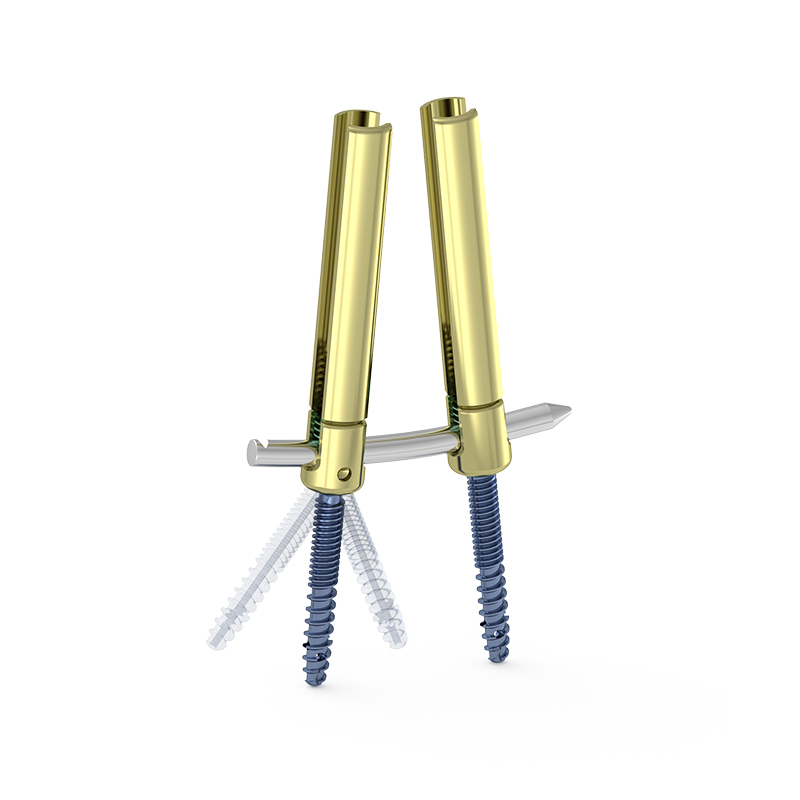
The orthopedic cannulated screw incorporates a hollow central channel that revolutionizes surgical accuracy by allowing insertion over a pre-placed guide wire. This technological advancement enables surgeons to establish the ideal screw trajectory before committing to final placement, dramatically reducing the risk of malposition or anatomical structure damage. The guide wire serves as a roadmap through complex bone anatomy, particularly valuable in dense cortical bone or areas with limited surgical exposure. Surgeons can verify the wire position using fluoroscopy or other imaging modalities, ensuring optimal alignment before drilling and screw insertion. This methodical approach proves especially beneficial in critical applications such as femoral neck fractures, where precise screw placement directly impacts blood supply preservation and healing success. The orthopedic cannulated screw system eliminates guesswork from the equation, replacing it with measurable certainty that improves patient safety. The hollow design maintains structural strength while facilitating this guided approach, demonstrating that innovation need not compromise fundamental mechanical properties. Medical professionals consistently report higher confidence levels when using these screws for challenging cases, knowing that the guide wire technology provides an additional safety margin that protects patients and enhances surgical outcomes across diverse orthopedic applications.
Minimally Invasive Surgical Approach

Minimally Invasive Surgical Approach

The orthopedic cannulated screw enables surgeons to perform fixation procedures through smaller incisions with reduced soft tissue disruption, aligning perfectly with modern minimally invasive surgical principles. This approach benefits patients through decreased postoperative pain, reduced scarring, lower infection rates, and accelerated rehabilitation timelines. The guide wire can be inserted through a small percutaneous incision, followed by sequential instrumentation over the wire, eliminating the need for extensive surgical exposure that traditional techniques require. Patients appreciate the cosmetic advantages of smaller incisions and the functional benefits of preserved muscle and tendon integrity around the surgical site. The orthopedic cannulated screw technique particularly excels in treating fractures where extensive dissection might compromise blood supply to bone fragments or increase the risk of soft tissue complications. Healthcare providers recognize that minimally invasive approaches reduce hospital stays and enable earlier patient mobilization, translating to lower overall treatment costs and improved patient satisfaction scores. The reduced surgical trauma also decreases the inflammatory response, potentially lowering the risk of postoperative complications such as deep vein thrombosis or excessive scar tissue formation. This patient-centered approach demonstrates how the orthopedic cannulated screw represents not just a technical improvement but a philosophical shift toward gentler, more effective orthopedic care that prioritizes rapid recovery and quality of life.
Versatile Clinical Applications

Versatile Clinical Applications

The orthopedic cannulated screw demonstrates exceptional adaptability across a broad spectrum of orthopedic procedures, from emergency trauma management to planned reconstructive surgeries. This versatility makes it an economical choice for surgical facilities, as a single screw system can address multiple clinical scenarios rather than requiring specialized implants for each application. Surgeons routinely employ these screws for hip fracture stabilization, particularly in femoral neck and intertrochanteric fractures where compression and stability are paramount. The orthopedic cannulated screw also proves invaluable in foot and ankle surgery, where precise placement in small bones demands the accuracy that guide wire technology provides. Ligament reconstruction procedures, especially anterior cruciate ligament repairs, benefit from cannulated screw fixation that securely anchors tendon grafts while minimizing bone damage. Hand surgeons rely on smaller diameter versions for scaphoid fractures and other delicate fixation needs where precision is non-negotiable. The availability of various thread designs, including fully threaded and partially threaded configurations, allows customization to specific biomechanical requirements, whether the goal is compression, lag effect, or positional holding. This comprehensive application range means that orthopedic departments can standardize on the orthopedic cannulated screw platform while still addressing the full diversity of cases they encounter, simplifying inventory management and surgical training requirements.

Get a Free Quote

Our representative will contact you soon.
Email
Name
Company Name
Message
0/1000
Newsletter
Please Leave A Message With Us