Orthopedic Fracture Cannulated Screw Solutions

All Categories

Get a Free Quote

Our representative will contact you soon.
Email
Name
Company Name
Message
0/1000

orthopedic fracture cannulated screw

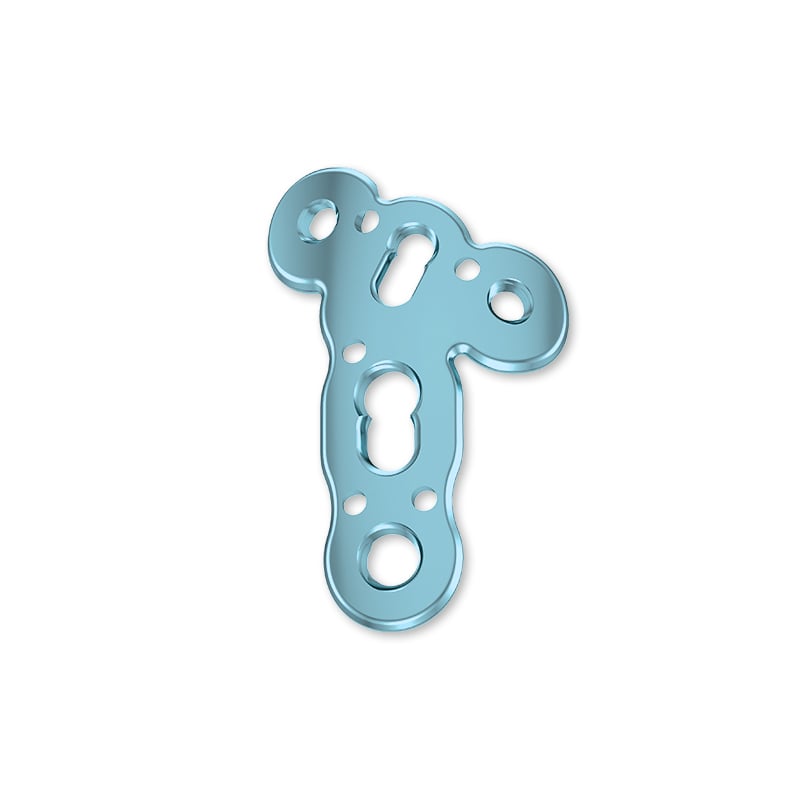
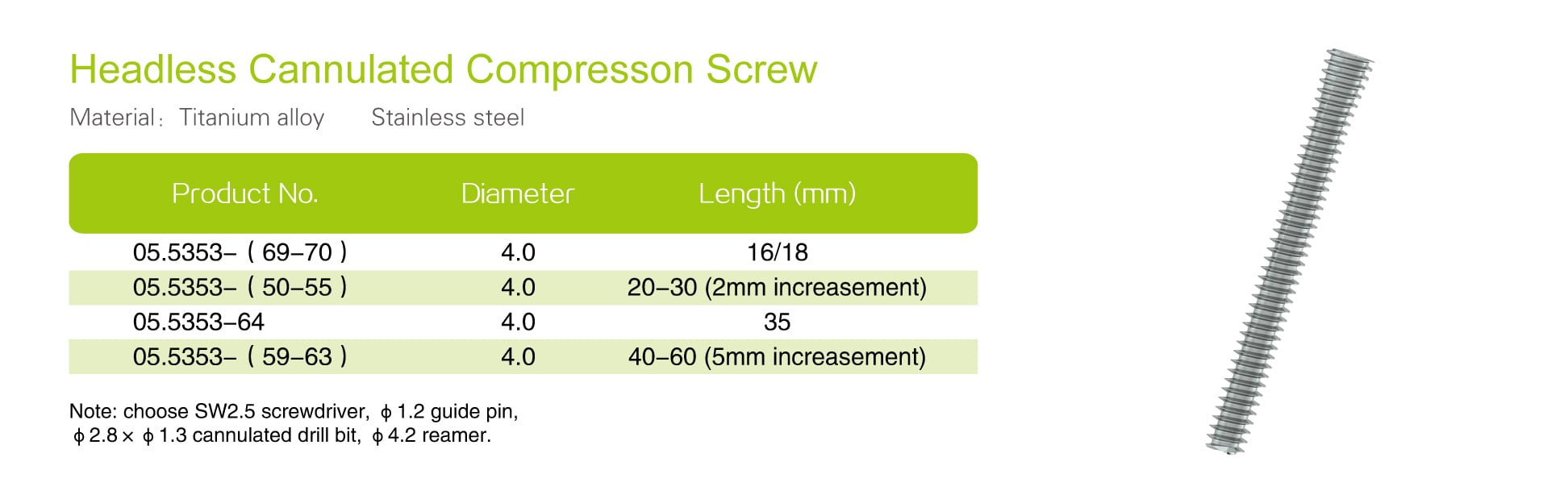
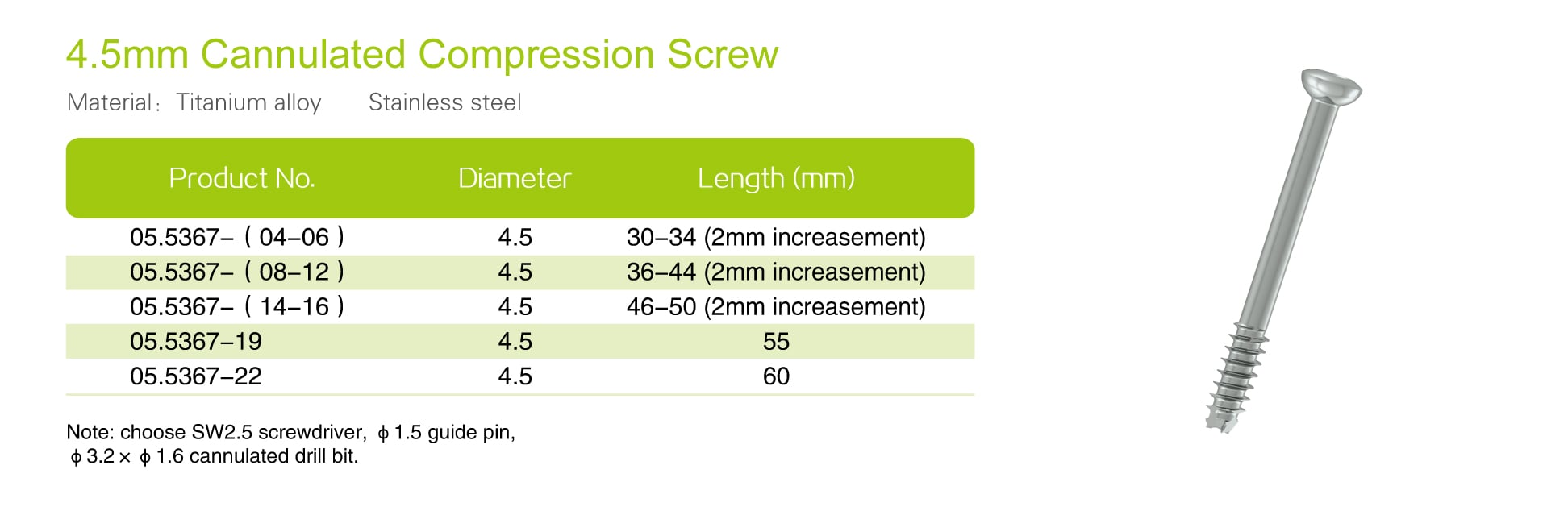
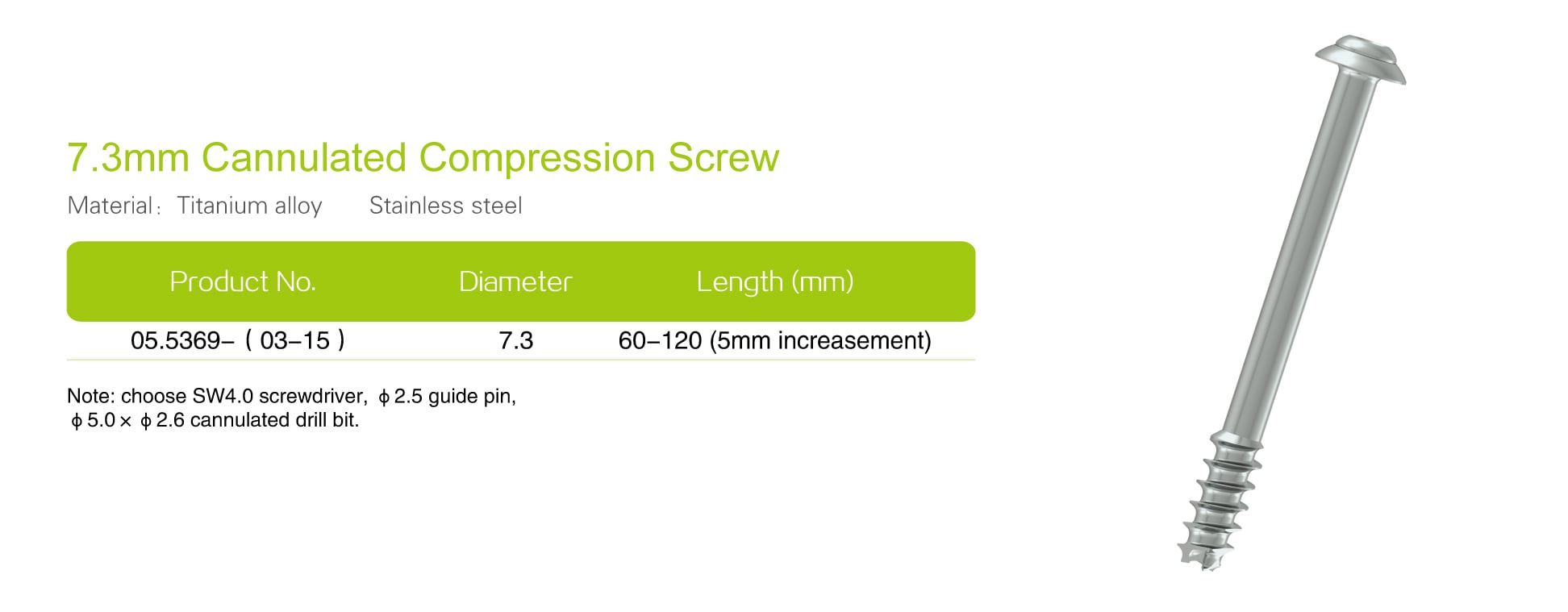
The orthopedic fracture cannulated screw represents a specialized surgical implant designed to stabilize and repair fractured bones throughout the body. This hollow-core screw features a central channel that allows surgeons to insert it over a guide wire, ensuring precise placement during procedures. The orthopedic fracture cannulated screw is manufactured from medical-grade materials such as titanium alloy or stainless steel, offering exceptional strength and biocompatibility. Its primary function involves compressing bone fragments together to promote natural healing while maintaining proper alignment. The technological design incorporates a self-tapping thread pattern that reduces insertion torque and minimizes bone damage during implantation. Surgeons commonly utilize the orthopedic fracture cannulated screw for treating fractures in the hip, knee, ankle, wrist, and hand regions. The cannulated design distinguishes this device from solid screws by enabling minimally invasive surgical techniques through smaller incisions. Advanced manufacturing processes ensure consistent thread geometry and precise dimensions across various screw lengths and diameters. The orthopedic fracture cannulated screw accommodates different bone densities and fracture patterns through its range of sizes. Clinical applications extend to fixing bone fragments, securing osteotomies, and arthrodesis procedures. The hollow channel typically measures between 2.0mm and 3.5mm in diameter, compatible with standard guide wires. This innovative fixation solution has become an essential component in modern orthopedic surgery, combining mechanical stability with surgical precision to optimize patient outcomes and accelerate recovery timelines.

New Product Recommendations

Choosing the orthopedic fracture cannulated screw delivers significant value through reduced surgical trauma and improved patient recovery experiences. The guided insertion technique allows doctors to achieve accurate screw placement with minimal tissue disruption, translating to shorter operation times and decreased bleeding during procedures. Patients benefit from smaller surgical wounds, reduced postoperative pain, and faster return to daily activities compared to traditional fixation methods. The hollow design of the orthopedic fracture cannulated screw enables real-time adjustment during surgery, allowing medical teams to verify positioning before final tightening. This precision reduces the risk of misplacement and subsequent revision surgeries, saving healthcare costs and patient discomfort. The biocompatible materials resist corrosion within the body environment, ensuring long-term stability without triggering adverse reactions. Medical facilities appreciate the versatility of the orthopedic fracture cannulated screw across multiple anatomical locations, reducing inventory complexity while maintaining comprehensive treatment capabilities. The self-tapping feature simplifies the insertion process, making procedures more efficient and predictable for surgical teams. Buyers gain confidence knowing these screws undergo rigorous quality testing to meet international medical device standards. The compression mechanism actively draws bone fragments together, creating optimal conditions for natural bone healing without requiring external fixation devices. Patients experience improved mobility during recovery as the internal fixation provides stable support without bulky external hardware. The orthopedic fracture cannulated screw suits various patient populations, from young athletes recovering from sports injuries to elderly individuals requiring hip fracture repair. Decision-makers find value in the proven clinical track record, extensive research documentation, and positive outcome statistics associated with cannulated screw technology in fracture management.

Practical Tips

How Do Orthopedic Implants Contribute to Minimally Invasive Surgery?

02

Jun

How Do Orthopedic Implants Contribute to Minimally Invasive Surgery?

The evolution of surgical medicine has brought forward one of the most significant shifts in patient care: the widespread adoption of minimally invasive surgery. At the heart of this transformation lies the role of orthopedic implants, which have bee...
View More
How Do Spinal Screw Systems Perform in Osteoporotic Patients?

06

Jul

How Do Spinal Screw Systems Perform in Osteoporotic Patients?

When a surgeon places a spinal screw into osteoporotic bone, the mechanical environment is fundamentally different from that of healthy vertebral bone. Osteoporosis reduces bone mineral density and disrupts trabecular architecture, leaving the cancel...
View More
How Does Spinal Screw Design Enhance Mechanical Strength and Fixation?

06

Jul

How Does Spinal Screw Design Enhance Mechanical Strength and Fixation?

In modern spinal surgery, the pedicle screw is one of the most critical implants used to stabilize the vertebral column. Whether the procedure involves deformity correction, fracture management, or spinal fusion, the pedicle screw serves as the prima...
View More
How to Optimize Pedicle Screw Placement for Better Surgical Outcomes?

06

Jul

How to Optimize Pedicle Screw Placement for Better Surgical Outcomes?

Achieving precise pedicle screw placement is one of the most critical skills in modern spinal surgery. When pedicle screw placement is performed accurately, it creates a stable fixation point that supports spinal fusion, corrects deformity, and reduc...
View More

Get a Free Quote

Our representative will contact you soon.
Email
Name
Company Name
Message
0/1000

orthopedic fracture cannulated screw

Precision-Guided Insertion Technology

Precision-Guided Insertion Technology

The orthopedic fracture cannulated screw incorporates advanced guided placement capabilities that fundamentally improve surgical accuracy and patient safety. The central hollow channel accepts standard guide wires, which surgeons first position under fluoroscopic imaging to map the optimal trajectory through bone fragments. This preliminary wire placement allows the surgical team to verify the path before committing to screw insertion, effectively eliminating guesswork from the procedure. Once the guide wire position is confirmed, the orthopedic fracture cannulated screw slides smoothly over this wire, following the predetermined path with exceptional accuracy. This technique proves particularly valuable in complex anatomical regions where traditional drilling methods risk damaging nearby nerves, blood vessels, or joint surfaces. The guided approach reduces radiation exposure time as fewer imaging passes are needed to confirm proper placement. Surgeons can execute procedures with greater confidence, knowing that the screw will travel precisely along the planned trajectory. This technological advantage translates directly into fewer complications, reduced operative time, and better functional outcomes for patients requiring fracture fixation across various skeletal locations.
Enhanced Compression for Superior Healing

Enhanced Compression for Superior Healing

The mechanical design of the orthopedic fracture cannulated screw optimizes bone fragment compression to accelerate natural healing processes. The thread configuration creates controlled compression forces that draw separated bone pieces together, establishing intimate contact between fracture surfaces. This compression eliminates gaps where fibrous tissue might form instead of solid bone, promoting primary bone healing through direct osteoblast activity. The orthopedic fracture cannulated screw maintains consistent compression throughout the healing period, counteracting the natural tendency of muscles and soft tissues to pull fragments apart. The graduated thread pitch generates progressively increasing compression as the screw advances, ensuring uniform force distribution across the fracture site. This compression stability proves essential for weight-bearing bones where premature loading might otherwise disrupt healing. Patients experience more predictable recovery timelines as the compressed fracture environment supports rapid bone consolidation. The resulting strong bony union restores original skeletal strength, allowing individuals to resume normal activities without prolonged restrictions. Medical professionals value this compression capability as it reduces nonunion rates and minimizes the need for secondary interventions, ultimately improving patient satisfaction and clinical outcomes in fracture management.
Minimally Invasive Surgical Approach

Minimally Invasive Surgical Approach

The orthopedic fracture cannulated screw enables minimally invasive fixation techniques that significantly reduce surgical trauma compared to traditional open procedures. Surgeons create small incisions just large enough to accommodate the guide wire and screw insertion instruments, preserving surrounding soft tissues, muscles, and blood supply. This tissue-sparing approach decreases postoperative pain levels, allowing patients to reduce pain medication usage and avoid opioid-related complications. Smaller wounds heal faster with lower infection risks, shortened hospital stays, and earlier mobilization for rehabilitation activities. The orthopedic fracture cannulated screw works effectively through percutaneous techniques where the surgeon operates through tiny stab incisions guided by imaging rather than direct visualization. Patients appreciate the cosmetic benefits of minimal scarring, particularly for fractures in visible areas like hands or ankles. The reduced surgical disruption preserves the natural biology of the fracture site, maintaining blood flow critical for bone healing. Healthcare systems benefit from decreased resource utilization as minimally invasive procedures require less operating room time, fewer staff members, and reduced postoperative monitoring. The combination of effective fracture stabilization with minimal access trauma represents a significant advancement in orthopedic care that benefits all stakeholders in the treatment process.

Get a Free Quote

Our representative will contact you soon.
Email
Name
Company Name
Message
0/1000
Newsletter
Please Leave A Message With Us